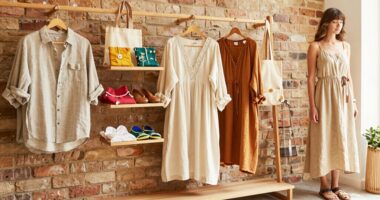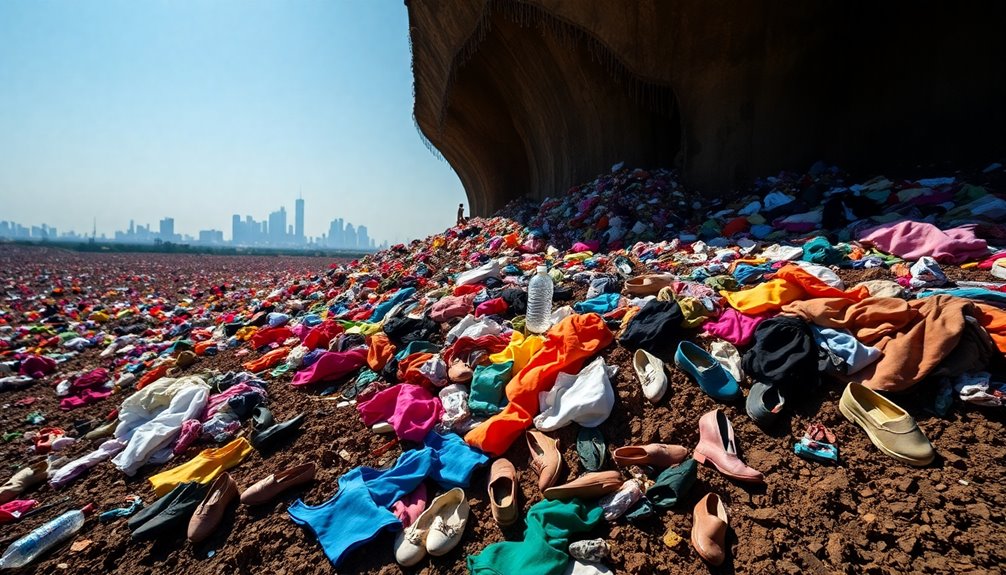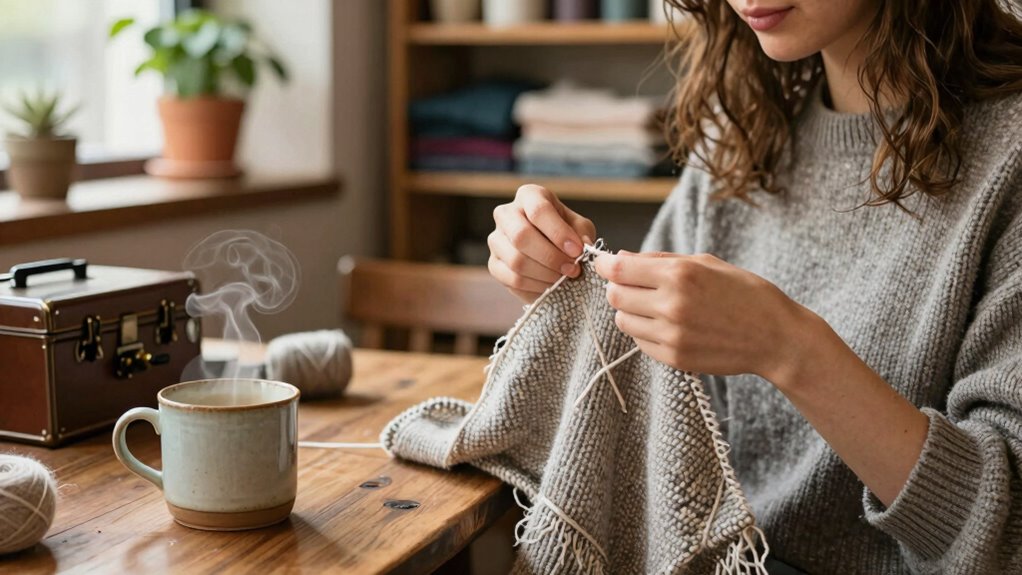

In daily life, slow fashion means making intentional choices by prioritizing quality over quantity, choosing sustainable fabrics like organic cotton or recycled textiles, and supporting ethical brands. It involves caring for your clothes properly, repairing when needed, and avoiding impulsive trend buys. You focus on building a versatile wardrobe of timeless pieces that last longer. If you want to understand how to incorporate these mindful habits into everyday routines, there’s more to uncover that can truly transform your approach to fashion.

Get your wardrobe favorites delivered free with Prime
- Fast, free delivery on millions of items
- Prime Video, Amazon Music and more included
- Member-only deals all year
Key Takeaways
- Prioritizing quality, versatile pieces for a timeless wardrobe over impulsive, trend-driven purchases.
- Choosing sustainable fabrics like organic cotton, hemp, or recycled materials for durability and eco-friendliness.
- Practicing mindful consumption by researching brands and supporting ethical, eco-conscious production.
- Extending clothing lifespan through proper care, repairs, and responsible disposal or donation.
- Engaging in sustainable practices such as clothing swaps, supporting small businesses, and restoring garments.
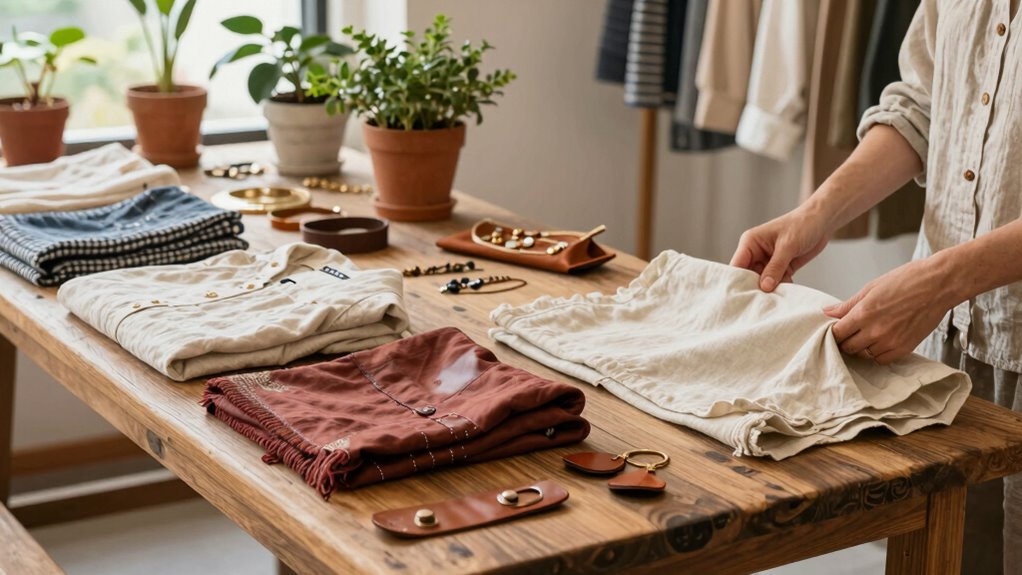
Have you ever wondered if there’s a better way to enjoy fashion without sacrificing the planet or your wallet? That’s where slow fashion into play, offering a mindful approach to dressing that prioritizes quality over quantity. It’s not just about buying less; it’s about making smarter choices with each garment you bring into your wardrobe. When you focus on sustainable fabric choices, you’re selecting materials that are eco-friendly, durable, and often ethically sourced. Think organic cotton, hemp, linen, or recycled fabrics—these options help reduce environmental impact and ensure your clothes last longer. By choosing these fabrics, you’re supporting brands that care about sustainable practices and lessening the demand for fast, disposable fashion.
Your mindful shopping habits are central to embracing slow fashion. Instead of impulsively grabbing the latest trends, you take time to research brands, understand their production processes, and invest in pieces that truly resonate with your style and values. This deliberate approach means you’re less likely to buy items that will sit unused or fall apart quickly. When you purchase thoughtfully, you’re building a wardrobe filled with versatile, timeless pieces that can be mixed and matched for years. You also prioritize quality over quantity, which means investing in well-made items that withstand the test of time rather than fleeting fast fashion trends. Incorporating sustainable fabrics into your wardrobe is a key step in aligning your wardrobe with eco-conscious principles. Additionally, understanding the environmental impact of textiles can help inform your choices and deepen your commitment to sustainability. Being aware of the lifecycle of garments can encourage more responsible consumption and disposal habits. Moreover, engaging with architectural solutions such as renovation and restoration services exemplifies a thoughtful, sustainable approach to resource use and design, paralleling principles of slow fashion by emphasizing longevity and mindful consumption. Embracing clothing care techniques can further extend the life of your wardrobe, making your slow fashion journey even more impactful.
In daily life, slow fashion encourages you to care for your clothes properly—washing them with eco-friendly products, repairing if needed, and passing on what no longer serves you. This not only extends the lifespan of your garments but also reduces waste. You might find yourself participating in clothing swaps or supporting local artisans and small businesses, further aligning your choices with sustainable principles. Ultimately, slow fashion isn’t about deprivation; it’s about cultivating a wardrobe that reflects your values and makes you feel good about what you wear.
Popular right now

Bose QuietComfort Ultra Earbuds (2nd Gen), Deep Plum

KitchenAid Artisan 5-Qt Tilt-Head Stand Mixer, Cardamom

KitchenAid Classic Series 4.5-Quart Tilt-Head Stand Mixer, Onyx Black
As an affiliate, we earn on qualifying purchases.
Frequently Asked Questions
How Can I Identify Truly Sustainable Clothing Brands?
To identify truly sustainable clothing brands, look for ones that prioritize ethical sourcing and demonstrate brand transparency. Check their website for clear information on where and how they produce their garments, ensuring they support fair labor practices. Research third-party certifications like Fair Trade or GOTS. A transparent brand openly shares their sustainability efforts, making it easier for you to support truly eco-friendly and ethical fashion choices.
What Are Some Affordable Slow Fashion Options?
Imagine a treasure chest of vintage finds and DIY repairs—these are your affordable slow fashion options. You can hunt for quality vintage pieces at thrift stores or online marketplaces, giving old garments new life. Plus, repairing clothes yourself extends their lifespan and saves money. By choosing these sustainable, budget-friendly options, you actively participate in slow fashion, reducing waste and supporting eco-conscious choices every day.
How Does Slow Fashion Impact Local Communities?
Slow fashion impacts local communities by fostering community empowerment and promoting ethical sourcing. When you support slow fashion, you help local artisans and small businesses thrive, ensuring fair wages and better working conditions. This approach encourages sustainable practices, reduces environmental harm, and preserves traditional craft techniques. By choosing slow fashion, you actively contribute to stronger, more resilient communities, making a positive difference both socially and environmentally.
Can Slow Fashion Be Incorporated Into Children’s Wardrobes?
Yes, you can incorporate slow fashion into children’s wardrobes. Surprisingly, kids outgrow clothes 2-3 times faster than adults, making sustainable choices essential. Focus on timeless styles, quality fabrics, and durable designs for children’s clothing. By choosing wardrobe sustainability, you guarantee clothes last longer, reducing waste. Ethical brands and secondhand shops also help you build a versatile, eco-friendly wardrobe for your kids, teaching them the value of mindful consumption from an early age.
What Maintenance Practices Extend Clothing Lifespan?
You can extend your clothing’s lifespan by following care labels carefully, which provide essential washing and drying instructions. Use gentle cycles and cold water to prevent damage. Additionally, learn simple repair techniques like sewing loose buttons or mending small tears. Regular maintenance, such as air drying instead of tumble drying, helps fabrics stay strong longer. These practices keep your clothes looking good and reduce waste, aligning with slow fashion principles.
Conclusion
Choosing slow fashion isn’t just about clothes; it’s about rewriting your story with intention and care. Every mindful purchase is a brushstroke on your personal canvas, shaping a more sustainable future. So, why not let your wardrobe be a reflection of your values? Embrace slow fashion, and watch how your everyday choices ripple outward—like a pebble creating ripples across a pond—transforming both your life and the world around you.