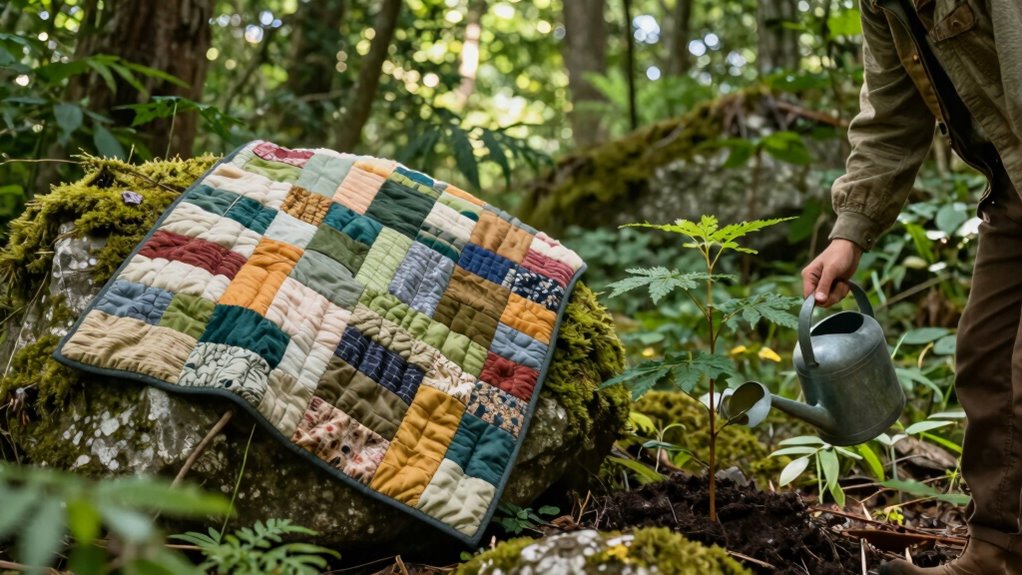

Regenerative fashion means creating clothes in a way that actively heals the environment and supports communities. Instead of just minimizing damage, it improves ecosystems, restores soil, and promotes biodiversity through sustainable materials and farming practices. It also guarantees fair wages and safe conditions for workers. By choosing regenerative fashion, you’re helping to repair the planet and promote social fairness. If you want to understand how this can make a real difference, keep exploring these ideas further.

Get your wardrobe favorites delivered free with Prime
- Fast, free delivery on millions of items
- Prime Video, Amazon Music and more included
- Member-only deals all year
Key Takeaways
- Regenerative fashion restores and improves the environment instead of just avoiding harm.
- It uses sustainable materials like organic cotton and recycled fabrics to reduce resource use.
- The practices support healthy soils, biodiversity, and ecosystems through methods like crop rotation.
- It ensures fair wages and safe conditions for workers, promoting social responsibility.
- Consumers can choose clothing that actively helps heal the planet and supports communities.
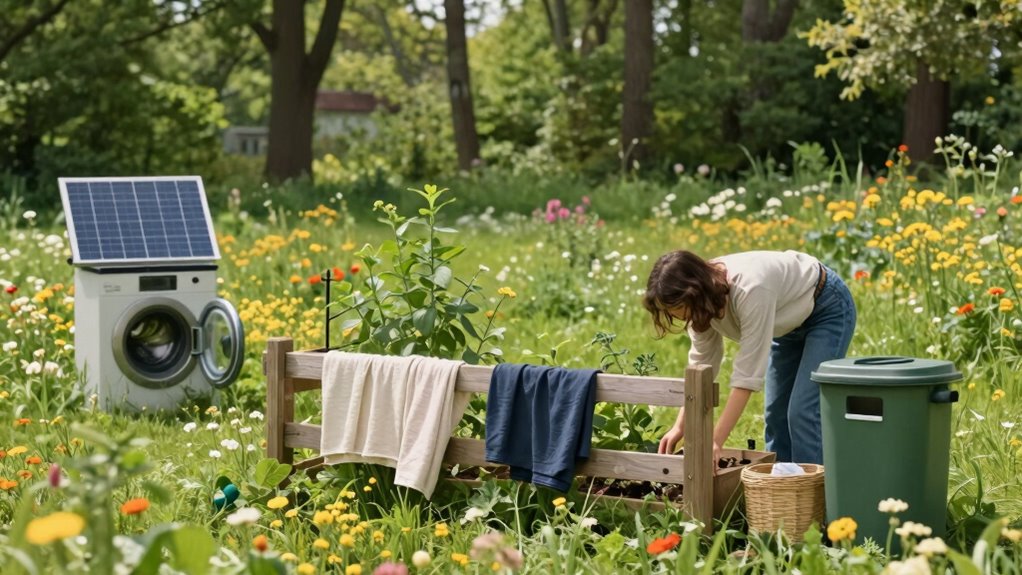
Regenerative fashion is transforming the way we think about clothing by focusing on restoring and enhancing the environment rather than just minimizing harm. Instead of simply reducing negative impacts, it actively works to improve ecosystems and communities through its practices. When you choose regenerative fashion, you’re supporting a system that prioritizes sustainable materials—like organic cotton, hemp, or recycled fabrics—that are grown or produced with minimal environmental footprint. These materials often require fewer resources, less water, and fewer harmful chemicals, making them a smarter choice for the planet. But it’s not just about what the clothes are made of; it’s also about how they’re made. You’ll find that regenerative fashion emphasizes ethical labor, ensuring workers are paid fair wages, work in safe conditions, and aren’t exploited. This approach makes your clothing choice more than just a style decision—it becomes a statement that values human rights and social responsibility.
When you engage with regenerative fashion, you’re part of a movement that sees clothing as a force for good. Brands embracing this philosophy often work directly with farmers and artisans to implement regenerative agricultural practices, such as crop rotation or composting, which improve soil health and sequester carbon. These practices help restore degraded land and support biodiversity, creating a cycle of renewal rather than depletion. Additionally, regenerative farming methods promote soil health and resilience, further enhancing ecological balance. Incorporating regenerative principles also involves restoring ecosystems, which is essential for maintaining biodiversity and ecological stability in the long run. Understanding the importance of regenerative practices helps consumers make more informed choices that contribute positively to the environment. This holistic approach recognizes the interconnectedness of ecological systems and human communities, emphasizing the importance of regenerative agriculture in fashion.
What makes regenerative fashion truly impactful is its holistic approach. It’s about creating a system where environmental health and social fairness go hand in hand. When you buy regenerative clothing, you’re not just getting a stylish piece—you’re supporting regenerative farming practices, fair wages, and communities that thrive. These efforts help repair ecosystems, reduce pollution, and promote social justice. The movement also encourages transparency, allowing consumers to learn about the origins of their clothes, from fiber cultivation to fair labor practices. The idea is to build a resilient fashion industry that supports both the planet and the people who make your clothes. So, when you make a conscious choice to wear regenerative fashion, you’re actively participating in a movement that aims to heal the world, one garment at a time.
Popular right now

Ninja Foodi 10-Qt DualZone Smart XL Air Fryer, 6-in-1, DZ550

De'Longhi Stilosa Compact Manual Espresso Machine with Milk Frother

De'Longhi Dinamica Plus Fully Automatic Espresso Machine
As an affiliate, we earn on qualifying purchases.
Frequently Asked Questions
How Does Regenerative Fashion Differ From Sustainable Fashion?
Regenerative fashion goes beyond sustainable fashion by actively improving the environment. You’ll notice it emphasizes ethical sourcing and circular design, meaning materials are responsibly obtained and products are designed to be reused or recycled. Unlike sustainable fashion, which aims to reduce harm, regenerative fashion seeks to restore ecosystems and support local communities. By choosing regenerative options, you help create a positive cycle that benefits both the planet and the people involved.
Can Regenerative Practices Be Applied to All Types of Clothing?
Yes, regenerative practices can be applied to all types of clothing. You can choose garments made from natural fibers, which are more eco-friendly and biodegradable. Embracing a circular economy means repairing, reusing, and recycling clothing to reduce waste. By adopting these practices across different apparel types, you help restore ecosystems and promote sustainability, making regenerative fashion accessible and beneficial for every kind of clothing you wear.
What Are Some Examples of Regenerative Materials Used in Fashion?
You might be surprised to learn that regenerative materials in fashion include organic fibers like hemp and organic cotton, which actually replenish the soil rather than deplete it. Reclaimed fabrics also shine here, giving new life to old textiles and reducing waste. These materials show that fashion can be sustainable and regenerative, turning the usual wasteful cycle into one that nurtures the environment. Who knew clothing could be so eco-friendly?
How Does Regenerative Fashion Impact Local Communities?
Regenerative fashion positively impacts your local community by fostering community empowerment and supporting local economic growth. When brands source materials locally or collaborate with local artisans, they create jobs and boost local businesses. This approach encourages sustainable practices that nurture the environment and build stronger community ties. As a result, your community thrives economically and socially, creating a cycle of growth that benefits everyone involved.
Is Regenerative Fashion More Expensive Than Traditional Fashion?
Regenerative fashion can be more expensive upfront than traditional fashion due to sustainable materials and eco-friendly practices. However, when you consider the cost comparison over time, it often proves more cost-effective because these garments tend to last longer and require less frequent replacement. While consumer affordability might be initially higher, investing in regenerative fashion supports sustainable practices and benefits the environment, making it a worthwhile choice for conscious shoppers like you.
Conclusion
Think of regenerative fashion as tending a garden—you don’t just pick the flowers and walk away. Instead, you nurture the soil, plant new seeds, and let everything flourish sustainably. By choosing regenerative practices, you’re helping the planet grow stronger, healthier, and more vibrant with each step. It’s about creating a cycle of renewal, where fashion becomes a force for good, not harm. Embrace this movement and watch the world blossom brighter with every conscious choice you make.