
Every year, sustainable fashion becomes more practical as innovations in eco-friendly materials like organic cotton and recycled fabrics make stylish options more accessible and affordable. Ethical manufacturing standards guarantee fair wages and safe conditions, encouraging responsible choices. Durability and quality improvements mean garments last longer, saving you money. Technological advances such as waterless dyeing reduce environmental impacts, making eco-friendly fashion easier for everyone. Keep exploring to discover how these trends continue to shape a greener wardrobe.

Get your wardrobe favorites delivered free with Prime
- Fast, free delivery on millions of items
- Prime Video, Amazon Music and more included
- Member-only deals all year
Key Takeaways
- Advances in textile technology enable affordable, eco-friendly fabrics like recycled and biodegradable materials for everyday fashion.
- Industry shifts toward transparency and ethical practices make sustainable options more reliable and accessible.
- Innovative dyeing methods, such as waterless dyeing, reduce environmental impact while lowering production costs.
- Longer-lasting, high-quality eco-friendly garments decrease the need for frequent replacements, enhancing practicality.
- Mainstream brands increasingly incorporate sustainable materials and practices, broadening options for consumers.
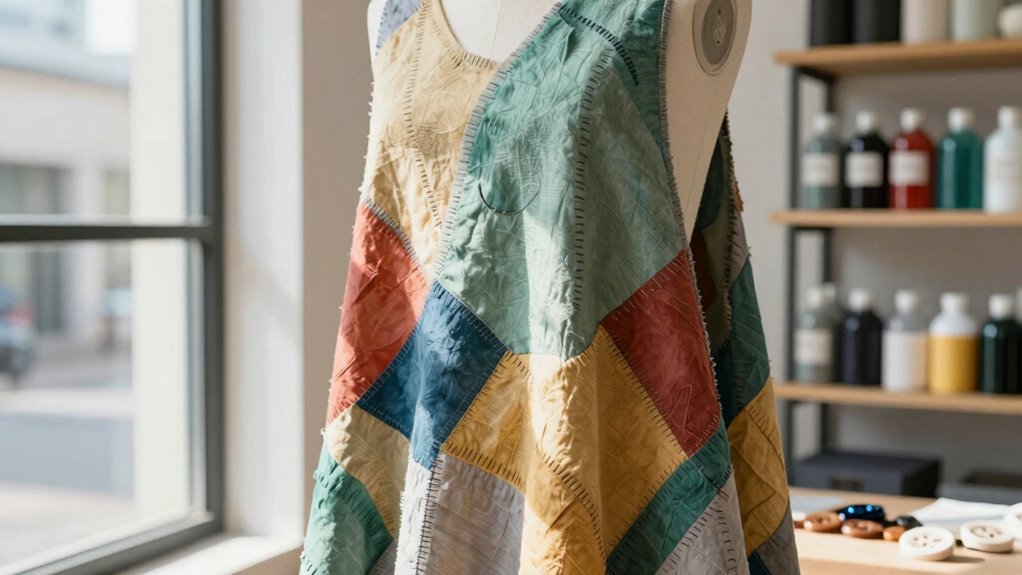
Sustainable fashion is becoming more practical as brands develop innovative ways to make eco-friendly choices accessible and affordable. You’re starting to see clothing that doesn’t just look good but also aligns with your values. At the heart of this shift are eco-friendly materials and ethical manufacturing practices. These elements are transforming the industry from niche to mainstream, making it easier for you to make conscious decisions without sacrificing style or convenience.
When you choose brands that prioritize eco-friendly materials, you’re supporting processes that reduce environmental impact. Think organic cotton, hemp, or recycled fabrics—these materials consume less water, require fewer chemicals, and lower greenhouse gas emissions during production. Manufacturers are investing in new textiles made from renewable resources or recycled waste, which means your wardrobe can stay stylish without contributing to pollution or waste. As these materials become more affordable and widely available, you’re not just a passive consumer but an active participant in fostering sustainability.
Ethical manufacturing is also reshaping how your clothes are made. Instead of fast fashion’s often exploitative labor practices, companies are adopting fair wages, safe working conditions, and transparent supply chains. This shift ensures that the people involved in making your clothing are treated fairly and work in humane environments. When you buy from brands committed to ethical manufacturing, you’re supporting workers’ rights and encouraging the industry to move away from exploitative practices. The rise of certifications and transparency initiatives makes it easier for you to verify a brand’s ethical standards, giving you confidence that your purchase contributes to positive change.
Moreover, the integration of eco-friendly materials and ethical manufacturing processes doesn’t just benefit the planet and workers; it also enhances the durability and quality of your clothing. These materials often produce garments that last longer and resist wear better, saving you money over time. Additionally, innovative manufacturing techniques are helping brands reduce waste and energy consumption during production, making sustainable fashion even more practical. For example, waterless dyeing techniques significantly cut down on water use, making production more sustainable. As brands invest in sustainable production, they’re creating pieces that aren’t just trendy but also built to stand the test of time. Incorporating environmentally conscious practices into manufacturing further supports the shift toward sustainable fashion, making eco-friendly choices more practical and widespread.
Technology plays a significant role in making these practices more accessible. Innovations like waterless dyeing, biodegradable textiles, and sustainable dyeing techniques are reducing environmental impacts and lowering costs. This means eco-conscious options are no longer limited to high-end stores but are increasingly available at more affordable prices. As the industry continues to evolve, you’ll find it easier than ever to choose clothing that aligns with your values without sacrificing convenience or style. Sustainable fashion is steadily becoming more practical, empowering you to make smarter, more responsible choices with every purchase.
Popular right now

De'Longhi Stilosa Compact Manual Espresso Machine with Milk Frother

De'Longhi Dinamica Plus Fully Automatic Espresso Machine

Hisense 85 U6 Pro Series Mini-LED ULED 4K UHD HDR Gaming AI Smart Fire TV (85U6SF Pro)
As an affiliate, we earn on qualifying purchases.
Frequently Asked Questions
How Affordable Is Sustainable Fashion Compared to Traditional Clothing?
Sustainable fashion is becoming more affordable as brands adopt eco-friendly dyes and ethical sourcing, which help reduce costs over time. You’ll find that many eco-friendly clothes now match traditional prices, especially with increased competition and innovations. While some premium pieces may still cost more, mainstream sustainable options are more accessible, allowing you to make eco-conscious choices without breaking the bank. It’s a practical shift towards greener, budget-friendly fashion.
Are Sustainable Fabrics Durable Enough for Everyday Wear?
Imagine your favorite trusty shield—sustainable fabrics are becoming just as durable, standing strong through daily wear. Thanks to eco-friendly durability advancements, practical fabric choices now include materials like hemp and recycled polyester that resist tears and fading. You can confidently choose sustainable fashion, knowing it offers reliable durability for everyday life. These fabrics are designed to endure, proving that eco-conscious choices don’t have to sacrifice practicality or longevity.
How Can Consumers Identify Genuinely Eco-Friendly Brands?
You can identify genuinely eco-friendly brands by checking for eco label certification, which guarantees they meet specific environmental standards. Look for brands that prioritize supply chain transparency, so you know where and how their materials are sourced and produced. These indicators show a brand’s commitment to sustainability. Always research their practices, read reviews, and verify certifications to confidently choose brands that truly care for the planet.
What Are the Latest Technological Innovations in Sustainable Fashion?
You’ll love this irony: the latest tech in sustainable fashion involves eco-friendly dyeing and recycled fibers, making your wardrobe greener without sacrificing style. Innovative machines now reduce water and chemical use, while fabrics made from recycled plastics cut waste. These advancements mean you can enjoy trendy pieces that are both eco-conscious and practical, proving that sustainability isn’t just a trend but a smart, stylish choice for your wardrobe.
How Does Sustainable Fashion Impact Local Economies?
You see, sustainable fashion boosts local economies by supporting local craftsmanship, creating job opportunities, and encouraging community-based production. When you choose eco-friendly brands, you’re helping small artisans thrive and promoting economic resilience. This shift reduces dependency on mass-produced imports, strengthens local industries, and fosters a more sustainable, self-sufficient economy. Your choices, thus, directly contribute to empowering communities and building lasting economic stability.
Conclusion
As sustainable fashion becomes more practical each year, you’ll find smarter ways to make eco-friendly choices. Imagine choosing a stylish, durable jacket from a brand that uses recycled materials and transparent supply chains. Over time, these small decisions add up, reducing your environmental impact while keeping you fashionable. So, next time you shop, remember—your mindful choices not only benefit the planet but also inspire brands to innovate further. Sustainability truly becomes easier with every step you take.