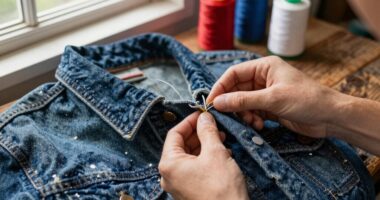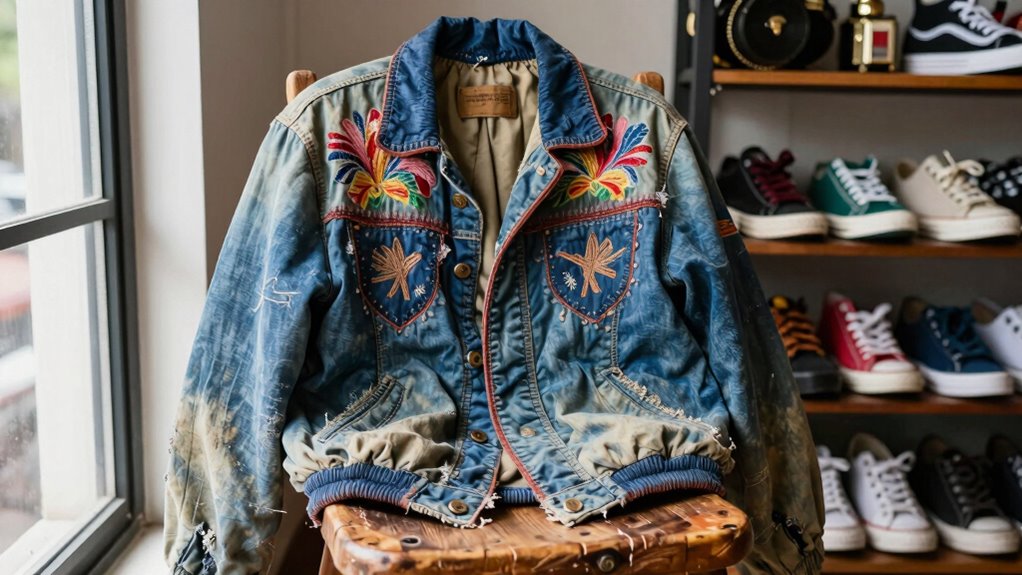

Resale, rental, and rewear practices matter now because they help you reduce fashion’s environmental impact and waste. By extending garment life, you contribute to a circular economy that conserves resources and promotes sustainable choices. These options make stylish, high-quality fashion more affordable and accessible, letting you enjoy trendy looks without guilt. If you’re curious about how your choices can reshape the industry and support a sustainable future, there’s more to discover ahead.

Get your wardrobe favorites delivered free with Prime
- Fast, free delivery on millions of items
- Prime Video, Amazon Music and more included
- Member-only deals all year
Key Takeaways
- They extend garment lifespan, reducing textile waste and environmental harm caused by fast fashion.
- Promote a circular economy, encouraging reuse, repair, and upcycling to conserve resources.
- Offer affordable, trendy, and sustainable fashion options, democratizing access for more consumers.
- Influence industry practices by driving brands toward responsible, eco-friendly production methods.
- Support a sustainable future by valuing resources, minimizing waste, and fostering mindful consumption.
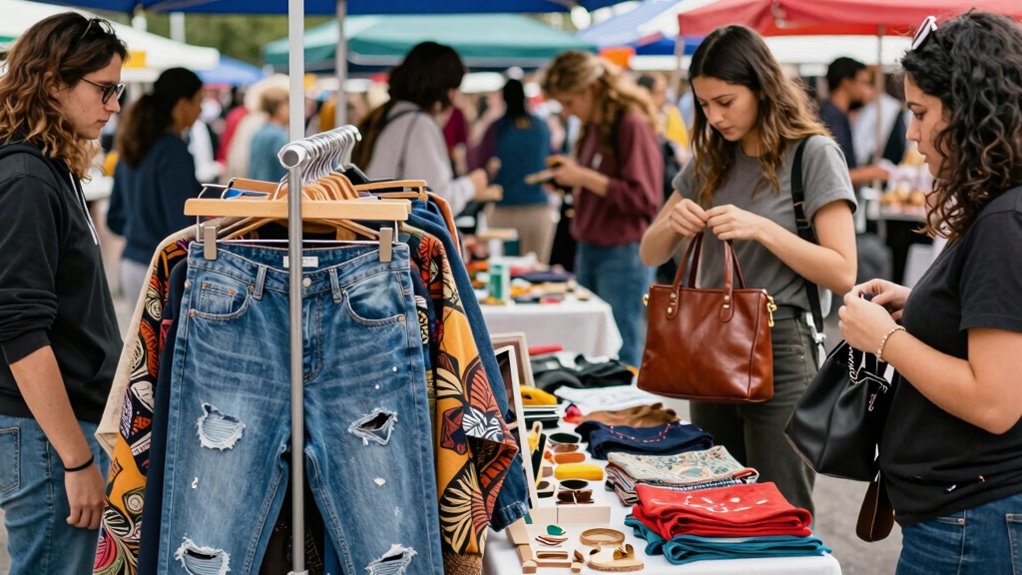
In today’s world, understanding the importance of resale, rental, and rewear options can considerably reduce your environmental impact and save you money. These practices are key components of sustainable fashion, which focuses on minimizing waste and conserving resources in the clothing industry. When you choose to resell or rent clothes, you actively participate in a circular economy — a system designed to keep products in use for as long as possible rather than discarding them after a single wear. This shift not only helps reduce the demand for new garments but also curtails the environmental damage caused by fast fashion’s rapid production cycle.
By embracing resale and rental options, you extend the life of garments, ensuring they don’t end up in landfills prematurely. This reduces textile waste, which is one of the fastest-growing waste streams worldwide. Instead of buying new items every season, you can give your wardrobe a fresh look by rewearing pre-loved pieces or renting high-quality designer items for special occasions. This approach allows you to access a wider variety of styles without constantly contributing to the cycle of overproduction. You’re actively supporting a more sustainable fashion ecosystem where resources are reused, and waste is minimized.
Rewear, rent, and resell to extend garment life and reduce textile waste worldwide.
The circular economy model encourages businesses and consumers alike to view clothing as a reusable asset rather than disposable. When you buy secondhand or rent clothing, you’re helping to close the loop in the fashion supply chain. This model promotes repair, upcycling, and sharing, which collectively reduce the need for new resource extraction and manufacturing. It also challenges the traditional fast fashion mentality that pushes you toward frequent, often impulsive purchases. Instead, it fosters a mindset of mindful consumption, where quality, longevity, and versatility take precedence.
Furthermore, participating in resale and rental markets often leads to more affordable fashion choices. You can access trendy, high-end, or unique pieces at a fraction of the cost of buying new. This democratizes fashion, making it more accessible while simultaneously lessening your environmental footprint. As more people adopt these practices, the cumulative effect can revolutionize the industry, encouraging brands to prioritize sustainable production methods. Your choices matter — by rewearing, reselling, or renting, you’re championing a circular economy that benefits both the planet and your wallet.
Ultimately, understanding why resale, rental, and rewear matter now is about recognizing your power to influence a sustainable future. Every time you choose to extend the life of a garment, you help build a fashion industry that’s less wasteful and more responsible. Your actions contribute to a circular economy where resources are valued and preserved, proving that sustainable fashion isn’t just a trend — it’s a necessity.
Popular right now

Dyson V8 Cordless Vacuum

Dyson Cyclone V10 Origin Cordless Vacuum

Shark Navigator Robot Vacuum with Self-Empty Base, Dark Grey (RV2120AE)
As an affiliate, we earn on qualifying purchases.
Frequently Asked Questions
How Does Resale Impact Environmental Sustainability?
Resale impacts environmental sustainability by promoting sustainable practices, reducing waste, and conserving resources. When you buy secondhand or sell items, you extend their lifecycle, supporting a circular economy. This minimizes the need for new production, lowering carbon emissions and resource extraction. By participating in resale, you help create a more sustainable fashion system, encouraging mindful consumption and reducing environmental harm.
What Are the Best Platforms for Renting High-End Fashion?
If you want to access the world’s most exclusive fashion, you should explore platforms like luxury leasing services and designer consignment shops—they’re game-changers. Sites like TheRealReal, Rent the Runway, and Vestiaire Collective offer the best in high-end fashion rental options. These platforms let you wear designer pieces without breaking the bank, making luxury leasing and designer consignment your go-to choices for stunning, sustainable style.
How Can Consumers Verify the Authenticity of Secondhand Items?
To verify the authenticity of secondhand items, you should use authenticity verification tools like serial number checks and hologram scans. Always buy from reputable platforms that offer counterfeiting detection services, and ask for original proof of purchase or certificates of authenticity. Research the item’s details and compare them with official brand information. When in doubt, consult experts or professional authentication services to guarantee you’re getting genuine products.
What Are the Financial Benefits of Rewearing Clothes?
Rewearing clothes can save you a fortune—it’s like opening a treasure chest of savings! By increasing clothing longevity, you cut down on frequent buying, leading to significant cost savings over time. Plus, reusing your wardrobe reduces the need for constant shopping, helping you stretch your budget further. Not only do you look good, but you also make smarter financial decisions, turning fashion into an investment rather than an expense.
How Do Resale Markets Influence Fast Fashion Brands?
Resale markets influence fast fashion brands by shifting consumer behavior, encouraging more sustainable choices, and increasing brand influence. When you see popular brands on resale platforms, you’re motivated to buy less new and consider pre-owned options, which challenges fast fashion’s rapid cycle. This dynamic pressures brands to adopt more eco-friendly practices and innovate, ultimately transforming their influence and encouraging you to make more conscious, sustainable purchasing decisions.
Conclusion
Think of your wardrobe as a garden—you can’t just plant seeds and hope they grow forever. Resale, rental, and rewear are like pruning and sharing the harvest, making sure every piece gets its moment to shine again. When you embrace these habits, you’re not just extending clothing’s life; you’re nurturing a sustainable future. Just like a well-tended garden blooms brighter, your choices can make a real difference—one outfit at a time.