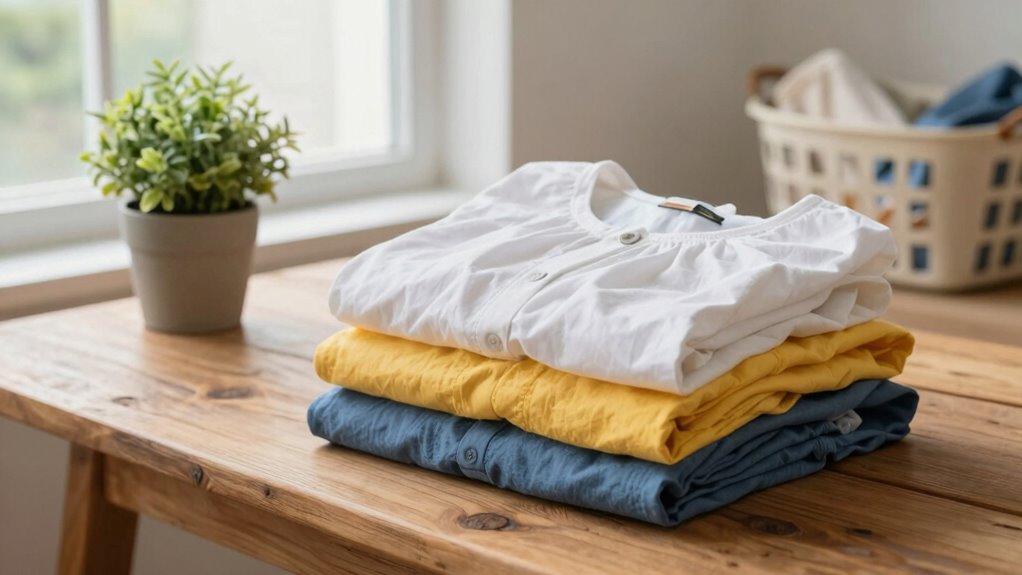

To keep your clothes longer without feeling stuck, focus on proper care and smart storage. Always follow the care labels and use gentle washing methods for delicate fabrics. Store clothes in breathable containers and avoid overcrowding your closet to prevent damage and wrinkles. Regularly inspect and repair your garments to prevent deterioration. Maintain a clean, cool, and dry environment to protect fabrics. Keep these tips in mind, and you’ll discover more ways to prolong your wardrobe’s life.

Get your wardrobe favorites delivered free — and shop member deals
- Fast, free delivery on millions of items
- Access to Prime Big Deal Days deals on October 6–7
- Prime Video, Amazon Music and more included
Key Takeaways
- Follow proper fabric care instructions and use gentle washing methods to prevent damage and prolong garment lifespan.
- Store clothes in breathable, organized containers and avoid overcrowding to reduce wrinkles and stress on fabrics.
- Regularly inspect and repair clothing to address minor issues before they worsen.
- Rotate wardrobe pieces to distribute wear evenly and maintain clothing shape.
- Keep storage areas cool, dry, and well-ventilated to prevent mold, pests, and fabric deterioration.
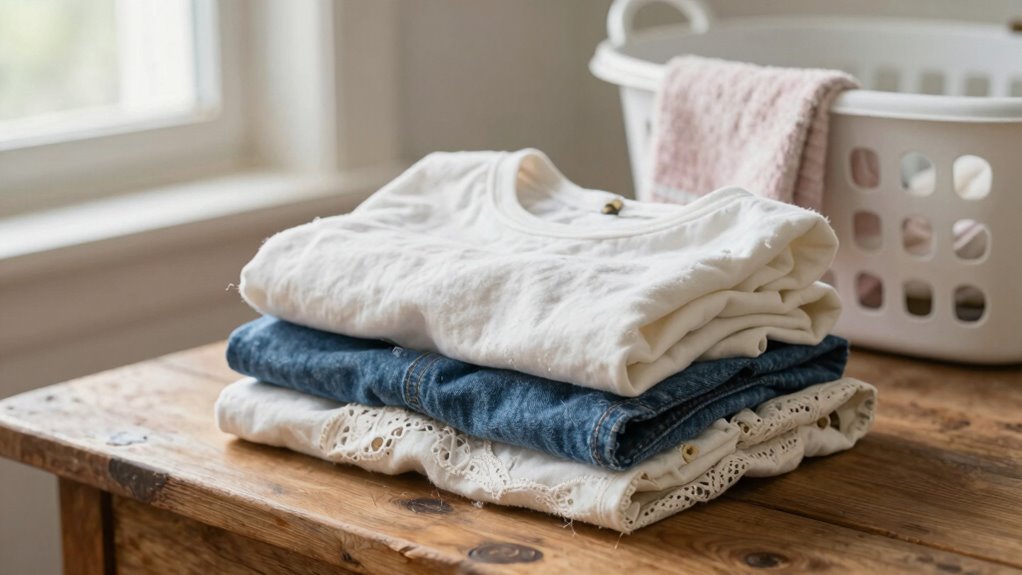
Have you ever wondered how some clothes seem to last forever while others quickly show signs of wear? The secret often lies in how you handle fabric care and your storage solutions. You can extend the life of your wardrobe by simply paying attention to these details. Proper fabric care involves more than just tossing clothes into the wash; it’s about understanding the specific needs of each material. For example, delicate fabrics like silk or lace benefit from gentle washing or hand washing, while sturdy cottons can usually take a regular cycle. Always read the care labels carefully, and use the right detergents and temperatures. Overloading your washing machine can cause unnecessary stretching or pilling, so keep loads balanced and avoid harsh agitation to preserve fabric integrity.
Storage solutions play a vital role in maintaining your clothes’ condition. When you store clothes improperly, you risk stretching, fading, or attracting pests. Invest in good-quality hangers that support the shape of your garments, especially for tops, dresses, and suits. For delicate or knit items, folding them carefully and storing them in breathable bins is a better option. Avoid cramming your closet; giving clothes room to breathe reduces wrinkles and prevents fabric from creasing or tearing. Use moisture-absorbing sachets or cedar blocks to keep pests like moths at bay, and make certain your storage area is cool, dry, and dark, which helps prevent fabric deterioration over time. Additionally, understanding fabric care can help you choose the best cleaning and storage methods for each material type. Proper ventilation in your storage area can also significantly extend the lifespan of your clothes by reducing humidity and mold growth. Regularly cleaning your storage space and ensuring good air circulation can further enhance fabric longevity.
In addition, rotating your wardrobe can make a big difference. If you tend to wear certain outfits more often, give the rest a break by storing them properly and taking them out periodically. This prevents overuse and stress on specific pieces. Regularly inspecting your clothing for signs of damage—such as loose threads, small tears, or discoloration—allows you to repair or clean items before problems worsen. When you’re not using seasonal clothes, store them in sealed containers to keep them fresh and protected. This way, you avoid unnecessary cleaning and prolong their lifespan.
Ultimately, caring for your clothes isn’t just about washing and storing; it’s about creating a routine that treats your garments with respect. By paying attention to fabric care and choosing the right storage solutions, you guarantee your clothes stay in excellent condition longer. This effort saves you money, reduces waste, and keeps your wardrobe looking sharp for years to come. With a little mindful effort, you can enjoy your favorite pieces without feeling stuck replacing them too often.
breathable clothing storage bins
As an affiliate, we earn on qualifying purchases.
As an affiliate, we earn on qualifying purchases.
Frequently Asked Questions
Can Storing Clothes in Sunlight Damage Their Fabric?
Storing clothes in sunlight can damage their fabric by causing sunlight fading and fabric weakening. When exposed to direct sunlight, colors tend to fade over time, making your clothes look dull. Additionally, prolonged exposure can weaken the fabric’s fibers, reducing their lifespan. To keep your clothes looking fresh and intact, avoid storing them in direct sunlight, and instead, choose a cool, dark place for storage.
What Are Eco-Friendly Ways to Extend Clothing Lifespan?
You can extend your clothes’ lifespan by embracing eco-friendly storage and sustainable washing habits. Using breathable storage options like cotton bins or garment bags keeps fabrics fresh and reduces wear. Opt for eco-friendly laundry detergents, wash clothes in cold water, and avoid over-washing to preserve fibers. These conscious choices not only prolong your wardrobe but also support a healthier planet, making your wardrobe an extension of your eco-conscious lifestyle.
How Often Should I Replace Wardrobe Essentials?
You should replace wardrobe essentials when they show significant wear or no longer fit your style. Prioritize wardrobe rotation to extend their lifespan, wearing them regularly before replacing. Incorporate clothing repairs to fix minor damages, delaying the need for replacements. By maintaining a rotation schedule and repairing clothes promptly, you can make your essentials last longer, reducing waste and saving money while keeping your wardrobe fresh and functional.
Do Laundry Detergents Affect Clothing Longevity?
Yes, laundry detergents can affect clothing longevity. Harsh detergents may leave detergent residue, which can weaken fibers over time, leading to fabric deterioration. To protect your clothes, opt for gentle, eco-friendly detergents, and use the recommended amount. Rinsing clothes thoroughly guarantees no residue remains. Proper washing habits help maintain fabric quality, keeping your wardrobe essentials looking fresh and lasting longer without feeling worn out.
Can Fabric Softeners Harm Delicate Fabrics?
Fabric softeners can harm delicate fabrics if used improperly. They may cause fibers to break down or become dull over time. To protect your delicate clothes, choose softeners formulated for sensitive fabrics or skip them altogether. Instead, opt for natural alternatives like vinegar, which can soften fabrics without risking damage. This way, you extend your clothes’ lifespan while keeping them comfortable and looking their best.
Conclusion
By taking gentle care of your clothes, you invite them to stay with you a little longer, quietly sharing more of their stories. With simple habits—like proper washing, thoughtful storage, and mindful wear—you nurture their spirit and extend their life. Embrace these small acts, and you’ll find your wardrobe remains vibrant and full, whispering the promise of many more days together. After all, a little kindness goes a long way in keeping your clothes happily by your side.
Halloween Picks
halloween
As an affiliate, we earn on qualifying purchases.