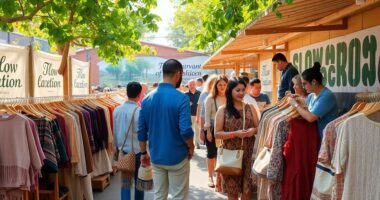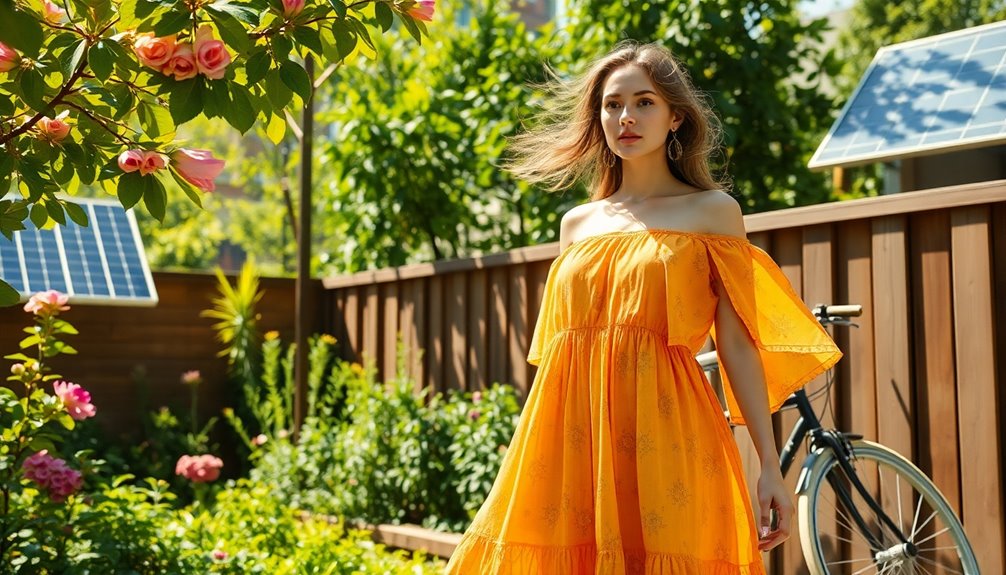

You can absolutely be stylish while saving the planet by embracing eco-friendly fashion. This movement not only focuses on chic designs but also prioritizes sustainable materials like organic cotton and recycled fibers, reducing waste and pollution. Many brands emphasize ethical production, ensuring fair wages and safe working conditions for workers. By choosing durable and upcycled pieces, you contribute to a circular economy and decrease landfill waste. With numerous options available, stylish, sustainable choices are within reach. Curious about which brands lead the charge in eco-friendly fashion? There's plenty more to discover on how to enhance your wardrobe sustainably.
Key Takeaways
- Sustainable fashion promotes stylish choices while prioritizing eco-friendly materials, reducing environmental impact through practices like upcycling and zero-waste design.
- Brands like Everlane and Reformation prove that ethical production can yield fashionable garments without compromising on style or sustainability.
- Eco-friendly clothing often features timeless designs, encouraging durability and reducing the need for frequent purchases, ultimately minimizing landfill waste.
- The growing secondhand market allows consumers to find unique, stylish pieces while supporting a circular economy that benefits the planet.
- Consumers increasingly value transparency and ethical practices, influencing brands to adopt sustainable methods that align with modern fashion trends.

HIEEY Lighted Makeup Mirror, 17.3" x 13" Hollywood Vanity Mirror with Lights, Three Color Lighting Modes, and 5X Magnification Mirror, Smart Touch Control, 360°Rotation (White,Gift Box)
Vanity mirror with lights: LED lights along four sides of mirror will provide perfect lighting for makeup application.Made...
As an affiliate, we earn on qualifying purchases.
Overview of Sustainable Fashion

Sustainable fashion isn't just a trend; it's a necessary shift in how we think about clothing. You play a crucial role in the movement toward ethical fashion, which promotes sustainable practices throughout the clothing supply chain.
This approach seeks to minimize environmental degradation and labor exploitation, ensuring that garments are produced responsibly. With the fashion industry generating around 100 billion garments annually, a staggering 87% end up in landfills, underlining the urgency of adopting eco-friendly practices.

TRAHOME 36"x24" LED Bathroom Vanity Mirror with Lights, Front and Backlit Wall Mirror, Anti Fog, Dimmable 3 Color Lighting, Memory Function, Shatterproof Glass, Plug in or Hardwired
Dual Front and Back Lighting: Front and back lights work together to deliver bright, even illumination, making daily...
As an affiliate, we earn on qualifying purchases.
The Impact of Fast Fashion

Fast fashion's impact on the environment is staggering, with 87% of the 100 billion garments produced each year ending up in landfills.
You might be surprised to learn that this industry also contributes to 10% of global carbon emissions and 20% of water pollution.
As you consider your clothing choices, it's essential to understand these economic and ecological implications.
Environmental Consequences Explained
While many enjoy the thrill of acquiring new clothing, the environmental consequences of the fashion industry are staggering. Fast fashion accounts for 10% of global carbon emissions, greatly impacting climate change.
You mightn't realize that about 20% of water pollution stems from textile production, with toxic chemicals polluting our rivers and oceans. Shockingly, 87% of the 100 billion garments produced each year end up in landfills, demonstrating the unsustainable nature of this industry.
With only 1% of discarded clothing recycled, the average garment is worn just 10 times before being tossed aside. Most clothing is made from synthetic fibers, releasing microplastics into waterways and contributing to 35% of ocean pollution. The urgency of addressing these issues is echoed in the rise of eco-friendly fashion as a response to the detrimental effects of fast fashion.
Choosing sustainable materials can help mitigate these dire effects.
Economic Implications Uncovered
As the demand for trendy and affordable clothing surges, the economic implications of fast fashion become increasingly evident. The fast fashion industry generates massive waste and pollution, ultimately jeopardizing a sustainable future. Each year, about 100 billion garments are produced, with 87% ending up in landfills. This waste contributes to a staggering 10% of global carbon emissions. Additionally, synthetic fibers dominate clothing production, introducing microplastics into our oceans. Coastal zones, affected by wave action and tidal movements, also face challenges from plastic pollution originating from the fashion industry.
| Impact | Statistic | Consequence |
|---|---|---|
| Garments Produced | 100 billion/year | Environmental degradation |
| Landfill Contribution | 87% of garments | Waste accumulation |
| Carbon Emissions | 10% of global emissions | Climate change exacerbation |
It's clear that changing our consumption habits is essential for a sustainable future.

Stagiant Rolling Makeup Case Cosmetology Case on Wheels 4 in 1 Large Cosmetic Organizer Train Case Makeup Travel Case with Key Swivel Wheels Nail Artist Salon Storage Traveling Cart Trunk Black
Versatile Portable Makeup Case: The Stagiant travel makeup case is a portable and versatile organizer. Measuring 13.4"L x...
As an affiliate, we earn on qualifying purchases.
Benefits of Eco-Friendly Clothing

When you choose eco-friendly clothing, you're making a positive impact on the environment by reducing pollution and waste.
You also support ethical labor practices, ensuring workers are treated fairly.
Plus, investing in durable garments means long-term cost savings as you buy less often.
Environmental Impact Reduction
Eco-friendly clothing plays an essential role in reducing the fashion industry's environmental impact, which is responsible for a staggering 20% of global water pollution.
By choosing sustainable materials like organic cotton and recycled fibers, you can help decrease the use of synthetic fibers, which release harmful microplastics into our waterways.
Opting for eco-friendly clothing also cuts down carbon emissions, as the apparel industry contributes 10% of global greenhouse gas emissions.
Additionally, investing in high-quality, environmentally friendly garments promotes longevity, combating the alarming statistic that 87% of fashion items end up in landfills after just 10 wears. The shift towards sustainable sourcing in various industries, including fashion, is essential for promoting ethical production practices.
Ethical Labor Practices
Choosing clothing that adheres to ethical labor practices not only supports fair wages and safe working conditions but also fosters social justice within the fashion industry. By opting for eco-friendly brands, you contribute to a more equitable fashion landscape, promoting transparency and accountability in the supply chain. Additionally, embracing sustainable practices in fashion can align with the values of traditional healing practices, which emphasize respect for the environment and community well-being.
| Benefits | Description |
|---|---|
| Fair Wages | Workers receive compensation reflective of their skills. |
| Safe Working Conditions | Environments free from hazards and exploitation. |
| Social Justice | Empowering marginalized communities. |
| Transparency | Clear insights into production processes. |
| Consumer Demand | Increased interest in responsible fashion. |
Brands like People Tree collaborate with Fair Trade producers, ensuring your choices lead to meaningful change. Together, we can foster ethical labor practices in the fashion industry.
Long-Term Cost Savings
Investing in eco-friendly clothing can save you money in the long run. These garments are made from better quality materials that last longer, reducing the need for constant replacements.
By choosing sustainable fashion, you're not just making a style choice; you're also contributing to long-term cost savings. With eco-friendly brands focusing on timeless designs, you'll buy fewer versatile pieces that can be worn in various settings.
This approach minimizes landfill waste and cuts down on waste management costs for everyone. Consider that the average fast fashion item is worn only ten times.
Yueieoun Salon Cart with 3 Drawers, Nail Trolley Cart with Wheels Salon Station Rolling Makeup Train Case Cosmetology Case Organizer Cases for Nail Tech,SPA,Face Painting,Hairstylist,Makeup Artist
✨【Versatile Storage for Salon, Spa, or Home】 Size: 13.2(L) * 10.4(W) * 33.1(H) INCH. This 45lb capacity professional...
As an affiliate, we earn on qualifying purchases.
Upcycled Materials in Fashion

As the fashion industry faces increasing scrutiny over its environmental impact, upcycled materials are emerging as a creative solution to reduce waste. By transforming discarded clothing and textiles into stylish new items, brands like RE/DONE and Beyond Retro lead the way in showcasing the potential of upcycling.
The Ellen MacArthur Foundation highlights a shocking statistic: a truckload of textiles is wasted every second globally. This urgency calls for innovative fashion solutions.
Upcycling not only diverts waste from landfills but also fosters a circular economy, encouraging recycling and reusing materials. When you choose upcycled fashion, you actively support brands prioritizing environmental responsibility while making a unique style statement.
Embrace this trend and contribute to a more sustainable future.
Ethical Production Practices

When you choose fashion, consider the importance of fair wages and safe working conditions for garment workers.
Transparency in production helps you understand the real cost behind your clothes and the values of the brands you support.
Fair Wages Importance
Ensuring fair wages in the fashion industry isn't just a moral obligation; it directly impacts the quality of life for workers and their communities. By advocating for ethical practices, you contribute to a system where workers receive the compensation they deserve, allowing them to support their families and invest in their local economies.
The tragic Rana Plaza disaster serves as a stark reminder that the fashion industry must prioritize safety and fairness. Brands like Everlane are setting examples by revealing costs and wages, fostering consumer trust.
Additionally, Fair Trade certification guarantees producers work in safe conditions while earning fair wages. As a conscious consumer, your choices can drive this positive change and promote sustainability in fashion.
Transparency in Production
The fashion industry's push for fair wages naturally leads to a demand for transparency in production. Ethical production practices guarantee workers receive fair compensation and work in safe environments. Brands like Everlane exemplify this, sharing production costs and factory locations to build trust. The Fair Trade certification, used by companies like People Tree, ensures adherence to ethical labor practices.
Here's a quick overview of transparency in production:
| Aspect | Importance |
|---|---|
| Fair Wages | Encourages equitable pay for all workers |
| Safe Working Conditions | Protects workers' health and well-being |
| Consumer Trust | Builds loyalty through transparency |
| Ethical Certifications | Verifies adherence to fair practices |
| Blockchain Technology | Enhances traceability of garment origins |
Adopting these practices can influence your purchasing decisions considerably.
Zero-Waste Design Innovations

As designers seek to revolutionize the fashion industry, zero-waste design innovations are emerging as a pivotal solution to combatting textile waste.
Traditional garment manufacturing often discards up to 15% of fabric, contributing considerably to the waste problem. By embracing zero-waste design, brands can creatively rethink how they construct garments.
- Zero Waste Daniel maximizes material use with innovative pattern-making.
- Tonlé repurposes leftover fabric from mass manufacturers for unique collections.
These practices not only minimize environmental impact but also inspire creativity.
Consumer Influence on Sustainability

While many consumers might not realize it, their choices greatly shape the fashion industry's sustainability landscape. A Nielsen report shows that 73% of global consumers are ready to change their habits for sustainability, pushing brands to adapt. The secondhand clothing market is booming, projected to hit $77 billion by 2025, indicating a notable shift towards sustainable purchasing. Education on these practices is essential, as organizations like Fashion Revolution promote transparency. Your demand for ethical brands has led to the rise of companies like Everlane and People Tree, who prioritize responsible methods despite challenges from fast fashion. Additionally, understanding consumer influence on sustainability can empower shoppers to make impactful choices that drive meaningful change.
| Consumer Actions | Impact on Sustainability |
|---|---|
| Choosing secondhand | Reduces waste |
| Supporting ethical brands | Promotes fair labor |
| Advocating for transparency | Increases brand accountability |
Tips for Sustainable Shopping

To make a positive impact on the environment through your shopping habits, focus on choosing quality over quantity. Invest in timeless pieces made from sustainable materials like organic cotton or hemp.
These choices not only last longer but also align with sustainability in fashion, reducing the waste associated with fast fashion's throwaway culture.
Consider these tips for sustainable shopping:
- Seek out transparent brands that prioritize ethical production, like Everlane.
- Embrace secondhand shopping or clothing swaps to extend the lifecycle of garments.
- Familiarize yourself with the Higg Index to make informed decisions about clothing's environmental and social impacts.
Leading Brands in Sustainable Fashion
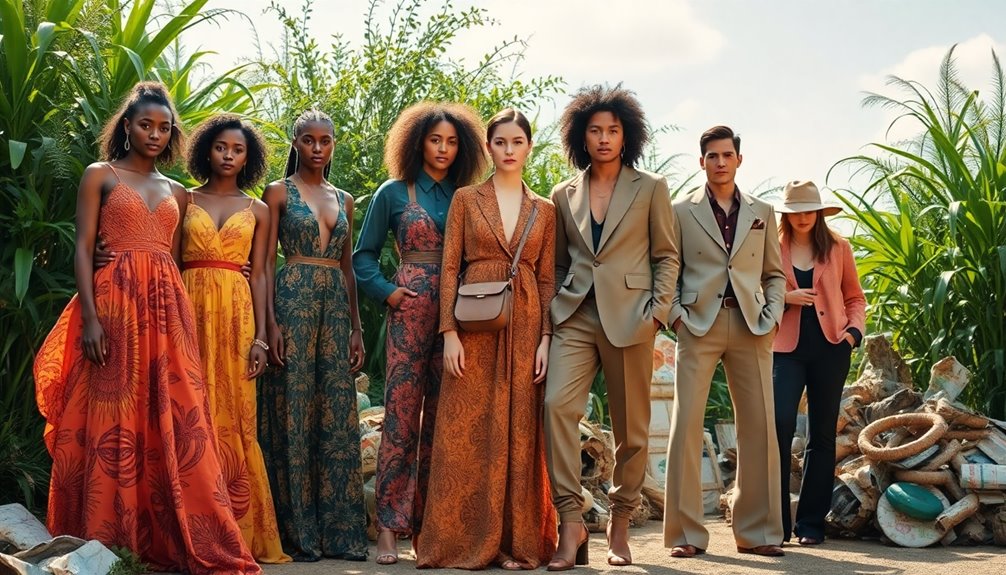
When you explore the landscape of sustainable fashion, you'll find several leading brands that prioritize eco-friendly practices and ethical production.
Patagonia stands out as a pioneer, using recycled materials and championing fair labor for garment workers.
Everlane takes a different approach by emphasizing radical transparency, revealing the true costs behind its quality basics.
Reformation is committed to eco-friendly materials, aiming for climate neutrality by 2025 while creating stylish clothing.
People Tree collaborates with Fair Trade producers to guarantee fair wages and safe conditions for garment workers.
Finally, Allbirds revolutionizes footwear with sustainable materials like merino wool, working for carbon neutrality by 2025.
These brands prove that you can be stylish while making a positive impact on the planet.
The Future of Eco-Friendly Fashion

As the demand for sustainable fashion grows, the future looks bright for eco-friendly practices in the industry.
You'll see a shift toward more innovative and stylish options, making it easier to embrace Slow Fashion.
- The secondhand clothing market is projected to hit $77 billion by 2025, showcasing a major change in consumption.
- Sustainable materials like biodegradable fabrics and lab-grown leather are now mainstream, offering chic choices with less environmental impact.
- Advancements in technology, such as 3D printing and blockchain, are enhancing efficiency and accountability in production.
With 73% of consumers ready to make eco-conscious choices, the future of fashion isn't just sustainable; it's stylish and responsible.
Embrace this change to make a positive impact!
Frequently Asked Questions
How Can We Dress Fashionably Without Damaging the Planet?
You can dress fashionably without damaging the planet by choosing sustainable materials like organic cotton and hemp.
Incorporate secondhand and vintage pieces into your wardrobe to extend garment lifecycles and support the growing secondhand market.
Opt for brands that focus on upcycled materials, ensuring your fashion choices contribute to a circular economy.
Ultimately, prioritize ethical brands that guarantee fair wages and safe working conditions, making your style choices both trendy and responsible.
How Can Fashion Save the Planet?
Imagine a world where vibrant colors and patterns ripple through the air, all made from recycled materials.
Fashion can save the planet by embracing sustainable practices like upcycling and using biodegradable fabrics. You can choose brands that prioritize zero-waste designs, ensuring nothing goes to landfills.
How Does Eco Fashion Help the Environment?
Eco fashion helps the environment by considerably reducing textile waste and promoting sustainable practices.
When you choose upcycled or recycled materials, you're preventing discarded clothing from ending up in landfills.
By supporting brands that prioritize ethical production, you're ensuring fair wages and safe working conditions.
Plus, by buying fewer, higher-quality items, you lower your carbon footprint.
It's a win-win; you get stylish clothing while contributing to a healthier planet!
Can Fashion Be 100% Sustainable?
You might wonder if fashion can be 100% sustainable.
While achieving complete sustainability is tough due to factors like material sourcing and production practices, you can still make a significant impact.
By supporting brands that prioritize organic and recycled materials, and participating in secondhand or upcycling trends, you contribute to reducing waste.
Embracing innovations like biodegradable fabrics also helps, pushing the industry closer to a more sustainable future.
Every choice counts!
Conclusion
In your quest for style, remember that each choice you make can echo through the planet's future. When you opt for eco-friendly fashion, you're not just dressing yourself; you're making a statement that resonates beyond your wardrobe. Coincidentally, as you embrace sustainable practices, you inspire others to follow suit, creating a ripple effect of positive change. So, let your fashion choices reflect your values, and watch as your small actions lead to a brighter, greener world.