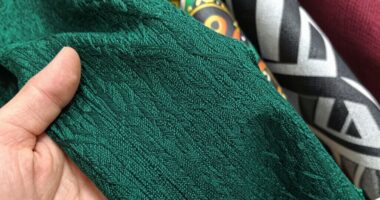
Low-impact dyes offer an eco-friendly alternative in textiles by cutting water, energy, and chemicals used during dyeing. They work with various fabrics like cotton and hemp, using techniques such as cold-water dyeing and digital printing, which save resources and reduce waste. These dyes also produce longer-lasting, vibrant colors, helping to minimize environmental harm and support sustainable fashion choices. If you want to discover more about how these dyes make a difference, keep exploring.

Get your wardrobe favorites delivered free — and shop member deals
- Fast, free delivery on millions of items
- Access to Prime Big Deal Days deals on October 6–7
- Prime Video, Amazon Music and more included
Key Takeaways
- Low-impact dyes reduce water, energy, and chemical use in textile dyeing, minimizing environmental harm.
- They are suitable for various textiles and enable eco-friendly dyeing techniques like cold-water dyeing and digital printing.
- These dyes require less resource consumption, promoting sustainable textile production with high color quality.
- Formulated to be safer and less toxic, they produce wastewater that’s easier to treat and less harmful.
- They offer longer-lasting colorfastness, reducing re-dyeing needs and supporting sustainable fashion.

Have you ever wondered if there’s a way to add vibrant color to textiles without harming the environment? The answer lies in low-impact dyes, a sustainable alternative gaining popularity among eco-conscious brands and consumers. These dyes are designed to minimize environmental harm by reducing water usage, energy consumption, and toxic chemical release. When you choose low-impact dyeing techniques, you support a more sustainable textile industry and help preserve natural resources. Unlike traditional dyeing methods, which often involve harsh chemicals and large amounts of water, low-impact dyes focus on efficiency and safety. They are specially formulated to require less water and energy during the dyeing process, making them an environmentally friendly choice.
Low-impact dyes reduce water, energy, and chemical use, making textile coloring safer and more sustainable.
Dyeing techniques for low-impact dyes are innovative and adaptable, suitable for a variety of textiles, from cotton to hemp. These methods typically involve processes like cold-water dyeing or digital printing, which drastically cut down on resource consumption. For example, cold-water dyeing allows you to achieve vibrant colors without heating large quantities of water, saving energy and reducing greenhouse gas emissions. Digital printing with low-impact dyes is also a game-changer, offering precise color application with minimal waste and runoff. Additionally, the choice of dyeing techniques can influence the longevity and vibrancy of textile colors, ensuring that garments remain beautiful for longer periods. By incorporating these dyeing techniques, manufacturers can produce colorful textiles while adhering to eco-friendly practices.
One of the key environmental benefits of using low-impact dyes is the significant reduction in water pollution. Traditional dyeing often leads to wastewater containing toxic chemicals that can contaminate local water bodies and harm aquatic life. In contrast, low-impact dyes are formulated to be less toxic and often require fewer rinse cycles, resulting in cleaner wastewater that’s easier to treat. Additionally, because these dyes are safer for workers and communities, they contribute to healthier environments both during and after the manufacturing process.
Furthermore, low-impact dyes tend to have a longer-lasting colorfastness, meaning the vibrant hues stay bright longer without frequent re-dyeing or touch-ups. This durability reduces the need for reprocessing, which in turn decreases the overall environmental footprint. As you explore sustainable fashion options, choosing products dyed with low-impact techniques not only gives you vibrant, beautiful textiles but also supports environmentally responsible practices. By understanding the environmental benefits and innovative dyeing techniques behind low-impact dyes, you become part of a movement toward a cleaner, greener textile industry.
eco-friendly low-impact textile dyes
As an affiliate, we earn on qualifying purchases.
As an affiliate, we earn on qualifying purchases.
Frequently Asked Questions
Are Low-Impact Dyes Cost-Effective Compared to Traditional Dyes?
Yes, low-impact dyes are generally cost-effective compared to traditional dyes. You’ll find that the cost comparison favors low-impact options because they often require less energy and water during manufacturing, reducing overall manufacturing costs. Although initial expenses might be similar or slightly higher, the long-term savings from reduced resource use and environmental benefits make low-impact dyes a more economical choice for you.
How Long Do Low-Impact Dyes Typically Last on Fabrics?
You’ll find that low-impact dyes typically last quite well on fabrics, often maintaining their color fastness for several years with proper care. Their UV resistance helps protect against fading caused by sun exposure, ensuring the colors stay vibrant over time. To maximize longevity, avoid harsh detergents and excessive washing. Overall, these dyes offer durable, eco-friendly color retention that keeps your fabrics looking fresh for a long time.
Can Low-Impact Dyes Be Used on All Fabric Types?
You can’t use low-impact dyes on all fabric types because fabric compatibility and dye absorption vary. These dyes work best on natural fibers like cotton, hemp, and silk, which absorb dye more effectively. Synthetic fabrics like polyester or nylon may not achieve vibrant results since they don’t absorb dyes as well. Always check the fabric’s compatibility and test dye absorption first to confirm good color payoff with low-impact dyes.
What Are the Environmental Benefits Beyond Reduced Water Usage?
Using low-impact dyes offers environmental benefits beyond just saving water. You’ll notice improved biodegradability, meaning these dyes break down more easily and don’t linger in ecosystems. Plus, they markedly reduce chemical runoff during production, preventing harmful substances from contaminating soil and waterways. This makes your textile processes more eco-friendly, helping preserve natural habitats and reduce pollution, all while maintaining vibrant colors and quality in your fabrics.
Are There Any Color Limitations With Low-Impact Dye Options?
You might find that low-impact dyes have some color limitations, mainly in the color spectrum they can produce. While they offer good dye versatility, they may not achieve the same vibrant or wide-ranging hues as traditional dyes. However, advances are expanding their palette, so you can still access a broad spectrum of shades suitable for many projects. Keep in mind, some specific colors might require special formulations or techniques.
Conclusion
By now, you’ve seen how low-impact dyes can revolutionize your textile choices, making them kinder to the planet. Remember, choosing eco-friendly options isn’t just a modern trend—it’s a heroic act akin to rallying for the environment like a true eco-warrior of the 1960s. So next time you pick a dye, think about the future and go for sustainable options. Your wardrobe—and the Earth—will thank you for it!
Fall Picks
fall essentials
As an affiliate, we earn on qualifying purchases.