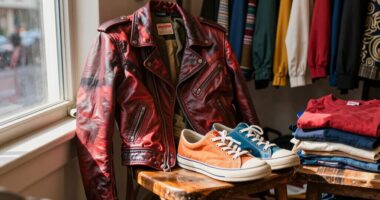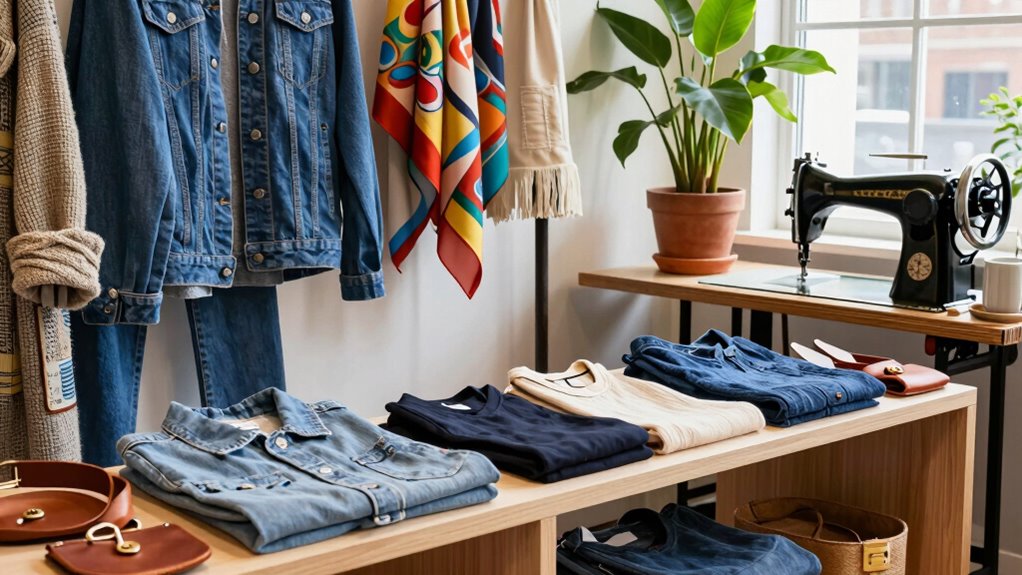

Circular fashion works by focusing on designing clothing that can be reused, recycled, and kept in use longer, rather than just following trends. You’ll find brands using sustainable materials and creating modular, easy-to-repair garments. Consumer participation through resale platforms extends clothing lifespans and reduces waste. Brands adopt eco-friendly practices and take-back programs to promote recycling. If you keep exploring, you’ll discover how these approaches change the way fashion benefits both the planet and your wardrobe.

Get your wardrobe favorites delivered free — and shop member deals
- Fast, free delivery on millions of items
- Access to Prime Big Deal Days deals on October 6–7
- Prime Video, Amazon Music and more included
Key Takeaways
- Circular fashion designs garments for easy disassembly, reuse, and recycling to extend their lifespan and reduce waste.
- It incorporates sustainable materials like recycled fibers and bio-based textiles to minimize environmental impact.
- Consumer participation through resale platforms prolongs garment life and reduces demand for new clothing production.
- Brands adopt eco-friendly manufacturing practices and take-back programs to promote reuse and recycling of apparel.
- The approach emphasizes long-term value, innovation, and ecological stewardship over fleeting trends and fast consumption.
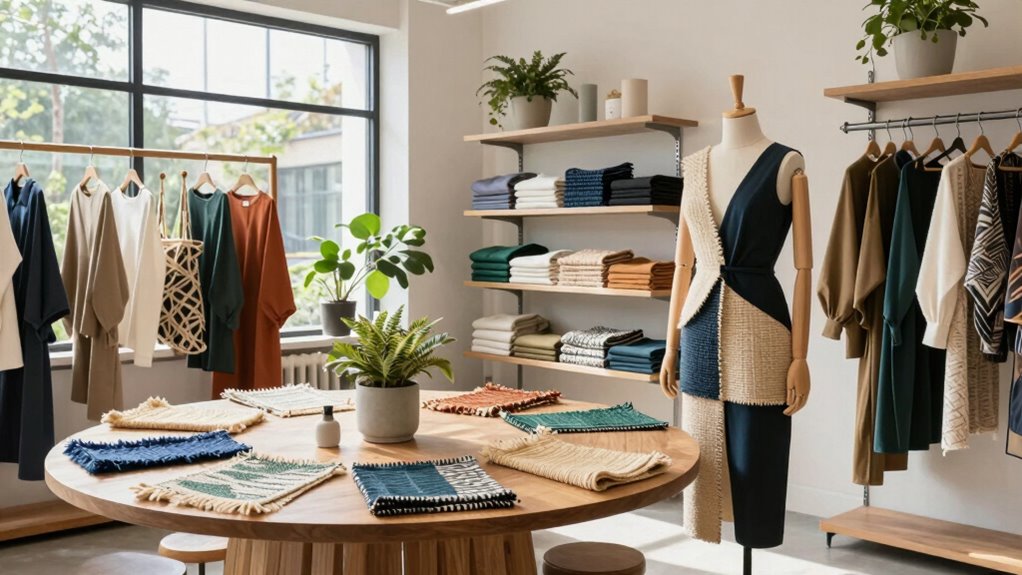
Have you ever wondered how fashion can be both stylish and sustainable? The answer lies in understanding how circular fashion works beyond just buzzwords. It’s about creating a system where clothing is designed, produced, and reused in ways that minimize waste and environmental impact. Instead of the traditional linear model—take, make, dispose—circular fashion emphasizes a loop, keeping garments in use longer and reducing the need for constant new production. This is where sustainable materials come into play. By choosing fabrics made from recycled fibers, organic cotton, or innovative bio-based textiles, designers reduce reliance on resource-intensive processes. These sustainable materials not only lessen environmental harm but also align with the ethos of circularity, guaranteeing that every step from production to disposal contributes to a more eco-friendly cycle.
But the real magic happens when you, as a consumer, participate in this loop. Resale platforms are transforming the way we think about clothing. Instead of discarding items after a season, you can sell or buy secondhand pieces, extending their lifespan and giving them a new story. Resale platforms make it easy for you to find high-quality, pre-loved fashions that still have plenty of life left in them. This shift from buying new to reusing existing garments reduces demand for fresh production, helping to lower carbon emissions and conserve resources. When you shop on resale platforms, you’re actively supporting a more sustainable economy by keeping clothing in use rather than in landfills. Additionally, embracing biodiversity in fabric choices supports the resilience of ecosystems and reduces the environmental impact of production. Incorporating sustainable materials also encourages innovation within the industry, pushing brands toward more eco-friendly practices. A growing number of brands are now designing with long-lasting and repairable garments in mind, further strengthening the circular approach.
Furthermore, brands adopting circular design principles are increasingly exploring new ways to create garments that are easier to disassemble and recycle, closing the loop even further. Circular fashion also involves smarter design choices. Brands now focus on creating timeless pieces that can be worn for years, rather than chasing fleeting trends. They incorporate modular designs, so garments can be easily repaired or redesigned, further extending their usability. Some brands even offer take-back programs, encouraging you to return old items for recycling or refurbishment. This closed-loop approach ensures that materials stay within the system, rather than being discarded after a single use. As awareness around eco-friendly production continues to grow, more companies are adopting environmentally conscious manufacturing processes that align with circular principles. When you participate in these initiatives, you’re directly contributing to a more sustainable fashion ecosystem.
Ultimately, circular fashion is about more than just buzzwords; it’s a conscious shift toward a system where fashion’s environmental footprint is minimized, and garments are valued beyond their initial use. By choosing sustainable materials, engaging with resale platforms, and supporting brands committed to circular principles, you can help build a fashion industry that’s as innovative as it is responsible. It’s about changing your mindset from consumption to stewardship, ensuring that fashion remains beautiful and sustainable for generations to come.
As an affiliate, we earn on qualifying purchases.
Frequently Asked Questions
How Do Circular Fashion Brands Ensure Product Quality and Durability?
You can trust circular fashion brands to guarantee product quality and durability through material innovation and strict quality assurance. They select sustainable, high-performance materials that stand up to wear and tear. Additionally, they implement rigorous quality checks during production, ensuring each piece meets durability standards. This focus on innovation and assurance helps create long-lasting garments, reducing waste and supporting a sustainable, circular fashion system that benefits both consumers and the environment.
What Are the Main Challenges in Scaling Circular Fashion Practices?
Scaling circular fashion faces challenges like maintaining supply chain transparency and sourcing innovative materials consistently. You might worry about higher costs or complex logistics, but imagine a streamlined system where every step is clear, and new materials are readily available. Overcoming these hurdles requires collaboration, investment, and technology, making sustainable practices more accessible. As you embrace transparency and innovation, you’ll help create a resilient, eco-friendly fashion industry that benefits everyone.
How Can Consumers Effectively Participate in Circular Fashion Initiatives?
You can effectively participate in circular fashion initiatives by boosting your consumer awareness about sustainable practices. Look for brands that offer recycling incentives, such as garment take-back programs or discounts for returning used clothes. Consider buying secondhand or upcycling items, and reuse or donate clothing when you no longer need it. Your conscious choices drive demand for circular practices, encouraging brands to adopt more sustainable, closed-loop systems.
What Role Do Governments Play in Promoting Circular Fashion?
Think of governments as the compass guiding sustainability. They play an essential role by creating policy incentives and establishing regulatory frameworks that encourage brands to adopt circular practices. Your government can support innovation, enforce eco-friendly standards, and provide funding for sustainable startups. These actions steer the fashion industry toward circularity, making it easier for you to participate in eco-conscious choices, knowing that policies are aligning industry goals with environmental responsibility.
How Does Circular Fashion Impact the Overall Environmental Footprint?
Circular fashion substantially reduces your environmental footprint by encouraging material innovation and sustainable practices in the supply chain. When you choose circular options, you’re supporting designs that reuse, recycle, or repurpose materials, lowering waste and resource consumption. This approach minimizes pollution and conserves natural resources, making fashion more eco-friendly. By embracing circular fashion, you actively contribute to a healthier planet and promote responsible consumption.
Conclusion
Now that you understand how circular fashion works beyond the buzzwords, you see it’s more than just a trend—it’s a revolution transforming the way you think about clothing. By embracing reuse, recycling, and innovative design, you’re part of a movement that could save the planet from a fashion disaster of epic proportions. So, get inspired, make mindful choices, and help turn the fashion industry into a force of positive change—because this is one revolution you don’t want to miss.
Fall Picks
fall essentials
As an affiliate, we earn on qualifying purchases.