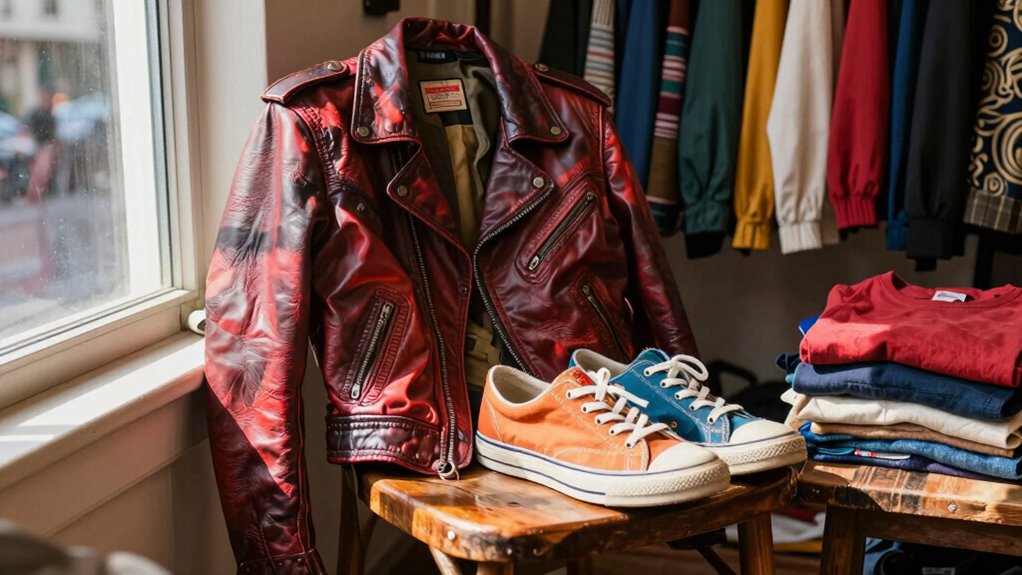

Resale, rental, and rewear practices matter now because they help you reduce waste and lessen your environmental impact. By choosing secondhand or renting clothes, you extend their life, support a circular economy, and cut down on pollution from manufacturing and transportation. These choices also promote responsible consumption and encourage brands to adopt sustainable methods. If you keep exploring, you’ll discover how your actions can contribute to a more eco-friendly fashion industry and a healthier planet.

Get your wardrobe favorites delivered free — and shop member deals
- Fast, free delivery on millions of items
- Access to Prime Big Deal Days deals on October 6–7
- Prime Video, Amazon Music and more included
Key Takeaways
- They reduce textile waste and lessen environmental pollution caused by fast fashion.
- Resale, rental, and rewear extend clothing lifecycles, supporting a circular economy.
- These practices encourage sustainable consumption and diminish the demand for new clothing production.
- They influence brands to adopt eco-friendly and sustainable manufacturing methods.
- Participating in these practices promotes resourcefulness, responsibility, and environmental awareness.
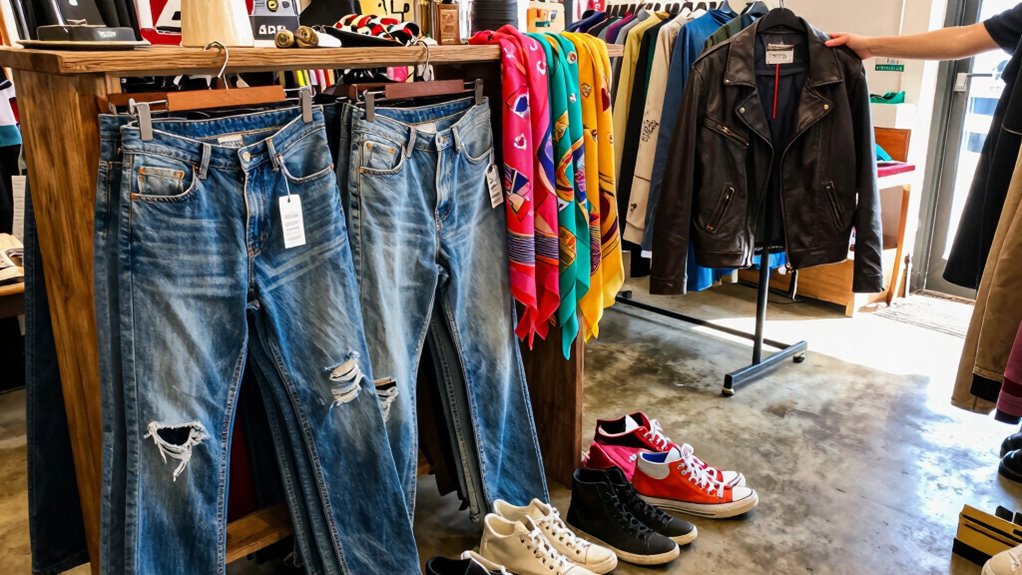
In today’s world, focusing on resale, rental, and rewear options isn’t just a trend—it’s a smart way to reduce waste and make more sustainable choices. As you become more conscious of your environmental impact, you realize that the fashion industry plays a significant role in contributing to pollution and waste. Embracing sustainable fashion through resale, rental, and rewear extends the lifecycle of clothing, helping to minimize the demand for new production and decrease textile waste. These practices support a circular economy, where resources are reused, recycled, and kept in use longer, rather than discarded after minimal wear.
When you buy secondhand or rent clothes, you’re actively participating in a system that values longevity over fast consumption. Resale platforms make it easy for you to find quality, pre-loved garments, reducing the need for fast fashion brands that often rely on cheap, disposable items. Renting outfits for special occasions allows you to enjoy high-quality, fashionable pieces without the guilt of owning something that might only be worn once. Your choices in rewear and rental not only save money but also lessen the environmental footprint associated with manufacturing, transportation, and waste management. Additionally, supporting these practices encourages sustainable fashion to become more mainstream, further amplifying their positive impact.
By choosing to rewear your clothes, you extend their usefulness, giving them a second life and avoiding landfill. It’s about shifting your mindset from ownership to sharing and conserving. Every time you opt for resale, rental, or rewear, you contribute to a more sustainable fashion industry that values resourcefulness and responsibility. This approach supports a circular economy, which aims to keep materials in circulation for as long as possible, reducing the need for virgin resources and lowering greenhouse gas emissions. Additionally, adopting practices that promote clothing longevity can significantly impact the overall sustainability of your wardrobe. Furthermore, understanding the importance of biodiversity in the context of sustainability encourages us to consider the broader environmental impacts of our fashion choices.
Moreover, your participation in these practices can influence broader change. As more consumers prioritize resale and rental options, brands are incentivized to adopt more sustainable production methods and offer rental or secondhand lines. It fosters a shift towards sustainable manufacturing that benefits both the planet and the economy. It’s a ripple effect that accelerates the shift toward eco-friendly fashion. Ultimately, your choices become part of a larger movement to challenge the throwaway culture and promote a system where clothing is valued for its utility and durability, not just its trendiness.
In the end, embracing resale, rental, and rewear isn’t just good for the planet—it’s a way to express your values and advocate for a more sustainable future. You become a conscious participant in transforming the fashion industry into one that’s more equitable, resource-efficient, and aligned with environmental priorities. Your actions, no matter how small, help build a circular economy that benefits everyone and preserves the planet for generations to come.
As an affiliate, we earn on qualifying purchases.
Frequently Asked Questions
How Do Resale Markets Impact Local Economies?
Resale markets boost local economies by creating new income streams, but market saturation can lead to decreased prices, making items less profitable for sellers. As prices fluctuate, you might find opportunities to buy affordable goods or sell higher-value items. This dynamic encourages entrepreneurship and consumer spending, ultimately supporting local businesses and jobs. However, managing saturation and fluctuations is key to maximizing economic benefits in resale markets.
What Are the Environmental Benefits of Renting Instead of Buying?
Imagine your wardrobe as a garden; renting keeps it thriving without overharvesting resources. When you rent instead of buy, you reduce waste and lower carbon emissions, supporting sustainable fashion. This practice promotes a circular economy, where clothes are reused and repurposed instead of discarded. By choosing rental, you help conserve water, energy, and reduce pollution, making a tangible difference for the planet and future generations.
How Can Consumers Ensure the Quality of Rewear Clothing?
To guarantee rewear clothing’s quality, you should check clothing durability before purchase or use. Look for signs of wear, tear, or fabric pilling. Conduct a fabric inspection to verify the material’s integrity and softness. When renting or buying secondhand, ask about the item’s maintenance history. Trust reputable sources that conduct quality checks, and always follow the care instructions to prolong the clothing’s lifespan and keep it in good condition.
What Trends Are Driving Increased Interest in Clothing Rental Services?
You’re drawn to clothing rental services because of the growing trend in sustainable fashion and shifting consumer behavior, which prioritize eco-friendly choices. Rental options allow you to enjoy stylish outfits without the guilt of fast fashion waste. As awareness of environmental impact increases, more people like you seek flexible, eco-conscious ways to refresh their wardrobe, making rental services a popular choice to stay fashionable while supporting sustainability.
How Do Resale Platforms Verify the Authenticity of Luxury Items?
You can trust resale platforms to verify luxury items through rigorous authenticity verification processes. They often use expert luxury authentication, where specialists examine details like serial numbers, logos, and craftsmanship. Many platforms also employ advanced technology, such as AI and UV lighting, to detect counterfeit features. These steps guarantee your purchase is genuine, giving you confidence in buying or selling luxury items and supporting sustainable fashion choices.
Conclusion
So, here’s the irony: in a world obsessed with newness, it’s actually reusing, renting, and reselling that save the planet—and maybe your wallet. While fast fashion fuels waste, you can be part of the solution by choosing smarter, more sustainable options. Who knew that the secret to feeling good and doing good was just rewearing that same outfit? Sometimes, going backward is the best way forward.
Fall Picks
fall essentials
As an affiliate, we earn on qualifying purchases.