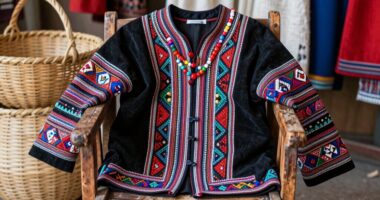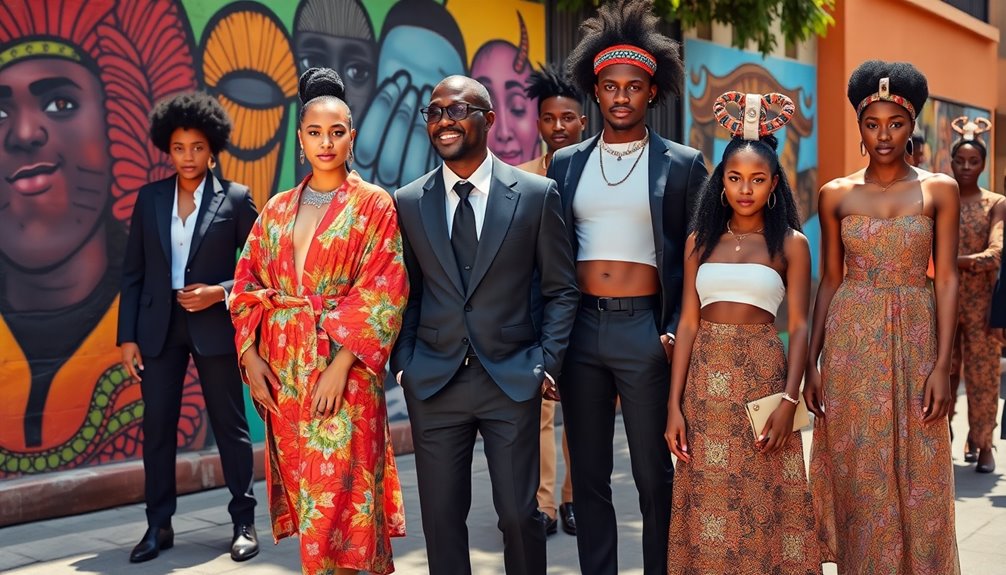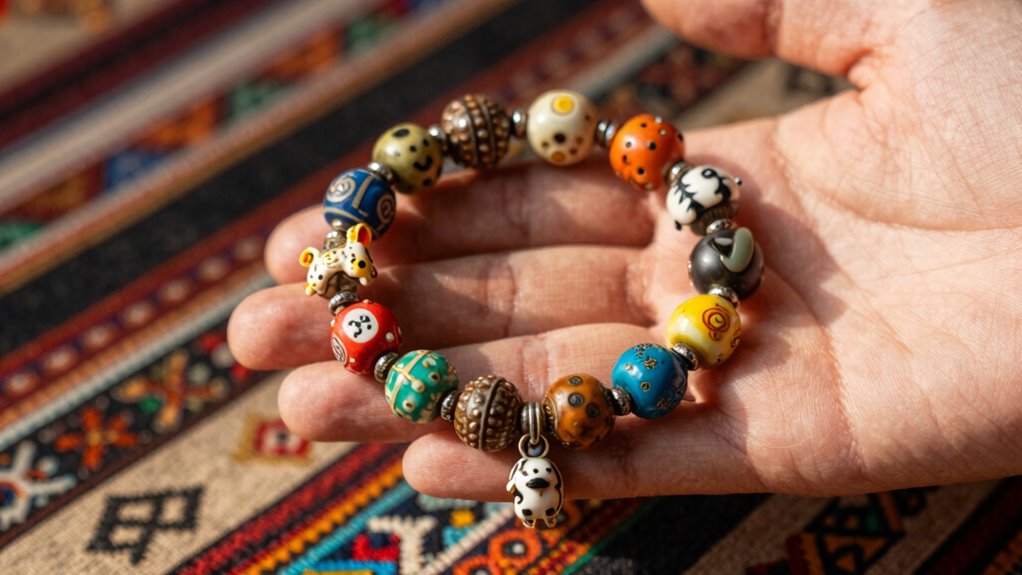
Cultural accessories often carry deeper meanings because they reflect your identity, beliefs, and social status. These items connect you to traditions, symbolism, and history that go beyond fashion, revealing your community’s values and your personal story. Whether worn for ceremonies or daily life, they serve as subtle communication tools that link you to ancestors and cultural origins. If you want to understand how these meaningful items shape personal and collective stories, there’s more to explore.
Key Takeaways
- Cultural accessories symbolize social status, spiritual beliefs, or community identity beyond their aesthetic appeal.
- Many originate from rituals or traditions, carrying historical and spiritual significance.
- They often denote social hierarchy, authority, or ceremonial roles within a culture.
- Craftsmanship and design reflect cultural identity, artistic heritage, and communal values.
- Wearing these items connects individuals to their collective history, beliefs, and personal or cultural stories.

Accessories are more than just fashion statements; in many cultures, they carry deep symbolic meanings and reflect identity, status, or beliefs. When you wear a necklace, a bracelet, or a headpiece, you’re often engaging with a history that stretches back generations. These items aren’t randomly chosen; they embody stories, traditions, and values that have been passed down. Their symbolic significance goes beyond aesthetic appeal, offering insight into cultural identity and social structures. For example, a particular color or design might signify a person’s social rank, spiritual beliefs, or belonging to a specific community. You might not realize it, but each accessory you wear can serve as a subtle communication tool—telling others about your heritage or personal journey without uttering a word.
Accessories reveal cultural stories and personal identity beyond mere fashion.
Understanding the historical context of these adornments helps deepen your appreciation for their importance. Many accessories originated in rituals, ceremonies, or as symbols of achievement. In some cultures, jewelry was used to mark milestones like coming of age, marriage, or leadership. For instance, ancient Egyptian amulets were believed to hold protective powers and connect the wearer to divine forces. Similarly, Native American beadwork often carries stories about tribes’ origins, values, or spiritual beliefs. When you wear or see these items, you’re engaging with centuries of tradition, each piece echoing a specific moment or meaning from the past. Recognizing this history gives each accessory a layered significance that surpasses superficial beauty. Additionally, certain accessories are reserved for specific occasions or social classes, which highlights the social hierarchy embedded in many cultural traditions. The craftsmanship involved in creating these pieces often reflects the cultural identity and artistic heritage of the community, further emphasizing their significance.
This layered symbolism is often reinforced through the design and craftsmanship of these accessories, which can convey complex messages about a community’s identity. You might notice that in different cultures, certain accessories are reserved for specific occasions or social classes. This exclusivity isn’t arbitrary; it reflects a complex social hierarchy and cultural norms. For example, royal crowns or ceremonial headdresses symbolize authority and high social status, often woven with symbols that convey divine right or ancestral lineage. Meanwhile, everyday jewelry can serve as a form of personal expression rooted in cultural roots. When you understand these distinctions, you begin to see accessories not just as decorative objects but as symbols that uphold cultural values and social order. The way accessories are used and valued can vary greatly, influenced by factors like technology or local traditions, which shape their significance over time.
In essence, the deeper meaning behind cultural accessories lies in their ability to connect individuals with their collective history, beliefs, and social fabric. They’re tangible links to the past, carriers of symbolism that continue to shape identity today. Recognizing their significance enriches your perspective, reminding you that what you wear can be a powerful expression of cultural pride and personal story—beyond mere fashion.
traditional cultural jewelry
As an affiliate, we earn on qualifying purchases.
As an affiliate, we earn on qualifying purchases.
Frequently Asked Questions
How Do Cultural Accessories Vary Between Regions?
You’ll notice regional symbolism and traditional craftsmanship shape cultural accessories differently across regions. In some areas, accessories feature specific symbols representing local beliefs or history, while others emphasize handcrafted details passed down through generations. These variations reflect local identity and values. When you explore regional accessories, you see how craftsmanship and symbolism intertwine, creating unique items that embody the cultural essence of each place.
Are Cultural Accessories Only Worn During Special Occasions?
You might be surprised to learn that over 60% of cultural accessories are worn beyond special occasions. You wear these items to honor their cultural significance, showcasing traditional symbolism in everyday life. Many communities incorporate accessories into daily attire to express identity, status, or beliefs. So, these pieces aren’t just for celebrations—they serve as constant reminders of cultural roots and personal stories, enriching your connection to your heritage.
How Do Cultural Accessories Influence Modern Fashion?
Cultural accessories influence modern fashion by adding layers of meaning through fashion symbolism, allowing you to express identity and heritage. You often see designers incorporate traditional patterns, symbols, or materials, blending heritage preservation with contemporary styles. This fusion not only celebrates cultural roots but also makes fashion more diverse and meaningful. Your choices can honor your background while shaping trends, creating a bridge between past and present.
Can Cultural Accessories Be Adapted for Contemporary Use?
Yes, you can adapt cultural accessories for contemporary use. You might incorporate their symbolic significance into modern styles, blending tradition with current trends. Understanding their historical evolution helps you respect their roots while making them relevant today. By thoughtfully integrating these accessories into your wardrobe, you preserve their cultural importance and create unique, meaningful fashion statements that honor tradition while embracing modern aesthetics.
What Are Common Misconceptions About Cultural Accessories?
You might think cultural accessories are just fashion, but they hold symbolic significance rooted in historical origins. A common misconception is that they’re mere decorations, but they often represent spiritual beliefs, social status, or identity. For example, a Native American feather headdress isn’t just a stylish piece but a symbol of respect and achievement. Recognizing these deeper meanings helps you appreciate their true cultural importance, beyond surface appearances.
symbolic ceremonial accessories
As an affiliate, we earn on qualifying purchases.
As an affiliate, we earn on qualifying purchases.
Conclusion
Your cultural accessories aren’t just adornments; they’re symbols of your identity, history, and values. Each piece carries a story, a connection to your ancestors, or a mark of belonging. When you wear them, you carry that deeper meaning with you—like a silent song of your heritage. Embrace these symbols, for they’re more than decorations—they’re the threads that weave your personal and cultural story into the fabric of time.
heritage tribal necklaces
As an affiliate, we earn on qualifying purchases.
As an affiliate, we earn on qualifying purchases.
cultural significance headpieces
As an affiliate, we earn on qualifying purchases.
As an affiliate, we earn on qualifying purchases.