
You see how regional dress inspires contemporary runway styling by blending traditional patterns, textiles, and symbolism with modern design techniques. Designers reinterpret motifs, incorporate indigenous fabrics, and experiment with new textures to tell cultural stories in fresh ways. Modern runways showcase this fusion, celebrating heritage while pushing creative boundaries. If you keep exploring, you’ll discover how these influences shape the future of fashion and deepen your understanding of cultural storytelling.
Listen free for 30 days with Audible
Thousands of audiobooks and originals — cancel anytime.
As an affiliate, we earn on qualifying purchases.
Key Takeaways
- Designers reinterpret traditional patterns and motifs using modern textiles and techniques to create innovative runway pieces.
- Cultural symbols from regional dress are integrated into contemporary silhouettes, adding narrative depth.
- Traditional fabrics are revitalized through digital printing and sustainable methods for modern fashion statements.
- Runway shows showcase cross-cultural influences, blending regional textiles with global fashion aesthetics.
- Incorporating regional dress elements promotes cultural storytelling and preserves heritage within modern collections.
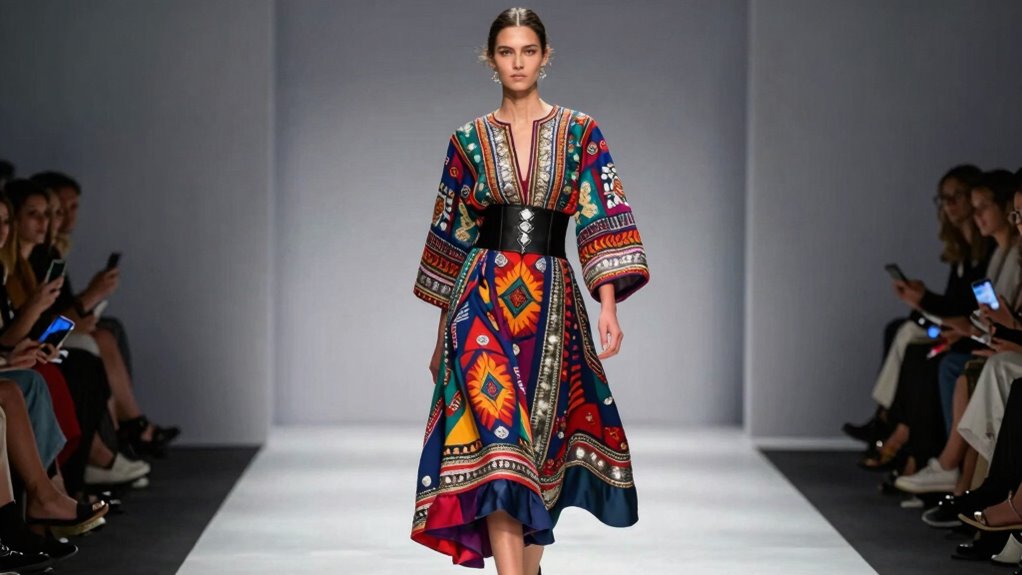
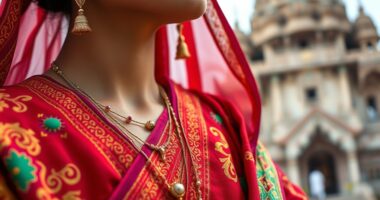
Regional dress has long served as a powerful expression of cultural identity, and today’s runway styles often draw inspiration from these traditional garments. When you see a designer incorporate elements from regional attire, you’re witnessing a blend of history, symbolism, and modern creativity. These garments carry deep cultural symbolism—patterns, colors, and textures that represent beliefs, social status, or regional heritage. For you as a viewer or designer, understanding these symbols adds richness to the fashion, transforming simple fabric into a narrative of identity and tradition. When designers reinterpret these elements for contemporary runways, they honor the cultural roots while pushing aesthetic boundaries, creating a dialogue between past and present.
Regional dress embodies cultural identity, inspiring modern fashion with symbolism, history, and innovative reinterpretations.
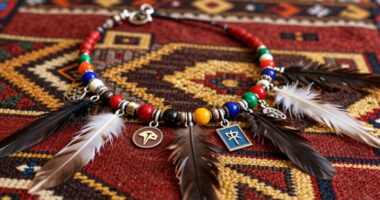
Textile innovation plays a central role in this process. Traditional fabrics like woven silks, embroidered cottons, or hand-dyed textiles are often reimagined with modern techniques, offering new textures and finishes that appeal to today’s fashion sensibilities. You might notice how traditional embroidery patterns are incorporated into sleek, minimalist silhouettes, or how indigenous textiles gain new life through innovative dyeing methods or sustainable fabrics. This fusion of old and new not only preserves cultural craftsmanship but also pushes the boundaries of textile development, making garments more versatile and accessible in the fashion world. Embracing textile innovation allows designers to explore new creative possibilities while honoring traditional techniques.
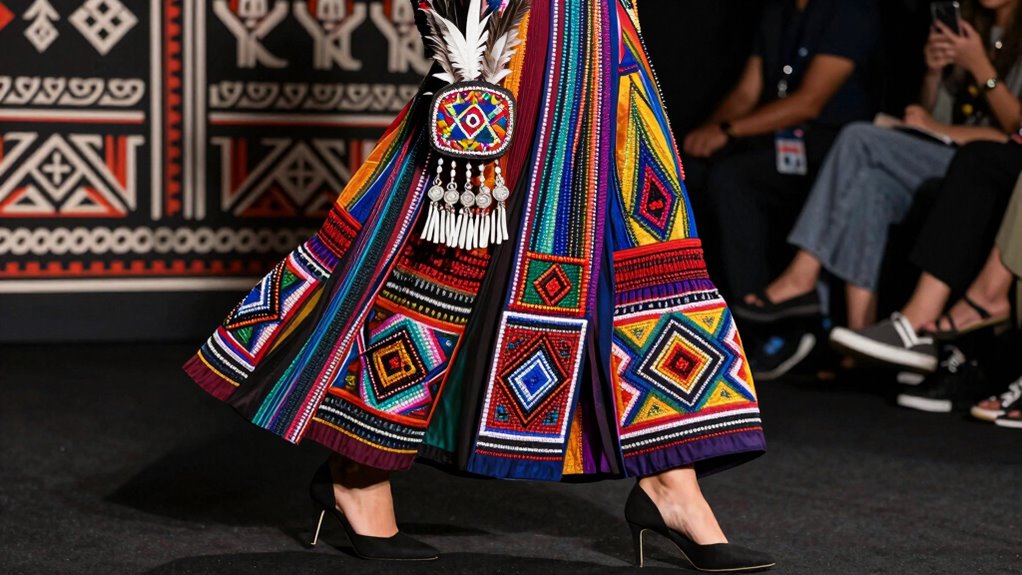
As you observe runway shows inspired by regional dress, you’ll see how designers use textile innovation to reinterpret classic motifs in fresh ways. They might experiment with digital printing to replicate intricate embroidery or employ advanced weaving technologies to create textiles that mimic handwoven textures. This approach allows them to celebrate cultural symbolism without sacrificing the modern aesthetic. For you, this fusion means fashion becomes a platform for storytelling—where tradition informs innovation, and innovation elevates tradition.
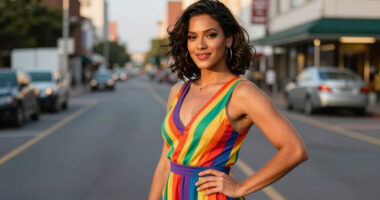
Furthermore, the influence of regional dress on runway styles encourages a broader appreciation for cultural diversity. When designers draw from specific regional garments, they invite audiences to explore different histories and identities through fashion. This cross-cultural exchange fosters respect and understanding, making runway shows more than just displays of style—they become a celebration of cultural richness. Whether it’s a bold African print or a delicate Southeast Asian textile, these elements serve as a bridge, connecting viewers to distant traditions while inspiring new trends.
In essence, regional dress acts as a wellspring of inspiration for modern fashion, blending cultural symbolism with textile innovation. It challenges you to see garments not only as aesthetic choices but as carriers of heritage and stories. Recognizing the cultural symbolism embedded in these textiles enhances appreciation for their significance and enriches the overall fashion narrative. This interplay enriches runway styles, ensuring that fashion remains a dynamic, meaningful form of cultural expression.
traditional textile fashion accessories
As an affiliate, we earn on qualifying purchases.
As an affiliate, we earn on qualifying purchases.
Frequently Asked Questions
How Do Designers Choose Which Regional Elements to Incorporate?
You choose regional elements based on their cultural symbolism and fabric significance, ensuring they resonate authentically. You research the history and meaning behind specific patterns, colors, and textiles, then select those that complement your design vision. By respecting these cultural elements, you create a meaningful fusion of tradition and modernity, making your runway styling both innovative and respectful of regional heritage.
Are There Cultural Sensitivities When Adapting Traditional Dress?
Yes, there are cultural sensitivities involved when adapting traditional dress. You should avoid cultural appropriation by respecting the origins and significance of the attire. Focus on respectful representation, ensuring you honor the culture’s history and meaning rather than simply copying aesthetic elements. Engage with cultural consultants or community members, and approach the design process with humility and awareness to celebrate diversity thoughtfully and authentically.
How Does Regional Dress Influence Global Fashion Trends?
Regional dress influences global fashion trends by showcasing cultural preservation and inspiring innovative designs. You see designers incorporate traditional patterns, fabrics, and silhouettes as a form of artistic expression, which adds richness and diversity to contemporary collections. This blending helps keep cultural identities alive while appealing to a global audience. By embracing regional dress, you contribute to celebrating heritage and fostering a deeper appreciation for diverse cultural expressions in the fashion industry.
What Challenges Arise in Modernizing Traditional Clothing?
You might think modernizing traditional clothing is straightforward, but it’s not. The biggest challenge is avoiding cultural appropriation while preserving authenticity. Designers often struggle to find a balance—adapting styles without stripping away their roots or offending communities. It’s ironic how blending tradition with innovation can sometimes lead to missteps, risking cultural insensitivity. Staying respectful and true to origins remains the toughest part of updating traditional attire for the runway.
How Do Regional Dress Inspirations Vary Across Different Fashion Capitals?
You’ll notice that regional dress inspirations differ across fashion capitals, reflecting their unique cultures and histories. In Paris, designers often blend traditional motifs with high fashion, emphasizing cultural preservation through fashion fusion. Meanwhile, Tokyo’s runway shows incorporate intricate patterns and fabrics from Asian heritage, celebrating regional identity. New York’s diverse scene showcases a mix of global influences, promoting both cultural preservation and innovative fashion fusion that pushes boundaries.
Conclusion
As you explore the fusion of regional dress with modern runway styles, remember how this blending echoes the timeless dance of tradition and innovation. Just like the phoenix rising from ashes, these inspired creations breathe new life into cultural heritage, reminding us that fashion is a powerful storyteller. Embrace this journey, where each stitch and silhouette whispers the stories of ancestors, inspiring future generations to honor and reinvent their roots with pride and creativity.
NFL season / tailgating Picks
team gear
As an affiliate, we earn on qualifying purchases.