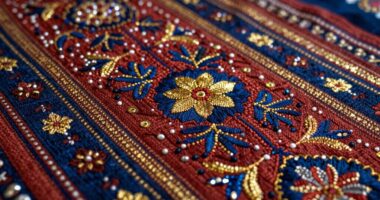

Respectful cultural fashion appreciation means understanding and honoring the significance of traditional garments. You should learn about their origins, cultural symbols, and appropriate ways to wear them. Support artisans and community-based brands, and avoid stereotypes or exoticization. Wear garments with dignity, recognizing their deep meaning and history. Approach fashion from a place of genuine curiosity and humility. If you keep exploring, you’ll discover even more ways to celebrate cultures thoughtfully and respectfully.

Get your wardrobe favorites delivered free with Prime
- Fast, free delivery on millions of items
- Prime Video, Amazon Music and more included
- Member-only deals all year
Key Takeaways
- Educate yourself on the cultural significance and history of the garments before wearing or displaying them.
- Purchase traditional clothing from artisans or community-established brands to support authentic craftsmanship.
- Wear cultural attire with dignity, respecting its symbolic meaning and appropriate occasions.
- Approach cultural fashion with humility, asking respectful questions and seeking guidance from community members.
- Avoid stereotypes or trivialization, emphasizing genuine appreciation and understanding of cultural contexts.
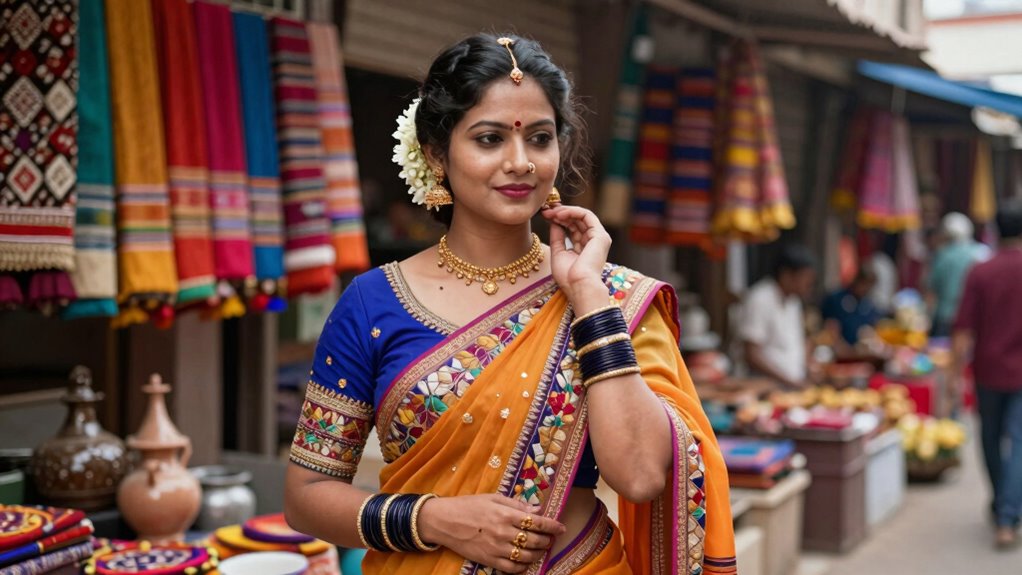
Have you ever wondered why certain clothing styles hold deep cultural significance? It’s because they often embody more than just fashion; they carry cultural symbolism that tells stories, preserves traditions, and honors identities. When you approach cultural fashion with respect, you acknowledge the history and meaning behind these garments rather than simply viewing them as trendy or decorative. Genuine appreciation involves understanding that these styles represent centuries of tradition and collective identity. Instead of appropriating, you seek to learn about what these clothes symbolize within their original communities. Floating on Water cultural expressions can serve as a form of storytelling that connects past and present, highlighting the importance of context and continuity. By doing so, you demonstrate that your interest is rooted in respect and admiration, not superficial curiosity.
Fashion authenticity is key to respectful cultural appreciation. It’s about recognizing the importance of wearing clothing that respects the origins and significance of the culture it comes from. This might mean purchasing garments directly from artisans or brands that are rooted in the community, rather than mass-market copies that dilute or distort their meaning. Authenticity also involves understanding how these garments are worn, the occasions they’re suited for, and the cultural protocols associated with them. When you do this, you avoid reducing complex traditions into mere fashion statements, instead honoring their true purpose and significance. Additionally, understanding the horsepower of traditional or modern wearable items can help you appreciate their functional significance. Recognizing the cultural symbolism involved deepens your understanding and ensures respectful engagement with the culture’s heritage.
Prioritize authentic garments and cultural understanding to honor their true meaning and significance.
Respectful cultural fashion appreciation also means avoiding stereotypes and caricatures. It’s tempting to adopt certain styles because they seem exotic or fashionable, but doing so can trivialize the culture and reinforce harmful misconceptions. Instead, focus on learning about the cultural context—what the clothing represents, who traditionally wears it, and what it signifies within their community. If you’re unsure, ask respectful questions or seek guidance from members of that culture. Showing genuine curiosity and humility demonstrates that you’re interested in understanding rather than appropriating. Remember that cultural representation should always be approached with sensitivity and a genuine desire to learn, rather than as a trend to be exploited.
Additionally, you should be mindful of how you present yourself when wearing cultural clothing. If you choose to wear a traditional garment, do so with dignity, and avoid pairing it with inappropriate accessories or styles that could diminish its meaning. Recognize that wearing such clothing is often a form of cultural expression that carries deep personal and communal significance. When you approach it with sincerity, it becomes an act of solidarity and respect. Respectful fashion appreciation isn’t just about looking good; it’s about honoring the stories behind the garments, supporting the communities that create them, and ensuring that cultural symbolism is preserved with dignity. Recognizing cultural symbolism helps deepen your understanding and appreciation of the significance behind the clothing.
traditional cultural clothing from [specific culture]
As an affiliate, we earn on qualifying purchases.
As an affiliate, we earn on qualifying purchases.
Frequently Asked Questions
How Can I Tell if a Cultural Piece Is Appropriate to Wear?
You can tell if a cultural piece is appropriate by researching its cultural symbolism and significance. Respectful fashion authenticity means understanding the meaning behind symbols and avoiding stereotypes or misrepresentations. Ask yourself if you’re honoring the culture or just appropriating it. When in doubt, consult with cultural representatives or experts. If your intention is genuine and you educate yourself, you’re more likely to wear cultural pieces respectfully and authentically.
What Are Common Mistakes to Avoid When Embracing Cultural Fashion?
Be careful not to fall into cultural appropriation or reinforce stereotypes. Avoid using sacred symbols or traditional attire out of context, as it shows disrespect and ignorance. Don’t assume you understand a culture’s meaning without proper research, and steer clear of exaggerated or offensive costumes. Instead, embrace genuine appreciation by learning about the history and significance behind the fashion, showing respect rather than trivializing cultural identities.
How Do I Learn About the Significance Behind Cultural Attire?
You can learn about the significance behind cultural attire by researching its cultural symbolism and traditional craftsmanship. Start by reading books, articles, or watching documentaries that explore the history and meaning of the clothing. Talk to community members or cultural experts who can share firsthand insights, and attend cultural events or exhibitions. This approach helps you gain a respectful understanding of the attire’s importance, ensuring your appreciation honors its true significance.
Can I Wear Cultural Fashion as a Tourist Without Offending?
Yes, you can wear cultural fashion as a tourist, but you need to follow fashion etiquette and cultural sensitivity. Research the significance of the attire beforehand, and avoid stereotypes or caricatures. Wear it with respect, understanding its meaning, and avoid revealing or inappropriate styles. By doing so, you show appreciation without offending, honoring the culture’s traditions and fostering respectful cultural exchange.
What Are Respectful Ways to Ask About Cultural Clothing?
You can ask about cultural clothing respectfully by showing genuine interest and practicing cultural sensitivity. Approach locals or guides with polite questions like, “Could you tell me about the significance of this attire?” or “May I learn about the fashion etiquette associated with this clothing?” Always listen carefully, avoid assumptions, and thank them for sharing. This way, you demonstrate respect, foster understanding, and honor cultural traditions.
Conclusion
By embracing respectful cultural fashion appreciation, you honor traditions without appropriating them. Remember, over 60% of people believe that understanding and respecting cultural origins enhances meaningful connections. When you educate yourself and choose garments thoughtfully, you help preserve cultural identities and promote genuine respect. So, always approach cultural fashion with curiosity and humility—it’s a small step that fosters greater understanding and appreciation across diverse communities.
Evergreen bestsellers Picks
bestsellers
As an affiliate, we earn on qualifying purchases.