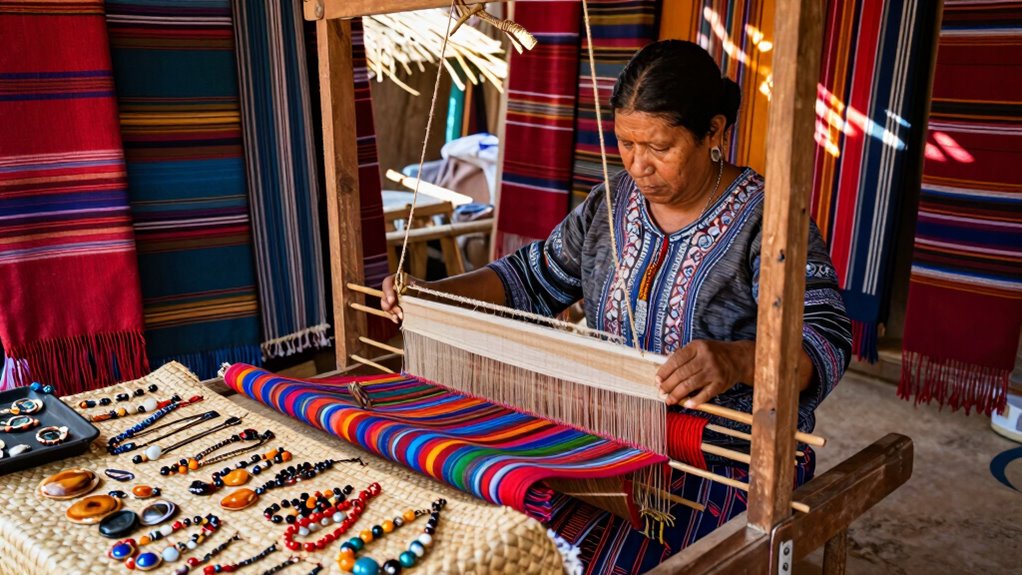

You can learn from local artisan communities how to create fashion that’s sustainable, authentic, and culturally rich. These artisans focus on responsible sourcing, preserving traditional techniques, and supporting local economies. By embracing their craftsmanship, you help guarantee environmental protection and cultural preservation. Their practices challenge fast fashion and promote ethical, meaningful products. If you want to discover how these ancient skills can inspire a more conscious industry, keep exploring how their work can transform your perspective.
Open a free Amazon Business account
Business pricing, bulk buying and tax-exempt orders.
As an affiliate, we earn on qualifying purchases.
Key Takeaways
- Embrace sustainable sourcing practices that prioritize environmental responsibility and resource conservation.
- Preserve and incorporate traditional artisan techniques to maintain cultural heritage and authenticity.
- Foster community empowerment through fair wages and ethical working conditions for artisans.
- Align with consumer trends valuing ethical, handcrafted, and culturally rich fashion products.
- Use fashion as a vehicle for positive social and environmental change by supporting local craftsmanship.
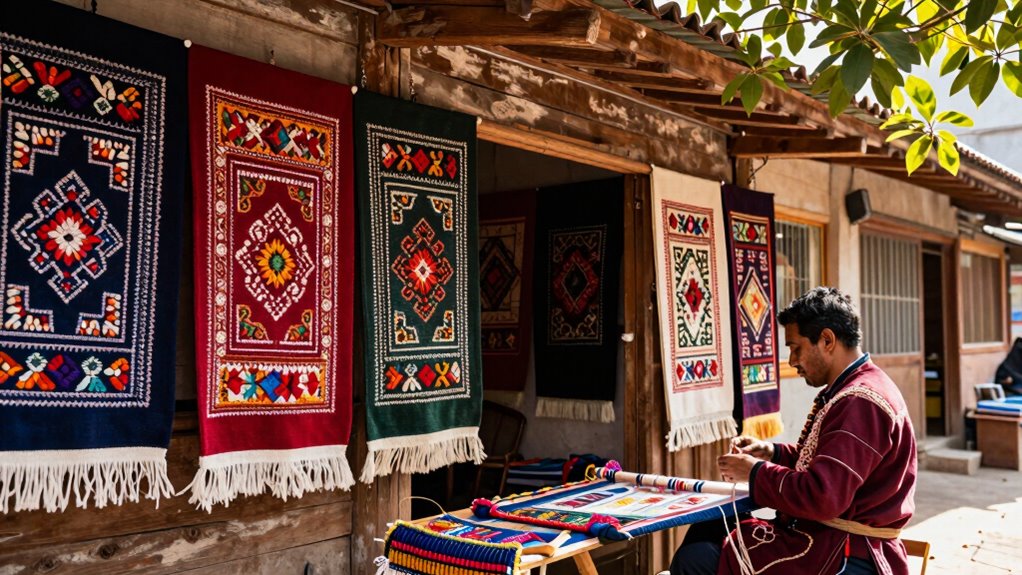
Fashion has increasingly become a powerful platform for supporting and elevating local artisan communities. As you look at the industry today, you realize that there’s much to learn from these communities—especially when it comes to sustainable sourcing and cultural preservation. Local artisans have long mastered the art of sourcing raw materials responsibly, guaranteeing that their crafts don’t deplete natural resources or harm the environment. By embracing these sustainable practices, you can help shift the fashion industry away from fast, disposable trends toward more mindful consumption. When you prioritize sustainable sourcing, you’re not just reducing environmental impact; you’re also supporting local economies and encouraging ethical production methods. This approach fosters a more transparent supply chain, one that values quality over quantity and respects the planet’s resources.
Prioritize sustainable sourcing to support local economies and foster transparent, eco-friendly fashion practices.
Cultural preservation is another essential lesson that fashion can learn from local artisans. These communities have preserved their traditions, techniques, and stories through generations, often passing down intricate skills that are deeply tied to their identities. When you incorporate authentic artisan crafts into your designs, you’re helping keep these cultural practices alive. It’s about more than just aesthetics; it’s about respecting and celebrating diverse heritages. By valuing craftsmanship and traditional methods, you ensure that these cultural expressions aren’t lost to homogenization or modernization. Supporting artisans who maintain these practices helps create a dialogue between the past and the present, enriching the fashion landscape with genuine diversity and depth.
Furthermore, you can see that collaborating with local artisans fosters a sense of community and empowerment. It challenges the fast-paced, mass-produced nature of mainstream fashion, which often neglects the human stories behind each piece. When you choose to work with artisans, you’re advocating for fair wages, ethical working conditions, and the recognition of their skill and artistry. This shift encourages a more conscious consumer mindset, where people value craftsmanship and story over mere trendiness. As you integrate these principles, you contribute to a more sustainable and culturally rich industry—one that respects both the environment and the people behind every stitch and pattern.
Additionally, adopting sustainable sourcing practices can be supported by understanding market trends and consumer preferences, which increasingly favor ethically-made products.
Ultimately, fashion has the potential to be a force for positive change. By learning from local artisan communities—particularly their emphasis on sustainable sourcing and cultural preservation—you can help transform the industry into one that’s more ethical, authentic, and resilient. It’s about making conscious choices that honor tradition, protect our planet, and support the artisans who keep these unique crafts alive.
As an affiliate, we earn on qualifying purchases.
Frequently Asked Questions
How Can Brands Ensure Ethical Collaborations With Artisans?
To guarantee ethical collaborations with artisans, you should prioritize Fair Trade practices and Transparent Sourcing. Engage directly with local communities, pay fair wages, and respect cultural traditions. Make sure your supply chain is transparent, so you can track and verify ethical standards at every step. Building long-term relationships with artisans fosters trust and sustainability, ensuring your brand supports their livelihoods while delivering authentic, ethically-made products to consumers.
What Challenges Do Local Artisans Face in Global Markets?
You face challenges like limited market accessibility, which affects 85% of artisans worldwide. This restricts your ability to reach broader audiences and sustain your craft. Additionally, balancing cultural preservation with market demands can be tough, risking the dilution of your traditions. These hurdles hinder your growth in global markets, making it harder to thrive while maintaining authenticity. Overcoming these issues requires supportive platforms that value your cultural heritage and expand your reach.
How Does Supporting Artisans Impact Local Economies?
Supporting artisans boosts local economies by promoting sustainable sourcing and community empowerment. When you buy their handcrafted products, you help create jobs, increase income, and sustain traditional skills. This support encourages local entrepreneurship and keeps cultural heritage alive. By valuing their work, you foster economic resilience and social well-being. Your choices directly contribute to strengthening communities, ensuring that local artisans thrive in a global market while preserving their unique traditions.
What Are Effective Ways to Preserve Traditional Craft Techniques?
To maintain traditional craft techniques, you should support local artisans directly through sustainable purchasing and collaborations. For example, partnering with artisans in Guatemala to keep weaving traditions alive not only sustains their craftsmanship but also promotes cultural heritage. Offering training programs and sharing knowledge helps guarantee craftsmanship preservation. Documenting these techniques through videos or workshops also helps pass down skills, keeping these vibrant traditions alive for future generations.
How Can Consumers Identify Genuine Artisan-Made Products?
To identify genuine artisan-made products, look for Authentic Certification and Transparent Sourcing labels. These indicators show the item’s origin and verify it’s crafted by local artisans, not mass-produced. You can also ask sellers about their sourcing practices and demand detailed information on the craft’s origin. By being attentive to these signs, you guarantee your purchase supports authentic artisans and preserves traditional techniques.
Conclusion
By embracing local artisans, you open a treasure chest of stories woven into every thread. Their craftsmanship is like a vibrant tapestry, bursting with culture and history, waiting to be shared with the world. When you choose their creations, you’re not just wearing fashion—you’re wrapping yourself in a rich, living legacy. Let their artistry remind you that true style is rooted in community, authenticity, and the beautiful chaos of handmade craft.
NFL season / tailgating Picks
team gear
As an affiliate, we earn on qualifying purchases.