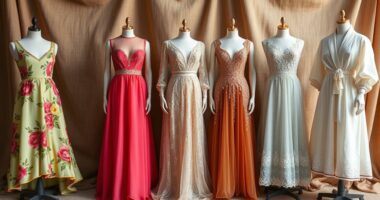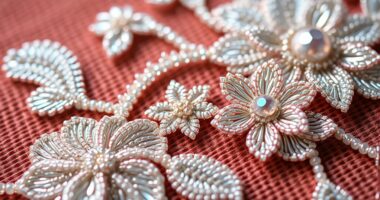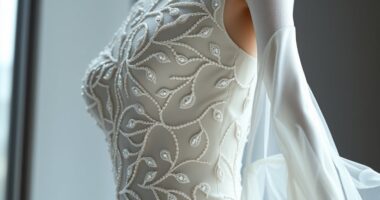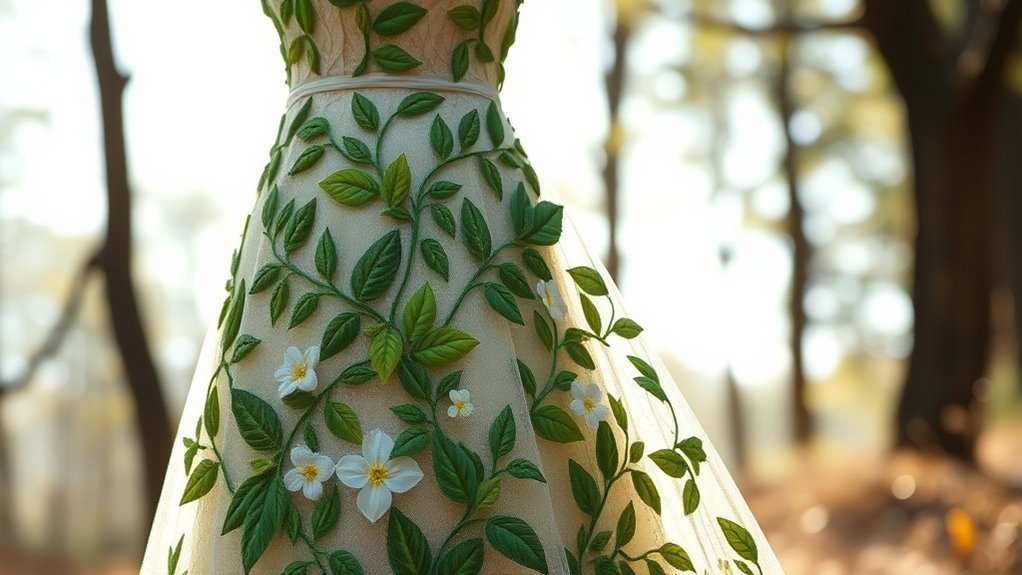

Yes, haute couture can absolutely be green. Many luxury brands are now adopting eco-friendly materials, ethical craftsmanship, and transparent practices to reduce their environmental impact. They’re using recycled fabrics, biodegradable dyes, and zero-waste patterns while supporting local artisans and fair labor. This shift proves that glamour and sustainability can go hand in hand. If you want to discover how these innovative approaches are transforming high fashion, keep exploring the future of sustainable couture.
Key Takeaways
- Haute couture brands are increasingly adopting eco-friendly materials and sustainable production techniques to reduce environmental impact.
- Ethical craftsmanship in haute couture emphasizes fair labor practices, supporting local artisans and traditional techniques.
- Transparency and certifications help identify genuine sustainable initiatives within luxury fashion houses.
- Sustainable haute couture integrates eco initiatives into design and production, demonstrating that luxury can be environmentally responsible.
- Consumer demand and industry shifts are driving haute couture brands to prioritize sustainability as a core value.
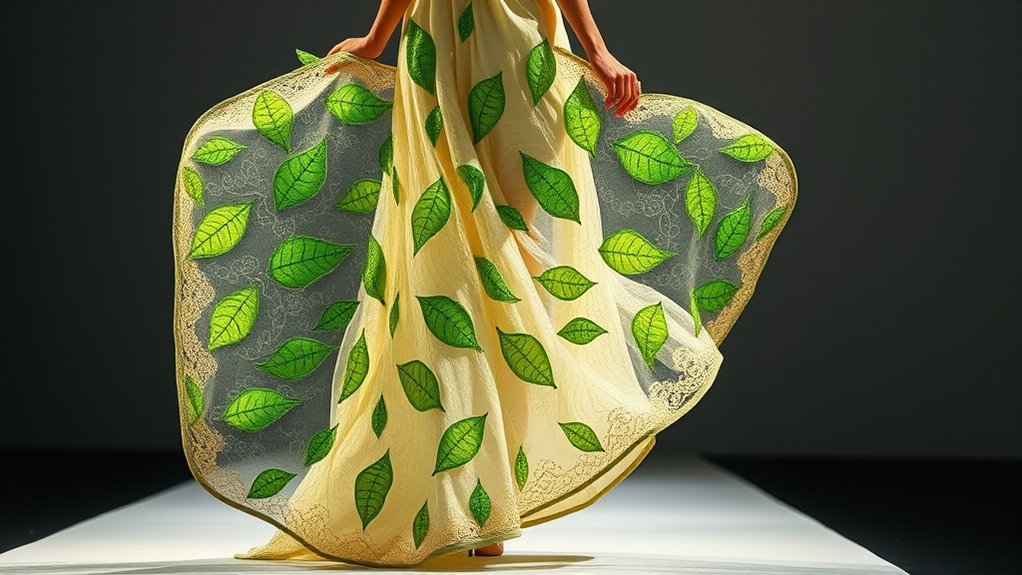
Have you ever wondered if luxury fashion can truly be sustainable? It’s a question many fashion enthusiasts like you ponder as the industry faces increasing pressure to reduce its environmental footprint. Today, luxury brands are stepping up with innovative strategies, integrating luxury eco initiatives that aim to balance opulence with responsibility. These initiatives include sourcing sustainable materials, minimizing waste, and embracing eco-friendly production processes. When you see a designer label promoting sustainable practices, it’s often a sign they’re committed to more than just aesthetics—they’re dedicated to making a positive impact. This shift toward eco-consciousness isn’t just about marketing; it’s about genuine change rooted in ethical craftsmanship. Ethical craftsmanship means more than just creating beautiful pieces; it involves ensuring fair labor practices, supporting local artisans, and using environmentally sound techniques. When you purchase from brands emphasizing ethical craftsmanship, you’re supporting artisans who are paid fairly and work in humane conditions, which is a vital aspect of sustainable luxury. These brands often collaborate with local communities, preserving traditional techniques while reducing the carbon footprint associated with mass production. You might be surprised at how many luxury houses now incorporate recycled fabrics, biodegradable dyes, and zero-waste patterns into their collections. These efforts highlight their dedication to reducing environmental harm without sacrificing quality or style. It’s a delicate balance, but many designers see sustainability as integral to their creative process, not just an afterthought. As a consumer, you can recognize authentic luxury eco initiatives by researching a brand’s supply chain and production methods. Genuine efforts often include transparency reports, certifications, and partnerships with environmental organizations. When you choose brands committed to ethical craftsmanship, you contribute to a movement that values durability over disposability, quality over quantity. This shift encourages a new kind of luxury—one that’s conscious and considerate. Every purchase becomes an act of support for sustainability, pushing the industry closer to eco-friendly practices. While it may seem challenging for haute couture to be truly green, many brands are proving it’s possible by integrating sustainability into their core values. So, as you explore your next luxury purchase, consider how brands are embracing these eco initiatives and ethical practices. Your choices can help shape a future where haute couture and environmental responsibility go hand in hand, making true luxury a force for good. Additionally, incorporating sustainable materials is a key strategy many brands are adopting to reduce their environmental impact.

Loom and Mill 9-Piece Jacquard Comforter Set Queen, Royal Elegant Damask Design Comforter Sets, Luxury Bedding Set with Bed Skirt, Euro Shams, Decorative Pillows, All Season(Gray+Beige Brown, Queen)
TIMELESS ELEGANT BEDDING SET: Our luxurious 9-piece jacquard comforter set boasts an exquisite and elegant appearance. The classic...
As an affiliate, we earn on qualifying purchases.
Frequently Asked Questions
How Do Luxury Brands Measure Sustainability Success?
You measure sustainability success by evaluating luxury transparency and brand accountability. You look at how openly brands share their environmental and social impacts, and whether they meet their sustainability goals. Tracking eco-friendly materials, ethical labor practices, and carbon footprint reduction helps you gauge progress. When brands are honest and responsible, you see real advancements. This approach guarantees you support luxury that truly cares about sustainability, making a positive difference in the fashion industry.
What Are the Costs of Eco-Friendly Couture?
The costs of eco-friendly couture include higher expenses for eco friendly materials and ethical sourcing, which often require more sustainable, transparent supply chains. You’ll find that these fabrics and ethically sourced components tend to be pricier, and production processes may demand more time and labor. While these costs impact your budget, they also guarantee you support sustainability and ethical practices, making your couture choices more responsible and impactful.
Can Sustainable Fashion Meet Haute Couture Standards?
Yes, sustainable fashion can meet haute couture standards. You can embrace eco-conscious craftsmanship and ethical luxury by choosing designers who prioritize sustainable materials and innovative techniques. This approach proves that high fashion and environmental responsibility aren’t mutually exclusive. When you support brands committed to these values, you’re helping to elevate sustainable practices to the level of true haute couture, making luxury both beautiful and ethically sound.
How Do Consumers Influence Sustainable Couture Practices?
Your consumer awareness plays a vital role in shaping sustainable couture practices. When you prioritize ethical sourcing and make informed choices, you push designers and brands to adopt more sustainable methods. By demanding transparency and eco-friendly materials, you encourage the industry to innovate and reduce its environmental impact. Your conscious purchasing habits directly influence the shift toward greener, more ethical haute couture, making sustainability an integral part of high fashion.
What Innovations Are Shaping Green Haute Couture?
Oh, you thought haute couture was just about opulence? Think again! Innovations like eco-friendly fabrics and circular design are transforming the scene. You’re now part of a movement where designers reuse materials and craft timeless pieces that don’t harm the planet. By embracing these trends, you help push the industry toward sustainability, proving that luxury and environmental responsibility can indeed go hand in hand.

Juicy Couture White Amelie Velvet Bows Ruched Queen/Full Comforter Set - 3 Piece Stylish Bedding Ensemble
Complete Bedding Set: Includes (1) 90"x90" comforter and (2) 20"x26" pillow shams for a fully coordinated look.
As an affiliate, we earn on qualifying purchases.
Conclusion
So, as you explore the world of couture, remember that change starts with you. Embracing sustainable practices isn’t just a trend—it’s a necessity for the future of fashion. Every small step you take can make a big difference. Don’t wait for others to lead; be the early bird that catches the worm. By supporting green haute couture, you’re helping to turn the tide toward a more stylish and sustainable world.

Madison Park Essentials Brystol 24 Piece Room in a Bag Faux Silk Comforter Jacquard Paisley Design Matching Curtains Down Alternative Hypoallergenic All Season Bedding-Set, King (104 in x 92 in), Teal
STYLE - Modern traditional elegant style cozy comforter set, so you can update your bedroom decor with a...
As an affiliate, we earn on qualifying purchases.

EverGrace Velvet Quilt Set King Size, Luxurious Soft Striped Channel Bedding Set, Lightweight Velvet Comforter for All Season, Oversized Bedspread Coverlet with 2 Matching Shams, Beige Taupe
TIMELESS QUILT - Elevate your bedroom with our channel velvet quilt set. The intentional shimmer on the unique...
As an affiliate, we earn on qualifying purchases.