
Miniature doll collections have a rich history rooted in craftsmanship, cultural expression, and societal values. Originally, these tiny figures reflected fashion, artistry, and social status, evolving with mass production techniques to make them more accessible. Today, there’s a revival as enthusiasts appreciate their historical significance and artistic beauty. Collecting these tiny treasures connects you to past eras and traditions, and if you explore further, you’ll discover even more about their fascinating origins and ongoing cultural influence.

Get your wardrobe favorites delivered free — and shop member deals
- Fast, free delivery on millions of items
- Access to Prime Big Deal Days deals on October 6–7
- Prime Video, Amazon Music and more included
Key Takeaways
- Historically, dolls reflected societal values, fashion, and craftsmanship, serving as practical, artistic, or cultural objects.
- Vintage dolls showcase detailed craftsmanship and cultural significance, making them valuable collectibles and historical artifacts.
- Collector communities organize events and forums, promoting sharing, restoration, and appreciation of miniature doll history.
- The revival of interest in vintage and handcrafted dolls blends traditional techniques with modern manufacturing, boosting collecting hobbies.
- Miniature dolls provide cultural insights, connecting enthusiasts to different eras while emphasizing artistic beauty and craftsmanship.
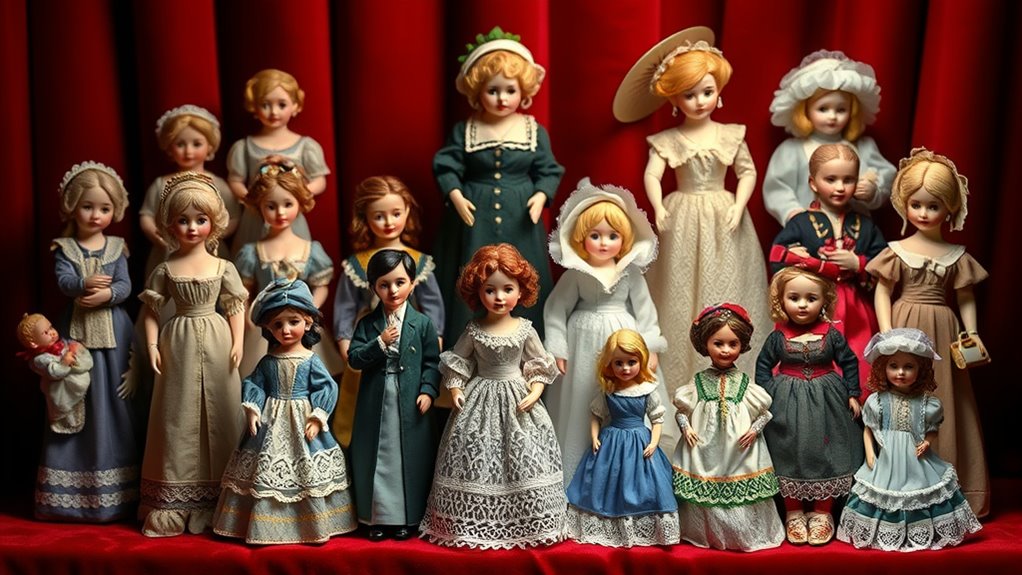
Have you ever wondered why miniature doll collections captivate so many enthusiasts? It’s a question that taps into a blend of nostalgia, craftsmanship, and community. Historically, doll manufacturing played a significant role in shaping these collections, as artisans created tiny figures that served practical, artistic, or cultural purposes. These miniatures weren’t just toys; they were symbols of societal values, fashion, and craftsmanship. Over the centuries, collector communities have formed around these tiny treasures, sharing tips, trading pieces, and celebrating the artistry behind each doll. Today, this revival is driven by both a desire to connect with history and an appreciation for the meticulous work involved in creating these miniature marvels.
When you explore the world of miniature doll collections, you find that the roots run deep. In earlier centuries, doll manufacturing was often a cottage industry, with skilled artisans handcrafting dolls for different social classes and markets. Wealthy families might have owned elaborate porcelain dolls dressed in fine fabrics, while simpler wooden or cloth dolls served as toys for children. These dolls often reflected the fashion and cultural norms of their time, making them valuable historical artifacts. Over time, the art of doll making evolved, with mass production techniques making miniature dolls more accessible to a broader audience. Still, many collectors appreciate the craftsmanship and individual detail that went into each piece, especially vintage dolls that tell stories of their era.
Today, collector communities have become vibrant hubs for enthusiasts. Whether you’re just starting or you’ve been collecting for years, these groups offer a sense of belonging. They organize fairs, online forums, and exhibitions where members share their latest finds, restoration techniques, and insights into doll manufacturing history. These communities foster a deep appreciation for the artistry behind each miniature doll, emphasizing the skill and dedication involved in their creation. The revival of interest in vintage and handcrafted dolls has also sparked new generations to explore this hobby, blending traditional techniques with modern innovations.
You’ll find that the appeal of miniature doll collections lies in their ability to connect you to the past while encouraging creativity and shared passion. The stories behind each doll, the craftsmanship involved, and the camaraderie among collector communities all contribute to their enduring charm. Whether you’re drawn by their historical significance or their artistic beauty, these tiny dolls offer a fascinating window into different eras and cultures. As you immerse yourself further, you’ll discover that collecting miniature dolls isn’t just about possession; it’s about appreciating a craft that has thrived for centuries and continues to inspire today. Exploring doll manufacturing techniques can deepen your understanding of their cultural and artistic value.
vintage miniature doll collection
As an affiliate, we earn on qualifying purchases.
As an affiliate, we earn on qualifying purchases.
Frequently Asked Questions
What Materials Are Typically Used in Antique Miniature Doll Collections?
You’ll find that antique miniature doll collections are typically made from materials like porcelain, wax, and dollhouse wood, which enhance material authenticity. These materials not only give the dolls a genuine feel but also boost their collectible value. You should pay attention to original craftsmanship, as well-preserved materials, to guarantee the dolls remain authentic and valuable. Proper care and understanding of these materials help you appreciate their historical significance and worth.
How Do Collectors Authenticate Vintage Miniature Dolls?
You can authenticate vintage miniature dolls by focusing on miniature doll identification and using authenticity verification techniques. Examine the doll’s materials, craftsmanship, and markings closely for signs of age and originality. Research known manufacturers and styles, compare their details, and look for consistent wear or patina. Consulting experts or using specialized tools can further confirm authenticity, helping you confidently distinguish genuine vintage miniature dolls from reproductions or fakes.
Are There Specific Periods Known for Rare Miniature Doll Styles?
Think of certain miniature doll styles as hidden treasures in a chest of fashion history. You’ll find that the Victorian era, with its intricate details, is highly sought after, while the Art Deco period showcases bold, geometric designs. These styles often carry cultural symbolism, reflecting the values and aesthetics of their time. Recognizing these periods helps you spot rare pieces, making your collection a true window into history’s fashionable soul.
How Has Digital Technology Impacted Miniature Doll Collecting?
Digital technology has transformed miniature doll collecting by enabling digital restoration, which enhances the details and preserves delicate pieces. You can now explore virtual exhibitions from anywhere, making the hobby more accessible and engaging. These innovations allow you to appreciate miniature dolls in new ways, connect with a global community, and safeguard your collection’s history for future generations. Digital tools truly revolutionize how you enjoy and preserve this intricate craft.
What Are Common Preservation Techniques for Fragile Miniature Dolls?
They say a stitch in time saves nine, and that’s true for fragile miniature dolls. To preserve them, you should use gentle cleaning and proper storage, avoiding direct sunlight and humidity. Restoration methods like careful repairs and stabilizing fragile parts help maintain their integrity. When displaying, choose display techniques that protect, like glass cases or padded mounts, so your dolls stay beautiful and undamaged for years to come.
Conclusion
You might find it fascinating that miniature doll collections once served more than just decorative purposes—they were believed to foster social cohesion and preserve cultural identity. While some argue their primary role was entertainment, evidence suggests they also acted as symbolic tools for education and community bonding. So, as you revive your collection, remember you’re connecting with a tradition rooted in history’s belief that small figures hold significant societal meaning.
Fall Picks
fall essentials
As an affiliate, we earn on qualifying purchases.