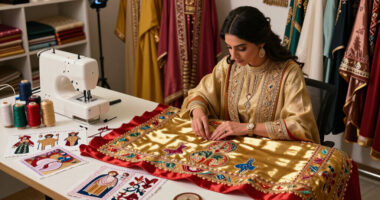

Creating a toile garment is essential because it acts as an accurate prototype, allowing you to identify fit issues early before working with the final fabric. It helps you make precise adjustments to details like darts, sleeve length, and overall silhouette, saving time and reducing costly mistakes. A well-fitted toile ensures your finished piece looks and feels just right. Discover how this step sets the foundation for a flawless, bespoke garment.

Get your wardrobe favorites delivered free — and shop member deals
- Fast, free delivery on millions of items
- Access to Prime Big Deal Days deals on October 6–7
- Prime Video, Amazon Music and more included
Key Takeaways
- Toile garments accurately mimic final fabric weight, drape, and texture, ensuring precise fitting and aesthetic preview.
- They allow early identification and correction of fit issues, reducing costly adjustments later.
- Well-fitted toiles reveal how the garment interacts with the body, guiding necessary tweaks for comfort and style.
- Fitting toiles focus on fine details like sleeve length and dart placement, improving overall garment quality.
- The fitting stage establishes a strong foundation, preventing errors and ensuring the final piece aligns with initial design expectations.

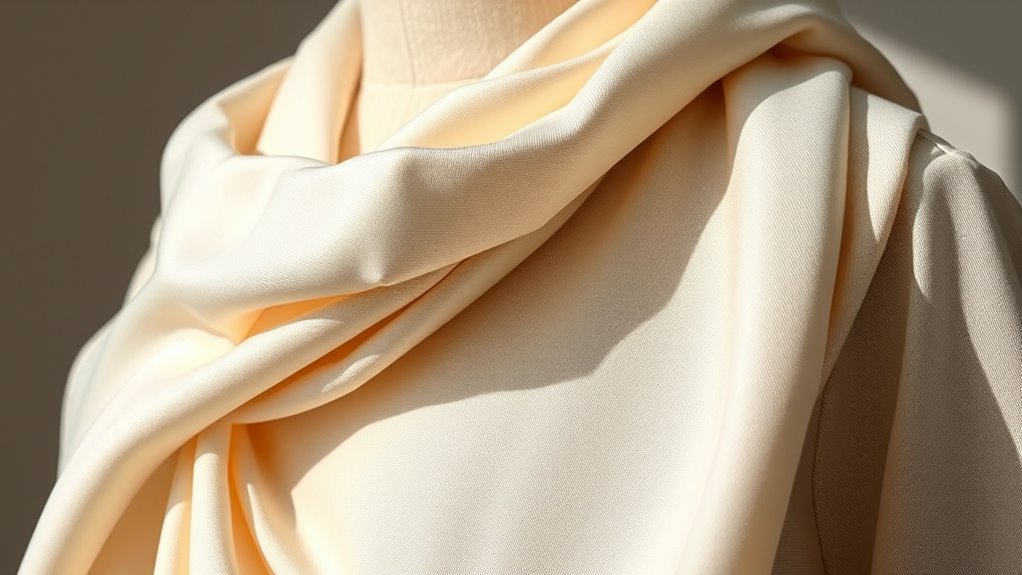
When creating custom garments, client fittings are a essential step that can’t be overlooked. These fittings serve as the foundation for ensuring your finished piece fits perfectly and meets your expectations. One of the key aspects of a successful fitting is fabric selection. You want to choose a fabric that closely mimics the weight, drape, and texture of the final material to be used. This way, the toile garment provides an accurate preview of how the finished piece will look and feel. If the fabric isn’t similar enough, you risk ending up with surprises once the actual fabric is used, which could alter the fit or appearance. Selecting the right fabric for your toile ensures that the fitting process is as precise as possible, reducing the need for excessive adjustments later on.
Fitting accuracy is essential because it directly impacts the overall quality of your custom garment. When you get measured and try on the toile, you’re able to identify areas that need adjustment—be it the shoulders, waist, darts, or sleeves. A well-fitting toile acts as a blueprint, revealing how the garment interacts with your body. It’s an opportunity to catch issues early before committing to the final fabric, saving you both time and money. During fitting sessions, you or your tailor can make small tweaks to the toile, ensuring contours and proportions align perfectly with your body shape. This iterative process helps eliminate guesswork, allowing you to see exactly how the finished garment will fit and feel.
The importance of fitting accuracy also extends to the finer details that can often be overlooked, like the length of sleeves or the position of darts. A proper toile fitting guides adjustments that improve comfort and aesthetics, making sure the final piece isn’t just well-made but also flattering and comfortable. By focusing on fabric selection and accuracy during fittings, you establish a solid foundation for the entire garment-making process. It’s a critical step that guarantees your custom piece will fit seamlessly and look impeccable when completed. Skipping this stage or rushing through it can lead to costly rework or dissatisfaction with the final product. Ultimately, investing time in proper toile fittings ensures your custom garment will be as perfect as you imagined, reflecting both your style and the craftsmanship involved.
As an affiliate, we earn on qualifying purchases.
Frequently Asked Questions
How Do Toile Garments Impact Overall Production Timelines?
Toile garments considerably impact your overall production timelines by allowing you to identify fit issues early, saving time on revisions later. Fabric testing guarantees the toile matches fabric behavior, improving fitting precision. When you use well-constructed toiles, you catch design flaws sooner, reducing delays. This proactive approach streamlines your process, ultimately helping you meet deadlines more efficiently and deliver a polished final product that meets client expectations.
What Materials Are Best Suited for Toile Garments?
For toile garments, choosing the right fabric selection is essential. You want materials that offer good material durability, so your mock-ups hold up during fittings. Cotton muslin is a popular choice because it’s affordable, easy to sew, and provides a true representation of the final fabric. Linen or lightweight cotton blends also work well, giving you a better feel of the final garment’s fit without sacrificing durability.
How Often Should Toile Fittings Be Scheduled During Production?
You should schedule toile fittings regularly during production, typically every 1 to 2 weeks, to guarantee proper fit and construction. Fitting frequency depends on the complexity of the design and any schedule adjustments needed. Keep a consistent schedule to catch issues early, allowing for timely modifications. This proactive approach helps avoid costly delays and ensures the final garment meets your quality standards.
What Are Common Issues Identified During Toile Fittings?
Did you know that over 60% of toile fitting issues relate to fabric tension and seam placement? During fittings, you might notice fabric pulling or sagging, indicating tension problems, or seams misaligned, affecting fit and appearance. These common issues help you identify areas needing adjustment early on, saving time and costs. Addressing fabric tension and proper seam placement guarantees your final garment fits perfectly and looks professional.
How Can Client Feedback Improve Toile Garment Quality?
Your client feedback is vital in improving toile garment quality. By listening to their insights, you can refine design iterations and make necessary adjustments early on. Their input helps you select better fabrics and perfect fit, ensuring the final product meets expectations. Actively incorporating feedback allows you to catch issues early, saving time and resources, and ultimately creates a more successful, well-crafted garment that aligns with your client’s vision.
Conclusion
Think of toile fittings as the artist’s sketch before the masterpiece. They’re your chance to sculpt every curve and contour, turning fabric into a second skin. Skipping this step is like building a house without a blueprint—risky and unpredictable. Embrace the process, and watch your vision come alive with precision and grace. When you invest in fittings, you’re planting seeds for a garment that fits like it was made just for you, because it truly is.
Fall Picks
fall essentials
As an affiliate, we earn on qualifying purchases.