
Ceremonies are central to shaping and expressing your cultural style traditions, serving as meaningful rituals that connect you to your community’s history and shared values. Through attire, actions, and symbols, ceremonies help you celebrate, preserve, and pass down important beliefs and stories. They foster pride and unity, making your cultural identity visible and alive. If you want to discover more about how these traditions keep cultures vibrant, keep exploring this fascinating subject.

Get your wardrobe favorites delivered free with Prime
- Fast, free delivery on millions of items
- Prime Video, Amazon Music and more included
- Member-only deals all year
Key Takeaways
- Ceremonies showcase cultural identity through traditional attire, symbols, and rituals that embody community values.
- Ritual actions in ceremonies preserve and transmit cultural stories, beliefs, and social practices across generations.
- Ceremonies reinforce social bonds and collective pride, strengthening community cohesion and cultural continuity.
- Traditional dress and rituals visually express intangible heritage, making cultural style tangible and meaningful.
- Preservation efforts ensure ceremonies remain relevant, maintaining cultural integrity and passing traditions to future generations.
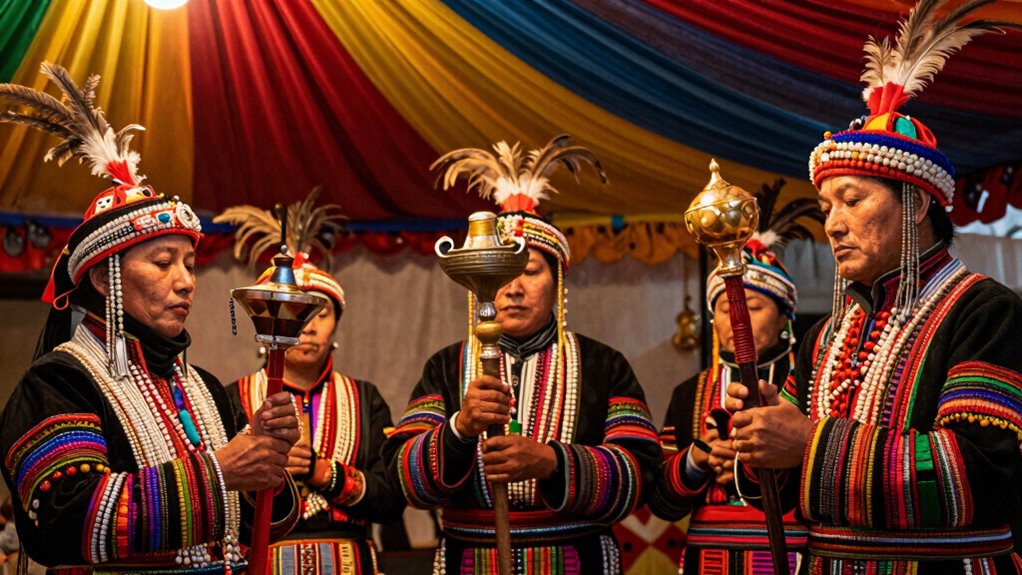
Ceremonies are an essential part of cultural traditions, serving as meaningful rituals that celebrate, mark, or preserve important moments and values within a community. When you participate in a ceremony, you’re engaging in a practice that holds deep ritual significance, connecting you to generations before and grounding you in shared identity. These rituals often involve specific actions, symbols, and words that convey collective beliefs and histories, making the event more than just a celebration—it becomes a powerful reaffirmation of cultural values.
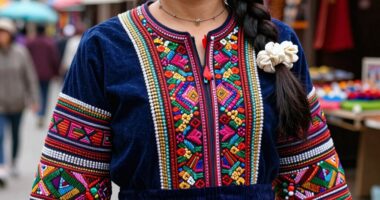
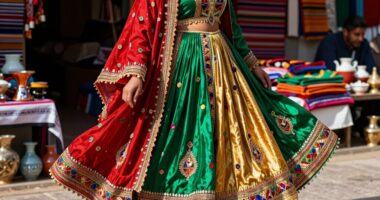
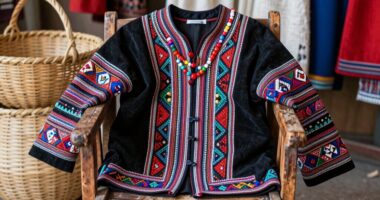
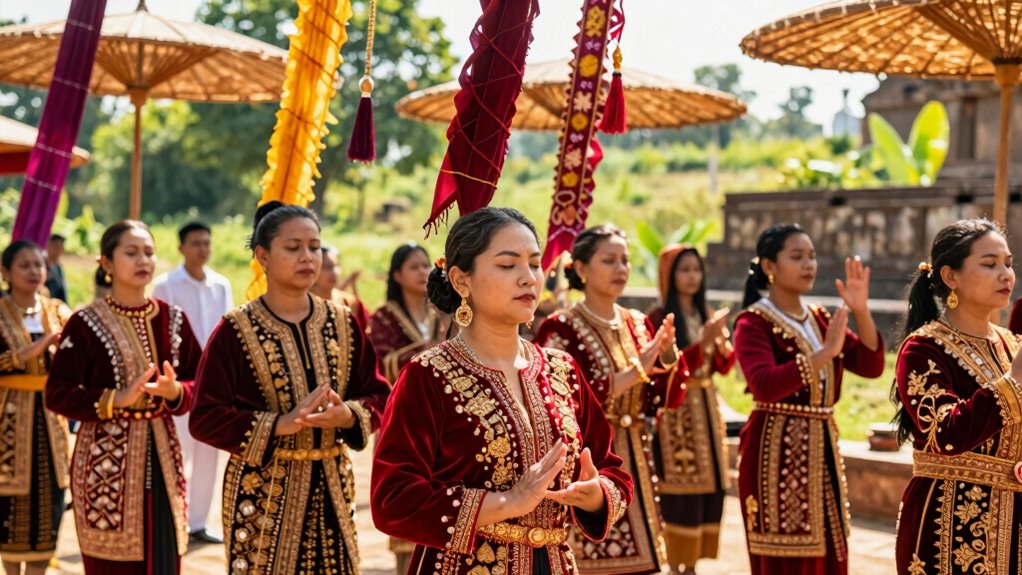
One of the most striking aspects of ceremonies is the ceremonial attire worn by participants. This clothing isn’t just about aesthetics; it’s laden with meaning and tradition. When you don traditional garments, you’re embodying a sense of belonging and respect for your heritage. The colors, patterns, and materials used in ceremonial attire often symbolize particular virtues, social statuses, or spiritual beliefs. For example, vibrant textiles might represent vitality, while specific adornments could denote your community’s history or spiritual connections. Wearing the right attire during a ceremony elevates the event, emphasizing its importance and helping you visually connect with your cultural roots.
Ceremonial attire embodies cultural meaning, symbolizing virtues, history, and spiritual connections that honor tradition and heritage.
The ritual significance of ceremonies can also be seen in the actions performed during these events. Whether it’s a dance, offering, prayer, or symbolic gesture, each act is carefully chosen to reflect cultural stories or spiritual beliefs. As you participate, you’re not just witnessing tradition—you’re actively preserving it. These rituals often serve as rites of passage, marking changes in life such as coming of age, marriage, or death. They reinforce social bonds and transmit cultural knowledge across generations, ensuring that the community’s core values endure. Incorporating traditional practices into ceremonies helps maintain their authenticity and relevance. Recognizing the importance of cultural preservation further underscores how these rituals sustain the continuity of shared heritage. Additionally, community participation is vital for the intergenerational transfer of knowledge, ensuring that these customs are not lost over time. By consciously engaging in these practices, communities strengthen their cultural identity and foster a sense of belonging among members.
Ceremonies and their associated attire also serve as a form of cultural expression, making visible the intangible aspects of your heritage. They create a sense of pride and unity among community members. When you see others dressed in traditional clothing and engaging in ritual actions, you feel a collective strength and continuity that binds everyone together. This shared experience helps keep your cultural identity alive and vibrant, especially in a rapidly changing world.
In addition, the preservation of ceremonial practices is often supported by the conscious effort to protect cultural heritage, ensuring that these traditions are passed down and remain relevant amidst modern influences. In essence, ceremonies—through their ritual significance and ceremonial attire—are crucial to maintaining the integrity of cultural traditions. They are more than just events; they’re living expressions of history, spirituality, and social values. By participating in these rituals, you help preserve your community’s heritage, ensuring that it remains meaningful and relevant for future generations.
traditional ceremonial attire for cultural events
As an affiliate, we earn on qualifying purchases.
As an affiliate, we earn on qualifying purchases.
Frequently Asked Questions
How Do Ceremonies Influence Individual Identity Within Cultures?
You find that ceremonies shape your individual identity by allowing personal expression through cultural symbolism. Participating in these rituals helps you connect deeply with your roots, reinforcing your sense of belonging and cultural pride. They also provide a platform for expressing your unique identity within the broader community, blending tradition with personal meaning. Ultimately, ceremonies empower you to embrace your cultural heritage while showcasing your personal identity.
Are There Modern Adaptations of Traditional Ceremonies?
Yes, there are modern adaptations of traditional ceremonies. You might participate in contemporary festivals that blend old customs with new influences, creating vibrant, inclusive celebrations. Modern rituals often incorporate technology, like virtual ceremonies, making them accessible worldwide. These adaptations help keep cultural identity alive while evolving with society. You’ll notice how contemporary festivals and modern rituals honor traditions while integrating current trends, ensuring that cultural expressions remain relevant and engaging today.
What Materials Are Commonly Used in Ceremonial Dress Across Cultures?
A picture is worth a thousand words, especially in ceremonial dress. You’ll find textiles often carry deep symbolism, reflecting cultural values or history. Common materials include silk, cotton, wool, and leather, chosen for their durability and significance. These materials are carefully selected to guarantee the dress’s longevity and spiritual meaning. Whether vibrant or subtle, the fabrics and adornments you wear embody the essence of your cultural identity and tradition.
How Do Ceremonies Evolve With Changing Societal Values?
You see that ceremonies evolve as societal values shift, reflecting changing beliefs and priorities. You notice that ceremonial symbolism adapts to new meanings, while ritual significance may be modified or simplified to suit modern contexts. This evolution allows traditions to stay relevant, fostering a sense of continuity. You recognize that understanding these changes helps you appreciate how cultures preserve their identity while embracing progress through evolving ceremonies.
What Role Do Ceremonies Play in Intergenerational Cultural Transmission?
You see, ceremonies serve as essential channels for intergenerational cultural transmission. For example, a family passing down a traditional wedding ritual uses ritual symbolism to connect generations, fostering communal bonding. These ceremonies reinforce shared values, stories, and identities, ensuring cultural practices survive and evolve. By actively participating, each generation keeps the tradition alive, strengthening community ties and nurturing a sense of belonging that spans across ages.
Conclusion
Now, imagine the next ceremony you witness—what hidden stories, secrets, or traditions might it reveal? The role of ceremony in cultural style isn’t just about rituals; it’s about revealing a world of meaning and identity that’s waiting to be discovered. As you observe these moments, ask yourself—what deeper truths lie beneath the surface, just waiting to be uncovered? The answer might change the way you see every celebration forever.
Fall Picks
fall essentials
As an affiliate, we earn on qualifying purchases.