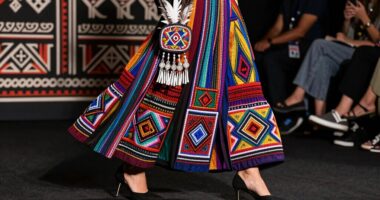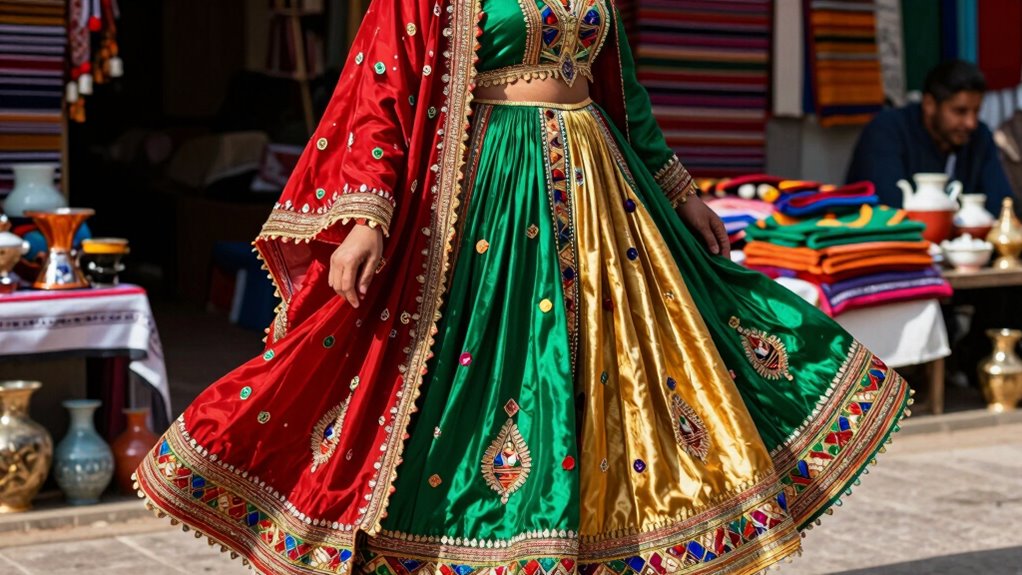

Color symbolism plays a powerful role in cultural fashion, conveying messages about social status, spiritual beliefs, and community history. You’ll notice specific colors like white for purity or red for celebration, chosen intentionally and passed down through generations. Traditional dye techniques, connected to ecosystems and cultural rituals, enhance these meanings. As societies change, so do color symbols, telling stories about evolving values. To explore how these vibrant messages shape identity further, keep exploring how color communicates across cultures.

Get your wardrobe favorites delivered free with Prime
- Fast, free delivery on millions of items
- Prime Video, Amazon Music and more included
- Member-only deals all year
Key Takeaways
- Colors in traditional garments convey social status, spiritual beliefs, and cultural identity through deliberate choices.
- Dyeing techniques like indigo or natural dyes reflect historical practices and cultural heritage.
- Color symbolism evolves with societal changes, influencing when and how specific colors are worn.
- Environmental factors and traditional craftsmanship create unique shades, emphasizing cultural pride.
- Understanding color meanings enhances appreciation of fashion as a form of cultural storytelling and identity.
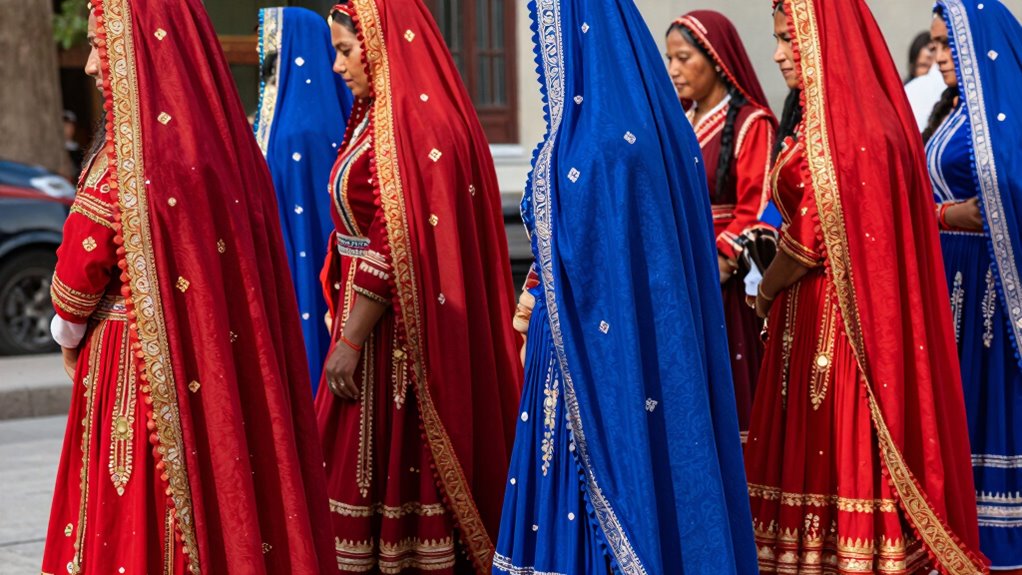
Color plays a vital role in cultural fashion, conveying meanings that go beyond mere aesthetics. When you look at traditional garments, you’ll notice how specific colors are chosen intentionally, often rooted in deep cultural symbolism. These colors aren’t random; they carry messages about social status, spiritual beliefs, and historical identity. Understanding this, you begin to see how color psychology influences fashion choices, shaping how societies express themselves visually. For example, in many cultures, white symbolizes purity and peace, while red can signify power, luck, or celebration. This isn’t just about preference—these colors are embedded with meaning, often passed down through generations.
You might also notice how traditional dye techniques shape the way colors appear in cultural garments. These techniques, such as indigo dyeing in West Africa or natural dyeing methods in India, aren’t just about creating vibrant hues—they’re about preserving cultural identity. The process of extracting dye from plants, minerals, or insects connects fashion to history and environment. When you see a piece of clothing dyed with a traditional method, you’re witnessing a tangible link to cultural heritage. These techniques also influence the shades and textures of the colors, making each piece unique. The craftsmanship involved in traditional dyeing reinforces the importance of these colors, elevating them from simple decoration to symbols of cultural pride. Additionally, traditional dye techniques often involve specific rituals or cultural practices that deepen their significance. Recognizing how cultural symbolism influences dyeing practices helps deepen appreciation for the artistry involved. Moreover, these practices often incorporate environmental factors, which affect the final appearance of the colors and connect the craft to local ecosystems. Furthermore, artisanal dyeing methods often require specialized knowledge passed down through generations, emphasizing the importance of cultural continuity.
As you observe different cultural garments, you’ll realize that color symbolism isn’t static—it evolves alongside societal changes. For instance, the significance of certain colors may shift over time, reflecting new social values or political movements. Still, many core meanings remain rooted in history. In some cultures, specific colors are reserved for certain occasions or social classes, reinforcing societal structures. When you wear or appreciate these garments, you participate in a visual language that communicates stories, beliefs, and identities without words.
Ultimately, understanding how color symbolism manifests in cultural fashion enriches your appreciation for the artistry and history behind each piece. It’s not just about the colors you see but the stories they tell—stories of tradition, spirituality, and community. When you recognize the influence of color psychology and traditional dye techniques, you gain a deeper respect for how fashion serves as a powerful cultural expression, connecting individuals to their heritage and each other through the vibrant language of color.
As an affiliate, we earn on qualifying purchases.
Frequently Asked Questions
How Do Colors Change Meaning Across Different Cultures?
Colors change meaning across cultures, influenced by color psychology and traditional symbolism. You might see white as purity in Western cultures, but it represents mourning in some Asian traditions. Red often symbolizes luck and celebration in China, yet signifies danger elsewhere. Understanding these differences helps you appreciate cultural fashion, as colors evoke specific emotions and meanings rooted in local beliefs and history. This awareness enhances your respect and connection with diverse cultural expressions.
Are Color Symbols Evolving With Modern Fashion Trends?
You might find that color symbols are subtly shifting as modern fashion trends embrace new expressions. With color psychology guiding choices, you notice bolder, more diverse palettes reflecting individuality and inclusivity. Fashion trends today often blend traditional meanings with innovative styles, allowing color symbolism to evolve naturally. This dynamic interplay keeps cultural fashion fresh, making it exciting to see how new influences shape the way colors communicate across different communities.
What Role Does History Play in Color Symbolism?
History plays a essential role in shaping color symbolism through its historical context and symbolic evolution. You see, past events, cultural shifts, and societal norms influence how colors are perceived today. For example, red once symbolized danger or power, but now also represents love or passion. Understanding this background helps you appreciate how colors carry deep meanings rooted in history, continuously evolving as cultures change and new interpretations emerge.
How Do Colors Influence Cultural Identity Through Clothing?
Imagine walking through a vibrant street, your eyes catching the sweeping hues of traditional clothing. Colors influence your cultural identity by conveying values, history, and beliefs through clothing. You see how color psychology shapes perceptions, while fashion color trends evolve, blending old symbolism with modern flair. Your wardrobe becomes a visual story, connecting you to your roots, expressing identity, and fostering a sense of belonging within your community.
Can Color Symbolism Vary Within Regions of the Same Country?
Yes, color symbolism can vary within regions of the same country. You’ll notice differences in regional color traditions, often shaped by local dye practices and cultural influences. These variations reflect unique histories and beliefs, meaning what’s significant in one area might not be in another. This diversity shows how regional identities influence fashion choices, allowing communities to express their distinct cultural stories through colors in clothing.
Conclusion
You now see how color symbolism deeply influences cultural fashion, shaping identities and traditions around the world. For instance, over 70% of people associate specific colors with emotions or social roles, highlighting their powerful impact. By understanding these meanings, you can appreciate fashion as more than just style—it’s a reflection of history, values, and identity. Next time you wear a color, remember you’re part of a rich cultural story that spans generations.
Halloween Picks
halloween
As an affiliate, we earn on qualifying purchases.