Traditional dress keeps evolving with time because it helps you stay connected to your culture while embracing modern influences. As societies change, designers and wearers adapt garments with new fabrics, cuts, and accessories to keep them relevant and comfortable. This ongoing evolution preserves cultural identity while allowing tradition to merge with innovation. If you want to discover how these changes reflect societal shifts and cultural pride, keep exploring this fascinating transformation.
Key Takeaways
- To stay relevant and appealing to contemporary society while honoring cultural roots.
- Incorporation of new fabrics, designs, and accessories revitalizes traditional garments.
- Technological innovations enhance craftsmanship, precision, and creative possibilities.
- Societal modernization encourages adaptation to reflect current values and lifestyles.
- Continuous evolution helps preserve cultural identity and pass traditions to future generations.

Traditional dresses have always been a reflection of cultural identity, but as time passes, they continue to evolve, blending old customs with modern influences. This evolution isn’t about replacing tradition; it’s about keeping it alive in a way that resonates with contemporary society. When you look at traditional attire today, you’ll notice how designers and wearers alike are using fashion innovation to reimagine what these garments can be. This process guarantees that cultural preservation remains a crucial part of the conversation, even as styles shift and adapt.
Traditional dresses evolve through modern influences, blending history with innovation to keep cultural identity alive and relevant.
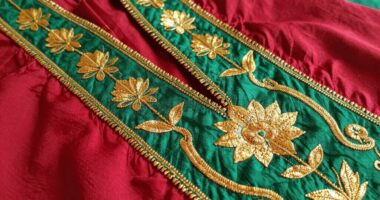
You might wonder why traditional dress keeps changing. The answer lies in the desire to stay relevant while honoring history. As societies modernize, they face the challenge of maintaining a connection to their roots without becoming outdated. By integrating new fabrics, cuts, or accessories, people breathe new life into age-old designs. This isn’t about abandoning tradition but about making it adaptable to current tastes and lifestyles. For example, a traditional sari may now feature contemporary embroidery or innovative fabrics that make it more comfortable and versatile. These updates help preserve cultural significance while embracing fashion innovation.
Moreover, cultural preservation plays a central role in the ongoing evolution of traditional dress. Wearing these garments becomes a statement of identity and pride, especially as communities seek to pass their customs to future generations. By modifying traditional styles to suit today’s contexts, you keep your cultural stories relevant. This might mean incorporating symbols, colors, or motifs that reflect current social values or local influences. In doing so, traditional dress becomes more than just a relic of the past; it becomes a living, breathing expression of culture that adapts to new circumstances. Recognizing the importance of cultural heritage helps ensure that these traditions are preserved in meaningful ways. Additionally, incorporating technological advancements into design processes allows artisans to innovate while respecting traditional craftsmanship. This integration of modern tools can also enhance the precision and quality of traditional techniques, ensuring their longevity for future generations.
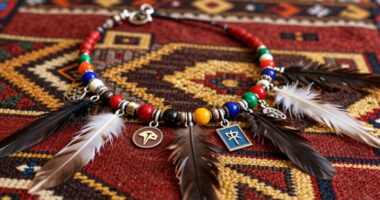
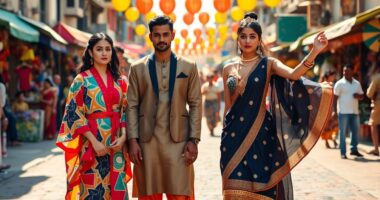
Fashion innovation fuels this transformation, allowing traditional dresses to stay fresh and appealing. Designers and artisans experiment with new techniques, materials, and silhouettes, all while respecting the core elements that define their cultural attire. This continuous process of reinvention ensures that traditional dress doesn’t become stagnant but evolves naturally with societal shifts. You can see this in how modern fashion shows now showcase traditional garments reinterpreted through contemporary design, making them more accessible and attractive to younger generations.
In the end, the reason traditional dress keeps evolving with time is a delicate balance. It’s about honoring the past through cultural preservation, while embracing fashion innovation to keep traditions relevant and vibrant. This evolution guarantees that traditional garments aren’t just historical artifacts but active parts of today’s cultural landscape, inspiring pride, identity, and creativity for generations to come.
As an affiliate, we earn on qualifying purchases.
Frequently Asked Questions
How Do Cultural Influences Impact Traditional Dress Changes?
You see that cultural influences shape traditional dress changes by blending old and new styles, helping in cultural preservation. As you wear evolving traditional outfits, you reinforce your identity and celebrate your heritage. These influences introduce modern fabrics, designs, or symbols, making the dress more relevant today. This dynamic process guarantees your cultural traditions stay alive while adapting to contemporary tastes, strengthening your sense of belonging and cultural pride.
What Role Does Globalization Play in Traditional Fashion Evolution?
Globalization plays a significant role in traditional fashion evolution by fostering cultural exchange and encouraging fashion innovation. You might notice that as global influences spread, there’s a balance between cultural preservation and adapting traditional dress to modern trends. This interconnectedness prompts designers and communities to innovate while respecting their roots. It guarantees traditional dress remains relevant, vibrant, and reflective of evolving cultural identities, blending heritage with contemporary style seamlessly.
Are There Specific Regions Where Traditional Dress Remains Unchanged?
You’ll find that some regions cling tightly to their roots, preserving traditional dress with remarkable regional consistency and historical authenticity. In places like rural Japan, parts of India, or certain indigenous communities, traditional attire stays largely unchanged, serving as a symbol of cultural pride. While global influences often stir change, these regions hold the line, proving that sometimes, old habits die hard and tradition remains unshaken.
How Do Younger Generations Perceive Traditional Dress Adaptations?
You see that many younger generations embrace traditional dress adaptations, valuing youth acceptance and fashion innovation. They often blend modern trends with traditional elements, making the attire more appealing and relevant. By doing so, they respect cultural heritage while expressing individuality. This open-minded approach fosters a dynamic evolution of traditional dress, ensuring it stays vibrant and meaningful for future generations, balancing tradition with contemporary style seamlessly.
What Challenges Do Designers Face When Modernizing Traditional Attire?
You face challenges when modernizing traditional attire, especially balancing fabric innovation with cultural authenticity. You must find fabrics that are contemporary yet respectful of tradition, ensuring comfort and durability. Accessory symbolism adds meaning but can complicate designs, risking cultural misrepresentation. Steering through these aspects requires sensitivity and creativity, so you can create innovative yet meaningful garments that resonate with both tradition and modernity without losing cultural essence.
Conclusion
Just like a river constantly changing its course, traditional dress adapts and evolves with time. Imagine yourself at a festival where elders wear timeless patterns, yet younger generations add modern accessories—each stroke blending history with innovation. Studies show that over 80% of cultures update their attire for special occasions, proving that tradition isn’t static but a living, breathing part of our identity. Embrace this dance of change, for it keeps our heritage vibrant and relevant.