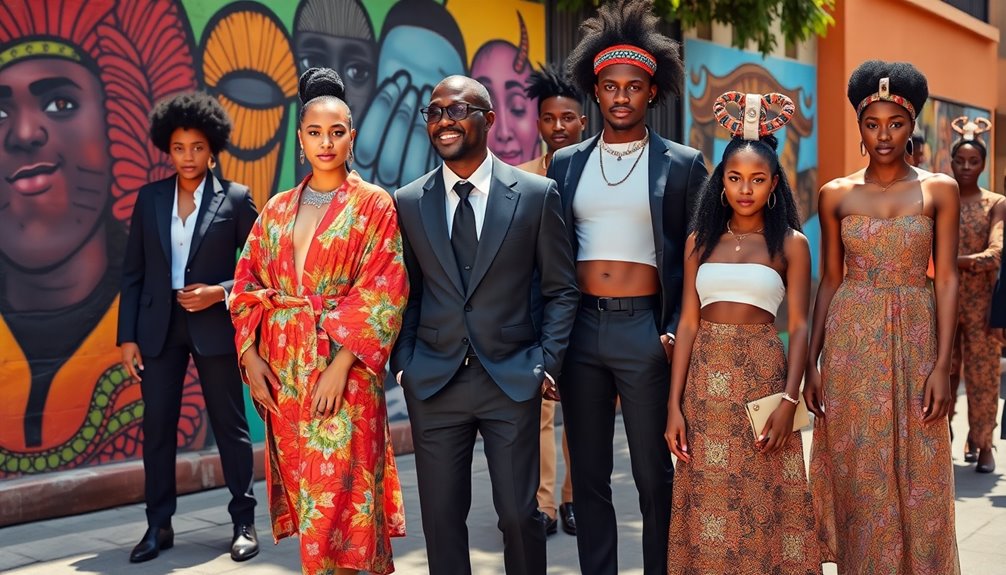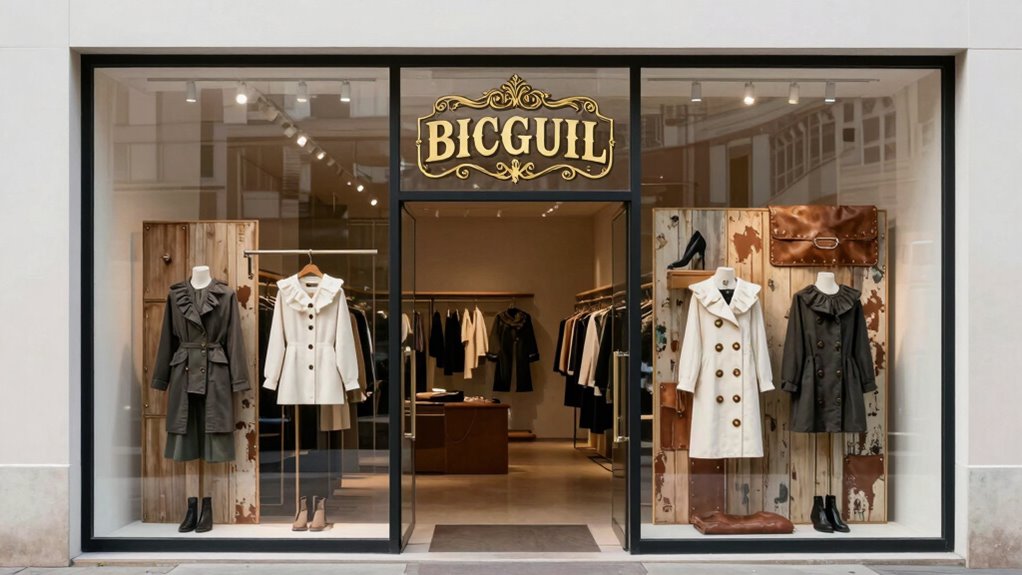

Modern brands borrow from heritage aesthetics by incorporating vintage-inspired design elements like classic fonts, color palettes, and packaging that evoke a sense of authenticity and trust. They tell stories rooted in history, emphasizing craftsmanship, tradition, and cultural richness to create emotional connections. These strategies help brands stand out and build loyalty in a crowded market. If you want to discover more about how these elements shape brand identity, you’re in the right place.
Key Takeaways
- Incorporate vintage-inspired fonts, color palettes, and packaging to evoke nostalgia and authenticity.
- Use design elements like old signage, textiles, or craftsmanship details to connect to historical roots.
- Weave storytelling that highlights brand legacy, quality, and cultural significance to build emotional engagement.
- Blend traditional aesthetics with modern sensibilities for a fresh yet authentic brand identity.
- Emphasize sustainability and craftsmanship to promote products rooted in heritage and long-lasting value.
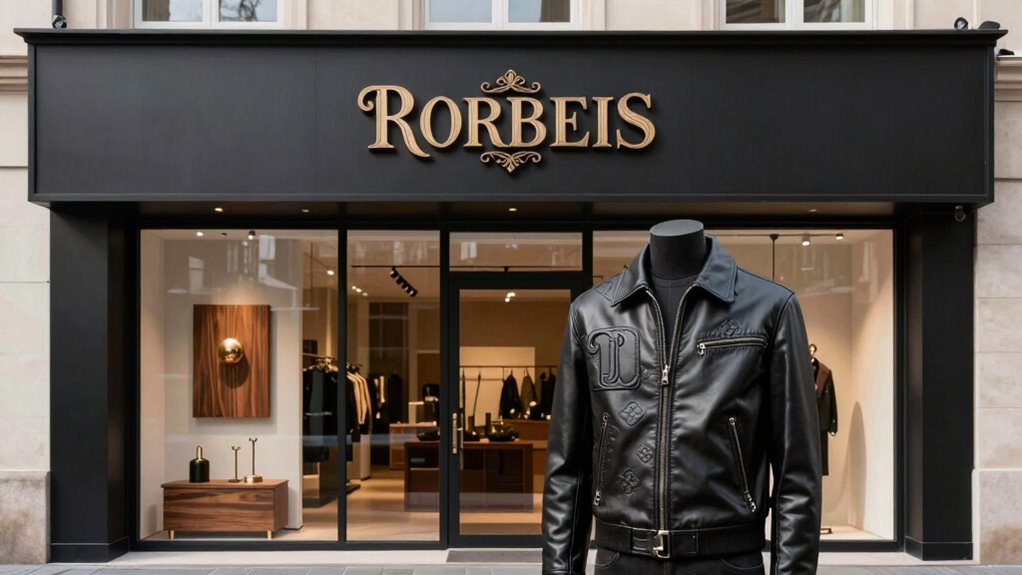
Have you ever noticed how many modern brands incorporate elements of their history into their designs? It’s a deliberate choice that speaks to a desire for cultural authenticity, connecting consumers with a brand’s roots and stories. By weaving in vintage-inspired elements, these brands create a sense of familiarity and trust, making their products feel timeless rather than transient. This approach isn’t just about nostalgia; it’s a strategic way to stand out in a crowded market. When a brand revives vintage aesthetics, it taps into a collective memory, evoking emotions tied to a specific era or craftsmanship that feels genuine and enduring.
You might see this in the choice of fonts, color palettes, or even packaging that echoes past decades. Many brands carefully select design elements that hint at their heritage—be it a logo reminiscent of old signage or patterns inspired by historical textiles. This vintage revival isn’t about copying but reinterpreting; it’s about blending the past with contemporary sensibilities. When done well, it creates a visual language that feels authentic, grounded in tradition yet fresh enough to resonate with today’s consumers. These brands understand that cultural authenticity isn’t just about aesthetics but about storytelling. They want you to see their products as more than just commodities—they’re artifacts that embody history and craftsmanship.
You also notice how the storytelling behind these designs emphasizes quality and legacy. By borrowing from their heritage aesthetics, brands reinforce their commitment to authenticity and timelessness. This doesn’t mean sacrificing innovation; instead, it means using history as a foundation upon which to build modern relevance. When you buy into a vintage revival, you’re often buying into a narrative of enduring value—something that has withstood the test of time and continues to inspire. It’s a way for brands to differentiate themselves and evoke a sense of pride, tradition, and cultural richness. Recognizing the heritage aesthetics in branding helps consumers appreciate the depth of a brand’s identity and values. Additionally, emphasizing cultural storytelling can strengthen emotional engagement and brand loyalty. Incorporating sustainable design practices aligns with the growing consumer demand for ethical and long-lasting products, further reinforcing the importance of heritage-inspired branding. Moreover, integrating craftsmanship into design highlights the quality and care that go into creating these products, fostering trust and admiration.
In addition, embracing heritage aesthetics can also serve as a sustainable design practice by valuing craftsmanship and longevity over fleeting trends. In the end, modern brands borrowing from heritage aesthetics do so intentionally. They craft a visual and narrative identity rooted in history, which helps forge a deeper connection with their audience. It’s about honoring the past while making it relevant for today, creating products that feel authentic and rooted in cultural authenticity. This blend of old and new not only elevates the brand’s image but also invites you to become part of a story that’s bigger than just the product—it’s about preserving and reimagining a legacy that continues to inspire.

Car Stickers and Decals Bad Company: A Rustic, Vintage-Inspired Logo Design Stickers 10Pcs Car Stickers Stickers for Car(8X12CM)
- Durable Vinyl Material: Waterproof, UV protected, scratch-resistant
- Easy Application: Peel, spray water, stick on surface
- Versatile Use: Suitable for plastic, glass, metal
As an affiliate, we earn on qualifying purchases.
As an affiliate, we earn on qualifying purchases.
Frequently Asked Questions
How Do Brands Choose Which Heritage Elements to Incorporate?
You choose heritage elements based on their cultural significance and how well they align with your brand’s identity. You analyze design evolution to see which motifs resonate with your audience and reflect authenticity. By selecting symbols or styles rooted in tradition, you create a sense of history and trust. Ultimately, you incorporate elements that evoke emotional connections, blending timeless heritage with modern aesthetics to appeal to contemporary consumers.
Are There Risks in Overusing Vintage Aesthetics?
Overusing vintage aesthetics risks making your brand seem outdated or inauthentic. For example, if a fashion label excessively relies on retro designs, it might lose its sense of timeless elegance and appeal only to nostalgia rather than innovation. This can dilute your brand’s identity and alienate younger audiences seeking fresh, relevant styles. Balance heritage elements carefully to maintain nostalgic appeal while staying modern and engaging.
How Do Heritage-Inspired Designs Appeal to Younger Consumers?
Heritage-inspired designs appeal to you because they tap into cultural symbolism and evoke nostalgia through marketing that feels familiar yet fresh. You’re drawn to brands that blend vintage aesthetics with modern sensibilities, creating an emotional connection. Nostalgic marketing helps you feel connected to a shared history or tradition, making these designs feel authentic and meaningful. This approach resonates with younger consumers seeking both style and a sense of belonging.
What Role Does Storytelling Play in Heritage Branding?
You might think storytelling in heritage branding is just about sharing history, but it’s actually about creating a strong narrative consistency that resonates deeply. Cultural symbolism plays a crucial role, connecting your audience emotionally to your brand’s roots. When your stories are authentic and cohesive, they build trust and foster loyalty, turning heritage into a compelling journey that invites consumers to be part of your brand’s ongoing legacy.
How Is Authenticity Maintained in Modern Reinterpretations?
You maintain authenticity in modern reinterpretations by respecting the cultural significance of heritage elements while embracing design innovation. You blend traditional symbols with fresh, creative touches that honor their origins without diluting their meaning. By staying true to core values and transparently sharing stories behind these designs, you guarantee your brand feels genuine and meaningful. This balance helps connect deeply with consumers, preserving authenticity amid contemporary styling.
Conclusion
By blending heritage aesthetics with modern innovation, you’re weaving a tapestry that’s both timeless and fresh. Heritage acts as a sturdy backbone, giving your brand authenticity, while contemporary design injects energy and relevance. Think of it as a bridge connecting the past and present—guiding your audience across a river of tradition into a future full of possibility. Embrace this harmony, and your brand becomes a living story, rich with history yet bursting with modern flair.