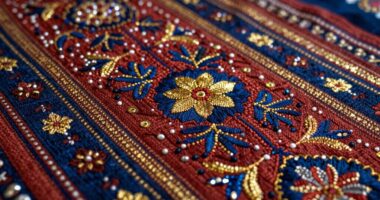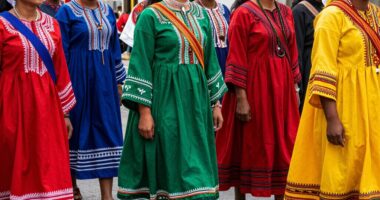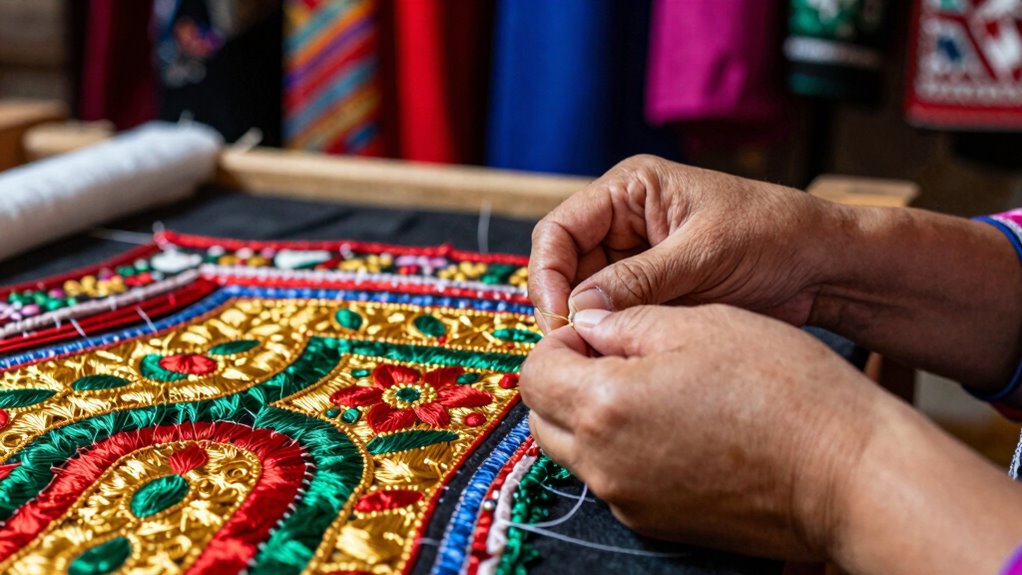

Craftsmanship matters in cultural clothing because it preserves the authenticity and deep cultural significance behind each piece. When you appreciate handmade garments, you honor the skills and traditions of artisans who use techniques like embroidery and dyeing that reflect their history and identity. Wearing these clothes connects you to heritage and community, fostering pride and continuity. If you keep exploring, you’ll discover how these crafts support cultural diversity and keep meaningful traditions alive.

Get your wardrobe favorites delivered free — and shop member deals
- Fast, free delivery on millions of items
- Access to Prime Big Deal Days deals on October 6–7
- Prime Video, Amazon Music and more included
Key Takeaways
- Craftsmanship preserves traditional techniques, ensuring cultural heritage remains alive and relevant for future generations.
- Handmade clothing reflects artisans’ skills, creating authentic and unique cultural expressions.
- Skilled craftsmanship fosters cultural pride and strengthens community identity through shared practices.
- Valuing craftsmanship supports sustainable practices and prevents the loss of intricate, time-honored methods.
- Authentic craftsmanship in clothing tells stories of history, resilience, and cultural continuity.
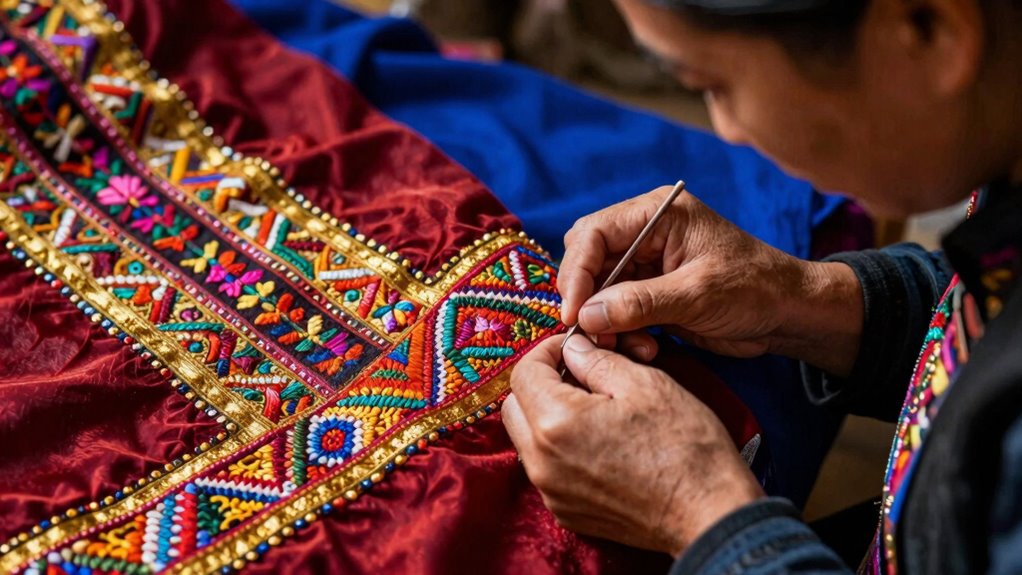
Have you ever wondered how clothing reflects a culture’s history and values? When you look closely at traditional garments, you see more than just fabric; you see stories woven into every stitch. Textile techniques play a crucial role in conveying cultural identity. These techniques, passed down through generations, showcase a community’s ingenuity and adaptation to their environment. Whether it’s the intricate embroidery of Central Asian suzani or the vibrant tie-dye patterns of West Africa, each method reveals unique cultural expressions. These techniques are often deeply rooted in history, serving as a link between the past and present. They embody centuries of tradition and innovation, making each piece a cultural artifact. Recognizing and preserving these Textile techniques is essential to maintaining cultural diversity and heritage. Understanding the history of textile methods helps deepen appreciation for their significance and evolution over time. Supporting the transmission of skills ensures that these valuable techniques continue to thrive and adapt in modern contexts. Additionally, revitalizing traditional techniques can also foster economic development within artisan communities.
Artisan craftsmanship is at the core of preserving these textile techniques. When you appreciate handmade clothing, you acknowledge the skill and dedication of artisans who invest hours into their work. These craftsmen and craftswomen don’t just produce garments—they create symbols of cultural pride. Their craftsmanship involves more than just sewing; it’s a form of storytelling, a way to honor ancestors and maintain cultural continuity. The precision and artistry involved in traditional clothing often require years of practice, creating a sense of community and identity among artisans. By valuing this craftsmanship, you support sustainable practices that keep cultural traditions alive.
Understanding why craftsmanship matters in cultural clothing traditions helps you see beyond the surface. It’s about respecting the effort and cultural significance embedded in each piece. Handcrafted textiles often involve complex processes, from selecting natural dyes to mastering embroidery techniques. This attention to detail ensures that each garment is not only beautiful but also meaningful. When you wear or display clothing made with artisan craftsmanship, you carry forward a piece of history and cultural resilience. It’s a way to celebrate diversity and foster appreciation for the skills that keep these traditions vibrant. Supporting artisan skills can also help preserve the unique cultural identities associated with different textile techniques.
In a world dominated by mass production, valuing craftsmanship reminds you of the importance of authenticity. It encourages you to seek out garments that honor cultural methods rather than just trends. By doing so, you become part of a larger movement that supports artisans and sustains cultural heritage. Every stitch, dye, and pattern tells a story of resilience, creativity, and identity. Recognizing the significance of textile techniques and artisan craftsmanship in cultural clothing deepens your connection to the cultures they represent, making your appreciation more meaningful and respectful.
handmade traditional embroidered clothing
As an affiliate, we earn on qualifying purchases.
As an affiliate, we earn on qualifying purchases.
Frequently Asked Questions
How Does Craftsmanship Influence the Durability of Cultural Clothing?
Craftsmanship directly influences the durability of cultural clothing by ensuring each piece is carefully handmade with quality materials. When you prioritize handmade quality, you’re preserving cultural authenticity and creating garments that withstand wear and tear over time. Skilled artisans pay attention to detail, reinforcing seams and selecting sturdy fabrics, which means your traditional clothing remains beautiful and functional for years, honoring the cultural significance behind each handcrafted piece.
What Are Common Traditional Techniques Used in Craftsmanship?
You’ll find that traditional craftsmanship includes embroidery techniques, which add intricate patterns and cultural symbolism, and dyeing methods, like natural dyes derived from plants, that give fabrics vibrant, lasting colors. These techniques are passed down through generations and require skillful hands. By mastering them, artisans preserve cultural heritage, ensuring clothing remains authentic and durable. Your appreciation for these methods deepens your connection to the stories and traditions woven into every piece.
How Do Artisans Preserve Traditional Craftsmanship Skills?
You preserve traditional craftsmanship skills by practicing passionately, passing techniques personally, and promoting pride in cultural symbolism. You participate in apprenticeships, safeguarding artistic expression through hands-on learning, and share stories behind each craft. By documenting methods and engaging communities, you guarantee these skills flourish for future generations. Your dedication keeps cultural traditions alive, allowing artistry and symbolism to thrive within the fabric of cultural clothing, fostering respect and recognition.
What Role Does Community Play in Maintaining Craftsmanship?
Community involvement plays a crucial role in maintaining craftsmanship by passing down skills and preserving cultural identity through shared traditions. When you actively participate in local workshops or cultural events, you help sustain artisans’ practices and keep heritage alive. Your support fosters a sense of pride and continuity, ensuring these craftsmanship skills thrive for future generations and remain integral to the community’s cultural identity.
How Has Modern Technology Impacted Craftsmanship in Cultural Clothing?
Modern technology has revolutionized craftsmanship in cultural clothing, making it almost unrecognizable. Digital innovation speeds up design and production, allowing you to create intricate patterns instantly. Globalization effects mean styles blend faster than ever, risking tradition but also spreading craftsmanship worldwide. You can now learn ancient techniques online, but this rush sometimes dilutes authenticity. Despite these changes, you hold the power to preserve and adapt your cultural clothing craftsmanship for future generations.
Conclusion
You might think that modern fashion has replaced traditional clothing, but craftsmanship keeps cultural stories alive. When you appreciate the skill behind each stitch, you connect with history and identity in a way that fast fashion can’t offer. Some say craftsmanship is dying, but I believe it’s an essential part of our cultural soul. Embracing these traditions ensures they’re passed down, proving that true artistry and cultural pride still matter today.
Fall Picks
fall essentials
As an affiliate, we earn on qualifying purchases.