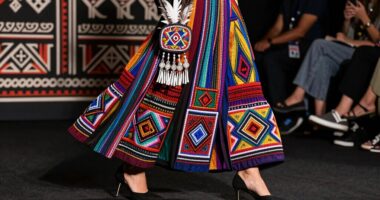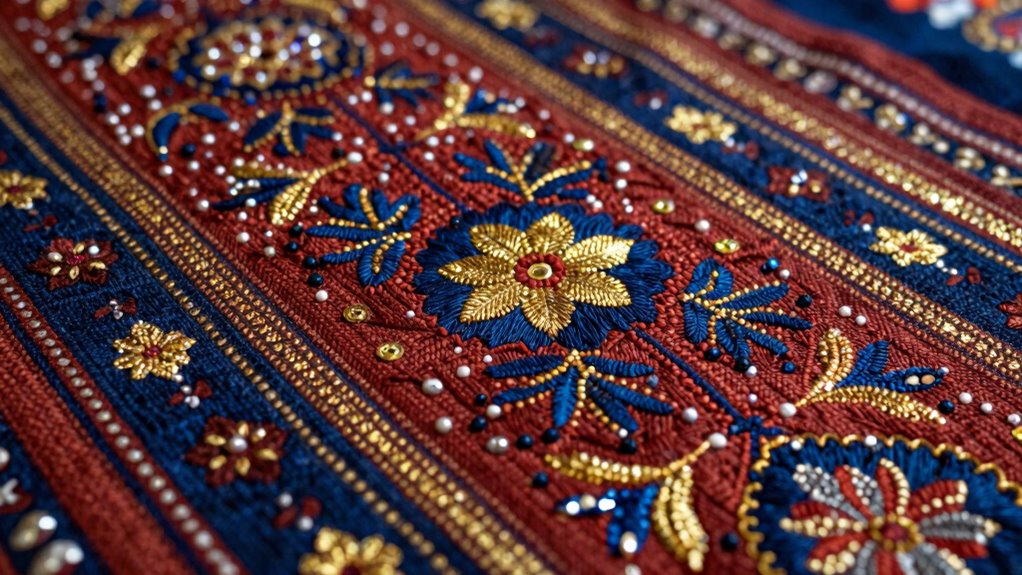

You can see the beauty of handwork in global fashion traditions through the vibrant stories, skills, and cultural identities woven into each piece. Techniques like embroidery, beadwork, and weaving carry centuries of history, symbolism, and craftsmanship passed down generations. These handcrafted garments celebrate unique artistry, support artisans, and keep cultural heritage alive. If you continue exploring, you’ll uncover even more layers of meaning behind these exquisite textiles and their rich traditions.
Open a free Amazon Business account
Business pricing, bulk buying and tax-exempt orders.
As an affiliate, we earn on qualifying purchases.
Key Takeaways
- Handwork in fashion reflects cultural identity, storytelling, and traditional techniques passed through generations worldwide.
- Unique embroidery, beadwork, and weaving showcase regional artistry and resource utilization.
- Handcrafted garments carry cultural significance, symbolizing social status, beliefs, and historical narratives.
- Preserving artisanal skills maintains cultural heritage and supports local craftsmanship communities.
- The intricate beauty of handmade textiles emphasizes craftsmanship’s value over mass-produced fashion.
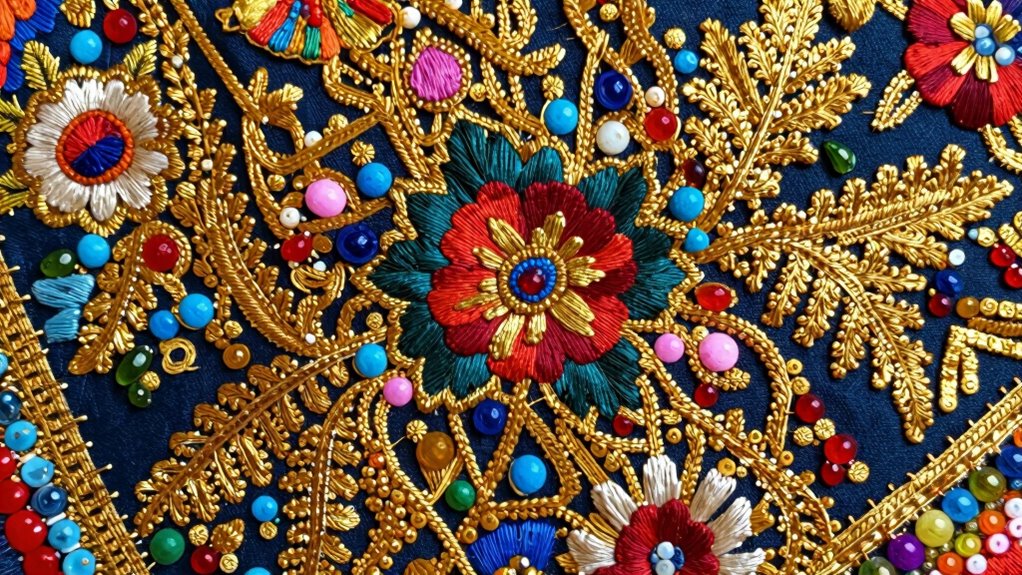
Handwork has long been at the heart of global fashion traditions, embodying cultural identity and craftsmanship passed down through generations. When you look closely at handcrafted garments, you see more than just fabric; you see stories woven into every stitch. Textile techniques vary widely across cultures, each bringing unique methods that reflect local environments, resources, and societal values. Whether it’s the intricate embroidery of Middle Eastern textiles, the vibrant beadwork of African tribes, or the delicate weaving of Asian silks, these techniques reveal a rich history of innovation and artistry. As you explore these methods, you realize how integral they are to cultural expression, transforming simple materials into meaningful symbols of identity.
Handwork reflects cultural identity, craftsmanship, and stories woven into every stitch across diverse textile traditions worldwide.
The cultural significance of handwork extends beyond aesthetics. In many communities, these techniques serve as a form of communication, conveying social status, spiritual beliefs, or historical narratives. For example, certain motifs in South American textiles might symbolize ancestral stories, while specific embroidery patterns in Eastern Europe signify regional origins. When you wear or admire these pieces, you’re engaging with a tradition that embodies collective memory and communal values. Handwork connects you to a cultural lineage, emphasizing the importance of preserving these skills in a rapidly changing world. It’s not just about creating beauty; it’s about maintaining a sense of belonging and cultural pride.
The labor-intensive nature of these textile techniques also adds value and meaning to the garments. As you appreciate the craftsmanship behind each piece, you recognize the dedication and skill required to produce such detailed work. This appreciation fosters a deeper respect for artisans who invest hours, sometimes days or weeks, into creating a single item. Handwork often involves techniques like embroidery, quilting, beadwork, or dyeing, each with its own history and significance. When you wear or gift these textiles, you’re not just sharing fashion; you’re sharing a piece of cultural heritage. The uniqueness of handcrafted items contrasts sharply with mass-produced fashion, highlighting the importance of supporting traditional artisans and safeguarding these skills.
Additionally, understanding traditional textile techniques can deepen your appreciation for the cultural contexts in which they develop, enriching your overall experience with these garments. Recognizing the cultural importance of handwork helps you see beyond the surface and appreciate the stories and values embedded in each piece. Exploring the history of textile craftsmanship reveals how these techniques have evolved over time, reflecting societal changes and innovations. Learning about artisanal techniques further emphasizes the skill and dedication involved in each creation and encourages a greater respect for craftsmanship. Ultimately, the beauty of handwork in global fashion traditions lies in its ability to blend artistry, culture, and history into tangible forms. It invites you to see beyond trends and recognize the stories embedded in every thread. When you embrace these textile techniques, you honor the cultural significance they carry and help sustain the craftsmanship that keeps these traditions alive. Recognizing the importance of craftsmanship can deepen your appreciation for handmade garments and motivate efforts to preserve these skills for future generations. Handwork isn’t just an act of creation; it’s a powerful expression of cultural identity, connecting you to a global mosaic of stories told through fabric and thread.
handmade embroidered textile art
As an affiliate, we earn on qualifying purchases.
As an affiliate, we earn on qualifying purchases.
Frequently Asked Questions
How Do Traditional Handwork Techniques Vary Across Different Cultures?
You’ll notice traditional handwork techniques vary widely across cultures through distinct cultural motifs and methods. In Africa, beadwork features vibrant patterns, while Japan’s sashiko uses intricate embroidery for reinforcement. Technique diversity is evident in India’s embroidery, blending mirror work and thread, and South America’s weaving highlights bold designs. These unique styles reflect each culture’s history, beliefs, and environment, showcasing the rich diversity found in global fashion traditions.
What Are the Main Challenges Faced by Artisans Preserving Handwork Traditions?
You face challenges in preserving artisan craftsmanship, like the delicate threads of a tapestry fraying over time. Limited access to resources, shrinking markets, and the allure of fast fashion threaten cultural heritage preservation. Without support, these skills risk fading away, much like an ancient melody lost in modern noise. To protect these traditions, you must advocate for artisans, ensuring their craft remains vibrant and valued in a rapidly changing world.
How Has Modern Technology Impacted Traditional Handcraft Methods?
Modern technology has transformed traditional handcraft methods through digital craftsmanship and virtual ateliers. You now have access to online tutorials, digital tools, and global marketplaces that connect artisans with a wider audience. While these innovations help preserve techniques and boost visibility, they also challenge artisans to adapt without losing authenticity. Embracing technology enables you to innovate while honoring time-honored traditions, ensuring they thrive in a digital age.
Are There Initiatives to Support Artisans Specializing in Handwork?
Yes, numerous initiatives support artisans specializing in handwork. You can get involved with artisan cooperatives that empower local craftspersons, helping them sustain their traditions and earn fair wages. Additionally, cultural preservation efforts aim to keep these unique skills alive by funding workshops, exhibitions, and training programs. These initiatives not only preserve craftsmanship but also promote the beauty of handmade fashion in a global market.
How Can Consumers Ensure Ethical Sourcing of Hand-Crafted Fashion Items?
To guarantee ethical sourcing of hand-crafted fashion items, you should look for brands committed to fair trade practices and transparent supply chains. Research labels that openly share their sourcing methods and support artisans directly. Ask questions about their production processes, and choose companies that prioritize fair wages and sustainable materials. By making informed choices, you help promote ethical craftsmanship and preserve the rich cultural traditions behind these beautiful handworks.
Conclusion
In celebrating handwork’s heritage, you highlight the heart of global fashion. From intricate embroidery to inspiring embellishments, these traditions transform textiles into timeless treasures. By embracing and elevating these elaborate arts, you preserve powerful practices and promote cultural pride. So, stand strong in your support of sartorial storytelling, safeguarding the splendid skills of skilled artisans. Together, you can keep the beauty of handwork alive, letting its legacy flourish far beyond borders and generations.
Fall Picks
fall essentials
As an affiliate, we earn on qualifying purchases.