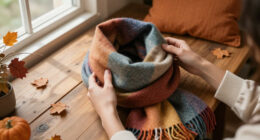
You’ll notice fashion and home décor blending as brands incorporate sustainable fabrics, smart textiles, and stylish patterns across both industries. This merging allows you to create cohesive environments that reflect your personal style and values. Eco-friendly materials and innovative designs bring versatility and functionality to your wardrobe and living spaces. As brands prioritize transparency and responsible sourcing, your choices become more aligned with ecological preservation. Keep exploring to discover how this seamless integration can transform your lifestyle further.
Open a free Amazon Business account
Business pricing, bulk buying and tax-exempt orders.
As an affiliate, we earn on qualifying purchases.
Key Takeaways
- Fashion-inspired patterns and textures are increasingly incorporated into home décor designs.
- Brands are launching collections that combine fashion aesthetics with home furnishings for a cohesive style.
- Sustainable fabrics and smart textiles are used across both sectors, fostering innovation and consistency.
- Consumers seek versatile products that serve dual functions in clothing and home environments.
- Personal identity and eco-conscious values are reflected through integrated fashion and home lifestyle choices.
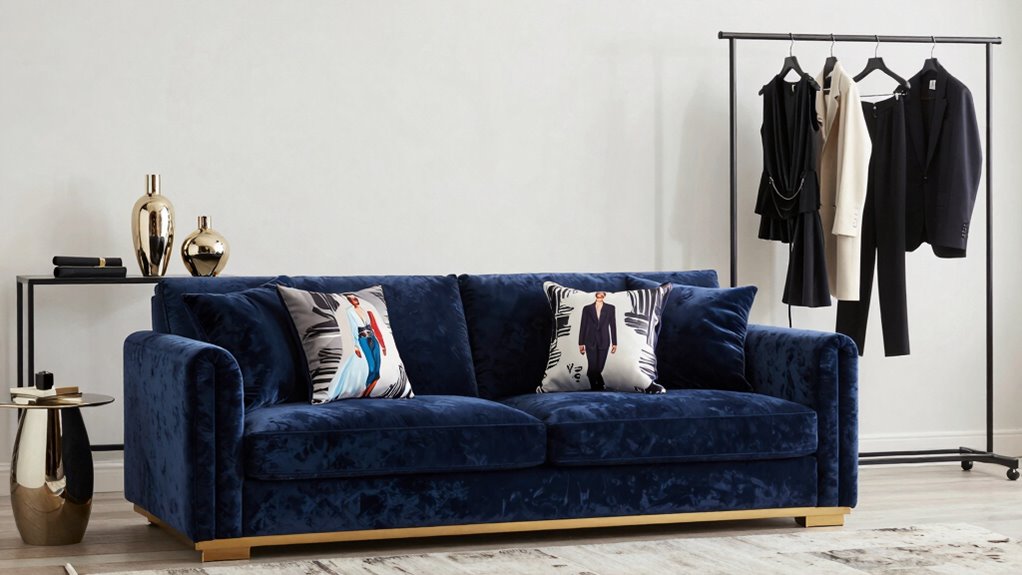
In recent years, the lines between fashion and home categories have increasingly blurred, transforming the way you shop and express yourself. No longer are these worlds separate; now, they intertwine through innovative materials and design philosophies. You might find yourself choosing a sofa upholstered in sustainable fabrics, which not only complements your aesthetic but also aligns with your eco-conscious values. Sustainable fabrics, made from recycled or organic materials, are becoming more common in home décor, offering both style and sustainability in one package. These fabrics often feature the same softness and durability as traditional textiles but with a lower environmental footprint, making your home feel both luxurious and responsible.
Sustainable fabrics in home décor combine style, durability, and eco-consciousness for a luxurious, responsible living space.
At the same time, the incorporation of smart textiles is revolutionizing how you experience both fashion and home environments. Smart textiles are fabrics embedded with technology—think temperature regulation, moisture-wicking, or even color-changing capabilities. In the home, these textiles can be used for curtains that adjust to sunlight, bedding that monitors your sleep, or upholstery that responds to your comfort needs. In fashion, smart textiles turn clothing into interactive experiences, allowing you to control your environment or track health metrics seamlessly. This technological integration blurs the boundaries of what’s possible, making your living space and wardrobe smarter and more adaptable. As this technological integration continues to evolve, it opens up new possibilities for personalization and convenience in everyday life.
The crossover extends beyond materials to design trends. You now see fashion-inspired patterns and textures in home décor, giving your space a fresh, contemporary vibe. Similarly, fashion brands are releasing home collections that mirror their clothing lines, emphasizing comfort, style, and functionality. This fusion encourages you to think holistically about your personal environment—how your clothing and your home can work together to reflect your personality and values. Additionally, sustainable fabrics are fostering a new level of innovation that supports environmentally conscious choices across both industries. Incorporating these eco-friendly materials can help reduce waste and promote a more sustainable lifestyle. Moreover, as awareness around biodiversity grows, brands are increasingly sourcing materials that preserve ecosystems and support biodiversity, further aligning fashion and home practices with ecological health. The rise of eco-conscious design is also prompting brands to prioritize transparency about their sourcing and manufacturing processes, which influences consumer trust and loyalty.
Furthermore, this blending influences your shopping habits. You’re more likely to seek out versatile pieces that serve dual purposes—clothing that can transition into lounge wear or home accessories that double as statement décor. The desire for sustainable fabrics and smart textiles drives brands to innovate continuously, making it easier for you to make choices that are both stylish and environmentally friendly. This convergence of fashion and home isn’t just about aesthetics; it’s about creating a cohesive, responsible lifestyle where your surroundings and your wardrobe speak the same language—one of innovation, sustainability, and personal expression.
As an affiliate, we earn on qualifying purchases.
Frequently Asked Questions
How Do Fashion Trends Influence Home Decor Styles?
Fashion trends influence your home decor styles through color palettes and pattern mixing. You might choose bold, vibrant hues similar to runway styles or incorporate trendy patterns like animal prints or florals. By blending fashion-inspired elements, you create a dynamic space that reflects current trends. This approach makes your home feel fresh and stylish, mirroring the ever-evolving world of fashion and helping you stay on top of design innovations.
Are There Sustainable Practices Connecting Fashion and Home Industries?
Yes, sustainable practices connect fashion and home industries through eco-friendly textiles and upcycled designs. You can choose clothing made from organic or recycled fabrics, which reduces environmental impact. Similarly, in home decor, upcycled furniture and accessories reuse materials creatively, promoting eco-conscious living. By supporting brands that prioritize these practices, you help foster a more sustainable future, blurring the lines between fashion and home while championing environmental responsibility.
What Materials Are Common to Both Fashion and Home Products?
You’re dealing with materials that are as versatile as a chameleon, seamlessly crossing fashion and home boundaries. Common materials include linen, cotton, hemp, and wool, thanks to textile innovations focused on material sustainability. These eco-friendly fabrics are durable, washable, and stylish, making them perfect for clothing, upholstery, and décor. By choosing such sustainable materials, you help bridge the gap between fashion and home, promoting eco-conscious living everywhere you turn.
How Do Brands Create Cohesive Collections Across Categories?
You create cohesive collections across categories by carefully selecting color palettes that flow seamlessly from fashion to home. Use consistent branding strategies, such as logo placement and messaging, to reinforce your brand identity across products. Incorporate similar textures and design elements to unify the look. By aligning these aspects, you help customers see your brand as a holistic lifestyle, making your collections feel intentional and interconnected.
What Are the Future Predictions for Fashion-Home Collaborations?
You can expect future fashion-home collaborations to emphasize innovative textiles, blending comfort with cutting-edge design. Brands will focus on cross-category branding, creating seamless experiences that unify clothing and home decor. This trend will likely lead to versatile collections, where wearable tech and sustainable materials play key roles. As consumers seek personalization, collaborations will emphasize unique textures and styles, making your wardrobe and living space feel more interconnected and reflective of your individual taste.
Conclusion
As fashion and home blur together, they’re weaving a vibrant tapestry where style and comfort become one. Imagine stepping into a room that feels like your favorite outfit—effortlessly chic and inviting. This seamless fusion invites you to embrace a world where your personal style extends beyond your wardrobe, transforming your space into a reflection of who you are. Keep blending these categories, and you’ll create a living masterpiece that’s uniquely yours.
Flea & tick season Picks
flea and tick prevention
As an affiliate, we earn on qualifying purchases.