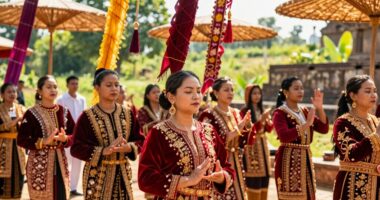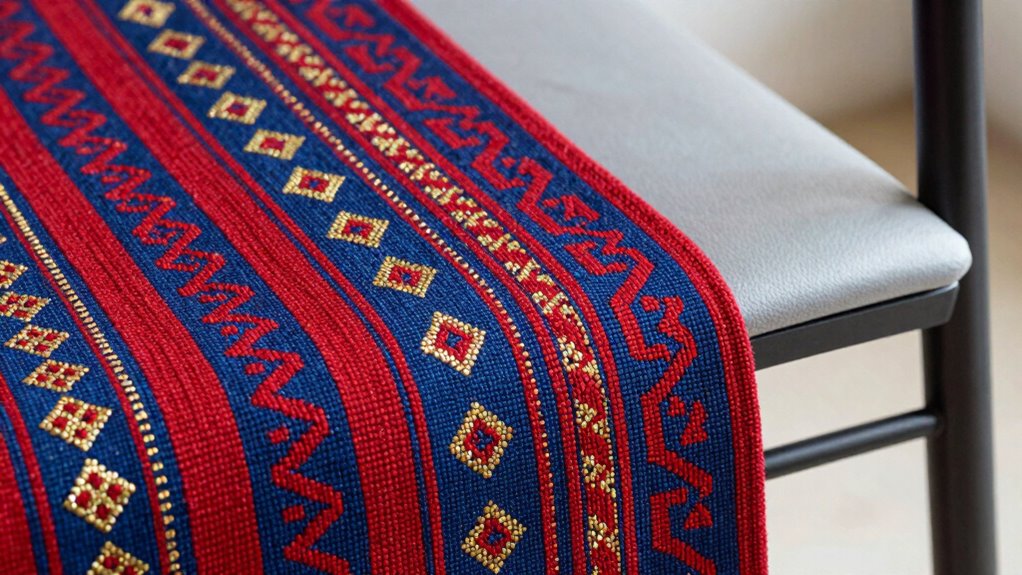

Traditional textiles influence modern design by bringing vibrant motifs, craftsmanship, and storytelling into contemporary aesthetics. You’ll see these designs woven into fashion, furniture, and interior decor, connecting past and present. Their cultural symbols and techniques add authenticity and texture, making everyday objects more meaningful. By blending traditional and modern elements, designers create unique, accessible pieces that honor heritage while appealing globally. Keep exploring how these timeless textiles shape today’s creative world.
Open a free Amazon Business account
Business pricing, bulk buying and tax-exempt orders.
As an affiliate, we earn on qualifying purchases.
Key Takeaways
- Traditional textiles introduce vibrant motifs and symbols that add cultural depth to modern design aesthetics.
- Craftsmanship techniques like hand-looming and embroidery enhance authenticity and texture in contemporary pieces.
- Collaborations with artisans help preserve cultural heritage and support sustainable local economies.
- Fusion of traditional patterns with modern materials creates accessible, globally appealing designs.
- Textiles carry storytelling elements that connect past and present, enriching modern design with cultural significance.
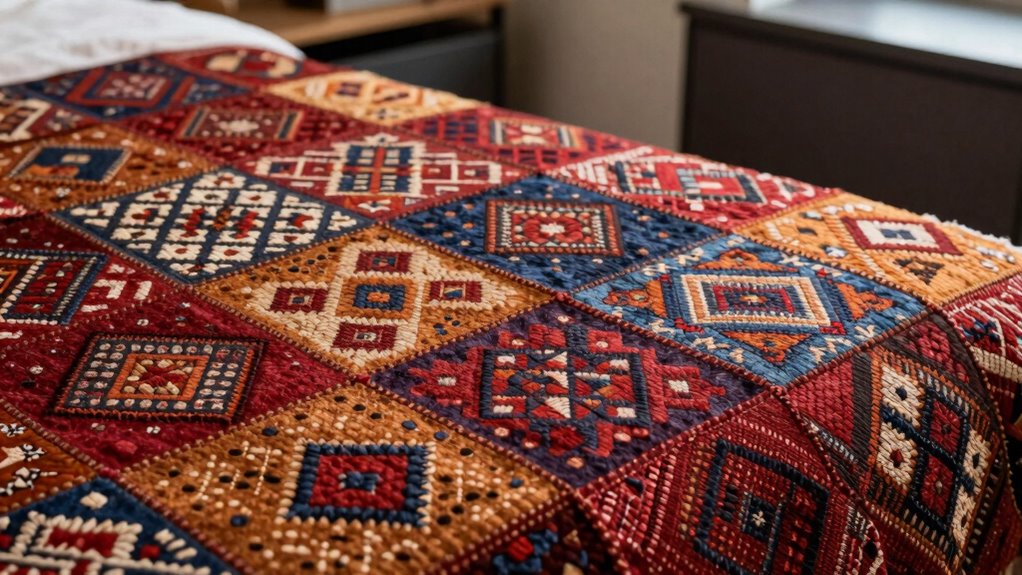
Traditional textiles have long been celebrated for their intricate craftsmanship and cultural significance, but today’s designers are finding new ways to incorporate these timeless patterns and techniques into modern aesthetics. You might notice that the vibrant motifs, weaving styles, and embroidery methods from different cultures are making their way into contemporary fashion, home decor, and art. This isn’t just about aesthetics; it’s about preserving stories, values, and identities that have been passed down through generations. As you explore modern designs, you’ll see how cultural symbolism—such as specific colors, symbols, or patterns—serve as powerful storytelling tools, connecting the past with the present.
Traditional textiles fuse vibrant patterns and cultural stories with modern design, honoring heritage while inspiring contemporary creativity.
Designers are increasingly aware of the craftsmanship techniques embedded in traditional textiles. These techniques, like hand-looming, dyeing, and embroidery, involve skillful labor and a deep understanding of materials. When integrated into modern pieces, they add authenticity and texture that mass-produced items often lack. For example, a contemporary jacket might feature hand-stitched embroidery inspired by indigenous textiles, giving it a unique character and cultural depth. You might also notice that many designers choose to highlight these craftsmanship techniques intentionally, emphasizing the human touch in a world dominated by automation. Recognizing these techniques fosters a greater appreciation for the skill and tradition behind each piece. In addition, incorporating traditional craftsmanship into contemporary design helps raise awareness of the importance of preserving these artisanal skills. Furthermore, understanding the cultural significance behind these textiles deepens the appreciation for their role in shaping identity and community heritage.
Incorporating traditional textiles into modern design is more than just aesthetic innovation; it’s a statement of cultural appreciation and sustainability. By reimagining these textiles, you’re supporting artisans and preserving their craft techniques, many of which are at risk of disappearing. You’ll see that modern designers often collaborate directly with traditional artisans, ensuring their techniques are respected and accurately represented. This partnership helps sustain local economies while bringing authentic, culturally rich elements into contemporary settings. Additionally, this collaboration promotes cultural preservation, ensuring these precious skills are passed down and continue to thrive. It also encourages a dialogue between generations, fostering a sense of pride and continuity within communities.
Furthermore, contemporary designers are blending traditional textiles with modern materials and minimalist aesthetics. For instance, a sleek sofa might be upholstered with fabric featuring traditional woven patterns, creating a striking contrast that draws attention. Or, fashion pieces may combine traditional embroidery with modern silhouettes, making cultural symbolism more accessible and appealing to a global audience. This fusion highlights how traditional craftsmanship techniques can elevate everyday objects into meaningful art forms. It also demonstrates the versatility of these textiles, proving that they can adapt to various styles while maintaining their cultural integrity.
Additionally, integrating contrast ratio considerations from projection technology can be metaphorically applied to design, emphasizing the importance of balance between traditional and modern elements for a cohesive aesthetic. Ultimately, traditional textiles continue to influence modern design because they carry stories, values, and techniques that resonate across cultures and generations. By integrating these elements, you’re not just appreciating beauty—you’re participating in a dialogue that honors craftsmanship, cultural symbolism, and the enduring power of tradition in a rapidly changing world.
hand-loomed traditional textile throw pillow
As an affiliate, we earn on qualifying purchases.
As an affiliate, we earn on qualifying purchases.
Frequently Asked Questions
How Do Traditional Textiles Impact Sustainable Fashion Practices?
Traditional textiles impact sustainable fashion by emphasizing cultural preservation and ethical sourcing. You can support artisans who use eco-friendly methods, ensuring their craft survives and respects cultural heritage. When you choose garments made from traditional textiles, you’re promoting ethical practices and reducing environmental harm. This connection helps sustain local communities and their craftsmanship while encouraging a more conscious, sustainable approach to fashion that values both tradition and the planet.
What Are the Challenges of Integrating Traditional Textiles Into Modern Manufacturing?
You may find that integrating traditional textiles into modern manufacturing involves delicate balancing acts. While it promotes cultural preservation, scaling production can be tricky, risking quality consistency. You might face challenges in adapting age-old techniques to meet fast-paced market demands without compromising authenticity. Managing these hurdles requires innovation and respect for craftsmanship, ensuring traditional artistry remains vibrant while fitting into the broader landscape of scalable, modern manufacturing.
Are Traditional Textile Techniques Still Practiced Today?
Yes, traditional textile techniques are still practiced today. You can see artisans preserving cultural preservation by using craftsmanship techniques passed down through generations. These techniques, such as hand-weaving, dyeing, and embroidery, remain essential to maintaining cultural identities. Many communities actively teach these skills, ensuring they’re not lost. By practicing these methods, artisans keep traditional textiles alive, blending heritage with contemporary design and fostering a deeper appreciation for cultural craftsmanship.
How Do Traditional Textiles Influence Contemporary Interior Design Trends?
You see traditional textiles shaping modern interior design through the use of cultural symbolism, adding depth and storytelling to spaces. Designers preserve these textiles to maintain cultural heritage, blending old techniques with contemporary aesthetics. By incorporating traditional patterns, textures, and craftsmanship, you create interiors that feel authentic and rich in history. This fusion not only celebrates cultural diversity but also keeps textile preservation alive in today’s design trends.
Can Traditional Textiles Be Adapted for Digital or Virtual Design Applications?
Yes, traditional textiles can be adapted for digital and virtual design applications through digital adaptation and virtual integration. You can scan and digitize intricate patterns, making them accessible for virtual environments like 3D rendering or augmented reality. This allows you to incorporate authentic textile aesthetics into digital spaces, fostering a seamless blend of traditional craftsmanship with modern technology, and expanding their influence into contemporary virtual design projects.
Conclusion
You see, traditional textiles are the roots that anchor modern design, like a sturdy oak supporting new leaves. By weaving age-old patterns and techniques into contemporary creations, you breathe life into heritage, creating a tapestry that’s both timeless and fresh. Embrace these rich influences, and watch your designs flourish like a garden in full bloom—proof that the past and present can dance together in perfect harmony, shaping a future full of vibrant possibilities.
Flea & tick season Picks
flea and tick prevention
As an affiliate, we earn on qualifying purchases.