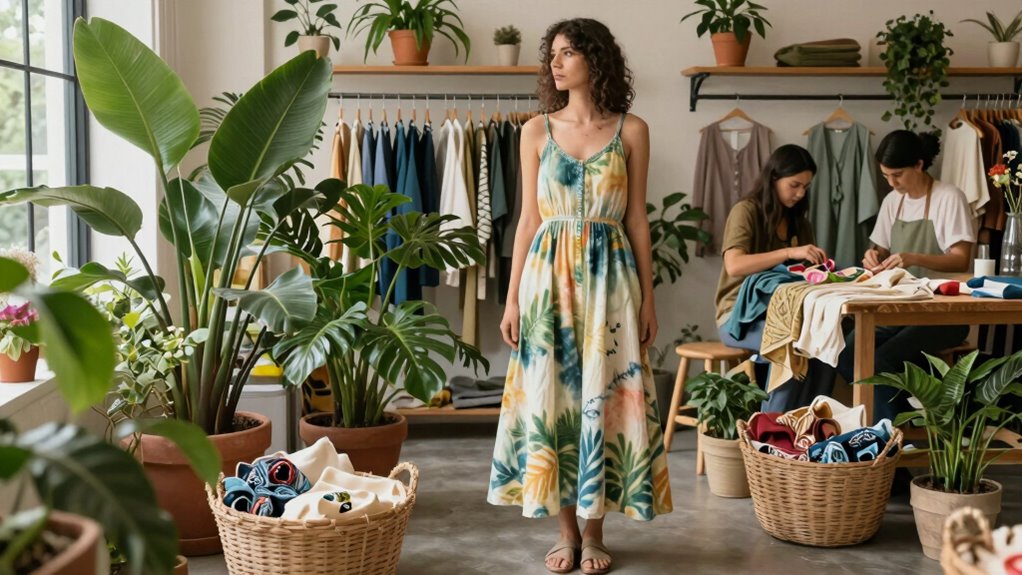

Regenerative fashion means creating clothes in a way that actively improves the environment and helps communities, not just reduces harm. It uses natural, eco-friendly materials and ethical practices that support soil health, water quality, and fair work conditions. This approach encourages brands to make durable, stylish garments that can be reused and recycled, creating a cycle of positive change. If you want to understand how this system works and what benefits it brings, keep exploring.

Get your wardrobe favorites delivered free — and shop member deals
- Fast, free delivery on millions of items
- Access to Prime Big Deal Days deals on October 6–7
- Prime Video, Amazon Music and more included
Key Takeaways
- Regenerative fashion actively restores and improves ecosystems, not just reducing harm.
- It uses eco-friendly materials from farms practicing soil and land health.
- Ensures fair wages and safe working conditions in clothing production.
- Designs durable clothes to last longer and promote reuse, reducing waste.
- Supports community and environmental projects that benefit ecosystems and people.
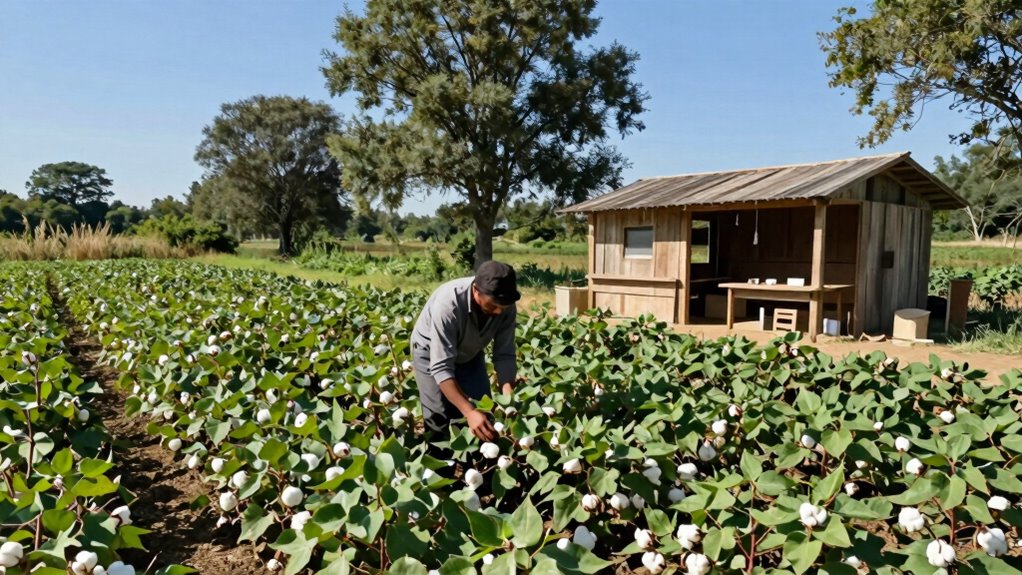
Regenerative fashion is transforming the way we think about clothing by going beyond sustainable practices to actively restore and enhance ecosystems. Instead of just reducing harm, it aims to improve the environment through smarter choices in how clothes are made. When you choose regenerative fashion, you’re supporting methods that prioritize sustainable materials and ethical sourcing. These two elements are key to understanding what makes this movement different from traditional fashion.
Regenerative fashion actively restores ecosystems through sustainable materials and ethical sourcing, transforming how we create and wear clothing.
Sustainable materials are at the heart of regenerative fashion. Rather than relying on synthetic fabrics or resource-intensive crops, regenerative fashion favors natural fibers grown in ways that enrich the land rather than deplete it. For example, you might see more clothes made from organic cotton, hemp, or Tencel—materials produced through methods that use less water, fewer chemicals, and generate less waste. These materials often come from farms practicing regenerative agriculture, which focuses on soil health, water conservation, and biodiversity. By choosing garments made from these sustainable materials, you’re supporting farming practices that keep ecosystems healthy and resilient.
Ethical sourcing is just as important. It means that the materials in your clothing are obtained in ways that respect people and communities. This involves fair wages, safe working conditions, and transparent supply chains. When you buy from brands committed to ethical sourcing, you’re helping to eliminate exploitation and support livelihoods. In regenerative fashion, ethical sourcing also ties into the idea of giving back to ecosystems. For instance, farmers and manufacturers may participate in projects that restore degraded land or improve water quality, ensuring that the entire supply chain benefits the environment and workers alike.
What makes regenerative fashion truly impactful is its focus on collaboration and long-term health. It’s not just about producing eco-friendly clothes; it’s about creating a system where farming, manufacturing, and recycling work together to heal the planet. This could mean using regenerative agriculture techniques that sequester carbon in the soil or designing clothes that are made to last, reducing waste and encouraging reuse. Additionally, regenerative agriculture methods actively improve soil health and biodiversity, which enhances the overall ecosystem. By supporting brands that prioritize sustainable materials and ethical sourcing, you actively participate in a cycle of positive change.
In simple terms, regenerative fashion is about making conscious choices that go beyond just less harm. It’s about actively restoring ecosystems and empowering communities. When you opt for clothing made with sustainable materials and ethical sourcing, you’re part of a movement that’s reshaping the industry—one that values the planet and its people while creating stylish, durable garments you can feel good about wearing.
organic cotton sustainable clothing
As an affiliate, we earn on qualifying purchases.
As an affiliate, we earn on qualifying purchases.
Frequently Asked Questions
How Does Regenerative Fashion Differ From Sustainable Fashion?
Regenerative fashion goes beyond sustainable fashion by actively improving the environment through fashion innovation and ethical sourcing. Instead of just reducing harm, you contribute to restoring ecosystems and supporting local communities. You choose brands that prioritize regenerative practices, like regenerating soil or supporting fair labor. Unlike sustainable fashion, which aims to minimize negative impacts, regenerative fashion seeks to create a positive cycle, making the planet healthier with every purchase you make.
Can Consumers Easily Identify Regenerative Clothing Brands?
You might find it challenging to identify regenerative clothing brands because many lack clear brand transparency and face certification challenges. While some brands openly share their regenerative practices, others don’t make it obvious. To spot genuine regenerative brands, look for transparent communication about their sourcing, farming methods, and certifications. Doing a little research helps make sure you’re supporting brands truly committed to regenerative principles, rather than just marketing claims.
What Materials Are Commonly Used in Regenerative Fashion?
Ever wonder what materials make regenerative fashion so sustainable? You’ll find natural fibers like organic cotton, hemp, and linen that grow without harmful chemicals, supporting healthy ecosystems. Ethical sourcing is key, ensuring materials are harvested responsibly and workers are treated fairly. These choices help regenerate the environment rather than deplete it. By choosing such materials, you’re actively participating in a fashion movement that nurtures the planet and promotes social well-being.
Does Regenerative Fashion Focus on Local or Global Production?
Regenerative fashion focuses on local craftsmanship rather than relying heavily on global supply chains. You’ll find this approach emphasizes supporting local artisans and communities, reducing transportation emissions, and fostering sustainable practices. By prioritizing local production, regenerative fashion helps preserve regional techniques and biodiversity, ensuring that your clothing choices positively impact both the environment and local economies. This localized focus creates a more sustainable, resilient fashion industry that benefits everyone involved.
How Does Regenerative Fashion Impact the Environment Long-Term?
You’ll find that regenerative fashion benefits the environment long-term by improving soil health and preserving biodiversity. Studies show that regenerative agriculture can sequester up to 1.5 tons of carbon per hectare annually. By promoting sustainable practices, it reduces pollution and restores ecosystems. This approach guarantees natural resources remain abundant, supports diverse wildlife, and creates a resilient environment, making fashion more sustainable and positively impacting the planet for generations to come.
Conclusion
So, when you embrace regenerative fashion, you’re not just making stylish choices—you’re planting seeds for a healthier planet. It’s a cycle of giving back, restoring, and nurturing the earth with every garment. Like a ripple in the water, your actions can spread positivity far and wide. By choosing regenerative fashion, you become part of a movement that’s as endless as the horizon, turning your wardrobe into a force for good—where sustainability blooms and hope grows.
Fall Picks
fall essentials
As an affiliate, we earn on qualifying purchases.