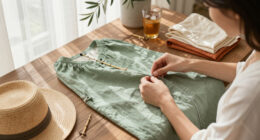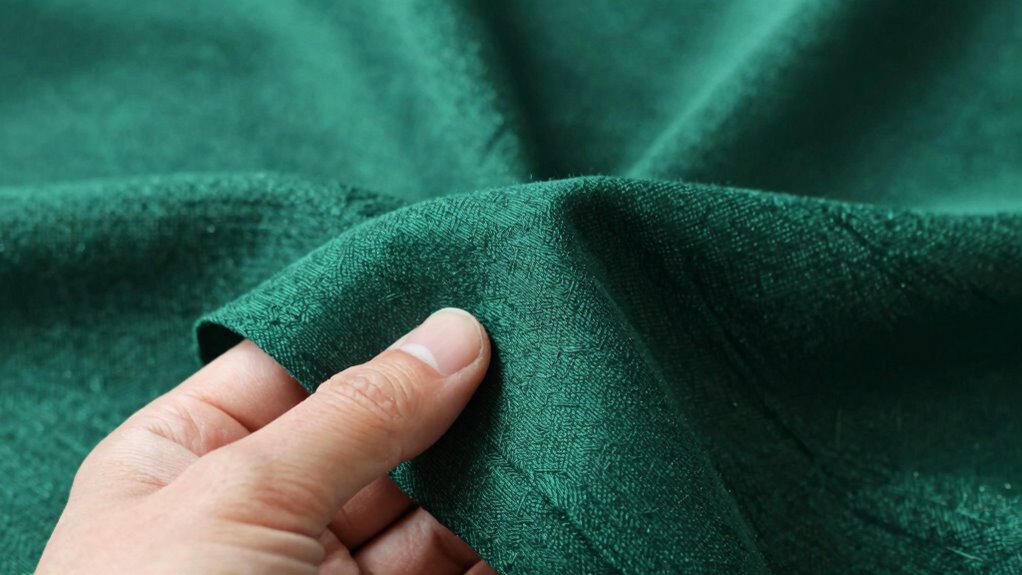

Choosing the right fabric impacts your wardrobe far more than trend labels. Durable, eco-friendly materials last longer, saving you money and reducing waste. When you prioritize quality fabrics, you’re making sustainable choices that minimize environmental harm and support ethical production. Understanding fabric sources and testing methods helps you pick items that truly stand the test of time. Keep exploring, and you’ll discover how fabric choices can shape a more responsible and stylish wardrobe.

Get your wardrobe favorites delivered free — and shop member deals
- Fast, free delivery on millions of items
- Access to Prime Big Deal Days deals on October 6–7
- Prime Video, Amazon Music and more included
Key Takeaways
- Durable fabrics ensure longer-lasting garments, reducing waste regardless of trendy labels.
- Eco-friendly fabric choices minimize environmental impact, supporting sustainable fashion over fleeting trends.
- Fabric quality influences garment durability and cost efficiency, making it more important than temporary labels.
- Ethical and sustainable fabric sourcing promotes responsible production, surpassing the significance of trend labels.
- Testing and selecting high-quality fabrics guarantee longevity and eco-consciousness over transient fashion fads.
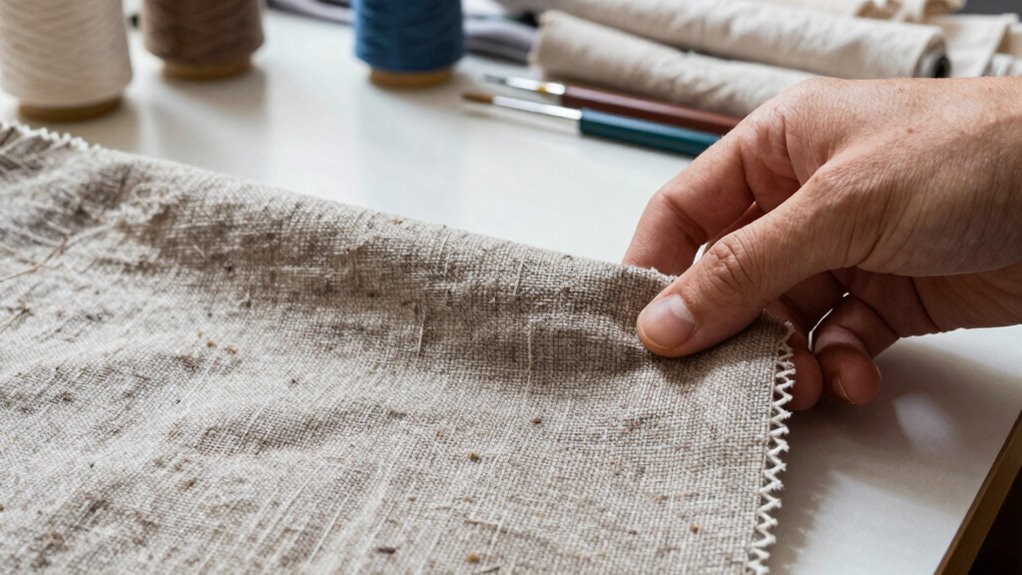
When you focus on fabric durability, you’re investing in pieces that won’t fall apart after a few wears, saving you money and reducing waste. A key aspect of selecting sustainable fabrics is understanding their environmental impact, which can influence your overall eco-conscious choices. Choosing fabrics with a low carbon footprint can further support your efforts to minimize environmental harm. Considering the manufacturing process can also help you identify more eco-friendly options. Additionally, being aware of sustainable fiber sources can guide you toward more ethically produced textiles. Being informed about fabric testing methods can ensure you select high-quality, long-lasting materials.
eco-friendly durable fabric clothing
As an affiliate, we earn on qualifying purchases.
As an affiliate, we earn on qualifying purchases.
Frequently Asked Questions
How Do I Identify High-Quality Fabrics?
To identify high-quality fabrics, check the fabric weaves—tight and even weaves indicate durability and quality. Feel the texture; smooth, soft fabrics often signal better craftsmanship. Look for dye stability by testing how well the color holds after washing or rubbing; stable dyes won’t fade easily. Also, consider the fabric’s weight and breathability. High-quality fabrics usually feel substantial yet comfortable, ensuring your garment lasts and maintains its appearance over time.
What Environmental Impacts Do Different Fabrics Have?
You might worry about environmental harm, but choosing fabrics with sustainable production and eco-friendly dyes can make a difference. Natural fibers like organic cotton, hemp, and Tencel have lower impacts, using less water and chemicals. Synthetic fabrics, however, often release microplastics and require more energy. By selecting eco-conscious materials, you help reduce pollution, conserve resources, and support brands committed to protecting the planet. Your choices truly matter.
Can Fabric Choice Affect Garment Longevity?
Yes, your fabric choice directly impacts garment longevity. Durability factors like fiber strength and weave tightness determine how well a piece holds up over time. Additionally, fabric maintenance plays a role; some materials require gentle washing or specific care routines. By selecting fabrics with strong durability factors and understanding proper maintenance, you can extend the life of your garments, ensuring they stay looking good longer.
Are Natural Fabrics Always Better Than Synthetic Ones?
You might think natural fabrics are always better, but that’s not always true. About 60% of consumers prefer synthetic fabrics for their durability and dye permanence, which keeps colors vibrant longer. Natural fabrics often feel softer and breathe better, but they can fade faster if not treated properly. So, choosing between natural and synthetic depends on your priorities—fabric softness, dye retention, and how long you want your garment to last.
How Does Fabric Breathability Influence Comfort?
Breathability directly impacts your comfort by aiding moisture management and temperature regulation. When fabric allows air to flow, it helps sweat evaporate quickly, preventing dampness and chills. This keeps you feeling dry and cool or warm, depending on your needs. Selecting breathable fabrics guarantees your body stays in a comfortable temperature range, reducing overheating or chilling, especially during physical activity or hot weather, making your overall experience far more enjoyable.
Conclusion
When you choose your fabric wisely, you’re weaving more than just clothing—you’re crafting comfort and sustainability into every thread. Imagine wrapping yourself in a soft, natural fiber that breathes with you on busy days or cools your skin on warm afternoons. Trend labels fade, but the feel of quality fabric stays with you, like a gentle hug. So, pick fabrics that nourish your body and honor the planet—your wardrobe’s true foundation.
Fall Picks
fall essentials
As an affiliate, we earn on qualifying purchases.