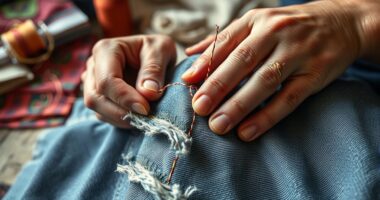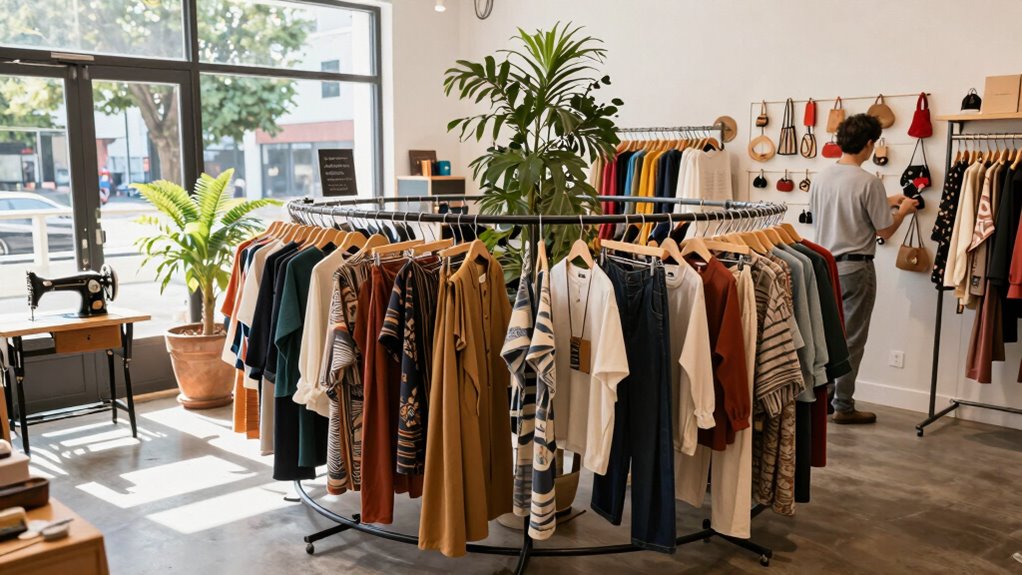

Circular fashion works by focusing on designing products that can be reused, recycled, or upcycled, reducing waste and environmental impact. It relies on responsible sourcing, ethical manufacturing, and transparent supply chains to make sure every step is eco-friendly. You play an essential role by choosing quality over quantity and supporting brands committed to sustainability. If you want to see how these principles come together in real-world practices, keep exploring these ideas further.
Key Takeaways
- Circular fashion prioritizes designing products for durability, recyclability, and upcycling to create a closed-loop system.
- Sustainable supply chains ensure ethical sourcing, traceability, and minimal environmental impact throughout production.
- Ethical manufacturing practices promote fair labor, eco-friendly dyes, and water conservation in garment creation.
- End-of-life design incorporates take-back programs and recycling to extend garment lifespan and reduce waste.
- Consumer engagement emphasizes quality, responsible purchasing, and supporting brands committed to sustainability.
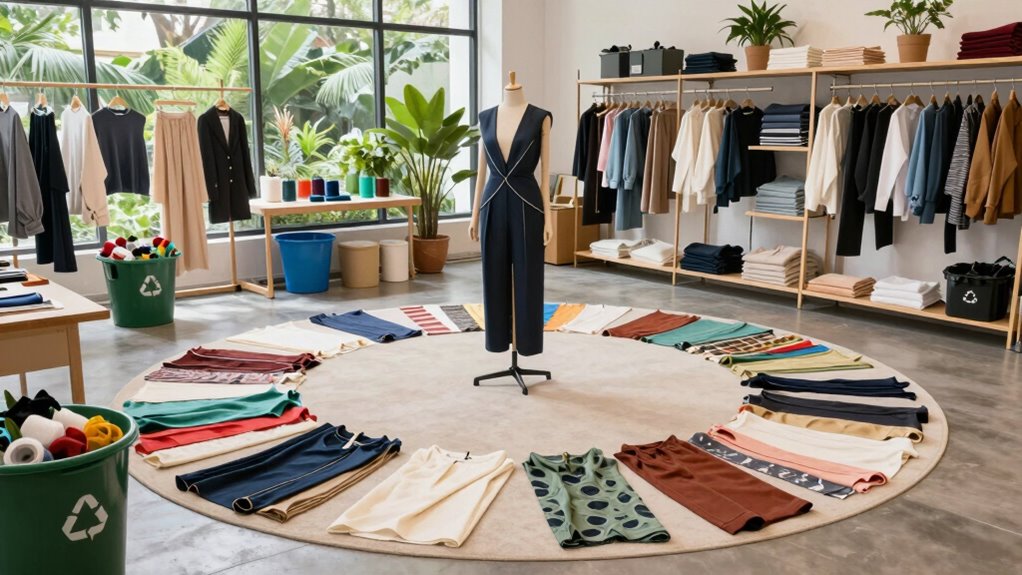
Have you ever wondered how fashion can be sustainable and eco-friendly at the same time? It’s a good question, especially as the industry faces increasing pressure to reduce its environmental footprint. Circular fashion offers a way forward, moving beyond just buzzwords to real, actionable practices. At its core, it emphasizes creating a closed-loop system where products are designed, produced, and reused in ways that minimize waste and environmental impact. This approach hinges on establishing sustainable supply chains—making sure every step from raw material sourcing to manufacturing aligns with eco-conscious principles. By prioritizing sustainable supply chains, brands ensure that materials are responsibly harvested, processed with minimal waste, and traceable at every stage. This reduces the carbon footprint and lessens reliance on finite resources, helping to keep the planet healthier.
Circular fashion prioritizes sustainable supply chains to reduce waste, lower environmental impact, and promote eco-conscious, responsible manufacturing practices.
Equally important is ethical manufacturing, which emphasizes fair labor practices and safe working conditions. When a brand commits to ethical manufacturing, it guarantees that workers aren’t exploited and are paid fairly for their efforts. This commitment often involves transparent supply chains, where you can trace the origins of your clothing back to factories that uphold high standards for workers’ rights. Ethical manufacturing also encourages the use of environmentally friendly dyes, reduced water consumption, and eco-conscious materials, all of which contribute to the larger goal of sustainability. By integrating these principles, brands foster trust and build a reputation rooted in integrity, making sustainability more than just a marketing term. Additionally, understanding the lifecycle of garments, including how they can be reused or recycled, is crucial to truly embracing circular fashion. Incorporating sustainable sourcing practices helps to further mitigate environmental impact and ensures that the entire process aligns with eco-friendly principles. Emphasizing the importance of responsible resource management helps ensure that every stage of a product’s lifecycle supports sustainable development.
In a circular fashion model, clothing isn’t just discarded after its initial use. Instead, it’s designed with the end of its life in mind—whether through recyclability, compostability, or upcycling. You might see brands offering take-back programs, where you return your old garments for refurbishment or recycling into new products. This creates a continuous cycle, reducing waste and conserving resources. When brands embrace this approach, they’re actively participating in a system that minimizes environmental harm and supports a more sustainable economy. Incorporating fire pits, outdoor ovens, and other backyard features can also extend the idea of sustainable and responsible living beyond fashion. It also encourages you as a consumer to think differently about your wardrobe—favoring quality over quantity, and choosing brands that prioritize sustainability and ethical practices.
Ultimately, circular fashion works beyond the buzzwords by embedding sustainable supply chains and ethical manufacturing into its DNA. It’s about creating a system that values longevity, responsibility, and respect—for the environment, workers, and consumers alike. This isn’t just a fleeting trend but a necessary shift toward a more responsible and eco-conscious industry. When you understand these principles, you become part of the solution, supporting brands that make sustainability a genuine priority.
As an affiliate, we earn on qualifying purchases.
Frequently Asked Questions
How Do Brands Measure the Success of Circular Initiatives?
You measure the success of circular initiatives by tracking sustainability metrics like waste reduction, material reuse rates, and energy efficiency. You also prioritize brand transparency, sharing data openly with consumers and stakeholders. By analyzing these metrics and communicating progress clearly, you can gauge your impact on sustainability goals, identify areas for improvement, and demonstrate your commitment to genuine circular fashion practices beyond just buzzwords.
What Are the Main Challenges in Implementing Circular Fashion?
You face challenges like managing your supply chain and sourcing sustainable materials. Coordinating suppliers to meet circular standards can be complex, as materials need to be recyclable or biodegradable. You also need to guarantee transparency in your supply chain, which can be difficult with multiple partners. Finding reliable sources of eco-friendly materials often involves higher costs and limited availability, making it harder to implement fully circular practices smoothly.
How Does Circular Fashion Impact Pricing and Affordability?
Circular fashion can lower costs through innovative practices like recycling and durable design, making it more affordable for you. While initial investments might be higher, in the long run, it promotes cost reduction, which benefits consumers. Additionally, by encouraging sustainable practices, circular fashion expands market accessibility, allowing more people to access eco-friendly options without breaking the bank. This approach ultimately makes sustainable fashion more inclusive and economically viable.
What Role Do Consumers Play in Circular Fashion Practices?
As a consumer, your behavior considerably influences circular fashion practices. By choosing to buy less, opt for high-quality, durable items, and participate in recycling awareness initiatives, you help extend the life cycle of garments. Recycling habits, like returning clothes to take-back programs or repurposing old items, reduce waste and support sustainable practices. Your conscious decisions drive demand for circular models, encouraging brands to prioritize eco-friendly, closed-loop production processes.
Are There Any Legal or Regulatory Hurdles for Circular Fashion?
Think of the legal landscape as a maze you must navigate carefully. You might face legal barriers like unclear regulations and intellectual property concerns. Regulatory compliance can feel like fitting puzzle pieces together, which isn’t always straightforward. These hurdles can slow down circular fashion’s growth, but staying informed about evolving laws and engaging with policymakers helps you stay on the right path, ensuring your sustainable efforts are legally sound and future-proof.
Conclusion
By now, you see that circular fashion isn’t just a fleeting trend; it’s a smart way to rethink how you consume and dispose of clothing. You get to extend the life of garments, reduce waste, and support sustainability—all while staying stylish. It’s a win-win situation that proves the proof is in the pudding. Embracing this approach means you’re not just riding the wave but helping to shape a more responsible future for fashion.