
TL;DR

Get your wardrobe favorites delivered free — and shop member deals
- Fast, free delivery on millions of items
- Access to Prime Big Deal Days deals on October 6–7
- Prime Video, Amazon Music and more included
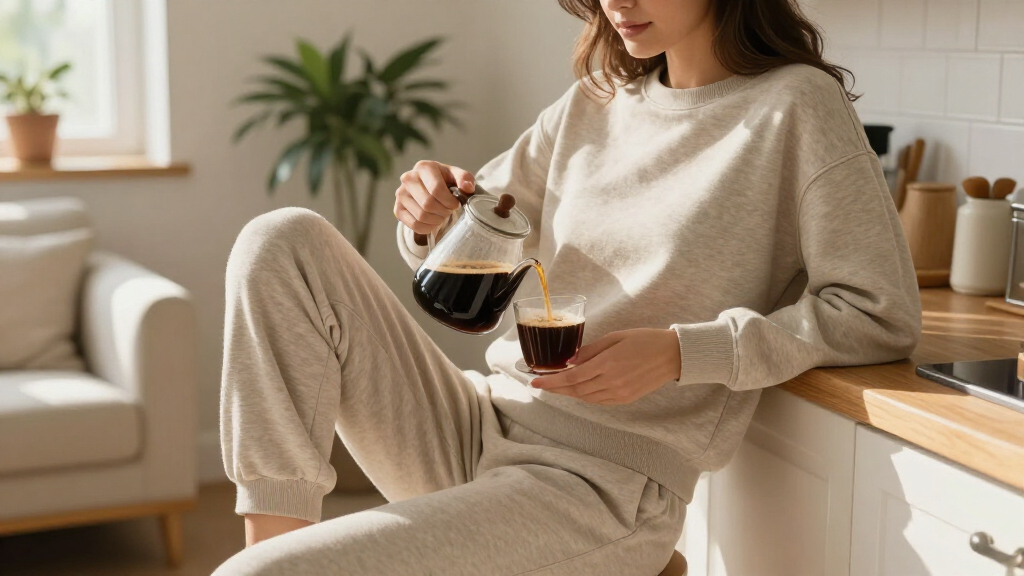
The Good Trade published a hands-on review of ten organic cotton sweatpants and sweatsuit sets for 2026, testing each pair across workouts, city walking, sleep and client meetings. The reviewer, a Manhattan-based writer with synthetic-fabric sensitivities, evaluated softness, breathability, waistband comfort, pockets, shrinkage and fabric content. The piece names Reprise as a standout for substantial everyday sweats at $65.
The Good Trade has published a hands-on review of ten organic cotton sweatpants and sweatsuit sets for 2026, after a reviewer wore each pair through workouts, long city walks, sleep, and client meetings over several weeks. The guide names a preferred pair for each use case rather than a single overall winner, and flags the certifications behind each brand’s organic and sustainability claims. For shoppers with sensitive skin or those trying to avoid synthetics, the roundup is a rare source of wear-tested, label-verified guidance in a category where fabric content is often buried.
The review was written by a Manhattan-based life coach who describes herself as a highly sensitive person who does not tolerate synthetic fabrics against her skin. According to the reviewer, the testing process began after she bought discounted T-shirts, sweatpants and socks at a major Manhattan discount store, only to find acrylic, Lycra or spandex in nearly every item once she checked the labels. “I felt like I was sweating inside a plastic bottle,” she wrote of wearing one pair to a yoga class, adding that she “threw everything away” and started over with sustainably made alternatives.
Each of the ten pairs was tested across the reviewer’s full daily routine — workouts, walking around Manhattan, sleeping, and dressing up for client meetings — with attention to softness, weight, breathability, waistband comfort, pocket design, and washability. She also ran a spot-cleaning test on one pair that got dirty midday, and checked fabric content labels directly. The reviewer reports minimal shrinkage across the tested pairs, though she notes she line-dries rather than using a dryer, which she says ages clothing faster. At 5’6″, her length and fit notes reflect that height, and she notes sizing can vary between brands.
The top-listed pick is Reprise, recommended for “substantial, everyday organic cotton sweats,” tried in size small, at $65, with no reported shrinkage. The brand carries a B Corp certification, eco-friendly packaging, and Fair Trade and plastic/PFAS-free credentials, and is woman-owned and size-inclusive, according to the review. Details for the remaining nine picks appear later in the full guide.
Why Fabric Content Matters for Buyers
The review speaks to a common but under-reported problem: shoppers often cannot tell from look or feel what a garment contains, and synthetic blends frequently dominate the discount and fast-fashion market. For people with eczema, chemical sensitivities, or skin reactions to synthetics, the reviewer argues organic cotton is a safer alternative because it is grown without synthetic pesticides and fertilizers, whose residues she says can linger in conventional cotton fabrics.
The guide also frames the choice in environmental terms. Conventional cotton, the review states, is one of the most chemically treated crops in the world, while organic farming practices promote healthier soil, biodiversity, and reduced runoff, and generally use less water and energy. Many organic cotton brands additionally emphasize fair wages and safe working conditions. These are the review’s claims rather than independently verified findings in this piece, but the certifications cited for each brand — such as B Corp and Fair Trade for Reprise — give shoppers a way to check them.
How the Ten Pairs Were Tested
The Good Trade’s methodology, as described by the reviewer, involved several weeks of real-world wear per pair rather than lab testing. Beyond comfort factors like waistband design and breathability, she assessed whether styles were polished enough for errands, school pickups, and airport outfits — her four stated criteria being organic materials, sustainability commitments, comfort, and style.
The review is part of the site’s broader endorsement model: The Good Trade states that editors only recommend products they have personally researched and tested, and that the site earns a commission on some purchases made through its links. Readers should treat the recommendations as a affiliated editorial content rather than an independent consumer-testing verdict.
“I felt like I was sweating inside a plastic bottle.”
— The Good Trade reviewer
What the Review Doesn’t Establish
The piece is a single reviewer’s experience rather than a controlled test, and several limits are worth noting. Long-term durability beyond several weeks of wear is not addressed, and the shrinkage findings reflect line-drying only — results may differ for machine-dried garments. Fit notes are based on one tester’s height (5’6″) and the sizes she tried, and sizing is not standardized across brands, so readers should check each brand’s size chart.
The review’s environmental and health claims about organic versus conventional cotton are presented as general background without cited studies, and the affiliated links mean the outlet has a commercial interest in purchases. Pricing reflects the time of publication and may change.
For Shoppers Considering a Pair
Readers can consult the full guide for the remaining nine picks, which the reviewer says cover different needs — sleep, workouts, and casual or dressier wear. The review also suggests pairing sweatpants with organic leggings, bralettes, and socks for a complete loungewear setup. Shoppers with sensitivities can apply the reviewer’s core lesson directly: check the fabric content label before buying, since softness in store does not indicate a garment is cotton. The Good Trade is expected to continue updating its sustainable apparel guides through 2026.
Key Questions
Which organic cotton sweatpants topped the 2026 review?
The first-listed pick is Reprise, recommended for substantial, everyday organic cotton sweats. The reviewer tried it in size small at $65 and reported no shrinkage. The guide recommends other pairs by use case rather than naming one overall winner.
Did the tested sweatpants shrink in the wash?
The reviewer reports minimal shrinkage across the ten pairs, but she line-dries rather than using a dryer. Shrinkage behavior under machine drying was not tested.
Why choose organic cotton over conventional cotton?
According to the review, organic cotton is grown without synthetic pesticides and fertilizers, which the reviewer says is gentler on sensitive skin and reduces chemical runoff, water use, and energy use compared with conventional cotton. Many organic brands also emphasize fair labor practices, verified through certifications such as Fair Trade and B Corp.
How were these sweatpants tested?
A single reviewer wore each pair over several weeks through workouts, long walks, sleep, and client meetings, rating softness, weight, breathability, waistband comfort, pockets, and washability, including one spot-cleaning test. It is hands-on wear testing, not laboratory analysis.
Is this review independently verified?
No. The Good Trade states it earns commissions on some purchases made through its links, so the guide is affiliated editorial content. Certifications listed for each brand provide third-party backing for organic and ethical claims, but the wear-testing itself reflects one person’s experience.
Source: rss
Fall Picks
fall essentials
As an affiliate, we earn on qualifying purchases.