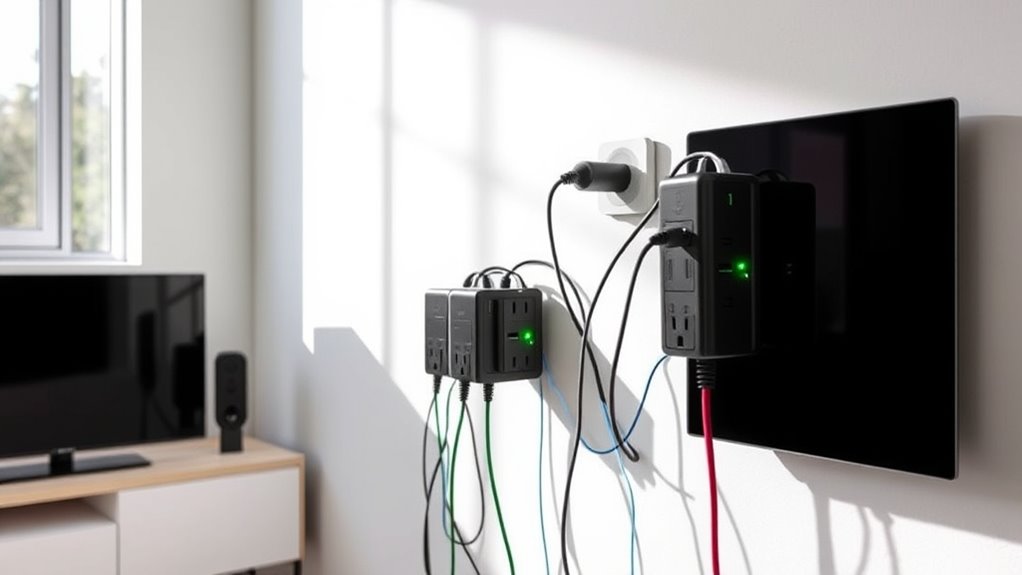

Protecting an entire home from power surges is essential for safeguarding appliances, electronics, and electrical systems. The best overall pick is the Square D HEPD80 for its robust 80kA protection and reliable performance, while the Eaton CHSPT2SURGE offers excellent value with comprehensive features. For those seeking premium safety, Siemens BoltShield provides high surge capacity and durability. The main challenge in choosing a whole home surge protector lies in balancing cost, surge capacity, and ease of installation. Continue reading for a detailed comparison to help you find the right fit for your needs.

Get your wardrobe favorites delivered free — and shop member deals
- Fast, free delivery on millions of items
- Access to Prime Big Deal Days deals on October 6–7
- Prime Video, Amazon Music and more included
Key Takeaways
- High surge capacity (measured in amps) is crucial for protecting against larger power events, especially in areas prone to thunderstorms.
- Type 1 devices are installed at the main electrical panel and are best for primary surge defense, while Type 2 units are designed for downstream protection.
- A higher joule rating generally indicates longer-lasting protection, but it must be balanced with surge current capacity (kA).
- Installation complexity varies; some units are plug-in while others require professional wiring, affecting overall cost and effort.
- Durability and weather resistance are important for outdoor models, ensuring long-term performance in harsh conditions.




| whole home surge protector | Voltage |
|---|---|
| Square D by Schneider Electric | 120/240V |
| Eaton Surge Protection Device | 120/240V |
| HSPD Square Whole Home Surge P | 120/240VAC |
| Square D HEPD80 Universal Whol | 120/240V |
| HSPD Square Whole Home Surge P | 120/240VAC |
| Siemens BoltShield FSPD140 Lev | 120/240V |
| Furniqro FHSPD36S Whole House | 120/240V |
| ABB ThomesurgEP Whole Home Sur | 120/240V & 120/208V AC |
| FHSPD108S Whole House Surge Pr | 120/240V |
| Eaton CHSPT2SURGE Type 2 Whole | 120/240 VAC |
More Details on Our Top Picks
Square D by Schneider Electric HEPD50 Universal Whole House Surge Protection Device, 1-Phase, 3-Wire + Ground for 120/240V, 50kA, Black
This model stands out for its universal compatibility with residential load centers and its straightforward installation. Compared to the Eaton Surge Protection Device, the HEPD50 offers a more visible status indicator and is rated for outdoor use, making it a flexible choice for various setups. Its 50,000 amp surge capacity is sufficient for most storm-related surges but less than the 80kA capacity of higher-end models, which could be a concern for homes in high-risk areas. The device’s compatibility with both indoor and outdoor environments, along with its CSA and UL certifications, ensures broad safety standards. However, its focus is solely on surge protection, with no additional features like monitoring or outlet protection. This makes it ideal for homeowners seeking a reliable, straightforward solution without extra bells and whistles.
Pros:- Universal compatibility with residential load centers
- Clear LED status indicator simplifies monitoring
- Suitable for both indoor and outdoor installation
Cons:- Limited surge capacity compared to higher-rated options
- Only provides surge protection without additional features
Best for: Homeowners who want a dependable, easy-to-install surge protector with outdoor suitability and clear status indicators.
Not ideal for: Those looking for integrated monitoring or advanced features, or homes in extremely surge-prone areas needing higher capacity.
- Voltage:120/240V
- Phase:1-Phase
- Wires:3-Wire + Ground
- SCCR:25,000A
- Certifications:CSA, UL 1449 3rd Edition Type 1
- Surge capacity:50kA
Our verdict“This surge protector offers a reliable, versatile solution for homeowners seeking straightforward whole-home surge protection.”
Eaton Surge Protection Device, 1 Phase, 120/240V, 2 Poles, 2 Wires
This device is designed for quick, hassle-free installation with broad load center compatibility, making it a smart choice for those upgrading their existing systems. Unlike the Square D HEPD80, which offers higher surge capacity, the Eaton model is geared toward simplicity and universal fit, especially fitting for homes with standard 1-phase wiring. While lacking detailed performance specs, its durable construction and straightforward wiring make it suitable for homeowners who want a reliable, no-fuss solution. It does not specify surge capacity, which could be a drawback for users in areas with frequent storms or electrical issues. The Eaton unit is best suited for those prioritizing ease of setup over maximum surge capacity or advanced features.
Pros:- Universal compatibility with load centers
- Easy to install with minimal wiring complexity
- High-quality construction ensures durability
Cons:- Limited details on surge capacity and performance
- Designed for 1-phase systems only
Best for: Homeowners seeking a simple, compatible surge protection device that installs easily into standard load centers.
Not ideal for: Homes in high-risk areas requiring high surge capacity or those wanting detailed performance data for advanced planning.
- Model Number:CHSPT2ULTRA
- Voltage:120/240V
- Phase:1
- Poles:2
- Wires:2
Our verdict“This surge protector is ideal for those prioritizing straightforward, reliable installation over maximum surge capacity.”
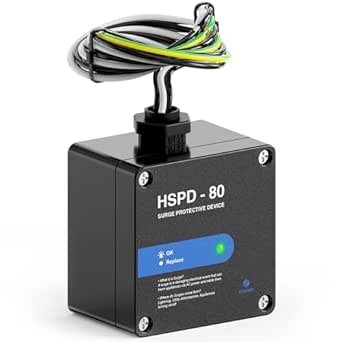
HSPD Square Whole Home Surge Protective Device, Type 1 SPD, 120/240VAC
The HSPD offers substantial surge capacity, with ratings up to 80kA, making it suitable for homes in areas with frequent electrical storms. Compared to the Square D HEPD50, it provides a higher maximum surge current, which is a significant advantage for high-risk locations. Its compatibility with various circuit breaker brands enhances flexibility during installation. The compact design allows for easy integration into existing systems, but professional installation is recommended to ensure safety and optimal performance. The lack of detailed lifespan or warranty info might concern buyers who want long-term assurance. This device is best suited for those needing extra surge protection for more valuable electronics or living in storm-prone zones.
Pros:- High surge capacity of 80kA for aggressive protection
- Compatible with various circuit breaker brands
- Compact and easy to install
Cons:- Requires professional installation
- No detailed lifespan or warranty information
Best for: Homeowners in high-risk environments needing maximum surge capacity and broad circuit breaker compatibility.
Not ideal for: People seeking a less expensive, basic surge protector or those comfortable with lower surge ratings.
- Surge Capacity:80kA
- Voltage:120/240VAC
- Type:Type 1 SPD
- Design:Compact
- Compatibility:Any brand circuit breaker
Our verdict“This surge protector is best for homeowners in storm-prone areas who need maximum surge capacity and broad compatibility.”
Square D HEPD80 Universal Whole House Surge Protection Device, 1-Phase, 3-Wire for 120/240V, 80kA
The HEPD80 offers a higher surge capacity than the HEPD50, making it suitable for homes in areas with frequent and severe electrical surges. Its 80kA rating ensures better protection for high-value electronics and appliances. The device’s straightforward design includes an LED indicator for easy status monitoring, and it’s compatible with most load centers, similar to the HSPD. However, installation into the load center may require professional help, and it doesn’t provide protection for individual outlets or power strips. Compared with lower-capacity models, it offers increased peace of mind but at the cost of potentially higher installation complexity and expense.
Pros:- Higher surge capacity of 80kA for robust protection
- Easy to install with LED status indicator
- Universal compatibility with load centers
Cons:- Requires installation into the load center, often needing professional help
- Limited to whole-house surge protection, no outlet-specific features
Best for: Homeowners wanting enhanced surge protection for sensitive electronics and appliances, especially in storm-prone or high-power environments.
Not ideal for: Those on a tight budget or seeking a plug-and-play solution without professional installation needs.
- Type:Whole House Surge Protector
- Phase:1-Phase
- Wires:3-Wire
- Voltage:120/240V
- Surge Capacity:80kA
Our verdict“This surge protector is suited for those requiring high surge capacity and reliable whole-home protection with professional installation.”
HSPD Square Whole Home Surge Protective Device, Type 1 SPD, 120/240VAC
The HSPD offers the highest surge capacity among these options at 80kA, making it an excellent choice for homes in high-risk areas. Its broad compatibility with circuit breakers from any brand simplifies installation, and its durability suits both indoor and outdoor environments. Compared to the Square D HEPD80, the HSPD emphasizes compatibility and high surge capacity, but might lack detailed warranty or lifespan info that some buyers prefer. Professional installation is recommended, but its compact design minimizes space concerns. This device is ideal for those seeking maximum surge absorption and versatile installation options for demanding conditions.
Pros:- High surge capacity of 80kA for maximum protection
- Compatible with any brand circuit breaker
- Suitable for indoor and outdoor use
Cons:- Requires professional installation
- No specific long-term warranty details available
Best for: Homeowners in areas with frequent severe surges needing high capacity and broad circuit breaker compatibility.
Not ideal for: Budget-conscious buyers seeking a lower-cost, less complex installation process or those with minimal surge concerns.
- Surge Capacity:80kA
- Voltage:120/240VAC
- Type:Type 1 SPD
- Design:Compact
- Compatibility:Any brand circuit breaker
Our verdict“This surge protector is best for users needing the highest surge capacity with versatile, indoor-outdoor installation options.”
Siemens BoltShield FSPD140 Level 2 Whole House Surge Protection Device Rated for 140,000 Amps, 120/240V
The Siemens BoltShield FSPD140 stands out for its high surge current rating of 140kA, making it well-suited for homes exposed to frequent or severe external surges. Compared with smaller capacity options like the ABB ThomesurgEP, this model offers significantly stronger protection for entire electrical systems, especially in outdoor environments. Its durable polycarbonate enclosure and external mounting capability make installation flexible, but it’s bulkier and may require professional setup. Diagnostic indicators and alarms provide peace of mind, alerting homeowners when replacement is needed. While the high capacity is a major plus, its size and installation complexity might deter DIYers or those with limited space. Overall, this pick makes the most sense for homes in surge-prone areas needing reliable, heavy-duty protection.
Pros:- High surge capacity of 140kA ensures strong protection against external surges
- Suitable for outdoor and indoor installation with durable, weatherproof enclosure
- Diagnostic indicators alert for replacement needs and system status
Cons:- Installation may require professional electrical expertise
- Bulky size limits placement options and may be less discreet
Best for: Homeowners in areas with frequent thunderstorms or high external surge risks, seeking robust outdoor and indoor protection.
Not ideal for: Small residences or budget-conscious buyers who prefer simpler, less expensive solutions that don’t require professional installation.
- Number of Outlets:4
- Voltage:120/240V
- Maximum Current:140A
- Compatible Devices:Entire Home’s Electrical System
- Enclosure Material:Polycarbonate
- Additional Features:Visual Red Flag Indicator, Audible Alarm, External Mounting
Our verdict“This device is best for homeowners needing high-capacity, outdoor-ready surge protection with professional installation tolerance.”
Furniqro FHSPD36S Whole House Surge Protector for 36,000 Amps, Indoor/Outdoor Use, 120/240V
The Furniqro FHSPD36S offers a compelling balance of capacity and size, with a 36,000A surge rating that provides solid defense for most residential needs. Compared with the higher-capacity Siemens BoltShield, it’s less suited for extreme surge environments but still protects against common thunderstorms and power spikes. Its compact design makes it easier to install in tight spaces, and its compatibility across brands broadens its appeal. However, it requires proper grounding and professional installation to ensure effectiveness, and its warranty details are not specified, which could be a concern for long-term reliability. This model is ideal for homeowners who want effective surge protection without the bulk or cost of larger systems.
Pros:- Capable of handling 36,000A surge for comprehensive protection
- Compact, space-saving design suits tight installation spots
- Compatible with various load centers and circuit breakers
Cons:- Requires professional installation for proper grounding
- Lack of warranty information may affect long-term confidence
Best for: Homeowners needing reliable, space-efficient surge protection for both indoor and outdoor use, with moderate surge risks.
Not ideal for: Homes in areas with extreme surge conditions or those looking for heavy-duty outdoor protection without professional installation support.
- Capacity:36,000 Amps
- Voltage:120/240V
- Application:Indoor/Outdoor
- Item Count:1
Our verdict“This pick makes sense for buyers seeking a compact, versatile surge protector suitable for indoor and outdoor applications at a reasonable price.”
ABB ThomesurgEP Whole Home Surge Protection Device Type 1 SPD NEMA 3R
The ABB ThomesurgEP provides dependable Type 1 surge protection, designed for installation at the service entrance or in a sub-panel, making it ideal for whole-home defense against external surges. Compared to high-capacity models like the Siemens BoltShield, it offers a more straightforward, code-compliant solution that’s easier to install without occupying breaker slots. Its NEMA 3R enclosure allows outdoor installation, but its 10kA nominal discharge and 200kA SCCR focus on immediate, reliable protection for sensitive electronics. The main tradeoff is that it’s less suited for extreme surges or as a primary defense in high-risk environments, and professional installation is recommended. This device is best for those prioritizing compliance and easy integration into existing electrical systems.
Pros:- Provides reliable, immediate surge protection at service entrance
- Easy to install without occupying breaker spaces
- Complies with latest NEC 2023 standards and features durable NEMA 3R enclosure
Cons:- Requires professional installation, adding to setup complexity
- Limited information on lifespan and replacement indicators
Best for: Homeowners seeking NEC 2023-compliant, service entrance surge protection with straightforward installation and outdoor durability.
Not ideal for: Buyers needing high-capacity protection for severe external surges or those wanting a plug-and-play solution without professional installation.
- Protection Type:Type 1 SPD
- Voltage:120/240V & 120/208V AC
- SCCR:200kA
- Nominal Discharge:10kA
- Enclosure:NEMA 3R
Our verdict“This device suits those who want a code-compliant, easy-to-install surge protector for whole-home protection at the service entry point.”
FHSPD108S Whole House Surge Protector for 108,000 Amps, Indoor/Outdoor Use, 120/240V
The FHSPD108S delivers impressive surge capacity of 108,000A, making it suitable for homes that demand high-level protection without the bulk of larger systems like the Siemens BoltShield. It’s designed for indoor or outdoor use, with a sleek, space-efficient profile that fits easily into various load centers. Compared with the Furniqro FHSPD36S, its higher capacity offers better defense against severe surges, but it still requires proper grounding and professional installation to function correctly. Its commercial-grade enclosure adds durability but may be overkill for less surge-prone environments. This pick is ideal for homeowners who want a high-capacity, space-saving solution with flexible installation options.
Pros:- High surge capacity of 108,000A offers robust protection
- Compact design fits easily into existing load centers
- Suitable for indoor and outdoor use with durable construction
Cons:- Proper grounding and professional installation are essential
- Potential startup issues if misused or improperly grounded
Best for: Homeowners needing a high-capacity, compact surge protector capable of outdoor installation with professional setup.
Not ideal for: Those in low surge risk areas or seeking an extremely budget-friendly solution that doesn’t require professional installation.
- Capacity:108,000 Amps
- Voltage:120/240V
- Installation:Indoor/Outdoor
- Enclosure:Commercial-grade
Our verdict“This device is ideal for homeowners who want a high-capacity, space-efficient surge protector that can be installed outdoors with professional help.”
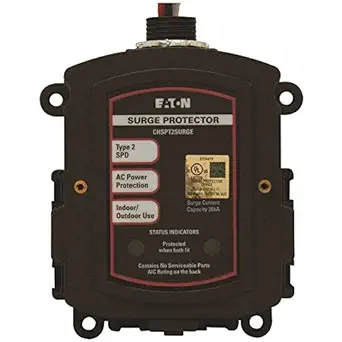
Eaton CHSPT2SURGE Type 2 Whole Home Surge Protector, NEMA 4, Single Phase, 120/240V
The Eaton CHSPT2SURGE offers a user-friendly, reliable solution for whole-home surge protection in single-phase 120/240V systems. Its quick connect design simplifies installation, especially for those replacing previous devices or integrating into existing load centers. Compared with the ABB ThomesurgEP, this model provides a more straightforward installation process, thanks to its quick connect features and LED status indicators for monitoring. Its NEMA 4 enclosure ensures durability outdoors, but it’s limited to single-phase systems, making it less versatile for three-phase or more complex setups. The need for connection on the load side of the main disconnect and potential professional installation requirements are important considerations. This unit is ideal for homeowners wanting an easy-to-install, reliable surge protector with clear status indicators.
Pros:- Easy to install with quick connect design
- Provides reliable whole-home surge protection
- Durable NEMA 4 outdoor enclosure with LED indicators
Cons:- Installation requires connection on the load side of the main disconnect
- Limited to single-phase systems, reducing versatility
Best for: Homeowners seeking straightforward, reliable surge protection for single-phase systems with simple monitoring features.
Not ideal for: Homes requiring three-phase protection or those wanting a plug-and-play, no-install solution without professional help.
- Brand:Eaton
- Model:CHSPT2SURGE
- Part Number:CHSPT2SURGE
- Voltage:120/240 VAC
- Phase:Single
- Enclosure:NEMA 4
Our verdict“This device is well-suited for owners needing a simple, durable, and easy-to-install surge protector for single-phase applications with monitoring features.”
How We Picked
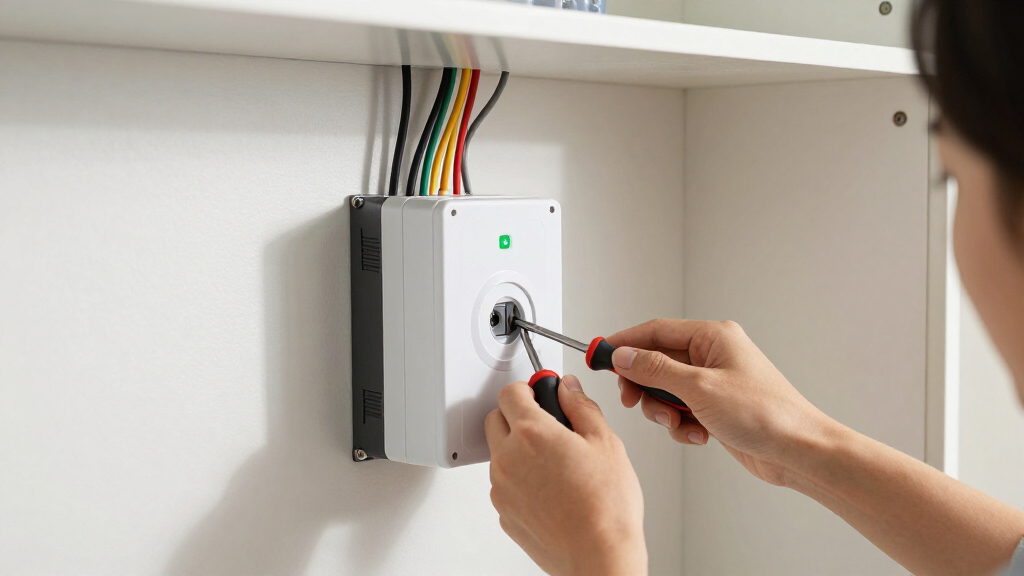
These products were selected based on their surge capacity, certification standards, installation requirements, and durability. I prioritized units that provide reliable protection for the entire home, with a focus on broad compatibility, ease of installation, and long-term performance. The ranking considers both high surge current ratings and build quality to ensure durability over time. Price was a factor but balanced against features and safety certification, aiming to recommend options suitable for different budgets and needs.Factors to Consider When Choosing Whole Home Surge Protectors
Choosing the right whole home surge protector involves understanding several key factors. Not all devices are created equal, and selecting a model that matches your home’s electrical demands and installation environment can make a significant difference in safety and longevity. Here are the main considerations to keep in mind beyond just specifications.Surge Capacity (kA Ratings)
Surge capacity, measured in kiloamperes (kA), indicates how much energy a protector can absorb before failing. Higher ratings typically mean better protection against large power surges, such as those caused by lightning strikes. However, choosing a device with excessively high capacity when unnecessary can add cost without added benefit. For most homes, a surge protector with at least 50kA capacity provides solid protection, but areas with frequent storm activity may warrant units rated above 80kA.
Type of Surge Protection (Type 1 vs. Type 2)
Type 1 devices are installed at the main service entrance and are designed for primary surge protection, especially against external surges like lightning strikes. Type 2 units are installed inside the panel to handle residual surges and protect individual circuits. Many homes benefit from a combination of both, but understanding your home’s electrical setup and potential risks can help determine the right configuration. Incorrect installation of these types can reduce effectiveness or create safety hazards.
Durability and Weather Resistance
Outdoor models or those installed in exposed locations need to withstand environmental factors such as rain, snow, and temperature fluctuations. Look for surge protectors rated NEMA 3R or higher for outdoor use, which offer better weather resistance. Indoor units may not need such durability but should still be built with quality materials to ensure longevity. Failing to consider environmental factors can lead to early failure and compromised protection.
Ease of Installation and Maintenance
Some surge protectors are plug-in units that require minimal wiring, making them suitable for DIY installation. Others need professional wiring, especially Type 1 devices, which can add to the initial cost but ensure proper grounding and safety. Maintenance is generally minimal, but periodic checks and replacements after large surges are recommended. Proper installation not only ensures safety but also maximizes the lifespan of the device.
Cost and Long-term Value
While higher capacity and outdoor-rated units tend to cost more upfront, they often provide better long-term protection and durability. Cheaper models may save money initially but could require earlier replacement or offer less comprehensive protection. Balancing your budget with the level of protection needed is essential—investing a bit more in a quality unit can prevent costly damages in the future. Consider the warranty and service life as additional indicators of value.
Frequently Asked Questions
Do I need a Type 1 or Type 2 surge protector for my home?
The choice depends on your home’s electrical setup and risk exposure. A Type 1 device is installed at the main service panel and provides primary protection against external surges, such as lightning strikes. Type 2 units are placed downstream to handle residual surges and protect individual circuits. Many homes benefit from a combination of both, especially if you live in an area with frequent thunderstorms or have high-value electronics that need extra protection. Consulting an electrician can help determine the most effective configuration for your situation.
How often should I replace my surge protector?
Most surge protectors do not have a visible indicator of failure, so it’s wise to replace them after a significant surge event or every 5 to 10 years, whichever comes first. Some units feature indicator lights that show operational status; if the light goes out, replacement is recommended. Over time, the components inside degrade, reducing effectiveness. Regular inspections and adhering to manufacturer guidelines can help ensure your home remains protected.
Can I install a whole home surge protector myself?
While some plug-in models are suitable for DIY installation, most Type 1 or Type 2 units require a licensed electrician. Proper grounding and adherence to electrical codes are critical for safety and effectiveness. Incorrect installation can lead to reduced protection or electrical hazards. If you lack experience with electrical work, hiring a professional is the safest option to ensure the device is correctly installed and certified for use.
Will a surge protector protect my appliances from lightning strikes?
A high-quality surge protector can mitigate damage from nearby lightning strikes, but no device can guarantee complete protection against a direct lightning hit. Installing a surge protector at the main panel significantly reduces the risk, but it’s also wise to unplug sensitive electronics during storms. For ultimate safety, consider additional lightning protection systems and grounding measures as part of your overall home safety plan.
What features should I look for in outdoor surge protectors?
Outdoor surge protectors should be rated NEMA 3R or higher for weather resistance, including protection against rain, snow, and dust. They should also have high surge capacity ratings and durable housing materials to withstand environmental stressors. Ease of access for inspection and replacement is another consideration, especially if the device is mounted in a hard-to-reach outdoor location. Investing in a well-rated outdoor model can extend the protection lifespan and reliability of your entire home’s electrical system.
Conclusion
For those seeking a reliable, all-around solution, the Square D HEPD80 offers a balanced mix of high surge capacity and ease of installation, making it the best overall choice. Budget-conscious homeowners will appreciate the Eaton CHSPT2SURGE for its comprehensive features at a lower price point. If you want the highest durability and outdoor protection, the Siemens BoltShield stands out as a premium pick. Beginners or DIY enthusiasts should prioritize plug-in models with simple installation, while those with high-value electronics or living in storm-prone areas should lean toward units with higher surge ratings and outdoor ratings. Tailoring the choice to your specific needs will ensure the best protection for your home.
As an affiliate, we earn on qualifying purchases.Fall Picks
fall essentials