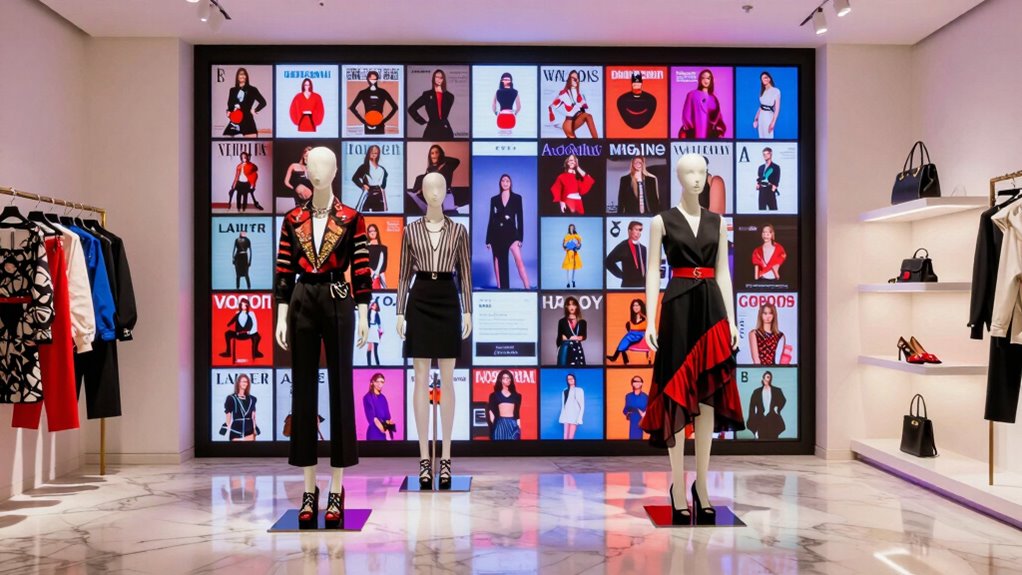

Fashion businesses think like media brands because they need to stay relevant and build genuine connections with their audience. By embracing content diversification, leveraging influencer collaborations, and adopting digital strategies, you can craft engaging stories that resonate. This shift helps you stand out, foster loyalty, and create a community around your brand. If you want to discover how to leverage these tactics effectively, there’s more to explore that can elevate your approach even further.
Key Takeaways
- To stay relevant, fashion brands need to create engaging narratives similar to media outlets, fostering deeper audience connections.
- Diversifying content formats helps brands entertain, inspire, and educate, enhancing audience engagement beyond traditional advertising.
- Leveraging analytics allows fashion brands to optimize content strategies and better target their audiences.
- Viewing as media entities enables brands to build loyal communities through authentic storytelling and influencer collaborations.
- Adapting to digital trends and participating in conversations helps brands maintain a competitive edge in a dynamic industry.
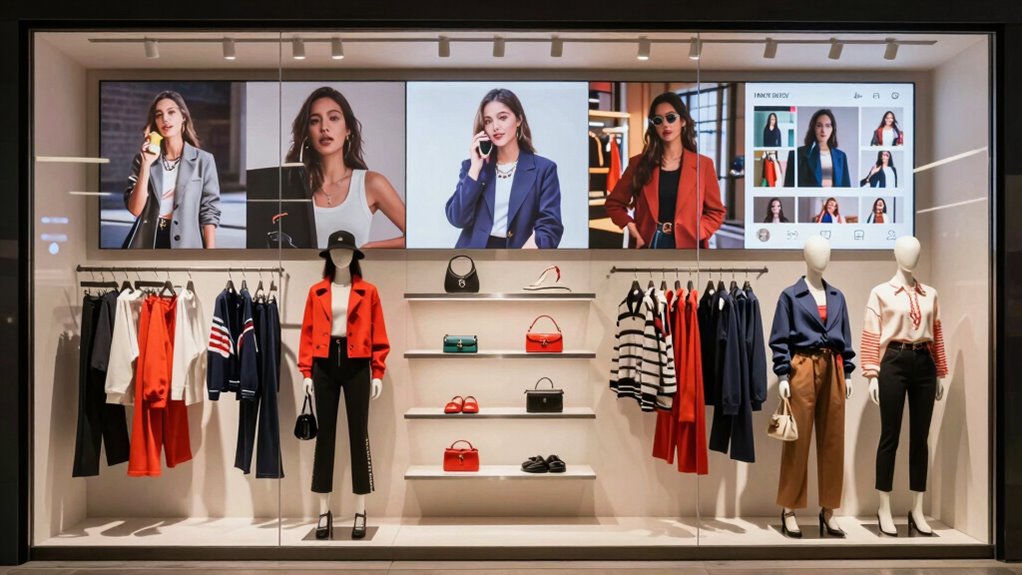
In today’s competitive fashion industry, brands can no longer rely solely on traditional marketing methods; instead, they must think like media brands to stay relevant. You need to understand that consumers now crave more than just clothing—they want stories, experiences, and authentic connections. You also need to recognize that technology reviews and digital content strategies play a significant role in shaping how brands engage with their audiences. This shift means embracing strategies like influencer collaborations, which allow you to tap into established voices that resonate with your target audience. Partnering with influencers isn’t just about paid posts; it’s about creating genuine relationships that amplify your brand’s message across multiple channels. When you collaborate with influencers, you’re essentially leveraging their credibility to tell your brand’s story in a more personal and engaging way. This approach helps you reach niche communities and build trust more effectively than traditional ads ever could.
Brands must think like media companies—creating authentic stories and engaging content to connect with consumers.
But influencer collaborations are just one piece of the puzzle. Content diversification plays a crucial role in establishing your brand as a media entity. Instead of sticking to static images or basic product shots, you need to produce a variety of content formats—videos, behind-the-scenes footage, live streams, user-generated content, and interactive stories. This variety keeps your audience engaged and encourages them to interact with your brand across different platforms. When you diversify your content, you’re not just selling products; you’re creating a lifestyle that your followers want to be part of. You become a source of entertainment, inspiration, and education, making your brand more memorable and relatable. Recognizing the importance of content strategy can help you craft content that aligns with your overall brand narrative and appeals to your target audience’s interests. Additionally, understanding your audience’s preferences and the role of analytics can help you optimize your efforts and ensure your content remains effective and relevant. Embracing a multichannel approach enables you to reach audiences wherever they are and adapt your messaging for maximum impact. Moreover, adopting a storytelling mindset allows brands to connect on a deeper emotional level with their followers, fostering loyalty and advocacy.
Thinking like a media brand also involves understanding that your content must be consistent, authentic, and tailored to your audience’s preferences. You have to monitor what’s working, adapt quickly, and stay relevant by riding trends and participating in conversations that matter. This means not only producing high-quality content but also ensuring it aligns with your brand voice and values. When you approach your marketing this way, you foster a community rather than just a customer base. Your followers become your ambassadors, sharing your content organically and helping you expand your reach.
Ultimately, this mindset shift is about recognizing that your brand is a media company in its own right. By strategically leveraging influencer collaborations and diversifying your content, you can build a loyal community, stay ahead of competitors, and remain relevant in an ever-evolving digital landscape. You’re not just selling clothes—you’re shaping a narrative that consumers want to be part of.
fashion influencer collaboration tools
As an affiliate, we earn on qualifying purchases.
As an affiliate, we earn on qualifying purchases.
Frequently Asked Questions
How Do Fashion Brands Measure Success as Media Entities?
You measure success as a media entity through content diversification and compelling brand storytelling. By tracking engagement metrics like shares, comments, and time spent on your content, you see how well your stories resonate. You also monitor growth in followers and community interactions, which reflect your brand’s influence. Ultimately, success means building a loyal audience that connects emotionally with your content, turning viewers into brand advocates.
What Tools Are Essential for Fashion Brands to Create Media Content?
Think of content creation tools as your paintbrushes in visual storytelling. To craft compelling media content, you need essential tools like Adobe Photoshop and Canva for stunning visuals, along with video editors like Premiere Pro or Final Cut Pro for dynamic videos. Social media management platforms like Hootsuite or Buffer help you schedule and analyze posts. These tools empower you to tell your brand story vividly and engage your audience effectively.
How Can Small Fashion Businesses Adopt Media Strategies Effectively?
To adopt media strategies effectively, you should focus on content diversification and compelling brand storytelling. Use various formats like videos, photos, and blogs to reach different audiences and keep your content fresh. Share authentic stories about your brand’s vision, values, and behind-the-scenes moments to build emotional connections. Consistency is key—post regularly and engage with your followers. This approach helps your small fashion business stand out and grow in a crowded marketplace.
What Are Common Challenges in Transitioning to a Media-Focused Approach?
You face hurdles like mastering brand storytelling and content diversification, which can feel overwhelming—like trying to juggle a hundred balls at once. Shifting to a media-focused approach challenges your ability to stay authentic and consistent across platforms. You might struggle with resource constraints, creating engaging content regularly, and aligning your brand voice. Overcoming these obstacles requires clear strategies, but the payoff is building a loyal community that truly connects with your story.
How Does Audience Engagement Differ Between Traditional Fashion Marketing and Media Branding?
You notice that audience engagement in media branding is more interactive and authentic than traditional fashion marketing. You leverage influencer partnerships to create genuine content that resonates with your audience, fostering trust and loyalty. Unlike traditional ads, media branding emphasizes content authenticity, encouraging your followers to participate, share, and connect with your brand on a deeper level. This approach turns viewers into active participants rather than passive consumers.
Conclusion
By thinking like media brands, you transform your fashion business from just clothing to a lifestyle experience. This shift is the key to capturing your audience’s attention and loyalty in a crowded market. Just like a magnet draws metal, embracing media strategies pulls customers closer and keeps them engaged. Remember, in today’s world, your brand isn’t just what you sell—it’s how you tell your story. So, step up as a media-savvy fashion innovator and watch your influence grow.