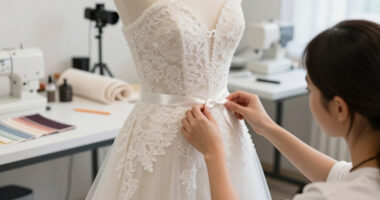
You’re noticing how fashion and home design are blending seamlessly, reflecting your personal style across both spaces. Trends now feature eco-friendly fabrics, with textures and patterns inspired by each other, creating a cohesive look. Accessories mimic architectural features, and colors mirror interior palettes. This mutual influence lets you express your identity through clothing and decor, emphasizing sustainability and authenticity. Keep exploring how this integrated approach can truly transform your lifestyle and spaces.

Get your wardrobe favorites delivered free with Prime
- Fast, free delivery on millions of items
- Prime Video, Amazon Music and more included
- Member-only deals all year
Key Takeaways
- Fashion and home decor increasingly share design elements, creating a seamless personal style across spaces and outfits.
- Sustainable textiles are used in both industries, promoting eco-conscious aesthetics in clothing and interior furnishings.
- Accessories and patterns mimic architectural or interior textures, blending fashion details with home design.
- Trends in color palettes, patterns, and textures influence both fashion collections and interior styles.
- Personal expression is enhanced through cohesive choices reflecting individual style and environmental values across fashion and home.
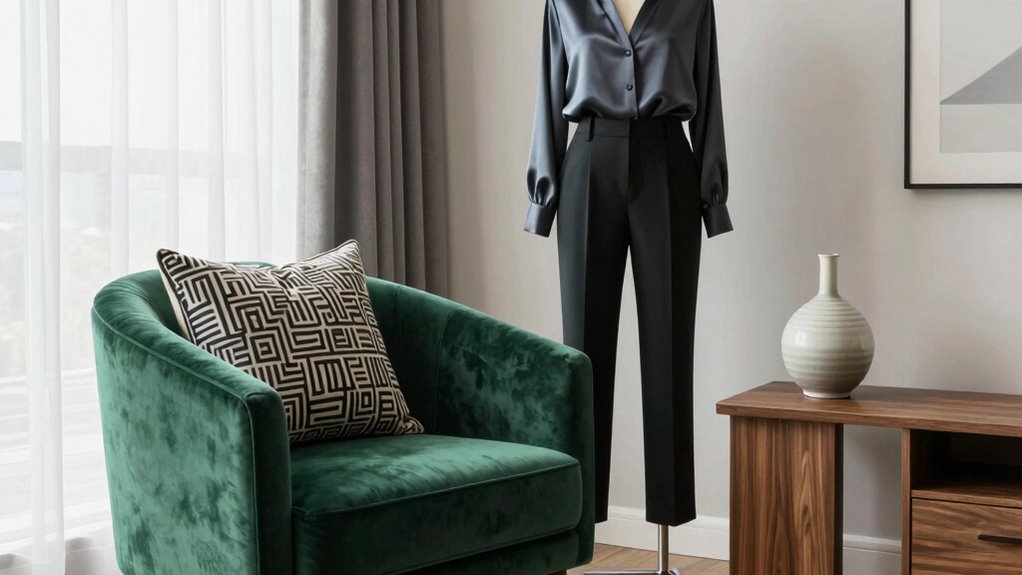
In recent years, the lines between fashion and home categories have increasingly blurred, transforming how you express your personal style. No longer do you have to choose between trendy clothing and stylish home decor; now, the boundaries overlap, allowing you to create a cohesive aesthetic that reflects your personality across every aspect of your life. This shift is driven by brands and designers who recognize that your style isn’t confined to one space — it’s a seamless blend of fashion and home.
You’re likely noticing how sustainable textiles are making their way into your wardrobe and your living space. In fashion, these eco-friendly fabrics—like organic cotton, hemp, and recycled fibers—are replacing traditional, less sustainable materials. The same applies to home decor, where sustainable textiles are used in upholstery, curtains, and bedding, giving your home a stylish yet environmentally conscious vibe. This emphasis on sustainability isn’t just about reducing waste; it’s about making a statement that your choices matter and that your style can be both fashionable and responsible. As you pick out clothing or home accessories, you’re embracing a lifestyle that values quality, longevity, and eco-awareness. Additionally, natural pools and landscaping trends are influencing outdoor aesthetics, blending seamlessly with interior-inspired decor choices to create a cohesive lifestyle environment.
Sustainable textiles in fashion and home décor reflect your stylish, eco-conscious lifestyle and commitment to quality and longevity.
Interior-inspired accessories are another way the boundaries are blending. You might find yourself drawn to jewelry and clothing pieces that mimic architectural lines or incorporate textures reminiscent of interior design elements. Think statement earrings that resemble modern light fixtures or scarves patterned after wallpaper designs. Meanwhile, home decor items like throw pillows, rugs, and art often feature patterns and textures inspired by runways or fashion trends. This crossover allows you to channel your interior aesthetic into your wardrobe, creating a unified look that’s sophisticated and intentional. The use of sustainable textiles in both fashion and home decor further reinforces this interconnected approach, ensuring that your style choices align with your environmental values.
Fashion brands are even borrowing from interior design concepts to elevate their collections. You see this in the color palettes, patterns, and textures used in clothing, which mirror the hues and materials found in the latest home decor trends. Conversely, your favorite home stores are incorporating fashion-forward details—like metallic accents, bold prints, or tactile fabrics—to make their accessories stand out. This mutual influence sparks your creativity, encouraging you to curate environments and outfits that complement each other, showcasing your personal style in a holistic way.
Ultimately, the blending of fashion and home isn’t just a fleeting trend; it’s a reflection of your desire for authenticity and self-expression. It empowers you to craft a living space and wardrobe that speak to your values and aesthetics simultaneously. By embracing sustainable textiles and interior-inspired accessories, you’re building a cohesive narrative—one that’s stylish, meaningful, and uniquely yours.
sustainable organic cotton bedding
As an affiliate, we earn on qualifying purchases.
As an affiliate, we earn on qualifying purchases.
Frequently Asked Questions
How Do Brands Maintain Brand Identity Across Both Categories?
You maintain brand identity across both categories by prioritizing brand consistency in your messaging, visuals, and tone. Focus on design cohesion by using consistent color palettes, logo placement, and style elements that reflect your brand’s personality. This unified approach helps customers recognize your brand easily, whether they’re shopping for fashion or home items. Regularly review your branding strategies to make certain your identity remains strong and cohesive across all product categories.
What Materials Are Commonly Used in Cross-Category Products?
You’ll find that common materials in cross-category products include textiles like cotton, linen, and wool, prized for their textile innovation and material versatility. These fabrics are adaptable, used in both fashion and home decor. Modern brands often experiment with sustainable, high-tech fibers that serve multiple purposes, ensuring products remain stylish yet functional. This blend of materials helps create cohesive designs that seamlessly shift between your wardrobe and living space.
How Do Marketing Strategies Differ for Fashion Versus Home Items?
Marketing strategies differ distinctly for fashion and home items, focusing on tailored trend integration and visual storytelling. For fashion, you emphasize immediacy, highlighting seasonal styles and creating buzz through bold visuals that evoke emotion. For home goods, you prioritize storytelling that emphasizes comfort and lifestyle, showcasing versatility through immersive imagery. You craft campaigns that connect emotionally, aligning the message with the audience’s aspirations, whether they seek trendy wear or cozy living spaces.
Are There Specific Consumer Demographics Interested in Both Categories?
You’ll find that younger, trend-conscious consumers are especially interested in both categories, driven by personalization trends and seasonal collaborations. They love customizing their fashion and home environments to reflect their unique style. This demographic actively seeks out brands that blend fashion and home elements, appreciating limited-edition collections and versatile pieces. Your marketing strategies should target these consumers with personalized experiences and timely collaborations to engage their evolving tastes across both categories.
How Does Sustainability Influence Blending Fashion and Home Products?
Sustainability drives the blending of fashion and home products by emphasizing sustainable material innovation and eco-friendly packaging. You’re drawn to brands that prioritize environmentally conscious choices, whether it’s stylish clothing made from recycled fabrics or home decor crafted with sustainable materials. This focus encourages you to make mindful purchases, reducing waste and supporting eco-friendly practices. Ultimately, sustainability shapes your preferences, inspiring a seamless integration of fashion and home through eco-conscious solutions.
Conclusion
As you notice how fashion and home categories seamlessly blend, it’s almost like life itself is echoing this harmony. Perhaps it’s no coincidence that your wardrobe now reflects your living space, and vice versa. This unexpected overlap reminds you that style isn’t confined—it’s a reflection of your lifestyle, merging effortlessly. Embracing this coincidence, you realize that blending these worlds isn’t just a trend but a natural evolution of personal expression.
Halloween Picks
halloween
As an affiliate, we earn on qualifying purchases.