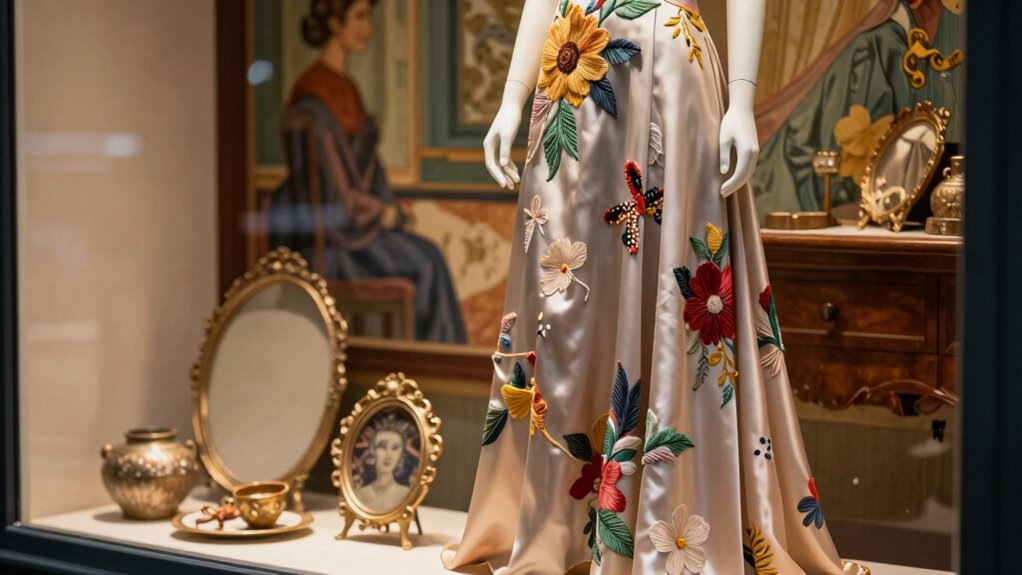

Fashion brands build loyalty by sharing authentic stories that connect your values, culture, and personal identity. They highlight traditional craftsmanship, local traditions, and meaningful histories to foster trust and emotional bonds. By celebrating diversity and creating a sense of community, they turn transactions into shared experiences. This storytelling approach makes you feel valued and understood. Curious how these stories can deepen your connection? There’s more to discover that can transform your brand’s influence.

Get your wardrobe favorites delivered free with Prime
- Fast, free delivery on millions of items
- Prime Video, Amazon Music and more included
- Member-only deals all year
Key Takeaways
- They craft authentic narratives rooted in cultural traditions and craftsmanship to foster trust and emotional connection.
- They highlight stories about artisans, origins, or sustainability to reinforce brand transparency and authenticity.
- They create community by celebrating diverse cultural influences, making consumers feel valued and part of a larger movement.
- They differentiate their brand through relatable storytelling that resonates with shared values and cultural identities.
- They evoke emotional responses and a sense of belonging, encouraging repeat support and long-term loyalty.

Have you ever wondered how some fashion brands create such a deep connection with their customers? It’s often because they master the art of storytelling—using narratives that resonate emotionally and culturally. These brands understand that their success hinges on more than just selling clothing; they sell a feeling, a lifestyle, and a piece of identity. To do this effectively, they tap into cultural influences, weaving stories that reflect shared histories, traditions, and values. When you see a brand incorporate cultural elements—like traditional patterns, local craftsmanship, or historical references—it immediately creates a sense of authenticity. You feel like you’re part of something meaningful, not just a consumer buying a product. This cultural storytelling fosters loyalty because it aligns the brand with your identity and values, making the experience more personal and significant.
Cultural storytelling creates authenticity, forging emotional bonds and lasting loyalty through shared histories, traditions, and values.
Branding authenticity plays a vital role here. When a brand shares genuine stories—whether about their origins, the artisans they work with, or their commitment to sustainability—it builds trust. You recognize when a brand’s narrative is sincere rather than superficial, which encourages you to support them long-term. Authenticity in storytelling helps you see the brand as transparent and honest, strengthening your emotional attachment. You’re more likely to become a repeat customer when you believe in the story they tell and feel that it reflects your own beliefs and aspirations.
Additionally, storytelling can serve as a cultural influence that helps brands connect on a deeper level with diverse audiences, fostering a sense of shared identity. Fashion brands also use storytelling to create a sense of community. By sharing stories that celebrate diverse cultural influences, they invite you to see yourself as part of a larger movement or cultural mosaic. For example, a brand that highlights indigenous craftsmanship or celebrates local festivals in its marketing invites you to connect with these cultural narratives. This shared storytelling makes you feel valued and understood, transforming your relationship from a simple transaction into a shared experience. When you see a brand authentically representing different cultures, you’re more inclined to develop loyalty because it shows respect and appreciation for diversity. Furthermore, leveraging storytelling that incorporates cultural influences can also enhance a brand’s appeal by making its message more relatable and memorable. Furthermore, these stories often serve as a marketing strategy that distinguishes the brand in a competitive market.
Ultimately, these stories are crafted to evoke emotion and foster a sense of belonging. You’re not just buying a product—you’re buying into a story that reflects your identity, values, and cultural influences. Brands that succeed in this space recognize that storytelling is a powerful tool for building loyalty. When they tell authentic stories rooted in cultural influences, they forge a genuine connection that keeps you coming back, not just for the clothes, but because you believe in what they stand for. That’s how you become a loyal customer, through stories that resonate deeply and authentically.
Popular right now

KitchenAid Artisan 5-Qt Tilt-Head Stand Mixer – Dried Rose (KSM150PS)

Apple AirPods Pro 3 Wireless Earbuds with Active Noise Cancellation

Shark HydroVac MessMaster Wet/Dry Vacuum & Mop Combo (AW261)
As an affiliate, we earn on qualifying purchases.
Frequently Asked Questions
How Do Small Fashion Brands Implement Storytelling Strategies Effectively?
You can implement storytelling strategies effectively by emphasizing your brand’s authenticity and crafting compelling visual narratives. Share genuine stories behind your designs, values, or origins that resonate with your audience. Use authentic imagery and videos to bring these stories to life, creating an emotional connection. Consistently communicate your brand’s unique voice and purpose, making your audience feel part of your journey and fostering loyalty through honesty and engaging visuals.
What Storytelling Techniques Resonate Most With Different Target Audiences?
Think of your audience as travelers in a storybook, where cultural narratives act as guiding stars. You’ll find that stories resonating most evoke emotional engagement by reflecting their values, aspirations, or heritage. Use allegories to simplify complex ideas, making your message relatable. Whether your audience seeks tradition or innovation, tailoring your storytelling techniques to their cultural narratives helps foster genuine loyalty and deepens their connection with your brand.
How Is Storytelling Integrated Into a Brand’s Marketing and Advertising Campaigns?
You see brands integrate storytelling into marketing campaigns by creating emotional connections through compelling visual narratives. They craft ads that evoke feelings, using imagery, videos, and authentic stories that resonate with your values and aspirations. By doing so, they make their messages memorable, fostering loyalty. This approach transforms simple promotions into immersive experiences, encouraging you to connect deeply with the brand and feel part of a larger story.
What Metrics Measure Storytelling Success in Fostering Brand Loyalty?
You can measure storytelling success in fostering brand loyalty through metrics like brand engagement, which shows how actively your audience interacts with your stories. Emotional connection metrics, such as sentiment analysis and customer feedback, reveal how deeply your storytelling resonates. When engagement rises and positive emotions grow, it indicates your stories are strengthening emotional bonds, encouraging repeat purchases and long-term loyalty. Tracking these metrics helps refine your storytelling strategies effectively.
How Do Storytelling Efforts Influence Customer Purchase Decisions Long-Term?
Imagine weaving a tapestry where each thread tells a story—your storytelling efforts forge an emotional connection, making customers see your brand as authentic and relatable. This deepens loyalty, influencing long-term purchase decisions. When your stories resonate and reflect genuine brand values, customers trust you more, stay engaged, and choose your products repeatedly. Ultimately, authentic storytelling turns casual buyers into lifelong advocates, transforming moments into lasting relationships.
Conclusion
By weaving compelling stories, you turn fleeting customers into loyal fans, making your brand unforgettable. Remember, storytelling isn’t just about selling clothes—it’s about creating a shared journey that resonates deep within. Like a enthralling novel, your brand’s narrative can evoke emotions that forge lasting bonds. So, embrace storytelling as your secret weapon—because in the end, it’s stories that make your brand truly unforgettable, standing out in a crowded world.