When choosing compostable packaging for your fashion brand, look for materials made from renewable resources like cornstarch, sugarcane, or mushroom mycelium that are certified for compostability through standards like ASTM D6400 or EN 13432. Confirm the packaging is durable enough to protect your products but also biodegradable without harmful residues. Clear disposal instructions and transparency about sourcing help build trust. To find out more about creating eco-friendly packaging solutions, keep exploring your options.
Key Takeaways
- Ensure packaging is made from renewable, biodegradable materials like cornstarch, sugarcane, or mushroom mycelium.
- Verify certifications such as ASTM D6400 or EN 13432 for proven compostability standards.
- Confirm packaging offers durability and protection during transit while remaining compostable after disposal.
- Choose eco-friendly designs that are modern and align with your brand’s sustainability messaging.
- Work with suppliers who provide transparent information about material origins and disposal instructions.

As the fashion industry seeks more sustainable solutions, compostable packaging emerges as a promising alternative to traditional materials. You’re likely aware that packaging plays a significant role in a brand’s environmental footprint, and choosing eco-friendly options can set your brand apart. When evaluating compostable packaging, it’s essential to prioritize sustainable materials that genuinely break down without leaving harmful residues. Look for materials that are made from renewable resources such as cornstarch, sugarcane, or mushroom mycelium. These options are not only biodegradable but also align with eco friendly branding efforts, reassuring your customers that your brand is committed to reducing waste and protecting the planet.
Prioritize sustainable, biodegradable materials like cornstarch, sugarcane, or mushroom mycelium for eco-friendly packaging solutions.
Beyond the composition of the materials, you should also consider the certification and standards that validate a packaging’s compostability. Certifications like ASTM D6400 or EN 13432 indicate that the product is tested and proven to break down in commercial composting facilities within a specific timeframe. These certifications provide peace of mind that the packaging will decompose efficiently and won’t contribute to landfill buildup. It’s worth noting that not all compostable materials are suitable for home composting, so understanding the appropriate disposal methods is crucial for transparent communication with your customers.
Another factor to think about is the functionality and durability of the packaging. You want solutions that protect your products during transit while maintaining an attractive presentation. Compostable packaging should be sturdy enough to withstand handling and shipping processes, yet still be biodegradable after disposal. Some innovative options include compostable mailers, tissue papers, and filling materials that can perform well without sacrificing eco credentials. The aesthetic aspect also plays a vital role in eco friendly branding; packaging that looks modern and appealing will reinforce your commitment to sustainability and entice customers to share their eco-conscious purchases.
Finally, transparency and traceability are key. Suppliers that clearly communicate the sustainability story behind their products build trust and credibility. Ask about the origin of the materials, manufacturing processes, and end-of-life disposal instructions. When your packaging tells a story of sustainability, it enhances your brand’s image and helps foster customer loyalty. Incorporating environmentally friendly practices into your supply chain can further strengthen your brand’s commitment to sustainability. In today’s environmentally conscious market, investing in high-quality, compostable packaging that emphasizes sustainable materials and eco friendly branding isn’t just good for the planet — it’s good for your business.
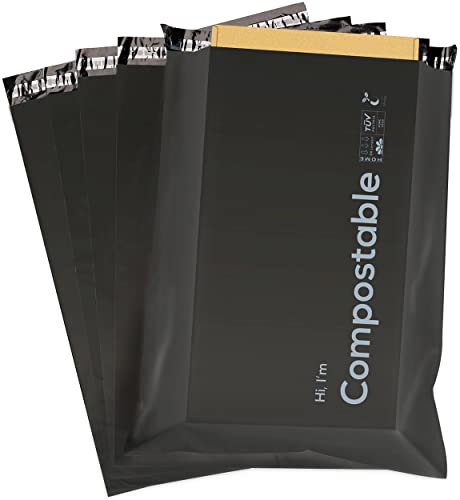
6×9 inch Biodegradable Poly Mailers,50 Count Compostable Shipping Bags with Eco Friendly Packaging Envelopes Supplies Mailing Bags
- Biodegradable Material: Made from PBAT and corn starch
- Eco-Friendly Packaging: Reduces CO2 emissions by 60%
- Enhances Brand Image: Shows social responsibility and quality
As an affiliate, we earn on qualifying purchases.
As an affiliate, we earn on qualifying purchases.
Frequently Asked Questions
How Long Does Compostable Packaging Take to Decompose?
Compostable packaging typically takes about 90 to 180 days to biodegrade fully, depending on factors like temperature, moisture, and composting conditions. During this period, it breaks down into natural elements, reducing its environmental impact markedly. You should look for packaging with a clear biodegradation timeline, ensuring it composts within this timeframe. Proper composting accelerates this process, helping you minimize waste and support sustainable fashion practices.
Are Compostable Packaging Materials as Durable as Traditional Ones?
Durability doesn’t diminish with compostable packaging; it often matches traditional materials when meeting biodegradability standards. You’ll find that biodegradable packaging can stand strong, sustaining stresses and strains, while still supporting sustainability goals. Focus on materials with solid strength, ensuring they hold up during handling and shipping. By choosing products that meet strict biodegradability standards, you’re ensuring both durability and environmental responsibility—proof that eco-friendly packaging can be powerful and practical.
Can Compostable Packaging Be Recycled in Standard Facilities?
Yes, compostable packaging can often be recycled in standard facilities, though it depends on local recycling processes. You should check if your facility accepts compostable materials, as some require specific conditions for proper breakdown. Recycling these packages reduces environmental impact by diverting waste from landfills and supporting eco-friendly practices. By ensuring compostable packaging is properly processed, you contribute to a more sustainable fashion industry and help promote a healthier planet.
What Certifications Should I Look for in Compostable Fashion Packaging?
You should look for certification labels like ASTM D6400, BPI, or OK compost HOME, which verify that packaging meets biodegradability standards. These certifications guarantee the material will break down properly in composting environments. Visualize these labels as a badge of trust, confirming the packaging’s eco-friendly claims. By choosing products with these certifications, you support sustainable fashion practices and reduce environmental impact effectively.
Is Compostable Packaging Suitable for All Types of Fashion Products?
Compostable packaging isn’t suitable for all fashion products due to biodegradability concerns and cost implications. You should consider if your items need moisture or protection that compostable materials can’t provide. For delicate pieces or heavy-duty items, traditional packaging might be better. While compostable options are eco-friendly, weigh their environmental benefits against potential added costs and limitations. Always test packaging compatibility with your products to guarantee quality and sustainability goals align.
Conclusion
So, next time you toss that stylish packaging in the compost, remember—you’re helping the planet, one trendy bag at a time. Ironically, what seems like just a chic accessory could actually be your eco-friendly hero. Just make sure it’s truly compostable and not another eco-faux pas. After all, in a world obsessed with sustainability, it’s pretty funny how a simple bag can become a statement of both style and conscience—if you get it right.