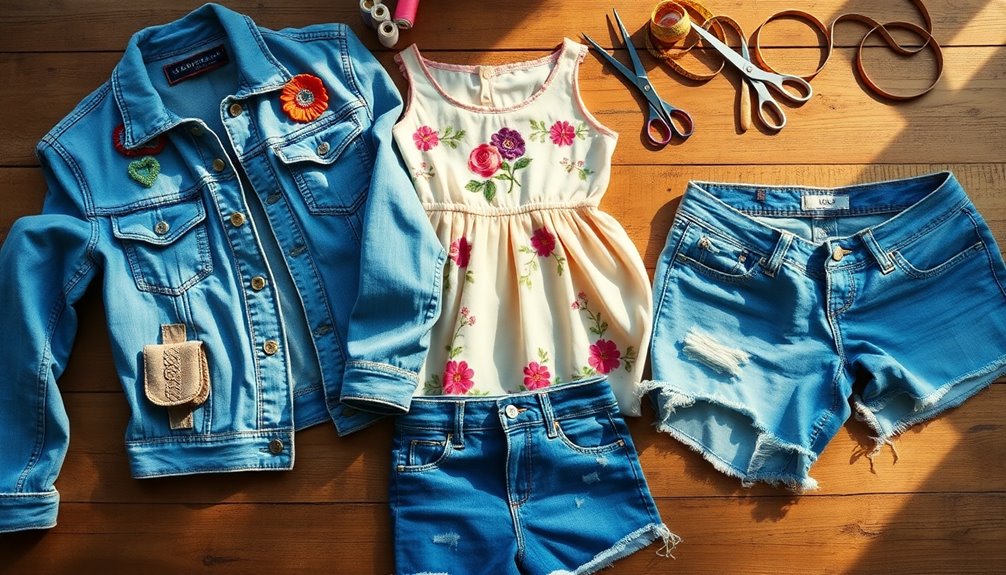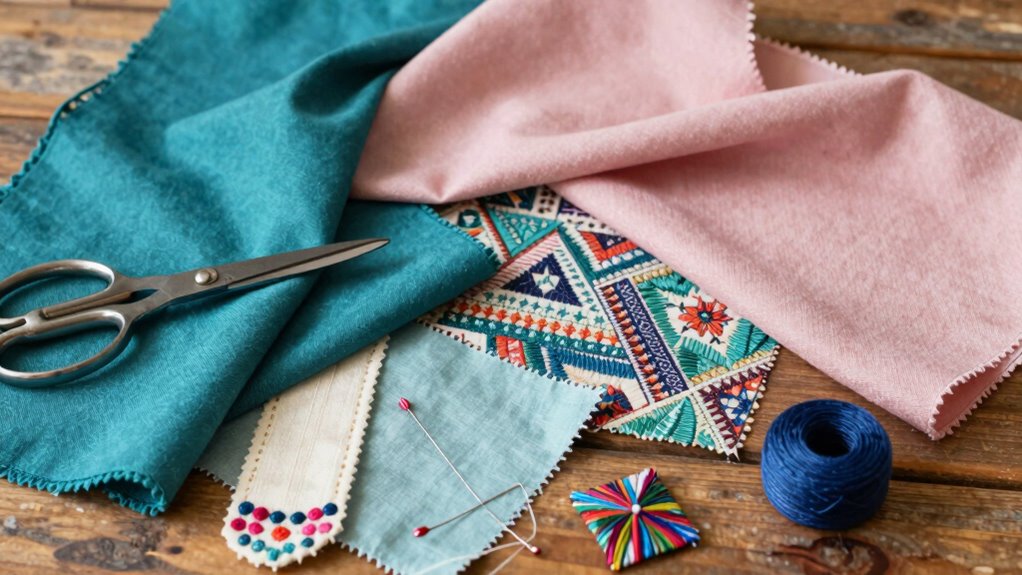

You can turn leftover fabric scraps into stylish mini projects by sewing small pieces into cozy coasters, colorful pouches, or decorative wall hangings. Mix different prints and textures for a vibrant look, and don’t be afraid to experiment with patchwork patterns. Sort your scraps by color or type to make planning easier. For more ideas on creating trendy accessories and decor with your scraps, keep exploring ways to get creative with your stash.

Get your wardrobe favorites delivered free — and shop member deals
- Fast, free delivery on millions of items
- Access to Prime Big Deal Days deals on October 6–7
- Prime Video, Amazon Music and more included
Key Takeaways
- Sort fabric scraps by color, texture, or pattern to plan cohesive mini projects.
- Use small scraps for patchwork designs on pouches, coasters, or decorative wall hangings.
- Sew scraps into geometric or eclectic patterns to create unique, stylish accessories.
- Incorporate patchwork panels into home décor items like cushions or table runners.
- Upcycle worn or mismatched items by patching with fabric scraps for a sustainable, trendy look.
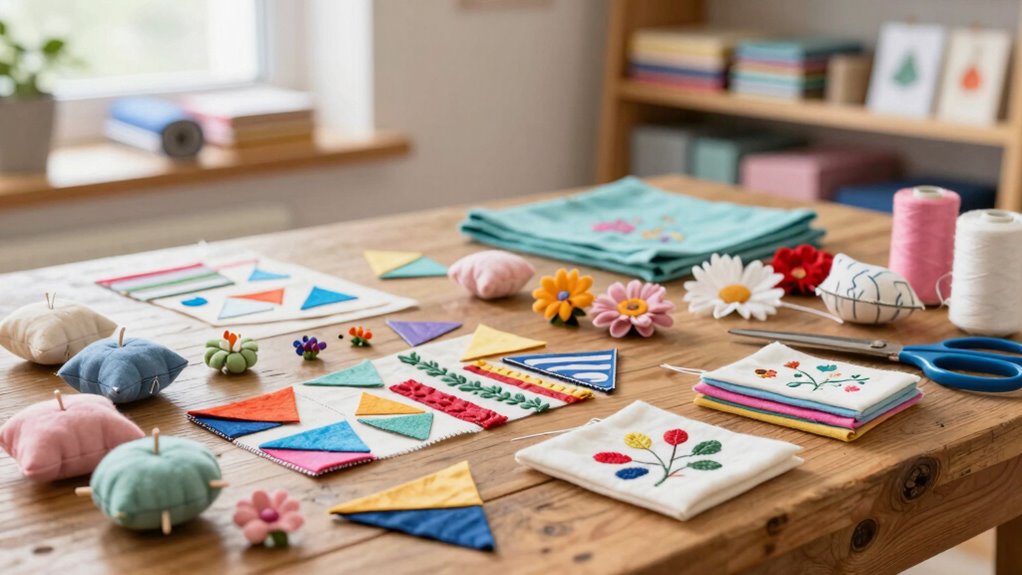
Leftover fabric scraps often feel like little more than clutter, but with a bit of creativity, they can transform into stylish mini projects that add a personal touch to your home or wardrobe. Recycling fabric is an eco-friendly way to breathe new life into pieces you might otherwise discard. Instead of tossing those tiny cuts, you can turn them into charming accessories, decor, or clothing accents. One popular technique is creative patchwork, where you sew small scraps together in interesting patterns to create something entirely new. This approach not only helps reduce waste but also gives your projects a unique, handcrafted look.
When you start a project, gather your fabric scraps and sort them by color, texture, or pattern. This makes it easier to see how different pieces can work together. For creative patchwork, don’t worry about perfect seams or matching every stitch—embrace the charm of imperfect, eclectic designs. You can piece together small squares, triangles, or strips to form a patchwork panel, which can be used as a decorative patch on a cushion, tote bag, or even a wall hanging. The beauty of recycling fabric lies in your ability to experiment; mix prints and solids for a vibrant, textured effect that’s entirely your own.
If you’re new to patchwork, start small. Cut your scraps into uniform shapes and sew them in rows, then assemble those rows into larger blocks. As you gain confidence, you can try more complex arrangements like alternating colors or creating geometric patterns. This process not only keeps your scraps out of the landfill but also sharpens your sewing skills. Once you finish a patchwork piece, consider turning it into a functional item—a coaster, a small pillow, or a pouch. These mini projects are quick to complete and perfect for showcasing your creative patchwork skills. Additionally, exploring sustainable crafting practices can boost your efforts to minimize waste and maximize creativity.
Using leftover fabric scraps for mini projects encourages you to think sustainably while also expressing your style. Whether you’re patching up a worn-out item or crafting a new accessory, recycling fabric and practicing creative patchwork enables you to make one-of-a-kind pieces. It’s a rewarding way to combine eco-consciousness with creativity, giving your home and wardrobe a personalized, handcrafted touch. Incorporating upcycling techniques into your craft repertoire can further enhance your sustainability efforts and creative outcomes. Remember, understanding the importance of fabric recycling can motivate you to continue exploring new ways to reuse and repurpose your scraps.
As an affiliate, we earn on qualifying purchases.
Frequently Asked Questions
Can Leftover Fabric Scraps Be Safely Washed and Reused?
Yes, you can safely wash and reuse leftover fabric scraps. Before using them in projects like scrap quilting or fabric dyeing, wash the scraps to remove any residues or chemicals. Use gentle detergents and cold water to preserve colors and fabric integrity. Properly cleaned scraps can be dyed again or incorporated into new projects, making your materials versatile and eco-friendly. Always check fabric care labels for specific washing instructions.
What Tools Are Best for Cutting Small Fabric Scraps?
Think of your fabric scraps as treasures waiting to be shaped; your tools are the treasure map. For precise cuts, scissors with sharp, fine blades excel, like fabric scissors designed specifically for delicate work. Rotary cutters, paired with a self-healing mat, offer smooth, straight edges. Compare cutting tools to explorers—each has its unique skill set. Choose the right tool based on your fabric scrap sorting needs for clean, accurate cuts.
How Do I Choose the Right Scraps for Specific Projects?
To choose the right scraps for your project, consider fabric color coordination to guarantee your pieces complement each other. Pay attention to scrap size considerations; select appropriately sized pieces that fit the project’s scale without excess. Think about textures and patterns too, matching them to your design’s style. By evaluating these factors, you’ll pick the perfect fabric scraps to create cohesive, stylish mini projects effortlessly.
Are There Eco-Friendly Ways to Dispose of Unusable Scraps?
You can opt for eco-friendly disposal by exploring recycling methods like composting natural fabric scraps or repurposing them into eco-friendly crafts. If the scraps are synthetic, consider recycling programs that accept textiles. Avoid throwing scraps in the trash to reduce landfill waste. By choosing eco-friendly disposal options, you help protect the environment while minimizing waste. Always check local recycling guidelines for the best way to handle unusable fabric scraps responsibly.
How Can Leftover Fabric Scraps Be Stored Efficiently?
Imagine uncovering a treasure trove of fabric scraps when you least expect it. To keep them neat, you should focus on fabric scrap organization with smart storage container options like clear bins, labeled drawers, or zippered bags. These solutions prevent clutter and make it easy to find what you need. By prioritizing efficient storage, you’ll transform chaos into an organized haven, ready to inspire your next creative project.
Conclusion
Now that you know how to turn leftover fabric scraps into stylish mini projects, there’s no reason to let those tiny pieces go to waste. Think of your scraps as a treasure trove waiting to be transformed into charming accessories or decor. Just like a puzzle coming together, each small piece adds up to something beautiful and unique. So, grab your scraps and get creative—you’ll be surprised at what you can craft with a little imagination and effort!
Fall Picks
fall essentials
As an affiliate, we earn on qualifying purchases.