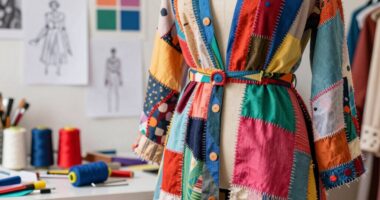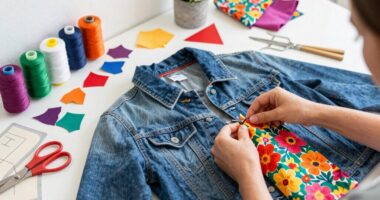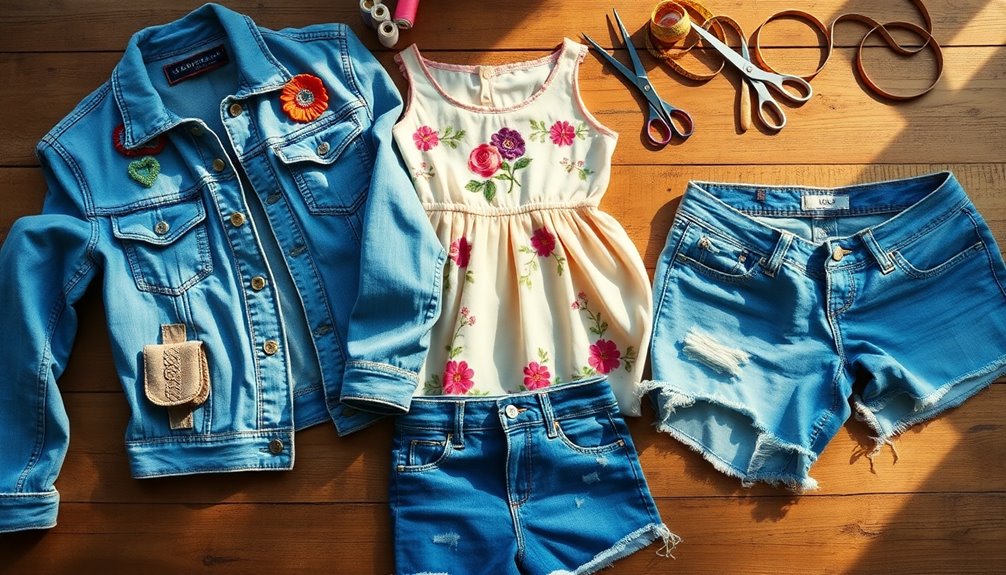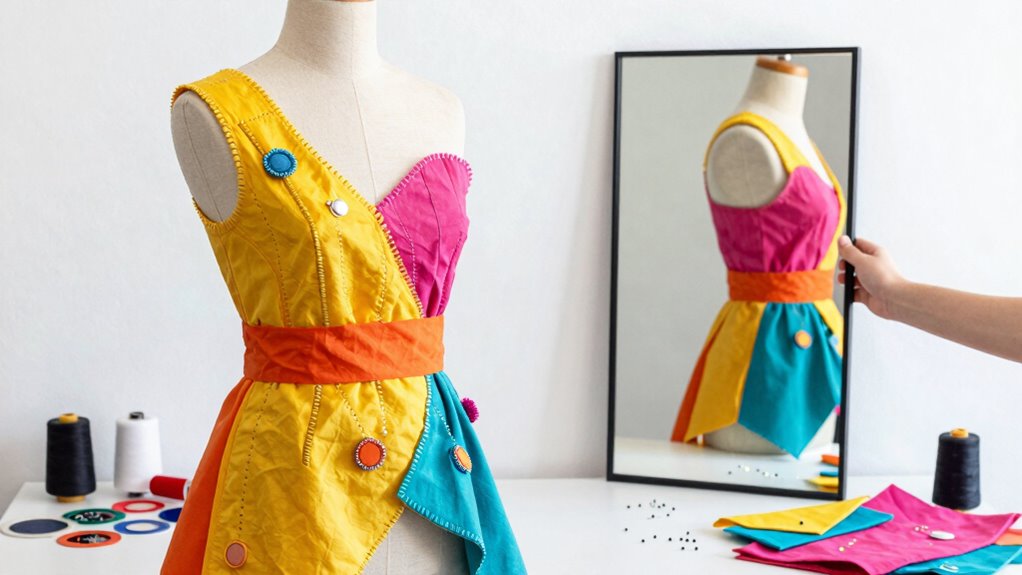

To test your DIY fashion idea before fully committing, start by experimenting with different fabrics and creating rough prototypes using inexpensive or scrap materials. Play with cutting, sewing, and dyeing to observe reactions and handling. Assess the comfort, appearance, and versatility of your design from different angles and lighting. Note any limitations or issues early on so you can make adjustments. Keep exploring these techniques to guarantee your final piece combines style and practicality seamlessly.
Key Takeaways
- Create small prototypes or mock-ups using inexpensive or scrap materials to evaluate fit, appearance, and functionality.
- Conduct material experimentation to understand fabric reactions and suitability for the design.
- Test the design from different angles and lighting to assess versatility and overall look.
- Evaluate compatibility with existing wardrobe pieces to ensure cohesive styling.
- Use detailed notes during testing to identify issues and refine the design before full commitment.
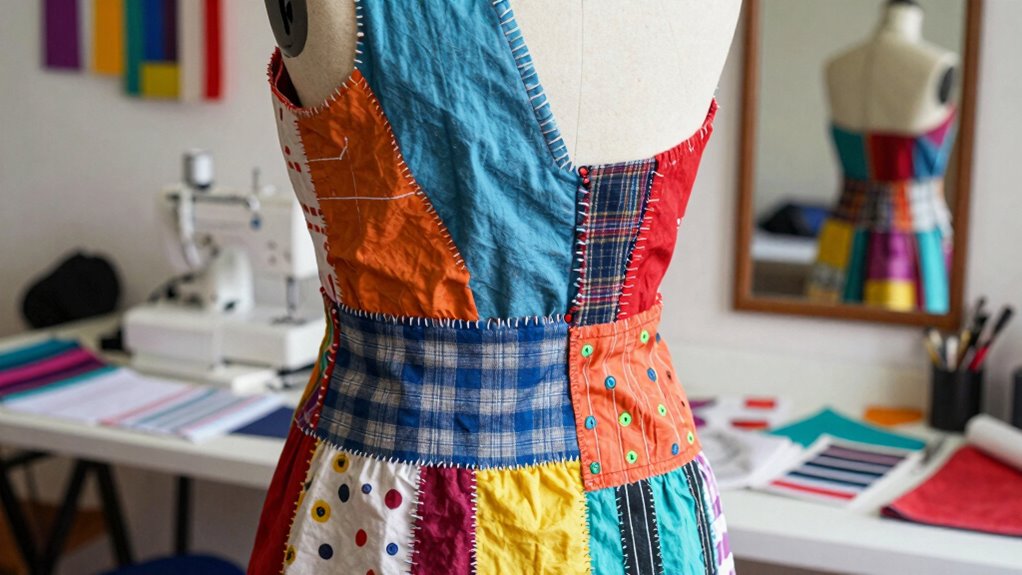
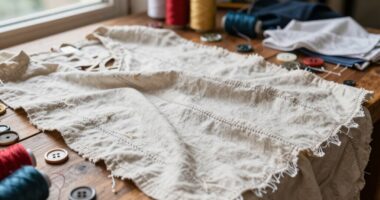
Trying out a new DIY fashion idea can be exciting, but jumping in without testing it first might lead to disappointment or wasted effort. Before you fully commit, it’s essential to find a way to evaluate your design. One effective method is to start with material experimentation. Instead of rushing to create the final product, gather different fabrics, textures, and supplies that could work for your project. Play around with these materials to see how they react to cutting, sewing, or dyeing. For example, if you’re making a clothing piece, try out a few swatches of fabric to test how they handle stitching or how they look when layered. Material experimentation helps you understand the properties of your chosen materials, so you don’t end up with a finished piece that’s uncomfortable, fragile, or unflattering. It’s a practical step that saves time and resources in the long run. Additionally, understanding material properties aligns with the importance of creative storytelling for branding, as it helps ensure your final piece authentically reflects your unique style and vision. Exploring material properties early in the process can also reveal limitations or advantages that influence your final choice. Recognizing these properties can also help prevent fabric failure during wear or use. Incorporating knowledge from smart yard care about multi-unit setups and battery life can inspire you to think about how different materials or prototypes might work together or be adaptable for different styles or functions.
Alongside testing materials, think about style versatility. Your design should be adaptable and suit various occasions or pairings. To evaluate this, create a rough mock-up or a simple prototype using inexpensive or scrap materials. Wear or examine the prototype from different angles and in different lighting conditions. Ask yourself if the style works with other pieces in your wardrobe or if it’s too niche. Is it flexible enough to be dressed up or down? Does it match your personal aesthetic? By appraising style versatility early, you can tweak your design to make it more wearable and appealing. This approach prevents you from investing hours into a project that might only suit one specific look or situation.
Combining material experimentation with style versatility testing gives your DIY project a solid foundation. It allows you to identify potential issues early, whether that’s fabric limitations or style constraints, so you can adjust accordingly. It’s better to spend a little extra time on these preliminary steps than to end up with a finished piece that doesn’t meet your expectations or needs. Keep notes during your experiments—what works and what doesn’t—and use those insights to refine your design. This way, you guarantee your final creation will not only look good but also feel right and serve its purpose. Testing your idea before committing saves you frustration and helps you develop a more successful, versatile DIY fashion piece that truly reflects your style and craftsmanship.

TWOPAGES Liz Linen Curtain Fabric Sample Booklet, 38 Colors
- Collection Name: Liz Linen Curtain Fabric Sample Booklet
- Fabric Weight: 350gsm heavyweight linen
- Authentic Color Samples: Real fabric samples for true color
As an affiliate, we earn on qualifying purchases.
As an affiliate, we earn on qualifying purchases.
Frequently Asked Questions
How Can I Ensure My DIY Fabric Choices Are Durable?
To guarantee your DIY fabric choices are durable, focus on fabric durability and material longevity. Opt for high-quality fabrics like heavyweight cotton, denim, or wool, which withstand wear and tear. Test samples by washing and handling them to observe how they hold up over time. Check fabric labels for fiber content and care instructions, and choose tightly woven materials for added strength, ensuring your project stays beautiful and lasting.
What Tools Are Essential for Testing Fashion Designs at Home?
Did you know that 85% of fashion failures come from poor initial testing? To evaluate your designs at home, you need essential tools like pins, a seam ripper, and a fabric weight. Use these along with fabric manipulation and sewing techniques to test fit, drape, and durability. These tools help you refine your ideas, ensuring your DIY fashion piece looks professional before you commit to full production.
How Do I Evaluate Comfort in a Prototype Before Finalizing?
You evaluate comfort by conducting an ergonomic assessment of your prototype, ensuring it fits your body well and allows free movement. Check fabric flexibility; bend, stretch, and wear it for a while to see how it responds. Pay attention to any tight spots or discomfort. Sit, walk, and move naturally to identify areas that need adjustment. This hands-on approach helps you refine your design for maximum comfort before finalizing.
Can I Test for Color Fastness Easily in DIY Projects?
Yes, you can test for color fastness in your DIY projects, but it requires a little anticipation. To check fabric dyeing and color retention, perform a simple wash test—soak a small fabric piece in water, then gently rub it. Observe if the color bleeds or fades. This quick test reveals whether your dyeing process will stand up to wear and washing, saving you from surprises later.
What’s the Best Way to Get Feedback From Others?
You can get valuable feedback through peer review by sharing your DIY fashion idea with friends or fellow crafters, asking for honest opinions. Additionally, use online surveys to gather broader input from diverse audiences. Keep your questions focused on design, fit, and overall appeal, and encourage constructive criticism. This approach helps you refine your project before making a final commitment, ensuring your idea resonates with others.
Conclusion
So, before you dive headfirst into your epic DIY fashion adventure, remember—testing your idea is like giving your masterpiece a superhero cape before the big debut. It’s your secret weapon against fashion disasters and wardrobe catastrophes! Trust me, a quick test can save you from the horror of wearing a failed experiment to a party. Embrace the process, have fun, and soon you’ll be the fashion hero everyone envies—without the cringe!