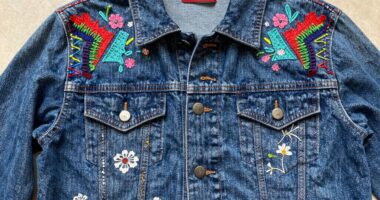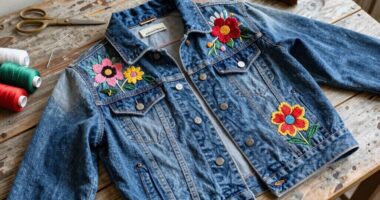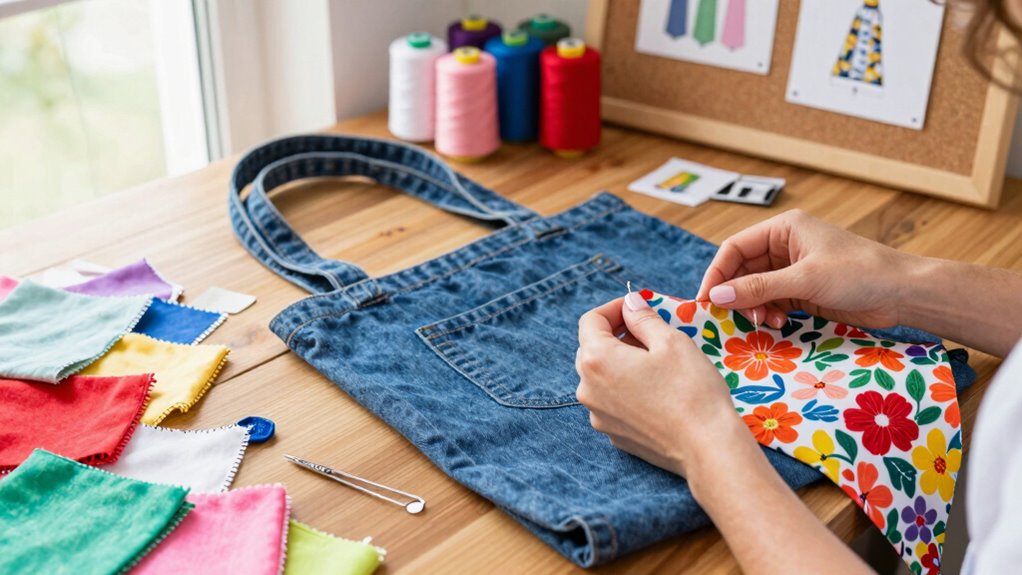

Starting with DIY fashion projects can be a rewarding way to express your style and develop new skills, even for complete beginners. The best overall pick, Sewing Projects for Beginners, offers straightforward instructions perfect for those just getting started. Sew It Yourself with DIY Daisy stands out for its pattern-free approach, making it easier to jump into sewing without prior experience. However, these projects vary in complexity, cost, and focus—some emphasize sustainability, others focus on quick results. Keep reading for a detailed comparison to find the perfect fit for your skill level and goals.

Get your wardrobe favorites delivered free — and shop member deals
- Fast, free delivery on millions of items
- Access to Prime Big Deal Days deals on October 6–7
- Prime Video, Amazon Music and more included
Key Takeaways
- The top-rated projects combine simplicity with clear instructions, making them ideal for absolute beginners.
- Pattern-free and minimal-mistake designs tend to appeal most to new sewists who want quick wins.
- Upcycling projects stand out for combining sustainability with creativity, but may require some basic sewing tools.
- Cost and accessibility of materials vary widely; prioritizing low-cost options can help beginners get started without a big investment.
- Projects that include detailed tutorials or community support tend to boost confidence and skill development.
| DIY Thrift Flip: Sewing Techniques for Transforming Old Clothes into Fun, Wearable Fashions |  | Best for Creative Upcyclers | Format: Print | Pages: Unknown | Skill Level: Beginner to Intermediate | VIEW ON AMAZON | See Our Full Breakdown |
| Fashion Upcycling: The DIY Guide to Sewing, Mending, and Sustainably Reinventing Your Wardrobe |  | Best for Eco-Conscious Wardrobe Reinventors | Format: Print | Pages: Unknown | Skill Level: Beginner | VIEW ON AMAZON | See Our Full Breakdown |
| The Sewing Book |  | Best for Comprehensive Skill Building | Format: Print | Pages: 512 | Skill Level: Beginner to Advanced | VIEW ON AMAZON | See Our Full Breakdown |
| Sew It Yourself with DIY Daisy: 20 Pattern-Free Projects to Make Your Dream Wardrobe | 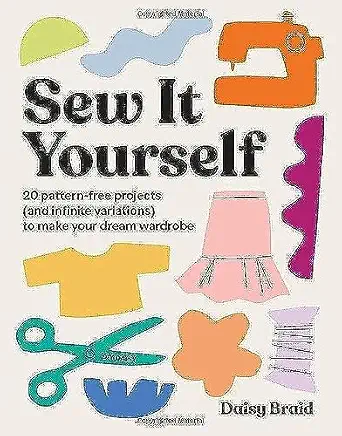 | Best for Creative Pattern-Free Sewing | Format: Print | Pages: Unknown | Skill Level: Intermediate | VIEW ON AMAZON | See Our Full Breakdown |
| Sew Your Own Wardrobe: More Than 80 Techniques |  | Best for Skill Expansion | Format: Print | Pages: 400 | Skill Level: Beginner to Advanced | VIEW ON AMAZON | See Our Full Breakdown |
| Sewing Projects for Beginners: Easy DIY Sewing Book with Mini Pattern Illustration and Small Business Ideas |  | Best for Small-Scale Sewing Projects and Entrepreneurial Beginners | Target Audience: Adults and teens | Content Focus: Simple sewing projects and small business ideas | Design Features: Mini pattern illustrations | VIEW ON AMAZON | See Our Full Breakdown |
| Sewing School: 21 Sewing Projects Kids Will Love to Make |  | Best for Engaging Kids in Beginner Sewing Fun | Target Age: Kids and early learners | Project Count: 21 | Skill Level: Beginner | VIEW ON AMAZON | See Our Full Breakdown |
| Sewing School 2: Lessons in Machine Sewing; 20 Projects Kids Will Love to Make |  | Best for Teaching Machine Sewing to Young Beginners | Number of Projects: 20 | Skill Level: Beginner | Focus Area: Machine sewing | VIEW ON AMAZON | See Our Full Breakdown |
| Sew Simple: A Beginner’s Guide to Sewing 20 Chic Projects |  | Best for Fashion-Focused Beginners Seeking Stylish Projects | Number of Projects: 20 | Target Audience: Beginners interested in fashion | Skill Level: Beginner | VIEW ON AMAZON | See Our Full Breakdown |
| Sewing School® Fashion Design: Make Your Own Wardrobe with Mix-and-Match Projects Including Tops, Skirts & Shorts |  | Best for Aspiring Fashion Designers Wanting Wardrobe Variety | Project Types: Tops, skirts, shorts | Target Audience: Beginners interested in wardrobe building | Skill Level: Beginner | VIEW ON AMAZON | See Our Full Breakdown |
| diy fashion projects for beginner | Skill Level | Format | Pages | Focus |
|---|---|---|---|---|
| DIY Thrift Flip: Sewing Techni | Beginner to Intermediate | Unknown | Upcycling, Creative Sewing | |
| Fashion Upcycling: The DIY Gui | Beginner | Unknown | Sewing, Mending, Reusing | |
| The Sewing Book | Beginner to Advanced | 512 | Techniques, Tools, Tips | |
| Sew It Yourself with DIY Daisy | Intermediate | Unknown | Pattern-Free Projects | |
| Sew Your Own Wardrobe: More Th | Beginner to Advanced | 400 | Techniques and Skills | |
| Sewing Projects for Beginners: | — | — | — | — |
| Sewing School: 21 Sewing Proje | Beginner | — | — | — |
| Sewing School 2: Lessons in Ma | Beginner | — | — | — |
| Sew Simple: A Beginner’s Guide | Beginner | — | — | — |
| Sewing School® Fashion Design: | Beginner | — | — | — |
More Details on Our Top Picks
DIY Thrift Flip: Sewing Techniques for Transforming Old Clothes into Fun, Wearable Fashions
This book stands out for its focus on upcycling old clothes into stylish new pieces, making it ideal for eco-conscious DIY fashion enthusiasts. Unlike Sew Your Own Wardrobe, which covers a broad range of techniques, this guide zeroes in on transforming existing garments with creative sewing methods. While it sparks imagination, its lack of detailed project instructions or specific materials could leave beginners feeling uncertain about execution. Creative, sustainable, and inspiring, it encourages personalization but doesn’t provide step-by-step tutorials for particular projects.
Pros:- Focuses on upcycling old clothes into wearable fashion
- Encourages eco-friendly and sustainable practices
- Provides innovative sewing techniques for creative reuse
Cons:- Lacks detailed project instructions or step-by-step tutorials
- No specific material or project guidance included
Best for: Beginners interested in sustainable fashion who want to learn upcycling techniques with minimal prior sewing experience
Not ideal for: Those seeking detailed project guides or specific patterns, as this book emphasizes techniques over step-by-step instructions
- Format:Print
- Pages:Unknown
- Skill Level:Beginner to Intermediate
- Focus:Upcycling, Creative Sewing
- Eco-friendly:Yes
- Publication Year:2021
Our verdict“This book is perfect for eco-conscious beginners eager to add a personal, sustainable touch to their wardrobe through creative sewing techniques.”
Fashion Upcycling: The DIY Guide to Sewing, Mending, and Sustainably Reinventing Your Wardrobe
This guide emphasizes the importance of sustainable fashion through practical tips on sewing and mending, making it well-suited for those wanting to breathe new life into worn garments. Compared with Sew It Yourself with DIY Daisy, which offers pattern-free projects, this book leans more toward repairing and creatively reusing existing pieces, but it provides less in the way of specific project ideas or detailed instructions. Its strength lies in promoting eco-awareness, yet its limited content details might leave beginners craving more structured guidance.
Pros:- Promotes sustainable fashion and eco-friendly practices
- Teaches practical sewing and mending techniques
- Encourages creative reuse of garments
Cons:- Limited detailed content or specific project guidance
- Lacks comprehensive step-by-step tutorials
Best for: Beginners motivated by sustainability who want to learn mending and upcycling techniques for their existing wardrobe
Not ideal for: Those seeking a wide variety of detailed, step-by-step projects without a focus on repair and reuse
- Format:Print
- Pages:Unknown
- Skill Level:Beginner
- Focus:Sewing, Mending, Reusing
- Eco-friendly:Yes
- Publication Year:2022
Our verdict“Ideal for eco-conscious beginners eager to implement sustainable practices through sewing and mending, even if they desire more detailed project instructions.”
The Sewing Book
This extensive guide offers a broad overview of sewing techniques, making it suitable for both newcomers and more experienced sewists. Unlike Sew It Yourself with DIY Daisy, which focuses on pattern-free projects, this book covers foundational skills, tools, and practical tips that help build confidence across a variety of sewing tasks. While its depth is a major advantage, the lack of specific, ready-to-make projects might feel overwhelming to absolute beginners seeking quick results. Its comprehensive nature makes it a valuable reference for steady skill development.
Pros:- Comprehensive and detailed sewing techniques
- Suitable for all skill levels with practical tips
- Covers tools, patterns, and essential skills
Cons:- No specific project patterns or step-by-step guides
- Might be too detailed for complete novices seeking quick results
Best for: Beginners who want a thorough understanding of sewing fundamentals and plan to pursue multiple projects over time
Not ideal for: Those looking for quick, pattern-free projects or casual sewing without mastering foundational skills
- Format:Print
- Pages:512
- Skill Level:Beginner to Advanced
- Focus:Techniques, Tools, Tips
- Publication Year:2020
- Includes Projects:No
Our verdict“This book is best for beginners committed to mastering sewing fundamentals to create a variety of projects over time.”
Sew It Yourself with DIY Daisy: 20 Pattern-Free Projects to Make Your Dream Wardrobe
This book shines for its 20 pattern-free projects, offering endless variation and personalized fashion creation without the need for complex patterns. Compared with The Sewing Book, which emphasizes skills and techniques, this pick prioritizes straightforward, customizable projects, making it perfect for those who want quick wins and unique wardrobe pieces. However, its limited project details and the requirement for some sewing experience may challenge absolute beginners. It’s a strong choice for sewists eager to explore creative, pattern-free fashion.
Pros:- Offers 20 pattern-free, customizable sewing projects
- Encourages creativity through endless variations
- Ideal for personalizing wardrobe pieces
Cons:- Limited project details and instructions
- Requires basic sewing skills and supplies
Best for: Intermediate beginners comfortable with sewing who want to craft unique, pattern-less garments with flexibility
Not ideal for: Total novices seeking detailed instructions or complete beginner projects, as it assumes some sewing familiarity
- Format:Print
- Pages:Unknown
- Skill Level:Intermediate
- Focus:Pattern-Free Projects
- Number of Projects:20
- Publication Year:2023
Our verdict“Perfect for creative sewists wanting to make unique, pattern-free clothing without relying on strict patterns.”
Sew Your Own Wardrobe: More Than 80 Techniques
This extensive resource provides over 80 sewing techniques, making it ideal for those looking to deepen their skills and craft a personalized wardrobe. Unlike Fashion Upcycling, which centers on upcycling and sustainability, this book covers a wide array of technical skills, from finishing seams to advanced pattern adjustments. Its broad scope can be overwhelming for absolute beginners, but it offers the most in-depth technical guidance for those willing to invest time. If you’re aiming to expand your sewing repertoire, this is the best pick.
Pros:- Includes over 80 sewing techniques
- Suitable for various skill levels with progressive learning
- Empowers creativity and technical mastery
Cons:- Lacks detailed project instructions
- No specific projects or patterns included
Best for: Sewing enthusiasts eager to learn a wide variety of techniques to design and customize their wardrobe
Not ideal for: Complete beginners seeking quick, easy projects or specific pattern instructions without technical detail
- Format:Print
- Pages:400
- Skill Level:Beginner to Advanced
- Focus:Techniques and Skills
- Includes Projects:No
- Publication Year:2019
Our verdict“A comprehensive guide for sewists ready to expand their technical skills and create highly personalized clothing.”
Sewing Projects for Beginners: Easy DIY Sewing Book with Mini Pattern Illustration and Small Business Ideas
This book stands out for its focus on simple sewing projects suitable for adults and teens, making it an ideal entry point for those new to sewing. Compared with Sewing School, which emphasizes fun projects for kids, this book offers a broader range of adult-friendly ideas and introduces small business concepts. Its mini pattern illustrations simplify the process, but it falls short on detailed project instructions and lacks specific materials lists, which could leave beginners guessing. This makes it better suited for motivated beginners who are comfortable seeking additional resources or experimenting on their own.
Pros:- Suitable for beginners of all ages
- Includes mini pattern illustrations for easier understanding
- Provides small business ideas for entrepreneurial-minded learners
Cons:- Lacks detailed project instructions, potentially confusing for absolute beginners
- No specific materials list included, requiring extra research
Best for: Adults or teens interested in basic sewing skills and small business ideas, willing to supplement with other resources
Not ideal for: Complete beginners who need detailed step-by-step guidance and comprehensive materials lists
- Target Audience:Adults and teens
- Content Focus:Simple sewing projects and small business ideas
- Design Features:Mini pattern illustrations
Our verdict“This book is perfect for motivated beginners interested in starting small sewing projects and exploring business ideas, but it requires supplementary guidance.”
Sewing School: 21 Sewing Projects Kids Will Love to Make
This book excels at engaging children with fun, easy sewing projects, making it an excellent choice for introducing kids to sewing for the first time. Unlike Sewing School 2, which adds a focus on machine sewing skills, this volume emphasizes hand-sewing projects that are perfect for absolute beginners. Its step-by-step instructions are clear and encouraging, fostering creativity and confidence, but its scope is limited to very simple projects without much room for advanced growth. It’s best suited for parents or educators seeking a straightforward way to get children interested in sewing.
Pros:- Engages children with fun, approachable projects
- Easy-to-follow instructions boost confidence
- Encourages creativity and skill development in young learners
Cons:- Limited to beginner-level projects, offering little challenge for older kids
- No detailed material lists, requiring adults to prepare supplies
Best for: Parents or teachers looking for beginner-friendly sewing activities for children
Not ideal for: Older kids or those with some sewing experience seeking more complex projects or machine sewing guidance
- Target Age:Kids and early learners
- Project Count:21
- Skill Level:Beginner
Our verdict“Ideal for introducing young children to sewing with simple, enjoyable projects that build foundational skills.”
Sewing School 2: Lessons in Machine Sewing; 20 Projects Kids Will Love to Make
This sequel expands on basic sewing skills, offering 20 creative machine sewing projects designed for children. Compared to Sewing School, which is mainly hand-sewing focused, this book emphasizes machine techniques, providing a natural progression for kids eager to learn more advanced skills. It’s educational and fun, helping young learners gain confidence with their sewing machines, but it requires basic sewing equipment and is mostly suited for beginners. The lack of detailed technical specifications means it’s best for parents or teachers already familiar with sewing tools.
Pros:- Educational and fun for kids
- Includes 20 creative projects to build skills
- Promotes confidence in machine sewing
Cons:- No detailed technical specifications included
- Requires access to basic sewing equipment and machines
Best for: Parents or educators teaching children basic machine sewing skills and looking for structured projects
Not ideal for: Families without sewing machines or kids with no prior sewing experience
- Number of Projects:20
- Skill Level:Beginner
- Focus Area:Machine sewing
Our verdict“Best suited for beginners with access to a sewing machine, aiming to develop machine sewing skills in children.”
Sew Simple: A Beginner’s Guide to Sewing 20 Chic Projects
This guide offers a well-rounded introduction to sewing, focusing on 20 stylish projects that help beginners build practical skills while creating fashionable items. Compared with Sewing School, which emphasizes basic projects for all ages, Sew Simple targets those who want to craft chic, wearable pieces from the start. Its clear instructions make it accessible, but it lacks advanced techniques or complex patterns, limiting growth for those ready to expand beyond basics. It’s perfect for fashion-forward beginners eager to produce stylish handmade items with straightforward guidance.
Pros:- Great for beginners interested in fashion
- Includes 20 stylish sewing projects
- Clear, easy-to-follow instructions
Cons:- Limited to basic sewing techniques
- Focuses mainly on simple, achievable projects
Best for: Fashion-conscious beginners wanting to create stylish, wearable sewing projects
Not ideal for: Seamsters seeking advanced techniques or complex garment patterns
- Number of Projects:20
- Target Audience:Beginners interested in fashion
- Skill Level:Beginner
Our verdict“Ideal for fashion-focused beginners who want to create stylish garments without complex patterns or techniques.”
Sewing School® Fashion Design: Make Your Own Wardrobe with Mix-and-Match Projects Including Tops, Skirts & Shorts
This book offers step-by-step guidance for creating a variety of clothing items such as tops, skirts, and shorts, making it ideal for those eager to assemble a complete wardrobe. Compared with Sewing Simple, which emphasizes stylish projects without necessarily building a wardrobe, this pick encourages mix-and-match skills and wardrobe versatility for beginners. Its instructions are straightforward, but the lack of detailed material lists or advanced techniques may limit growth for those seeking more complex or technical sewing methods. It’s best suited for beginners with a clear goal of making wearable, interchangeable clothing pieces.
Pros:- Provides easy-to-follow projects for creating a wardrobe
- Encourages creativity with mix-and-match ideas
- Includes various clothing items like tops, skirts, and shorts
Cons:- No detailed information on materials or tools required
- Limited to basic sewing techniques, with minimal advanced guidance
Best for: Beginners interested in building a versatile wardrobe and developing fashion design skills
Not ideal for: Seamsters looking for detailed technical sewing skills or advanced garment construction
- Project Types:Tops, skirts, shorts
- Target Audience:Beginners interested in wardrobe building
- Skill Level:Beginner
Our verdict“Perfect for beginners aiming to sew a functional, stylish wardrobe with simple, coordinated projects.”

How We Picked
These products were selected based on their clarity of instructions, accessibility for beginners, variety of project types, and overall build quality. I prioritized resources that offer step-by-step guidance, whether through detailed illustrations, videos, or pattern-free designs, to ensure a smooth learning curve. Cost-effectiveness and the availability of materials were also key factors, as beginner projects should be affordable and straightforward. The ranking reflects a balance between ease of use, versatility, and the potential for developing foundational sewing skills, making these options suitable for those just starting out in DIY fashion.| diy fashion projects for beginner | Skill Level | Focus |
|---|---|---|
| DIY Thrift Flip: Sewing Techni | Beginner to Intermediate | Upcycling, Creative Sewing |
| Fashion Upcycling: The DIY Gui | Beginner | Sewing, Mending, Reusing |
| The Sewing Book | Beginner to Advanced | Techniques, Tools, Tips |
| Sew It Yourself with DIY Daisy | Intermediate | Pattern-Free Projects |
| Sew Your Own Wardrobe: More Th | Beginner to Advanced | Techniques and Skills |
| Sewing Projects for Beginners: | — | — |
| Sewing School: 21 Sewing Proje | Beginner | — |
| Sewing School 2: Lessons in Ma | Beginner | — |
| Sew Simple: A Beginner’s Guide | Beginner | — |
| Sewing School® Fashion Design: | Beginner | — |
Factors to Consider When Choosing Diy Fashion Projects For Beginners
When choosing DIY fashion projects for beginners, it’s important to consider several key factors that can impact your learning experience, enjoyment, and results. Picking the right project involves balancing complexity, time commitment, and the type of clothing or accessory you want to create. Understanding these elements helps ensure you select options that motivate you rather than frustrate you, and that fit your budget and available tools. Consider your personal style, space, and resources to find projects that align with your goals and skill level.Skill Level and Complexity
For beginners, projects that require minimal sewing experience and basic techniques are ideal. Look for resources that emphasize step-by-step instructions, pattern-free options, or projects with simple shapes. Avoid overly complex designs that demand advanced skills or specialized tools, as they can quickly become discouraging. Starting with smaller, manageable projects builds confidence and helps develop foundational skills before tackling more ambitious designs.
Materials and Cost
Ease of access and affordability of materials are vital for beginners. Choose projects that use common fabrics and inexpensive notions to keep costs low. Be mindful of the tools you’ll need—basic sewing machines, scissors, and pins are usually enough for most beginner projects. Investing in high-quality materials or tools for overly complicated projects may lead to frustration or wasted resources if you’re still learning.
Time Commitment
Consider how much time you’re willing to dedicate per project. Shorter, quicker projects can provide satisfying results and motivate continued practice. Longer, more involved projects are rewarding but may be overwhelming at first. Balancing your available time with project complexity ensures a steady, enjoyable learning process without feeling rushed or discouraged.
Project Versatility and End Goals
Think about what kind of items you want to make—clothes, accessories, or upcycled fashion—and choose projects aligned with those interests. Versatile projects that can be customized help you explore different techniques and styles. If your aim is to create wearable, unique pieces, select beginner-friendly designs that allow for personal touches without requiring advanced skills.
Support and Learning Resources
Access to tutorials, community groups, or detailed instructions can make a significant difference in your learning journey. Projects accompanied by videos or online communities provide encouragement and troubleshooting help. Beginners should prioritize resources that offer clear guidance and opportunities to ask questions, reducing frustration and increasing the likelihood of success.
Frequently Asked Questions
Do I need a sewing machine to try these DIY fashion projects?
Most beginner-friendly projects do require a basic sewing machine, but there are some that are hand-sewable with minimal tools. If you’re just starting out, investing in an affordable, simple machine can be worthwhile as it allows for faster, more consistent results. Hand sewing is an option for small projects or details, but a machine generally offers more efficiency and precision, especially as you progress to more complex designs.
Are these projects suitable for total beginners with no sewing experience?
Yes, many of these projects are designed specifically for beginners, emphasizing simple techniques and easy-to-follow instructions. Pattern-free options or projects that focus on basic stitches help build confidence and foundational skills without feeling overwhelmed. Starting with these beginner-friendly choices ensures you develop a solid base before moving on to more advanced designs.
How much will I need to spend on materials for these projects?
Most beginner projects are budget-friendly, often using inexpensive fabrics like cotton or upcycled materials. The total cost depends on the scope of your project and the quality of materials you choose, but many projects can be completed for under $20 in supplies. Prioritizing low-cost, readily available fabrics helps keep expenses manageable, especially when you’re just exploring DIY fashion.
Can I customize these projects to reflect my personal style?
Absolutely. Many beginner projects are highly adaptable, allowing you to choose different fabrics, colors, and embellishments. Once you’re comfortable with the basic techniques, you can experiment with patterns, trims, or other details to create unique pieces that match your style. Customization is a great way to make each project feel personally meaningful and fashionable.
How long do typical beginner DIY fashion projects take?
The time required varies depending on the project complexity, but most beginner-friendly designs can be completed within a few hours to a weekend. Shorter projects offer quick gratification and help maintain motivation, while more detailed ones can be spread out over multiple sessions. Starting with manageable timeframes ensures you stay engaged and avoid burnout.
Conclusion
For those just starting and seeking quick wins, Sewing Projects for Beginners offers straightforward, well-structured guides. If sustainability and upcycling appeal to you, Fashion Upcycling provides inspiring ideas with a focus on eco-friendly fashion. For buyers willing to invest in comprehensive techniques and varied projects, Sew Your Own Wardrobe delivers versatility and depth. Ultimately, beginners aiming for ease and confidence should prioritize projects with clear instructions, while more experienced DIYers may explore complex designs for added challenge. Your choice depends on your goals, budget, and how much time you’re ready to dedicate to learning new skills.Fall Picks
fall essentials
As an affiliate, we earn on qualifying purchases.