Before you cut, crop, or distress your clothes, it’s important to understand your fabric type—lightweight fabrics fray easily, while sturdy ones need sharper tools. Always test techniques on scrap first and use the right tools safely, like sharp scissors and craft knives. Keep your work area well-ventilated and wear protective gear when handling chemicals. Knowing these basics helps you achieve the look you want without damaging your clothes. Want to learn more?
Listen free for 30 days with Audible
Thousands of audiobooks and originals — cancel anytime.
As an affiliate, we earn on qualifying purchases.
Key Takeaways
- Assess fabric type to determine suitable distressing techniques and whether pre-washing is necessary.
- Use sharp, appropriate tools and work on a stable, well-lit surface for precise cuts.
- Practice on scrap fabric first to avoid accidental damage to your main garment.
- Prioritize safety by wearing protective gear and working in ventilated areas when handling chemicals.
- Plan your design carefully to achieve the desired distressed look without overdoing it.
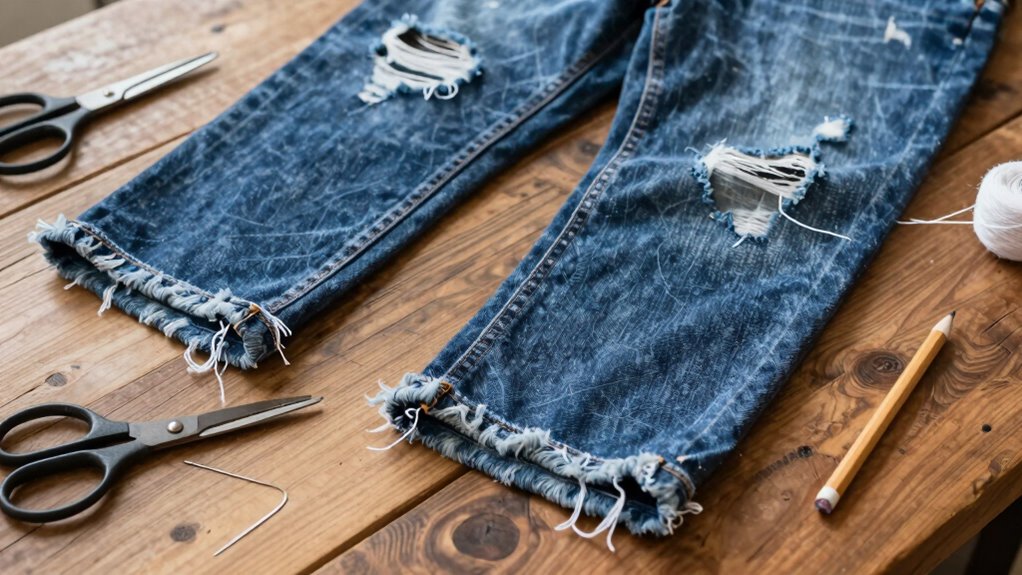
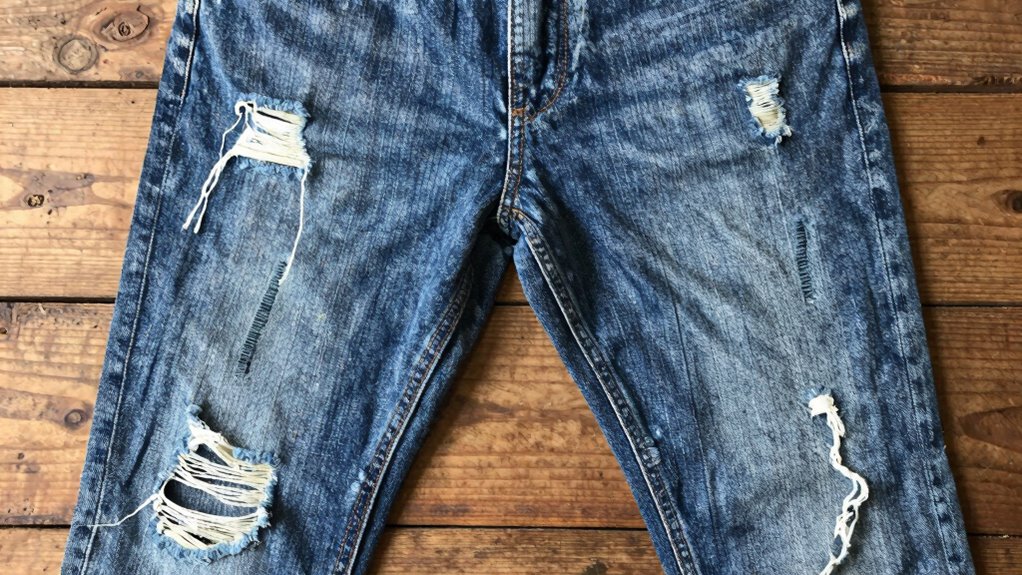
Before you start cutting, cropping, or distressing your clothes, it’s important to understand that these modifications can dramatically change the look and feel of your garments. One of the first things to consider is fabric types. Different fabrics react differently to cutting and distressing. For example, lightweight materials like cotton or linen are easier to work with and tend to fray nicely, giving a casual, worn-in appearance. Sturdier fabrics like denim or canvas hold their shape well but require sharper tools and more careful handling to avoid unwanted tears. Delicate fabrics such as silk or chiffon are generally not suitable for DIY distressing because they can easily rip or tear beyond repair. Knowing your fabric type helps you choose the right techniques and tools, ensuring your project turns out as intended. Additionally, understanding the fabric reactions to distressing helps you decide whether to pre-wash or treat your fabric beforehand. Safety should be your top priority during any DIY clothing alteration. Sharp scissors, rotary cutters, or craft knives are essential tools, but they pose risks if used improperly. Always work on a stable, flat surface and cut away from your body to avoid accidents. Keep your fingers clear of the blades, and consider wearing protective gloves if you’re using particularly sharp or powerful tools. Also, make sure your workspace is well-lit, so you can see your fabric clearly and avoid slips. If you’re distressing denim, for instance, a craft knife can give you a controlled, precise cut—just remember to cut slowly and steadily. When working with fabric, test your cutting technique on a scrap piece first to see how it reacts. This way, you can refine your method before working on the actual garment. Additionally, understanding your fabric types helps you determine whether to pre-wash or not. Many fabrics, like denim, benefit from pre-washing, which softens the material and reveals natural frays. Others, like polyester blends, might not fray at all, so distressing may require different techniques such as sanding or bleaching. Knowing your fabric composition can help you choose the most effective distressing methods. Always follow safety guidelines for any chemical treatments, and work in a well-ventilated area. Gloves, masks, and eye protection are recommended when using dyes or bleaching agents to prevent skin irritation or inhalation of fumes.
fabric scissors for clothing DIY
As an affiliate, we earn on qualifying purchases.
As an affiliate, we earn on qualifying purchases.
Frequently Asked Questions
Can Distressing Clothes Weaken the Fabric Permanently?
Yes, distressing clothes can weaken the fabric permanently. When you distress, you create thin spots or frays that reduce fabric durability. Over time, these areas are more prone to tearing or further damage, especially if the material stretches or is subjected to stress. So, while distressing gives a stylish look, it can compromise the fabric’s strength and longevity, making it important to evaluate how much you want to distress your clothes.
What Tools Are Safest for Cutting or Cropping Fabric?
For safe cutting and cropping, select sharp fabric scissors or a rotary cutter. Fabric scissors are fantastic for precise, clean cuts, while rotary cutters glide smoothly through multiple layers, offering control and comfort. Make sure your tools are well-maintained, and always cut on a cutting mat for safety. Avoid dull scissors or makeshift tools, as they can cause uneven edges or accidents, ensuring your fabric stays intact and your project stays perfect.
How Do I Fix Mistakes After Cutting or Distressing?
If you make a mistake after cutting or distressing, act quickly. Use sewing repair techniques to fix uneven edges or tears, and consider fabric reinforcement to strengthen weak spots. You can sew a patch or use fabric glue for small errors. Carefully trim loose threads and reinforce frayed areas to prevent further damage. Taking these steps helps restore your garment’s look and durability, ensuring your DIY project stays stylish.
Will Distressing Reduce the Clothing’s Resale Value?
Irony strikes: distressing your clothes might actually boost their resale value if it’s trendy. Fashion trends often celebrate that “worn-in” look, making distressed pieces more desirable. If you follow DIY tips carefully, you can craft authentic, stylish distressing that appeals to buyers. But, if you go overboard or ruin the piece, it could decrease resale value. So, think twice before distressing—style or damage? The choice is yours.
How Long Does Distressed or Cropped Clothing Typically Last?
Distressed or cropped clothing typically lasts as long as your personal style and how well you care for it. If you keep up with fashion trends, you might replace these pieces sooner, but if they match your personal style, they can last years with proper maintenance. The key is to handle them gently and avoid over-stressing the fabric, ensuring they stay fashionable and durable longer.
Conclusion
Remember, a stitch in time saves nine—think carefully before you cut or distress your clothes. Take your time to plan, measure, and consider the look you want. Sometimes, a small change can make a big difference, but rushing can lead to regrets. By being thoughtful and patient, you’ll create a stylish, personalized piece you’ll love. After all, good things come to those who wait and craft with care.
NFL season / tailgating Picks
team gear
As an affiliate, we earn on qualifying purchases.