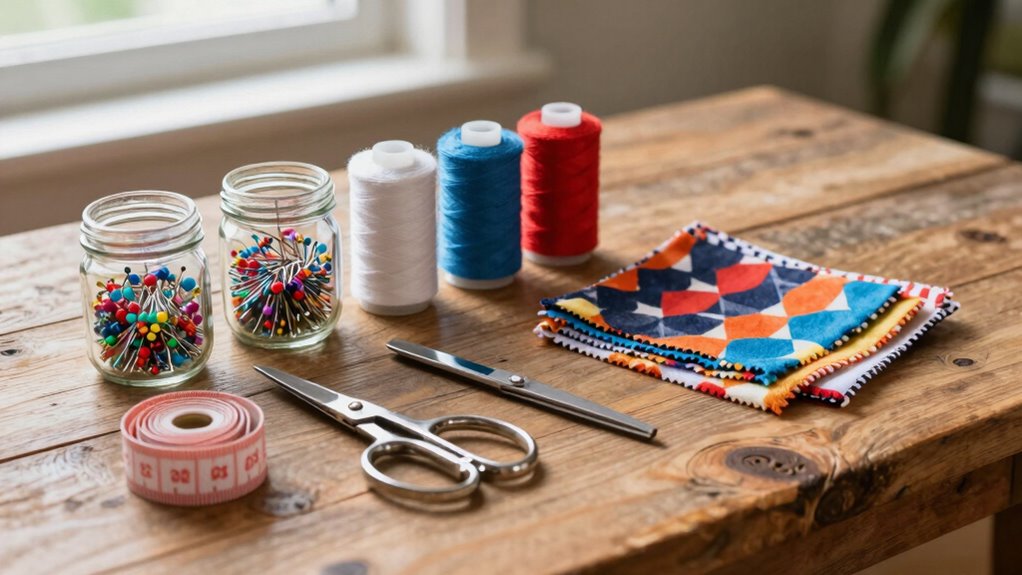

To build a small DIY fashion kit you’ll actually use, start by choosing sustainable fabrics like organic cotton or recycled textiles that inspire passion and eco-consciousness. Gather essential, beginner-friendly tools such as fabric scissors, a seam ripper, basic needles, and neutral thread. Keep your collection versatile with minimal accessories like pins and measuring tape, focusing on tools that encourage experimentation. Staying intentional and mindful as you select these items will keep you motivated—continue exploring to discover how to make your kit truly inspiring.
Key Takeaways
- Select eco-friendly, versatile fabrics like organic cotton and bamboo for sustainable and beginner-friendly projects.
- Include essential, affordable tools such as fabric scissors, seam ripper, needles, and neutral thread for practical use.
- Curate a compact kit with basic accessories like pins, clips, and a measuring tape to enable experimentation.
- Focus on mindfulness and purpose, infusing projects with personal meaning and sustainable practices.
- Keep the kit minimal but functional to encourage regular use and ongoing creativity.
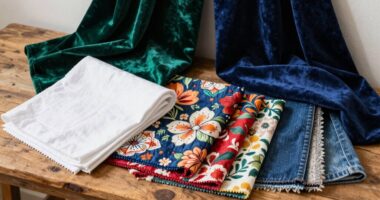
Creating your own fashion pieces can be incredibly rewarding, especially when you have a DIY fashion kit at your fingertips. Building a small, practical kit means you’ll be ready to bring your ideas to life without feeling overwhelmed. To start, focus on selecting sustainable materials that are eco-friendly and versatile. Think organic cotton, recycled fabrics, or bamboo textiles—these materials are not only better for the planet but often easier for beginners to work with. Incorporating sustainable materials into your kit helps you craft stylish pieces while reducing environmental impact, making your projects more meaningful.
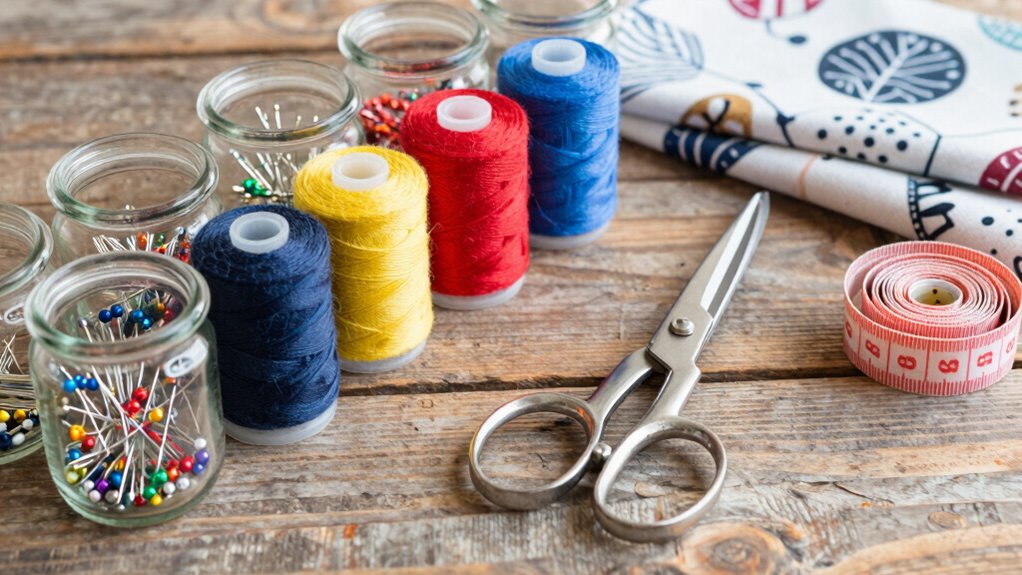
Next, consider the beginner-friendly tools that should be part of your kit. You don’t need a full sewing room to get started; a few essential tools will do the trick. Opt for a quality pair of fabric scissors, a seam ripper, and a basic sewing kit with needles and thread in neutral colors. A fabric chalk or marker is also handy for marking patterns and cutting lines. These tools are straightforward to use, affordable, and designed for beginners, so you can focus on learning the craft without frustration. As you progress, you can expand your toolkit, but these basics are enough to start creating simple, wearable pieces. Developing a sustainable approach to your projects can also help you stay mindful of your environmental impact as you learn new techniques. Understanding philosophical themes related to authenticity and self-expression can inspire you to infuse your creations with personal meaning and depth.
When it comes to assembling your kit, prioritize versatility. Pick tools and materials that allow you to experiment with different styles and techniques. For example, a small collection of basic fabrics can be combined to make everything from skirts to tops. Keep your accessories minimal but functional—pins, clips, and measuring tape are must-haves for accuracy and efficiency. Remember, the goal isn’t to stockpile everything at once, but to create a curated set of tools and materials that inspire you to sew and upcycle regularly. Exploring sound vibrations and their influence on cellular regeneration can also inspire a mindful approach to crafting, emphasizing the importance of intention in your projects. Additionally, understanding the importance of sustainable materials can help you make more environmentally conscious choices as you develop your collection.

Fiskars 9" Recycled Fabric Scissors – Sustainable and Sharp Craft Scissors for Sewing – Craft and Fabric Cutting – Beige
SEWING, ARTS, AND CRAFTS STAPLE: Fiskars ReNew Scissors are made of recycled and renewable materials for excellent comfort…
As an affiliate, we earn on qualifying purchases.
As an affiliate, we earn on qualifying purchases.
Frequently Asked Questions
What Tools Are Essential for a DIY Fashion Kit?
You’ll need essential tools like a good pair of fabric scissors for cutting various fabric types, a sewing needle and pins for different sewing techniques, and a seam ripper for quick fixes. Include a measuring tape to guarantee accurate sizing and a fabric chalk or marker for marking patterns. These tools help you work with different fabric types and master sewing techniques, making your DIY fashion projects more enjoyable and successful.
How Much Does It Cost to Start a Small DIY Fashion Kit?
Starting your DIY fashion kit costs around $50 to $150, depending on your choices. Did you know that proper budget planning can save you up to 30% on material sourcing? To keep costs low, focus on essential tools and versatile fabrics. You can find affordable materials at local shops or online. By setting a clear budget and sourcing wisely, you’ll build a functional kit without overspending.
Can Beginners Easily Use the Items in the Kit?
Yes, beginners can easily use the items in your DIY fashion kit. You’ll find simple tools like scissors and fabric glue, perfect for exploring fashion trend ideas without complex skills. Just remember DIY fashion safety—work in a well-lit area, handle scissors carefully, and follow instructions. With a little practice, you’ll confidently create unique pieces, making your fashion journey enjoyable and safe from the start.
How Often Should I Update or Replenish My Fashion Kit?
You should update your fashion kit whenever your seasonal wardrobe changes or when your style versatility needs a refresh. Aim to replenish essentials twice a year—once for spring/summer and again for fall/winter. Keep an eye on items that show wear or no longer match your style. Staying proactive helps your kit stay useful and fresh, so you’re always ready to put your best foot forward.
Where Can I Find Quality Supplies for My DIY Fashion Kit?
You can find quality supplies for your DIY fashion kit at fabric sources like local fabric stores, online shops, or craft markets, where you’ll discover a variety of textiles. For accessory options, explore specialty boutiques, thrift stores, or online marketplaces. These sources offer high-quality fabrics and unique accessories, helping you build a versatile kit. Always check reviews and quality before purchasing to guarantee your supplies will last and look great in your projects.

Sewing Kit Basic,Marcoon Needle and Thread Kit with Sewing Supplies and Accessories for Adults,Beginner,Home,Travel,Emergency Including Scissors,Measure Tape,Needle Threader and More
Complete Sewing Kit-The travel sewing kit contains all the necessary tools that are required for performing basic repairs-a…
As an affiliate, we earn on qualifying purchases.
As an affiliate, we earn on qualifying purchases.
Conclusion
Building your DIY fashion kit is like creating a personal style army—ready to conquer any outfit challenge. Keep it simple, practical, and tailored to your taste, so you’re never stuck without a solution. With just a few essential tools and fabrics, you’ll turn everyday moments into runway-worthy looks that scream “you.” Once you start, there’s no stopping your creativity—your wardrobe will become a limitless playground, and you’ll wonder how you ever dressed without it!

FIVEIZERO 100% Cotton Muslin Fabric by The Yard,63in x 1Yards Unbleached Natural Cotton Material–Medium Weight Beige Calico Fabric for Sewing,Quilting,Embroidery,Crafts & Apparel Projects
100% Pure Cotton, Undyed & Unbleached: Crafted from 100% natural cotton, this muslin fabric is unbleached and chemical-free….
As an affiliate, we earn on qualifying purchases.
As an affiliate, we earn on qualifying purchases.

Klever Kits 400+PCS Fashion Design Crafts for Kids, Art and Crafts, DIY Sewing Kits with 3 Mannequins for Girls Aged 8-12, Birthday Presents, Toys for Kids
Comprehensive Crafting Activities: With over 400 pieces, including 21pcs fabrics, 3 mannequins, and plenty of trims, ribbons, and…
As an affiliate, we earn on qualifying purchases.
As an affiliate, we earn on qualifying purchases.