
Modern brands borrow from heritage aesthetics by using vintage-inspired designs, traditional typography, and aged textures that evoke nostalgia and authenticity. They incorporate cultural symbols, colors, and motifs from specific regions or eras to deepen emotional connections. Blending old and new, these brands balance timeless craftsmanship with sleek, contemporary styles, creating hybrid identities that stand out. If you want to discover how they craft compelling stories that resonate across generations, there’s more to explore.
Listen free for 30 days with Audible
Thousands of audiobooks and originals — cancel anytime.
As an affiliate, we earn on qualifying purchases.
Key Takeaways
- Incorporate vintage-inspired designs and traditional patterns to evoke nostalgia and authenticity.
- Use cultural symbols, motifs, and color palettes from specific eras or regions to deepen storytelling.
- Blend classic typography with modern layouts to create hybrid brand identities that balance tradition and innovation.
- Embed symbols of craftsmanship and resilience to communicate quality and long-standing heritage.
- Develop narratives that weave history and cultural values, fostering emotional bonds and brand loyalty.
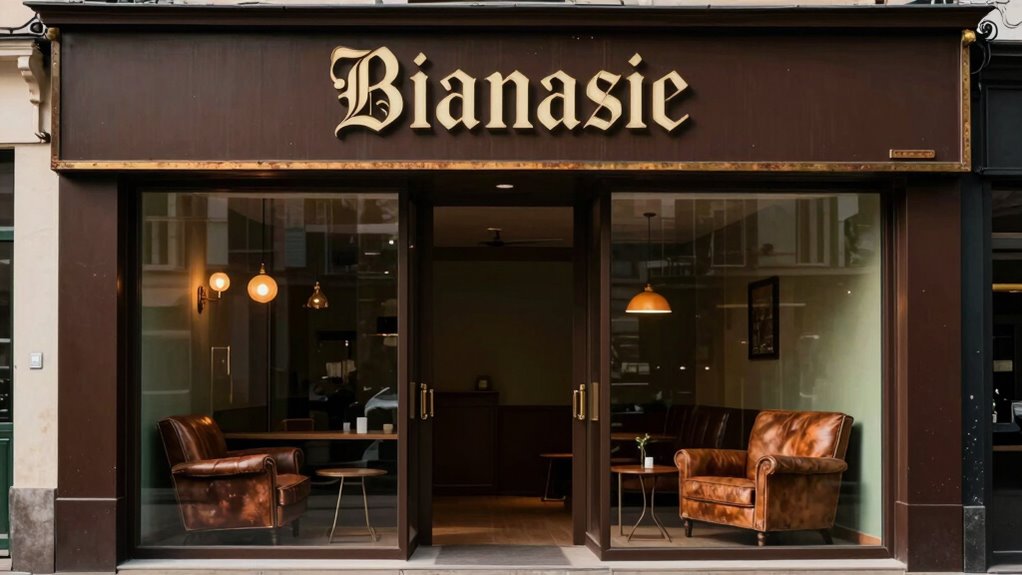
In today’s competitive market, many modern brands are turning to heritage aesthetics to stand out and evoke a sense of timelessness. This approach taps into the ongoing branding evolution, where companies seek deeper connections with their audiences by referencing the past. By integrating elements of cultural symbolism, brands craft narratives that feel authentic and rooted in tradition. When you incorporate these vintage-inspired designs and stories, you’re not just creating a visual identity; you’re forging an emotional bond that resonates across generations.
Heritage aesthetics serve as a powerful tool in shaping brand perception. They evoke memories and associations that people hold dear, making your brand appear trustworthy and established. You might notice how brands leverage classic typography, traditional patterns, or aged textures to evoke nostalgia. These visual cues instantly communicate stability and quality, qualities that modern consumers increasingly crave amid rapid technological change. The cultural symbolism embedded in these designs becomes a language in itself, conveying values like craftsmanship, resilience, or community spirit without words.
Heritage visuals evoke trust, stability, and timeless quality through symbols of craftsmanship and resilience.
As you adapt heritage elements, you participate in the ongoing branding evolution. Instead of abandoning modern innovation, you blend new ideas with timeless symbols, creating a hybrid identity that appeals to both tradition and progress. This strategy allows you to differentiate yourself in crowded markets by presenting a story of authenticity that’s difficult for competitors to replicate. For example, a luxury watch brand might draw on vintage craftsmanship and historical motifs, emphasizing its long-standing heritage while incorporating sleek, contemporary styles. This balance ensures your brand remains relevant without losing its sense of history.
Cultural symbolism plays a crucial role in this process. Symbols, colors, and motifs from specific eras or regions evoke a sense of belonging and identity. When you thoughtfully incorporate these elements, you tap into collective memories and shared values, making your brand more meaningful. Whether it’s a crest reminiscent of aristocratic heritage or a color palette inspired by traditional textiles, these details deepen emotional engagement. They also signal to consumers that your brand respects and celebrates its origins, fostering loyalty.
Ultimately, borrowing from heritage aesthetics is about storytelling. It’s about weaving history, culture, and values into your brand’s fabric, allowing you to stand out by offering more than just products — you offer a narrative rooted in cultural symbolism and historical significance. This process is enhanced by understanding how visual cues communicate stability and quality, which are highly valued in today’s fast-paced world. By doing so, you create a brand identity that feels both timeless and contemporary, capturing the attention and hearts of your target audience.
As an affiliate, we earn on qualifying purchases.
Frequently Asked Questions
How Do Brands Balance Modernity With Traditional Heritage Designs?
You balance modernity with traditional heritage designs by prioritizing cultural authenticity in your branding. You incorporate contemporary elements that complement traditional motifs, creating a fresh yet respectful look. Visual storytelling plays a key role, allowing you to communicate your brand’s history while appealing to current tastes. This approach guarantees your brand feels both relevant and rooted, resonating deeply with audiences who value authenticity and a sense of timelessness.
What Are the Risks of Overusing Heritage Aesthetics in Branding?
Overusing heritage aesthetics can risk compromising your brand’s cultural authenticity, making it seem insincere or merely nostalgic. You might dilute your unique identity, leading to a faded or superficial nostalgic appeal that doesn’t resonate genuinely with your audience. This overreliance can also cause your brand to appear outdated or disconnected from contemporary values, ultimately undermining trust and relevance in a competitive market. Balance is key to maintaining authenticity while capturing nostalgic charm.
How Do Heritage-Inspired Designs Influence Consumer Perception?
Heritage-inspired designs influence your perception by conveying timeless elegance and cultural authenticity. When you see these elements, you’re often drawn to brands that evoke a sense of tradition and quality, making their products feel more trustworthy and enduring. This connection enhances your emotional engagement, fostering loyalty. By emphasizing heritage aesthetics, brands tap into your appreciation for authenticity, shaping your perception of their value and deepening your overall brand experience.
Which Industries Most Commonly Adopt Heritage Aesthetics?
You’ll notice industries like fashion, automotive, and luxury goods most often adopt heritage aesthetics, especially during vintage revival trends. It’s no coincidence—they tap into cultural significance, evoking nostalgia and craftsmanship that resonate deeply with consumers. By integrating vintage elements, these industries create timeless appeal, blending history with modernity. This strategy helps build authenticity, trust, and emotional connections, making their brands stand out in competitive markets.
How Can Small Brands Incorporate Heritage Elements Effectively?
To incorporate heritage elements effectively, you should focus on authentic storytelling that highlights your brand’s history and craftsmanship. Use design elements that evoke timeless elegance, like vintage fonts or classic color palettes, but keep it simple and genuine. Share your story through packaging, marketing, and social media to create emotional connections. This approach helps your small brand stand out by blending heritage with modern appeal, building trust and loyalty.
Conclusion
By blending heritage aesthetics with contemporary design, brands create a timeless appeal that resonates deeply. You see it in the vintage-inspired logos and classic color palettes that evoke trust and nostalgia. Isn’t it fascinating how a touch of history can elevate a modern brand’s identity? As you observe these trends, remember that borrowing from the past isn’t just about aesthetics—it’s about telling a story that connects, endures, and evolves.
Flea & tick season Picks
flea and tick prevention
As an affiliate, we earn on qualifying purchases.