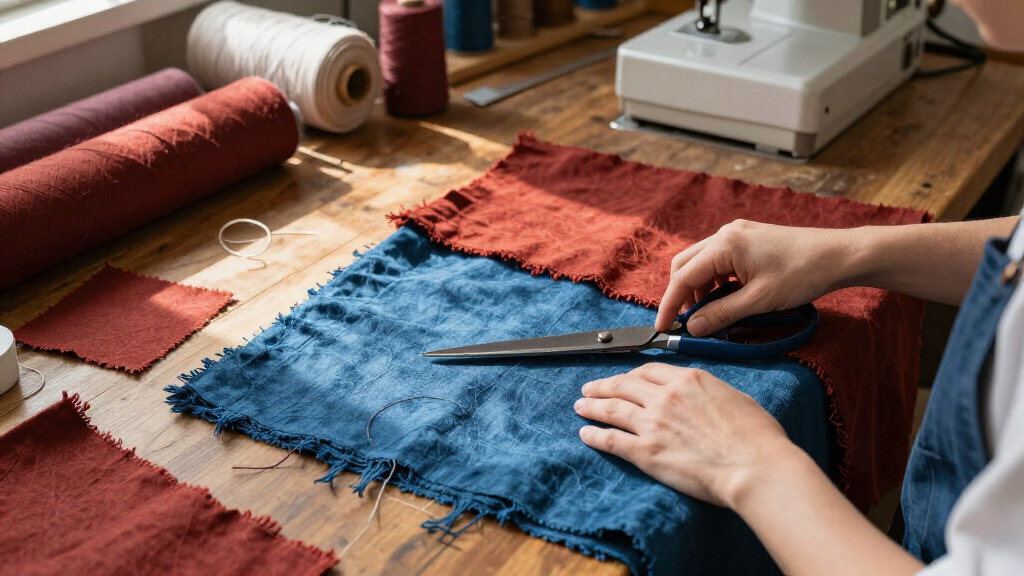

Selecting the right educational resource for fashion textiles can determine the depth of your material knowledge and the success of your design projects. My top recommendation is Textilepedia: The Complete Fabric Guide because it offers unmatched visual clarity and a comprehensive database structure that serves both students and professionals effectively. For those needing deeper technical specifications, Fabric for Fashion: The Complete Guide provides rigorous detail on fiber properties and manufacturing processes. The main tradeoff in this category lies between visual inspiration and technical accuracy; some books excel at showing you what a fabric looks like, while others explain how it behaves under stress or during production. Continue reading to see how these six resources compare in utility, depth, and practical application for your specific career stage.

Get your wardrobe favorites delivered free with Prime
- Fast, free delivery on millions of items
- Prime Video, Amazon Music and more included
- Member-only deals all year
Key Takeaways
- Visual databases like Textilepedia are superior for quick identification, while academic texts like Textiles and Fashion are better for understanding material science.
- Professional designers prioritize the ‘garment-design potential’ sections found in The Fashion Designer’s Textile Directory over general fiber descriptions.
- Beginners often mistake comprehensive encyclopedias for beginner-friendly guides, leading to information overload rather than practical learning.
- Dictionaries serve a different function than guides; they are reference tools for terminology, not learning tools for material behavior.
- The most versatile resources combine high-quality photography with concise technical data, allowing for immediate application in design studios.
| Textiles |  | Best for Broad Foundations | Title: Textiles | ASIN: 013412863X | Product type: Book | VIEW LATEST PRICE | See Our Full Breakdown |
| Textilepedia: The Complete Fabric Guide |  | Best Fabric Reference | Title: Textilepedia: The Complete Fabric Guide | ASIN: 9887711098 | Product type: Book | VIEW LATEST PRICE | See Our Full Breakdown |
| Fabric for Fashion: The Complete Guide, Second Edition |  | Best for Fashion-Focused Fabric Study | Title: Fabric for Fashion: The Complete Guide, Second Edition | ASIN: 1913947939 | Product type: Book | VIEW LATEST PRICE | See Our Full Breakdown |
| The Fashion Designer’s Textile Directory: A Guide to Fabrics’ Properties, Characteristics, and Garment-Design Potential |  | Best for Applying Fabric Knowledge to Garments | Title: The Fashion Designer’s Textile Directory: A Guide to Fabrics’ Properties, Characteristics, and Garment-Design Potential | ASIN: 1438011555 | Product type: Book | VIEW LATEST PRICE | See Our Full Breakdown |
| Fashion & Textile Design Dictionary |  | Best for Terminology and Patternmaking | Title: Fashion & Textile Design Dictionary | ASIN: B0GX56MPBY | Product type: Reference dictionary | VIEW LATEST PRICE | See Our Full Breakdown |
| Textiles and Fashion: Materials, Design and Technology |  | Best for Technical Depth | Series: Woodhead Publishing Series in Textiles | Book Number: 126 | Primary Focus: Materials, Design, and Technology | VIEW LATEST PRICE | See Our Full Breakdown |
| fashion textile | Title | ASIN | Product type | Edition |
|---|---|---|---|---|
| Textiles | Textiles | 013412863X | Book | Not provided |
| Textilepedia: The Complete Fab | Textilepedia: The Complete Fabric Guide | 9887711098 | Book | Not provided |
| Fabric for Fashion: The Comple | Fabric for Fashion: The Complete Guide, Second Edition | 1913947939 | Book | Second edition |
| The Fashion Designer’s Textile | The Fashion Designer’s Textile Directory: A Guide to Fabrics’ Properties, Characteristics, and Garment-Design Potential | 1438011555 | Book | — |
| Fashion & Textile Design Dicti | Fashion & Textile Design Dictionary | B0GX56MPBY | Reference dictionary | — |
| Textiles and Fashion: Material | — | — | — | — |
More Details on Our Top Picks
Textiles
Textiles is the broadest starting point in this group based on its title, making it a sensible choice for readers seeking a general introduction rather than a narrowly focused fabric directory. Compared with Textilepedia: The Complete Fabric Guide, which signals a fabric-by-fabric reference approach, this book may suit readers who want a wider overview of textiles as a subject. The available product information is sparse, though: no edition, contents, audience, or practical design features are specified, so I can’t judge its depth or how directly it supports garment decisions. That uncertainty is its main drawback beside the more clearly described Fashion & Textile Design Dictionary. I’d choose it when a general textile title is the priority, not when verified terminology coverage or specific fabric-selection guidance is required.
Pros:- Broad textile-focused title suits readers seeking an introductory subject overview
- Could serve as a general reference alongside more specialized fabric guides
- Does not signal a narrow focus on one textile category
Cons:- No description or technical details are supplied to verify its scope
- Edition, intended audience, and level of detail are unspecified
- Its practical usefulness for fashion and garment design cannot be established from the available information
Best for: Readers seeking a general textile book who are comfortable checking the contents and edition before buying.
Not ideal for: Fashion students who need confirmed fabric samples, garment-design guidance, or a specified glossary; those details are not provided.
- Title:Textiles
- ASIN:013412863X
- Product type:Book
- Subject indicated by title:Textiles
- Edition:Not provided
- Description:Not provided
Our verdict“Choose this for a potentially broad textile introduction, but verify the contents first if you need specific fashion-design guidance.”
Textilepedia: The Complete Fabric Guide
Textilepedia: The Complete Fabric Guide is the clearest fit here for readers whose main question is what different fabrics are and how to distinguish them. Its title promises a fabric-centered reference, setting it apart from Fashion & Textile Design Dictionary, which is described as a broader terminology resource covering patternmaking as well as textile vocabulary. That difference makes Textilepedia the more direct pick for fabric exploration, while the dictionary may help when the reader needs definitions across several design subjects. The supplied information gives no contents list, format, fabric count, or construction details, so “complete” cannot be verified from the data available. I’d treat it as a promising guide rather than assume it covers every material or provides hands-on selection advice.
Pros:- Fabric is the explicit focus of the guide
- Title positions it as a dedicated reference rather than a general design dictionary
- May be a more direct fabric-learning choice than a broad terminology book
Cons:- No contents list or confirmed fabric coverage is provided
- Format and technical specifications are unavailable
- The breadth implied by “complete” cannot be verified from the supplied information
Best for: Fashion students, sewing enthusiasts, and designers who want a book centered on identifying and learning about fabrics.
Not ideal for: Readers who need confirmed coverage of patternmaking terms or verified technical details about the book’s format and fabric range.
- Title:Textilepedia: The Complete Fabric Guide
- ASIN:9887711098
- Product type:Book
- Subject:Fabric guide
- Edition:Not provided
- Description:No additional product description provided
Our verdict“Pick Textilepedia when fabric knowledge is your main goal, and check its contents if you need coverage of particular materials.”
Fabric for Fashion: The Complete Guide, Second Edition
Fabric for Fashion: The Complete Guide, Second Edition has the most explicitly fashion-oriented title among these fabric guides. That makes it a natural candidate for readers linking material knowledge to clothing, rather than approaching textiles as a general subject. Compared with The Fashion Designer’s Textile Directory, whose description specifically promises properties, characteristics, and garment-design potential, this book’s title suggests a wider guide but the available details do not confirm its exact coverage. The second-edition label establishes that it is a later edition, but no contents, images, or changes between editions are supplied. I’d shortlist it for fashion-focused study, while checking the book’s contents before relying on it for particular fibers, fabric construction, or design applications.
Pros:- Title directly connects fabric study with fashion
- Second edition distinguishes it from an unspecified first-edition listing
- Could complement the more specifically described garment-design directory
Cons:- No contents or coverage details are available
- Changes made for the second edition are not described
- Format and technical specifications are not provided
Best for: Fashion students and aspiring apparel designers looking for a guide explicitly focused on fabric in fashion.
Not ideal for: Buyers who need confirmed fabric-property tables or garment-use recommendations; those features are not specified in the supplied data.
- Title:Fabric for Fashion: The Complete Guide, Second Edition
- ASIN:1913947939
- Product type:Book
- Subject indicated by title:Fabric for fashion
- Edition:Second edition
- Description:No additional product details provided
Our verdict“Choose this as a fashion-centered fabric guide candidate, but confirm its contents if you need specific technical or garment-use information.”
The Fashion Designer’s Textile Directory: A Guide to Fabrics’ Properties, Characteristics, and Garment-Design Potential
The Fashion Designer’s Textile Directory earns a distinct place for its stated link between fabric characteristics and garment-design potential. That makes it a more decision-oriented option for apparel work than Textilepedia: The Complete Fabric Guide, whose supplied information confirms a fabric focus but not how it connects materials to finished clothing. This directory should appeal to designers weighing how a textile’s properties affect a garment concept. The tradeoff is that no specific fabrics, property categories, illustrations, or format are listed, so the title’s promise cannot be matched to a confirmed level of technical detail. I’d favor it when design application is the priority, but pair it with a broader reference if you need terminology or coverage beyond garment use.
Pros:- Description explicitly connects fabric properties with garment-design potential
- Design application gives it a different purpose from a general textile overview
- A useful candidate for apparel-focused reference work
Cons:- No specific fabric categories or property details are listed
- Illustrations, format, and level of technical detail are unspecified
- May need a separate terminology reference such as Fashion & Textile Design Dictionary
Best for: Fashion design students and apparel creators who want to connect fabric properties with possible garment applications.
Not ideal for: Readers seeking a verified exhaustive fabric encyclopedia, a glossary, or detailed technical content confirmed by a contents list.
- Title:The Fashion Designer’s Textile Directory: A Guide to Fabrics’ Properties, Characteristics, and Garment-Design Potential
- ASIN:1438011555
- Product type:Book
- Subject:Fabrics and garment design
- Stated coverage:Fabric properties, characteristics, and garment-design potential
- Format:Not provided
Our verdict“Choose this when garment application matters more than broad textile terminology, and verify its detailed coverage before purchase.”
Fashion & Textile Design Dictionary
Fashion & Textile Design Dictionary is the lineup’s clearest choice for readers who need terminology at hand: its stated coverage includes more than 2,000 terms across fashion design, textile vocabulary, and patternmaking. That gives it a broader language-focused role than Textilepedia: The Complete Fabric Guide, which is framed around fabrics rather than design vocabulary across several topics. Students may find the range useful when moving between textile and patternmaking concepts, while professionals can use it as a quick reference. The tradeoff is focus: a dictionary defines terms but is not presented as a fabric-property directory or a guide to choosing materials for particular garments. I’d choose it to clarify vocabulary, not as a substitute for the more application-led Fashion Designer’s Textile Directory.
Pros:- Covers more than 2,000 terms
- Includes fashion design, textile vocabulary, and patternmaking
- Intended for both students and professionals
- Offers broader terminology coverage than a fabric-only reference
Cons:- Dictionary format is less suited to learning fabric properties in depth
- No physical format or layout details are provided
- Does not promise garment-specific material-selection guidance
Best for: Fashion and textile students, instructors, and working designers who need a broad terminology reference that also covers patternmaking.
Not ideal for: Buyers seeking detailed fabric comparisons, textile samples, or garment-specific material recommendations rather than definitions.
- Title:Fashion & Textile Design Dictionary
- ASIN:B0GX56MPBY
- Product type:Reference dictionary
- Number of terms:2,000+
- Topics:Fashion design, textile vocabulary, patternmaking
- Intended audience:Students and professionals
Our verdict“Pick this for quick reference across fashion, textile, and patternmaking terms, not for in-depth fabric-selection advice.”
Textiles and Fashion: Materials, Design and Technology
This volume stands apart in the Woodhead Publishing Series by prioritizing the scientific and technological foundations of fabric creation. Unlike Textilepedia: The Complete Fabric Guide, which focuses on visual identification and practical handling, this book dives into the material science behind why certain fibers behave the way they do under stress or heat. It is less about styling and more about the engineering of textiles, making it a dense read for those who need to understand the ‘why’ behind fabric performance. While Fabric for Fashion: The Complete Guide offers immediate design applications, this text provides the theoretical framework necessary for serious material innovation. However, its academic tone and lack of vibrant visual catalogs can make it feel dry for beginners seeking quick design inspiration.
Pros:- Delivers deep technical insight into fiber properties and manufacturing processes
- Integrates design considerations with technological constraints effectively
- Part of a respected academic series with high credibility in the field
Cons:- Dense academic writing style may alienate casual readers
- Lacks the extensive visual fabric swatches found in more practical guides
Best for: Material scientists, textile engineers, and advanced design students needing a rigorous technical reference
Not ideal for: Hobbyists or entry-level designers looking for quick visual guides or styling tips
- Series:Woodhead Publishing Series in Textiles
- Book Number:126
- Primary Focus:Materials, Design, and Technology
- Content Depth:Advanced/Technical
- Target Audience:Professionals and Researchers
- Format Type:Academic Reference
Our verdict“Choose this if you need to understand the technical science behind fabrics rather than just how to style them.”
How We Picked
I evaluated these resources based on three primary criteria: visual utility, technical depth, and practical accessibility. Visual utility measured how effectively each book allows a user to identify a fabric by sight, a critical skill in sourcing and design. Technical depth assessed the accuracy and completeness of information regarding fiber content, weave structures, and care requirements. Practical accessibility considered the layout, indexing, and ease of use in a fast-paced studio environment.
The ranking prioritizes resources that bridge the gap between theory and application. Books that offer purely academic theory were ranked lower than those providing actionable design insights. I also weighed the longevity of the content, favoring resources with timeless material science over those focused on transient trends. This logic ensures the recommendations remain relevant regardless of current fashion cycles.
| fashion textile | Title | Product type | Edition | Description |
|---|---|---|---|---|
| Textiles | Textiles | Book | Not provided | Not provided |
| Textilepedia: The Complete Fab | Textilepedia: The Complete Fabric Guide | Book | Not provided | No additional product description provided |
| Fabric for Fashion: The Comple | Fabric for Fashion: The Complete Guide, Second Edition | Book | Second edition | No additional product details provided |
| The Fashion Designer’s Textile | The Fashion Designer’s Textile Directory: A Guide to Fabrics’ Properties, Characteristics, and Garment-Design Potential | Book | — | — |
| Fashion & Textile Design Dicti | Fashion & Textile Design Dictionary | Reference dictionary | — | — |
| Textiles and Fashion: Material | — | — | — | — |
Factors to Consider When Choosing Best Fashion Textiles
Choosing the right textile resource depends heavily on your current skill level and your specific professional needs. A student needs foundational knowledge, while a senior designer needs quick reference data. Here are the key factors to weigh before purchasing.Visual Identification vs. Technical Specification
Most buyers struggle to decide between a visual guide and a technical manual. Visual guides rely on high-resolution photography to help you recognize fabrics by eye, which is essential for sourcing and mood boarding. Technical manuals focus on fiber composition, weave structures, and performance metrics, which are vital for pattern making and production. If you are a designer who needs to communicate fabric choices to manufacturers, you need the technical data. If you are a student learning to identify materials, the visual component is more important. Do not buy a technical manual expecting it to help you identify a fabric sample in a store; the lack of comparative imagery will hinder your progress.
Target Audience and Complexity Level
Evaluate whether the text assumes prior knowledge. Some resources, like Textiles and Fashion, are written for academic study and assume you understand basic chemistry and physics. Others, like Fabric for Fashion, are structured to teach you from the ground up. Buying a book that is too advanced leads to frustration and unused shelf space. Buying one that is too basic leaves you without the technical language needed for professional collaboration. Check the table of contents for specific chapters on fiber science; if they are heavily weighted toward molecular structures, it is likely an academic text. If they focus on garment construction implications, it is likely a professional guide.
Utility of Indexing and Cross-Referencing
In a professional setting, you rarely read a book from cover to cover. You look up specific fabrics or problems. Therefore, the indexing quality is a major differentiator. A poor index forces you to flip through pages aimlessly, wasting valuable studio time. Look for resources that cross-reference synonyms and regional names for fabrics, as terminology varies globally. The Fashion Designer’s Textile Directory excels here by linking fabric properties directly to design potential, allowing you to search by desired outcome rather than just name. This functional utility saves hours during the creative process.
Integration with Digital Workflows
While physical books offer tactile engagement, the best resources now complement digital workflows. Check if the publisher offers digital access or searchable online databases. For many designers, a searchable database is more useful than a physical page because you can filter by weight, drape, or fiber content instantly. However, physical books remain superior for understanding texture and hand-feel through high-quality printed samples or detailed macro photography. Weigh the convenience of digital search against the tactile learning benefits of print. If you work remotely with suppliers, digital integration is a significant advantage.
Longevity and Timelessness of Content
Fashion trends change rapidly, but material science changes slowly. Avoid resources heavily focused on current seasonal trends, as they will become obsolete within a year. Instead, prioritize books that focus on fundamental fiber properties and weave structures. These principles remain constant regardless of whether the season favors minimalism or maximalism. A book that explains how wool behaves is useful in 2027 and in 2030. A book that showcases ‘the best fabrics of 2024’ is useless by next year. Always check the publication date and the scope of the content to ensure it provides lasting educational value.
Frequently Asked Questions
Do I need a physical book if I have access to online databases?
While online databases offer speed and searchability, physical books provide a different type of learning. High-quality printed textile books often feature superior color accuracy and macro photography that can be difficult to replicate on standard screens. For understanding the hand-feel and drape of a fabric, the detailed visual context in a well-produced book is often more instructive than a thumbnail image online. Additionally, physical books allow for serendipitous discovery, where you might find a fabric you didn’t know to search for. However, if your workflow relies heavily on quick lookups during meetings, a digital resource is more practical. Many professionals use both: a digital tool for quick specs and a physical book for deeper study and inspiration.
What is the difference between a textile dictionary and a fabric guide?
A textile dictionary is a reference tool for terminology, defining terms like ‘warp’, ‘weft’, ‘gsm’, or ‘bias’. It does not typically show you what the fabric looks like or how to use it in a garment. A fabric guide, on the other hand, provides visual examples, usage recommendations, and care instructions. If you are already familiar with the jargon, a dictionary may feel redundant. If you are new to the industry, a dictionary helps you speak the language, but it will not teach you design application. Most working designers rely on guides for daily tasks and dictionaries only for clarifying obscure terms.
Is it better to buy a general guide or one focused on specific fibers?
For most buyers, a general guide offers the best value and utility. It provides a broad overview of natural and synthetic fibers, allowing you to understand how they compare to one another. Specialized books on specific fibers, such as only wool or only silk, are usually reserved for researchers or highly specialized artisans. A general guide helps you make cross-material decisions, such as choosing between cotton and linen for a summer dress. Unless you are developing a niche product line that relies exclusively on one fiber type, the breadth of a general guide is more useful for holistic design thinking.
How often should I update my textile reference materials?
You do not need to update your reference materials annually. Material science and fundamental weaving techniques evolve slowly. A high-quality book published five years ago is likely still accurate regarding fiber properties and care requirements. You should only consider an update if a new edition introduces significant changes in sustainability standards or new synthetic blends that have entered the mainstream market. For most designers, a single comprehensive guide purchased at the start of their career will remain relevant for a decade. Focus your budget on acquiring a high-quality, well-indexed book rather than chasing the newest publication.
Can these books help me with sustainable fabric sourcing?
Some resources address sustainability better than others. Older editions may lack information on eco-friendly certifications, organic processing, or recycled materials. When choosing a book, look for recent publication dates and specific chapters on sustainability or ethical production. Guides that discuss the environmental impact of fiber production, such as water usage in cotton farming or microplastic shedding in synthetics, are more valuable for modern sourcing. If your primary goal is sustainable design, ensure the resource you choose includes a discussion on lifecycle analysis and certification standards like GOTS or OEKO-TEX, rather than just focusing on aesthetic properties.
Conclusion
Choosing the right fashion textile resource depends on your specific role and learning style. For the majority of designers and students, Textilepedia: The Complete Fabric Guide stands out as the best overall choice due to its balance of visual clarity and comprehensive coverage. It serves as a reliable daily companion for identifying and understanding materials. For those who need rigorous technical data for production and pattern making, Fabric for Fashion: The Complete Guide is the superior premium option, offering depth that visual guides lack. Beginners will find The Fashion Designer’s Textile Directory most accessible, as it links material properties directly to garment outcomes, reducing the learning curve. If you are a professional needing quick terminology checks, the Fashion & Textile Design Dictionary is a valuable supplementary tool, though it should not be your primary learning resource. Ultimately, invest in the resource that matches your workflow: visual inspiration for creative design, technical specs for production, or a balanced mix for general education.
Halloween Picks
halloween
As an affiliate, we earn on qualifying purchases.