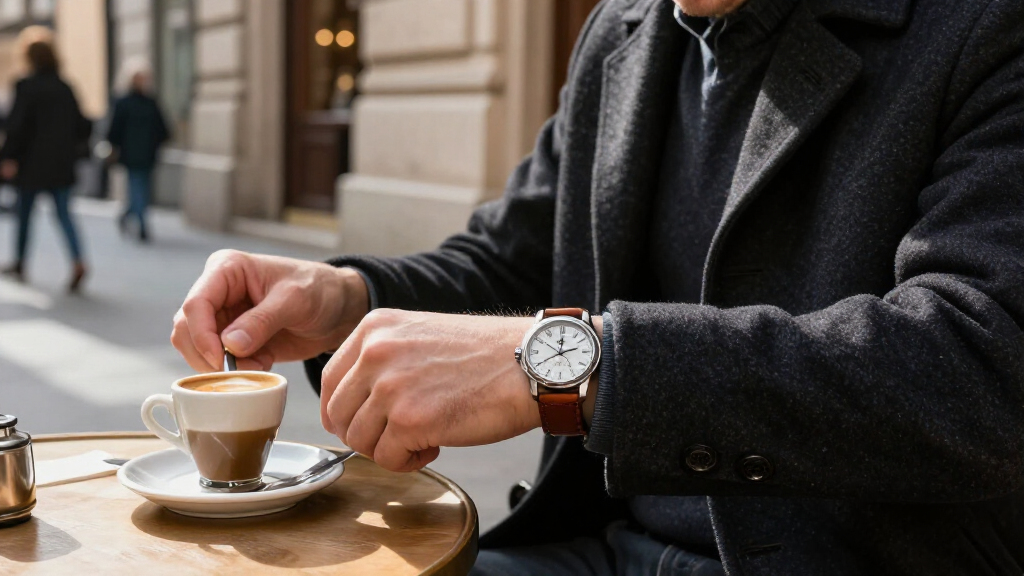

Choosing among the best luxury mechanical watches means weighing the movement and finishing against how a watch will actually fit into your routine. I put the Bulova Sutton first for its clearly stated 42-hour power reserve, 100-meter water resistance, and full skeleton dial; the Longines is the heritage-led option, though the supplied listing lacks the details needed to judge its specific model; and the Fossil Townsman offers a more accessible style choice with a leather strap and visible mechanics. These watches do not occupy the same tier or serve the same buyer. The Bulova has the strongest documented feature set here, while the OUPINKE and Fossil emphasize openwork looks, and the Invicta takes a comparatively restrained diver-inspired approach. I rank them by the usefulness and credibility of their stated specifications, plus how clearly each suits a particular wearer—not by brand name alone.

Get your wardrobe favorites delivered free with Prime
- Fast, free delivery on millions of items
- Prime Video, Amazon Music and more included
- Member-only deals all year
Key Takeaways
- The Bulova Sutton ranks first because its 42-hour reserve and 100-meter water resistance are specified alongside its skeleton automatic movement.
- The Longines name brings Swiss-watch heritage, but the listing provides no model, movement, case, or water-resistance details, so I cannot verify its practical advantages.
- The OUPINKE combines a 40 mm case, tungsten-steel bracelet, and tourbillon-style skeleton presentation, but the rigid bracelet and limited movement detail call for caution.
- The Invicta 5053 offers a 40 mm case and NH35A automatic movement with an exhibition back, but unspecified water resistance makes it a poor choice for planned diving.
- The Fossil Townsman is the style-first pick, with a blue skeleton dial and interchangeable leather strap; its 44 mm case and leather band will not suit every wrist or activity.
| Bulova Men’s Classic Sutton Automatic Watch, 21 Jewels, 42-Hour Power Reserve, Skeleton Dial, 43 mm |  | Best Overall — the clearest all-round specification set | Movement: Automatic, self-winding | Jewels: 21 | Power reserve: 42 hours | VIEW LATEST PRICE | See Our Full Breakdown |
| OUPINKE Men’s Automatic Mechanical Wrist Watch with Tungsten Steel Band |  | Best for a bold mechanical display and metal bracelet | Movement: Japanese automatic mechanical, 21 jewels | Case diameter: 40 mm | Band material: Tungsten steel | VIEW LATEST PRICE | See Our Full Breakdown |
| Fossil Townsman Automatic Stainless Steel Watch with Leather Band |  | Best Style Pick — blue skeleton dial with a strap-friendly look | Movement: Automatic, self-winding | Case diameter: 44 mm | Case material: Stainless steel | VIEW LATEST PRICE | See Our Full Breakdown |
| Invicta Men’s 5053 Pro Diver Collection Automatic Watch |  | Best Diver-Inspired Everyday Pick — with a water-rating caveat | Movement: NH35A Japanese automatic | Jewels: 24 | Case diameter: 40 mm | VIEW LATEST PRICE | See Our Full Breakdown |
| Longines Watch |  | Best Heritage-Led Option — confirm the exact model before comparing | Brand: Longines | Model reference: Not provided | Movement: Not provided | VIEW LATEST PRICE | See Our Full Breakdown |
| luxury mechanical watch | Movement | Case diameter | Water resistance | Dial |
|---|---|---|---|---|
| Bulova Men’s Classic Sutton Au | Automatic, self-winding | 43 mm | 100 meters | Full skeleton |
| OUPINKE Men’s Automatic Mechan | Japanese automatic mechanical, 21 jewels | 40 mm | 50 meters (164 feet) | — |
| Fossil Townsman Automatic Stai | Automatic, self-winding | 44 mm | 50 m (165 ft), 5 ATM | Blue satin skeleton dial with gold accents |
| Invicta Men’s 5053 Pro Diver C | NH35A Japanese automatic | 40 mm | — | Black with luminous hands |
| Longines Watch | Not provided | Not provided | Not provided | — |
More Details on Our Top Picks
Bulova Men’s Classic Sutton Automatic Watch, 21 Jewels, 42-Hour Power Reserve, Skeleton Dial, 43 mm
I rank the Bulova Sutton first because it pairs an eye-catching full skeleton dial with the most useful, clearly stated ownership details in this lineup. Its automatic movement has 21 jewels and a 42-hour power reserve, giving the wearer a concrete idea of how long it may run off the wrist before stopping. The 43 mm stainless-steel case makes a noticeable statement, and the stated 100-meter water resistance gives it a broader everyday-use profile than the watches here with no supplied rating or a lower one.
Compared with the OUPINKE and Fossil Townsman, the Sutton’s advantage is not a more restrained dial—it is the combination of a skeleton presentation with a documented reserve and higher water-resistance rating. Against the Invicta 5053, it has the clearer water-use specification and a stated reserve, while the Invicta’s NH35A movement and 40 mm case may appeal more to someone who wants a less oversized fit. The Sutton’s mineral crystal is a genuine compromise: it is not the more scratch-resistant sapphire found on some luxury watches. Its 43 mm size can also feel large, and an automatic movement still depends on regular wear or manual winding.
I see this as the strongest pick for someone who wants a mechanical watch with visible movement and a useful amount of documented versatility, rather than the most refined or understated dress watch. Its full skeleton dial is a divisive design choice: it makes the mechanics the focal point but can make quick time reading less immediate than a conventional dial. Buyers seeking discreet styling, a compact case, or premium crystal should look elsewhere. The Sutton leads this ranking on information and balance, not because its materials or finish prove it belongs in the same category as a high-end Swiss manufacture.
Pros:- Automatic movement with a stated 42-hour power reserve.
- Full skeleton dial puts the mechanical display at the center of the design.
- Stainless-steel case and bracelet offer a cohesive metal look.
- 100-meter water resistance is the clearest stated rating among these picks.
Cons:- Mineral crystal is less scratch-resistant than sapphire.
- The 43 mm case and open dial may feel large or visually busy.
- The movement needs wrist motion or winding to keep running.
Best for: A buyer who wants a full skeleton automatic with a stated power reserve, stainless-steel construction, and a documented 100-meter water-resistance rating.
Not ideal for: Someone seeking a compact, understated watch, a sapphire crystal, or a mechanical watch that keeps running without wrist movement or winding.
- Movement:Automatic, self-winding
- Jewels:21
- Power reserve:42 hours
- Dial:Full skeleton
- Case diameter:43 mm
- Material:Silver-tone stainless steel
- Crystal:Mineral
- Water resistance:100 meters
Our verdict“I rank the Bulova Sutton first for its combination of visible mechanics and the most complete, useful specifications in this comparison.”
OUPINKE Men’s Automatic Mechanical Wrist Watch with Tungsten Steel Band
The OUPINKE is the most visually assertive metal-bracelet choice here: its 40 mm case, tungsten-steel band, skeleton tourbillon presentation, calendar, and luminous hands give it a crowded, feature-forward look. The case size is more manageable on paper than the 43 mm Bulova Sutton or 44 mm Fossil Townsman, a difference that may matter to buyers who want an elaborate dial without a very large case. A stated 50-meter water-resistance rating also provides more clarity than the Invicta listing, which supplies no depth figure.
Its movement description needs careful reading. The product information calls it a Japanese 21-jewel automatic mechanical movement with a self-rotating tourbillon, but it does not provide the movement caliber or further technical details. I would verify exactly what “tourbillon” means for this model before treating that phrase as evidence of fine watchmaking. The listing’s tungsten band is presented as durable, but a hard, rigid bracelet can feel less forgiving than the Bulova’s stainless-steel bracelet or the Fossil’s leather strap. It may also be less convenient to size and wear throughout a long day, despite the included adjustment tool.
Compared with the Bulova, the OUPINKE gives up the Sutton’s clearly stated 42-hour reserve and higher water-resistance figure, but it offers a smaller stated case and a more ornamented feature mix. Against the Fossil, it swaps leather and a blue-toned dial for a heavier metal-forward appearance. I would choose it for its 40 mm format and conspicuous openwork styling, not on the assumption that its tourbillon wording proves superior mechanics. Buyers who want a simple dress watch, soft strap comfort, or a well-documented movement should skip it. Its ranking reflects a distinct look and useful dimensions, tempered by the need to confirm the movement claim and bracelet fit.
Pros:- 40 mm case is smaller on paper than the Bulova Sutton and Fossil Townsman.
- Tungsten-steel bracelet creates a distinctive, substantial metal look.
- Skeleton display, calendar, and luminous hands add visual and practical features.
- Stated 50-meter water resistance offers more guidance than the Invicta listing.
Cons:- The movement caliber and tourbillon details are not specified.
- Rigid tungsten bracelet may be less comfortable and adaptable than leather.
- A busy skeleton design can make the time harder to read at a glance.
Best for: A buyer drawn to a 40 mm skeleton-style watch with a tungsten bracelet, calendar display, luminous hands, and a bold metal appearance.
Not ideal for: Someone who prioritizes a soft, flexible strap, detailed movement documentation, understated styling, or a confirmed high-grade tourbillon mechanism.
- Movement:Japanese automatic mechanical, 21 jewels
- Case diameter:40 mm
- Band material:Tungsten steel
- Water resistance:50 meters (164 feet)
- Clasp:Double-locking foldover clasp
- Features:Skeleton tourbillon, calendar, luminous hands
- Total length:24 cm
- Item width:12.5 cm as supplied; confirm the measurement with the seller
Our verdict“I recommend the OUPINKE for buyers who value a compact-for-this-group case and dramatic metal styling, provided they verify the movement description and bracelet fit.”
Fossil Townsman Automatic Stainless Steel Watch with Leather Band
The Fossil Townsman is the style-led choice, built around a blue satin skeleton dial, gold accents, silver stainless-steel case, and brown genuine-leather band. That mix makes it feel more like a fashion accessory than the metal-heavy OUPINKE or the utilitarian-looking Invicta 5053. Its automatic movement winds through natural wrist motion, while the buckle and compatible 22 mm replacement straps give the owner a straightforward way to adjust the fit or change the look.
The tradeoff is scale. At 44 mm, this is the largest stated case in the group, so it may dominate a smaller wrist or catch on a cuff. The hardened mineral crystal is a practical weak point compared with watches that use more scratch-resistant sapphire, and the listing says the movement must be wound at the crown if it stops. Its 50-meter water-resistance claim is framed for brief recreational swimming or showering, but the leather strap is a less sensible choice for repeated water exposure than a metal bracelet. I would not treat the stated rating as a reason to use this as a dive watch.
Compared with the Bulova Sutton, the Fossil offers a more color-driven, strap-based design but lacks the Bulova’s specified 42-hour reserve and higher stated water-resistance rating. Compared with the OUPINKE, it has a familiar leather-and-steel look and interchangeable-band flexibility rather than a rigid tungsten bracelet. I place it below those stronger documented mechanical propositions because its appeal rests primarily on appearance and wearability options, not movement specifications. It suits someone who wants a contemporary skeleton dial with a warmer leather accent and is comfortable with a large case. Buyers seeking a compact dress watch, a robust water-use companion, or detailed movement data should choose another option.
Pros:- Blue skeleton dial and gold accents create a distinctive color combination.
- Genuine-leather strap with adjustable buckle offers a softer alternative to metal bracelets.
- Compatible with 22 mm Fossil watch straps for changes in fit and appearance.
- Automatic movement avoids routine battery replacement.
Cons:- The 44 mm case may wear too large for many wrists.
- Hardened mineral crystal can be more prone to visible scratches than sapphire.
- Leather is a poor match for frequent water exposure, even with the stated 50-meter rating.
- The movement must be wound at the crown if it stops.
Best for: A style-conscious buyer who wants a blue skeleton dial, brown leather strap, and the option to change 22 mm bands.
Not ideal for: Someone with a smaller wrist, someone who regularly wears a watch in water, or a buyer who needs a specified power reserve and movement caliber.
- Movement:Automatic, self-winding
- Case diameter:44 mm
- Case material:Stainless steel
- Band:Brown genuine leather
- Band width:22 mm
- Dial:Blue satin skeleton dial with gold accents
- Crystal:Hardened mineral
- Water resistance:50 m (165 ft), 5 ATM
Our verdict“I would choose the Fossil Townsman for its blue-and-brown styling and strap flexibility, not for the strongest technical specification set.”
Invicta Men’s 5053 Pro Diver Collection Automatic Watch
The Invicta 5053 Pro Diver takes a more conventional approach than the skeleton-heavy Bulova, OUPINKE, and Fossil. Its black dial, luminous hands, stainless-steel case, and 40 mm diameter make it the understated option among watches whose open dials are designed to draw attention. The listing identifies an NH35A Japanese automatic movement with 24 jewels and an exhibition case back, so the wearer can see the movement without putting exposed mechanics at the front of the dial.
That simpler layout could be the better daily choice for someone who wants a mechanical watch that is easier to read quickly. At 40 mm, the stated case diameter is more restrained than the 43 mm Bulova and 44 mm Fossil, although the 14.1 mm thickness and 155-gram weight mean it is not a slim or light option. The exhibition back adds a mechanical detail for the owner, but it does not make the front more visually distinctive than the other watches here.
The main concern is missing information: no water-resistance depth is supplied. The Pro Diver name alone cannot establish that this particular listing is suitable for swimming or diving. That uncertainty puts it behind the Bulova, whose rating is specified at 100 meters, and behind the OUPINKE and Fossil, both of which state 50 meters. The listing also does not state a power reserve, crystal type, or clasp details, which narrows the basis for comparison. I would pick this Invicta for a black-dial, diver-inspired look and a named automatic movement—not for water sports. Anyone who needs verified aquatic capability should look for a complete water-resistance specification before buying.
Pros:- NH35A Japanese automatic movement is identified by name.
- 40 mm case offers a more restrained diameter than the Bulova and Fossil.
- Exhibition case back shows the mechanical movement.
- Luminous hands help distinguish it from more fashion-led skeleton designs.
Cons:- Water-resistance depth is not specified, limiting confidence for water use.
- At 14.1 mm thick and 155 grams, it may feel bulky despite the 40 mm diameter.
- Power reserve and crystal type are not included in the supplied specifications.
Best for: A buyer seeking a black-dial, diver-inspired automatic with luminous hands, a 40 mm case, and an exhibition case back.
Not ideal for: A buyer who plans to swim or dive with the watch, or who needs a stated water-resistance rating, power reserve, or crystal type.
- Movement:NH35A Japanese automatic
- Jewels:24
- Case diameter:40 mm
- Case thickness:14.1 mm
- Case material:Stainless steel
- Dial:Black with luminous hands
- Case back:Exhibition
- Weight:155 grams
Our verdict“I see the Invicta 5053 as the clearest black-dial mechanical alternative here, but its missing water-resistance figure rules it out for buyers who need a verified dive or swim watch.”
Longines Watch
The Longines entry is the most difficult to rank on watchmaking merits because the supplied information names a brand but does not identify a model reference or any specific features. Longines has an established association with Swiss watchmaking, which gives this listing a heritage-led role distinct from the feature-forward OUPINKE and fashion-focused Fossil. But a respected name cannot tell a buyer which movement is inside, how large the case is, what materials touch the wrist, or whether the watch suits daily wear.
That information gap matters more here than it does for the other four picks. The Bulova provides a stated reserve and water-resistance rating; the Invicta names its NH35A movement; and the Fossil and OUPINKE disclose case and strap materials. For this Longines listing, none of those details is available. I cannot responsibly compare its mechanical specification, finishing, crystal, service requirements, water resistance, or fit against the rest. A buyer should request the exact reference and verify that the listing photos, stated condition, movement, and included documentation match the watch being offered.
I include it for shoppers who are already drawn to the Longines name and Swiss-watch heritage and are willing to do the extra identification work. If a confirmed model proves to have the case size, movement, and design you want, it may outrank some of the more fully described watches for your personal priorities. On the data available here, though, it cannot take the overall lead from the Sutton or offer the clear role of the 40 mm Invicta. I would skip this particular listing if you need a confident feature comparison or want to buy without checking a reference number. Its place at the bottom is a judgment about missing product data, not a claim that every Longines watch is inferior.
Pros:- Longines is associated with Swiss-watch heritage.
- May appeal to buyers already seeking the brand and willing to verify the reference.
- A specific confirmed model could provide a different design or movement profile from the other picks.
Cons:- The supplied listing does not name a model or reference number.
- Movement, materials, dimensions, crystal, and water resistance are not stated.
- The available information is too limited for a reliable technical comparison.
Best for: A buyer specifically interested in Longines who can confirm the exact model reference, movement, condition, and specifications before ordering.
Not ideal for: Someone who wants a fully specified watch listing or needs to compare case size, water resistance, movement, and materials without additional research.
- Brand:Longines
- Model reference:Not provided
- Movement:Not provided
- Case diameter:Not provided
- Case material:Not provided
- Crystal:Not provided
- Water resistance:Not provided
Our verdict“I would only shortlist this Longines after confirming the exact reference and specifications; brand heritage alone is not enough to rank it higher.”
How We Picked
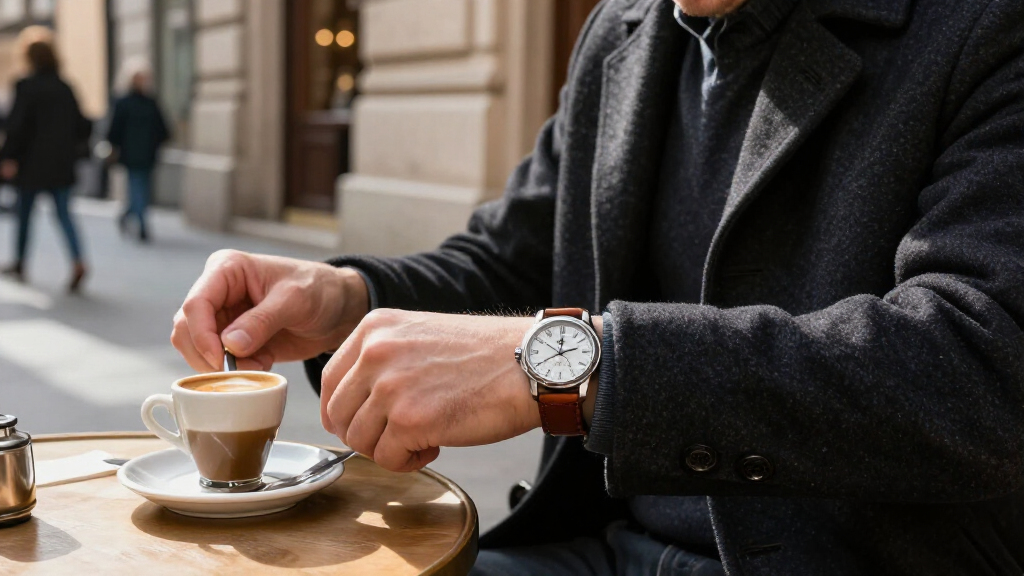
I ranked these watches for buyers looking specifically for a mechanical wristwatch with a luxury-minded look, not simply for the most elaborate dial or the most familiar brand. I considered whether the supplied information identifies the movement, case size, materials, water resistance, and practical ownership details. A stated power reserve, a clearly identified movement, or a useful case dimension helps a buyer compare what is being offered; missing information does not count as a hidden advantage.
That approach puts the Bulova Sutton first: its automatic mechanism, 42-hour reserve, full skeleton dial, and 100-meter water resistance form the most complete documented package in this group. I place the OUPINKE next because it combines a 40 mm case with a tungsten bracelet and a pronounced mechanical display, while recognizing that its tourbillon description and movement particulars deserve verification before purchase. The Fossil earns a distinct style role for its blue-and-gold openworked dial and leather strap, although its 44 mm dimensions make it less versatile for smaller wrists. The Invicta ranks as the straightforward, diver-inspired choice, but its missing water-resistance figure limits confidence around aquatic use.
The Longines presents the hardest judgment. Its name carries meaningful Swiss-watch heritage, yet the supplied listing says nothing about the reference, movement, materials, or functions. I include it as a heritage-led option with an information gap, not as a confirmed technical winner. A specific model reference and full specifications could change its place substantially. I do not assume that any watch is a high-end luxury manufacture simply because its listing uses luxury language. Materials, movement details, service support, and verifiable model information matter more to this ranking than adjectives.
I also distinguish mechanical ownership from convenience. Automatic watches draw power from wrist movement, but they can stop when left unworn and may need winding or resetting. A decorative open dial can make the mechanism more visible, yet it does not automatically indicate finer finishing or greater accuracy. Water-resistance figures likewise describe a stated rating, not permission to treat every watch as a dive instrument. My recommendations reflect those tradeoffs and the limits of the product data provided.
| luxury mechanical watch | Movement | Dial | Crystal | Case material |
|---|---|---|---|---|
| Bulova Men’s Classic Sutton Au | Automatic, self-winding | Full skeleton | Mineral | — |
| OUPINKE Men’s Automatic Mechan | Japanese automatic mechanical, 21 jewels | — | — | — |
| Fossil Townsman Automatic Stai | Automatic, self-winding | Blue satin skeleton dial with gold accents | Hardened mineral | Stainless steel |
| Invicta Men’s 5053 Pro Diver C | NH35A Japanese automatic | Black with luminous hands | — | Stainless steel |
| Longines Watch | Not provided | — | Not provided | Not provided |
Factors to Consider When Choosing Best Luxury Mechanical Watches
I would choose a mechanical watch by starting with the way it will be worn, then checking whether the listing gives enough detail to support that use. A dramatic skeleton dial, recognizable brand, or diver-inspired name can catch the eye, but none replaces a suitable case size, comfortable strap, clear movement information, and an appropriate water-resistance rating.
Decide whether you want an automatic or hand-wound movement
Every watch in this roundup is described as automatic or self-winding. An automatic movement uses the motion of the wearer’s wrist to wind its mainspring. That removes the need for a battery, but it does not make the watch maintenance-free or perpetually powered. If you leave it unworn long enough, it can stop; you may then need to set the time and wind it according to the maker’s instructions. The Fossil listing explicitly mentions winding at the crown if it stops, while the Bulova gives a 42-hour reserve, a more useful guide to how long it may run off the wrist. The other listings do not provide a reserve figure, so I would not assume their watches will stay running for the same length of time.
A named movement can also help a buyer research service and replacement parts, though the name alone does not guarantee accuracy or finishing. The Invicta identifies an NH35A, while the Bulova states jewel count and reserve but not a caliber. The OUPINKE’s movement description includes a tourbillon claim without giving a caliber. I would verify that detail with the seller rather than treating a complex-sounding term as proof of superior construction.
Match case diameter and thickness to your wrist
Case diameter is a helpful starting point, but it does not tell the whole fit story. The OUPINKE and Invicta list 40 mm cases, the Bulova lists 43 mm, and the Fossil lists 44 mm. That makes the first two the more compact choices by diameter, while the Fossil is the boldest on paper. The Invicta’s 14.1 mm thickness and 155-gram weight show why a 40 mm watch can still feel substantial. The Bulova may also wear large because of its 43 mm case and full skeleton face.
I recommend checking lug-to-lug length, case thickness, and bracelet or strap adjustment details when the listing provides them. These watches do not supply all of those measurements. A buyer with a smaller wrist should not select by diameter alone; a large dial or long lugs can extend beyond the wrist, and a heavy metal bracelet can feel more imposing than a leather strap. When fit is uncertain, compare the watch’s measurements with a watch you already find comfortable.
Choose a dial and strap you will actually wear
Skeleton dials make the movement the visual focus, as on the Bulova, OUPINKE, and Fossil. They are a strong choice if you enjoy seeing gears and components, but the openings and layered parts can make the hands harder to pick out quickly. The Invicta keeps its black dial more conventional and puts the mechanical display on the back instead. That distinction is central to this lineup: the Invicta favors quick, familiar reading, while the skeleton watches favor a more decorative front.
Strap material changes both comfort and use. The OUPINKE’s tungsten-steel bracelet has a rigid, substantial character; the Bulova’s stainless-steel bracelet gives a more familiar metal fit. The Fossil’s brown leather is softer and can be changed for compatible 22 mm Fossil straps, but regular water exposure is not a natural match for leather. I would check whether a bracelet can be sized and whether replacement links or straps are available before buying, especially if the watch will be a frequent part of your wardrobe.
Treat water resistance as a specific limit, not a promise for every activity
The ratings supplied here differ: the Bulova is listed at 100 meters, while the OUPINKE and Fossil are listed at 50 meters. The Invicta has no stated water-resistance depth, and the Longines listing has no specifications at all. This is a clear reason to prefer a fully documented model when water use matters. Still, a rating should be read alongside the maker’s guidance, the condition of seals, and the type of activity. A watch described as water resistant is not automatically a dedicated dive watch, and water resistance can change as seals age or after service.
The Fossil’s product description frames its rating around short recreational swimming or showering and says it is not for diving or snorkeling. The OUPINKE and Bulova descriptions provide figures but not a complete use guide in the supplied material. I would not take any watch into water based only on a product title or a diver-style design. If swimming, snorkeling, or diving is a regular requirement, verify the exact model’s manufacturer guidance and inspect the crown, seals, and service condition.
Separate luxury styling from verifiable watchmaking details
The word luxury can refer to a look, a brand position, material choices, movement design, or finishing, and those are not interchangeable. A skeleton dial or tungsten bracelet may create a premium impression, but it does not by itself establish movement quality or long-term service support. Likewise, a heritage brand is not enough to judge a specific watch when its model reference is missing. The Longines listing is the clearest example: its name may draw interest, yet the available data does not allow a meaningful comparison of its movement or construction.
Before buying, I would confirm the exact reference, movement caliber, crystal, case material, water-resistance rating, warranty terms, and service options. I would also check that the seller’s photos and description refer to the same model. For this group, the Bulova supplies the clearest set of practical specifications, while the OUPINKE’s tourbillon claim and the Longines model identity warrant extra verification. Strong purchasing decisions come from documented details, not from decorative language alone.
Think about maintenance and how often you will wear it
Mechanical watches need periodic care, and an automatic model may stop when it sits unused. A wearer who rotates among several watches may prefer a clear power-reserve figure or be comfortable resetting the watch when it comes back into use. The Bulova’s stated 42-hour reserve gives more guidance than the other entries. None of these listings supplies a full service interval, so I would consult the maker or seller for care instructions instead of assuming that any mechanical watch can be left unattended indefinitely.
Water exposure, knocks, and poor storage can affect a mechanical watch. A skeleton dial can also make some buyers more cautious about impacts, while a heavy bracelet may feel less comfortable for all-day wear. Think about whether the watch is for office use, occasional dress wear, or daily use, then select the case and strap accordingly. A buyer who wants low-effort timekeeping may be happier with a quartz watch; the appeal of these mechanical options is the winding system and the visible or tactile connection to the movement.
Frequently Asked Questions
Which watch in this comparison is the best all-around pick?
I rank the Bulova Sutton first because the listing states its automatic movement, 42-hour power reserve, 43 mm case, mineral crystal, and 100-meter water resistance. That gives buyers more concrete information than most of the other listings and balances a skeleton design with a clearly described everyday-use rating. It is still a large, visually busy watch, and its mineral crystal is a compromise, so it is not the right answer for someone seeking a small or understated model.
Are these watches suitable for diving?
I would not treat this group as a set of verified dive watches. The Invicta’s Pro Diver name is not accompanied by a stated water-resistance depth, so its suitability for water use cannot be established from the supplied information. The Bulova lists 100 meters, while the OUPINKE and Fossil list 50 meters, but buyers should check the exact manufacturer guidance before swimming or diving. The Fossil description specifically says it is not intended for diving or snorkeling.
What is the main difference between a skeleton dial and an exhibition case back?
A skeleton dial exposes parts of the movement on the front, making the mechanism part of the watch’s visible design. The Bulova, OUPINKE, and Fossil take that approach, though their dial styles differ. An exhibition case back, like the one listed for the Invicta, shows the movement from behind while leaving the front more conventional. I would choose a skeleton dial for a prominent mechanical display and an exhibition back if I prefer easier front-facing time reading.
How should I judge the Longines listing when its model details are missing?
I would treat it as an incomplete listing rather than assume its specifications from the brand name. Ask for the exact reference number, movement, case dimensions, materials, crystal, water resistance, condition, and any warranty or service information. Then compare that confirmed model with the Bulova, OUPINKE, Fossil, and Invicta. Without those details, I cannot tell whether it is a suitable match for a particular wrist or use case, or rank it on technical merits.
Do automatic watches need winding if they are worn regularly?
An automatic watch winds through wrist movement, so regular wear can keep it powered, but activity levels and the movement affect how reliably it stays wound. If it is left unworn and its reserve runs out, it can stop and need resetting and winding. The Bulova lists a 42-hour reserve; the other supplied descriptions do not give a comparable figure. Follow the manufacturer’s winding instructions and do not assume that wearing a watch for a short period will fully wind it.
Conclusion
For the strongest documented balance of mechanical display and everyday specifications, I would start with the Bulova Sutton; its reserve and 100-meter rating make it the clearest overall choice, though the 43 mm case and mineral crystal deserve consideration. If a 40 mm watch with a bold metal bracelet is the priority, the OUPINKE stands apart, but I would confirm its tourbillon description and check the bracelet fit. Choose the Fossil Townsman for its blue skeleton dial, leather strap, and strap-change options if its 44 mm case suits your wrist. I would pursue the Longines only after confirming the exact reference and specifications. Each has a distinct appeal, but the best match depends on whether you value documented performance, openwork styling, a manageable case, or brand heritage most.