
The best hiking boots balance dependable traction, support, weather protection, and a fit you can wear comfortably over long distances. My best overall pick is the Merrell Men’s Moab 3 Mid Waterproof for its trail-ready design, while the Columbia Men’s Transverse Hike stands out as a practical waterproof option and the Columbia Women’s Newton Ridge Plus gives women a dedicated fit choice. The main tradeoffs are weight versus support, waterproof coverage versus breathability, and sturdy construction versus easier break-in. This roundup includes several repeated models, so I treat duplicate listings as the same boot rather than as separate advantages. Read on for the full breakdown, buying advice, and picks by hiking style.

Get your wardrobe favorites delivered free with Prime
- Fast, free delivery on millions of items
- Prime Video, Amazon Music and more included
- Member-only deals all year
Key Takeaways
- The Merrell Moab 3 Mid Waterproof is my best overall pick because it offers a clear step toward a purpose-built hiking boot compared with the more budget-oriented NORTIV 8 options.
- Columbia’s Transverse Hike and Newton Ridge models cover different needs: the Transverse is a versatile men’s waterproof choice, while the Newton Ridge lineup includes both men’s and women’s versions.
- NORTIV 8 has the strongest value-oriented presence in this group, with multiple lightweight waterproof options; buyers should weigh their simpler positioning against more established trail-focused designs.
- Waterproofing is common across the lineup, but it is not a substitute for breathability; warm-weather hikers may prefer a less sealed boot or a lighter shoe.
- The list contains repeated product listings for the Moab 3 Mid, Transverse Hike, NORTIV 8 Lightweight, and Newton Ridge Plus II, so those repeats do not represent additional models or distinct strengths.
| NORTIV 8 Men’s Ankle High Waterproof Hiking Boots |  | Best Value for Casual Day Hikes | Sole material: Rubber | Shaft height: Ankle | Shaft circumference: Approximately 10 inches | VIEW LATEST PRICE | See Our Full Breakdown |
| NORTIV 8 Men’s Waterproof Lightweight Hiking Boots |  | Best for Protective Features on a Budget | Sole material: EVA and rubber | Shaft height: Ankle | Shaft circumference: 30.8 centimeters | VIEW LATEST PRICE | See Our Full Breakdown |
| ANJOUFEMME Waterproof Outdoor Hiking Boots for Women, Ankle-Length, Lightweight Snow and Winter Boots |  | Best for Women’s Casual Wet-Weather Walks | Shaft height: Ankle | Shaft circumference: 8.75 inches | Outer material: Polyurethane (PU) | VIEW LATEST PRICE | See Our Full Breakdown |
| Columbia Women’s Newton Ridge Plus Waterproof Hiking Boot |  | Best for Women’s Trail-Focused Hiking | Fabric type: EVA | Origin: Imported | Sole material: Rubber | VIEW LATEST PRICE | See Our Full Breakdown |
| Timberland Men’s Mt. Maddsen Waterproof Hiking Boots |  | Best for Durable Leather Construction | Origin: Imported | Sole material: Rubber | Shaft height: Ankle | VIEW LATEST PRICE | See Our Full Breakdown |
| Columbia Men’s Transverse Hike Waterproof Boots | 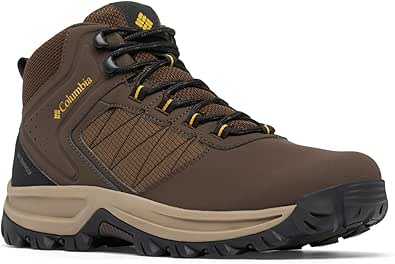 | Best for Lightweight Cushioning | Shaft height: Ankle | Upper: Leather and mesh | Sole: Rubber | VIEW LATEST PRICE | See Our Full Breakdown |
| Men’s Waterproof Hiking Boots Non-Slip Lightweight Mid Top Ankle Shoes |  | Best for Lightweight Trail Use | Upper: Synthetic suede and fabric | Sole: Synthetic rubber | Weight: 1.25 lb per boot (size 10) | VIEW LATEST PRICE | See Our Full Breakdown |
| Merrell Men’s Moab 3 Mid Waterproof Hiking Boots |  | Best for All-Day Trail Comfort | Shaft height: Mid | Shaft circumference: 4 inches | Upper material: Pigskin leather and mesh | VIEW LATEST PRICE | See Our Full Breakdown |
| Merrell Men’s Moab 3 Mid Waterproof Hiking Boots |  | Best for Toe Protection | Shaft height: Mid | Shaft circumference: 4 inches | Upper material: Pigskin leather and mesh | VIEW LATEST PRICE | See Our Full Breakdown |
| Columbia Men’s Transverse Hike Waterproof Boots | 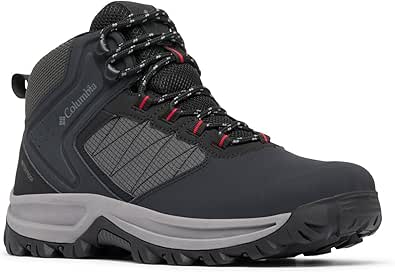 | Best for Multi-Terrain Grip | Shaft height: Ankle | Shaft circumference: 1 inch | Upper material: Leather and mesh | VIEW LATEST PRICE | See Our Full Breakdown |
| Columbia Men’s Newton Ridge Plus II Waterproof Hiking Boot |  | Best All-Around Trail Pick | Shaft height: Ankle | Sole material: Rubber | Waterproof: Yes | VIEW LATEST PRICE | See Our Full Breakdown |
| NORTIV 8 Men’s Waterproof Lightweight Hiking Boots |  | Best for Added Foot Protection | Sole material: EVA and rubber | Shaft height: Ankle | Shaft circumference: 30.8 centimeters | VIEW LATEST PRICE | See Our Full Breakdown |
| Columbia Men’s Newton Ridge Plus II Waterproof Hiking Boot |  | Best for Familiar, Secure Fit Adjustments | Shaft height: Ankle | Sole material: Rubber | Waterproof: Yes | VIEW LATEST PRICE | See Our Full Breakdown |
| Timberland Men’s White Ledge Mid Waterproof Hiking Boots | 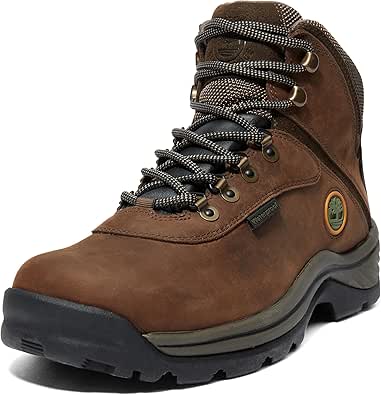 | Best for Mid-Height Leather Coverage | Upper material: Waterproof premium leather | Shaft height: Mid | Shaft circumference: 9.75 inches | VIEW LATEST PRICE | See Our Full Breakdown |
| hiking boot | Shaft height | Shaft circumference | Sole material |
|---|---|---|---|
| NORTIV 8 Men’s Ankle High Wate | Ankle | Approximately 10 inches | Rubber |
| NORTIV 8 Men’s Waterproof Ligh | Ankle | 30.8 centimeters | EVA and rubber |
| ANJOUFEMME Waterproof Outdoor | Ankle | 8.75 inches | Thermoplastic elastomers (TPE) |
| Columbia Women’s Newton Ridge | — | Less than 6 inches | Rubber |
| Timberland Men’s Mt. Maddsen W | Ankle | 9.5 inches | Rubber |
| Columbia Men’s Transverse Hike | Ankle | — | — |
| Men’s Waterproof Hiking Boots | — | — | — |
| Merrell Men’s Moab 3 Mid Water | Mid | 4 inches | — |
| Merrell Men’s Moab 3 Mid Water | Mid | 4 inches | — |
| Columbia Men’s Transverse Hike | Ankle | 1 inch | — |
| Columbia Men’s Newton Ridge Pl | Ankle | — | Rubber |
| NORTIV 8 Men’s Waterproof Ligh | Ankle | 30.8 centimeters | EVA and rubber |
| Columbia Men’s Newton Ridge Pl | Ankle | — | Rubber |
| Timberland Men’s White Ledge M | Mid | 9.75 inches | — |
More Details on Our Top Picks
NORTIV 8 Men’s Ankle High Waterproof Hiking Boots
For casual hikers who want ankle-height waterproof coverage without a more elaborate boot build, this NORTIV 8 is a straightforward pick. Its cushioned, shock-absorbing insole and lightweight midsole suit day hikes and outdoor chores, while the rubber sole is intended to provide grip on wet ground. Compared with the suede-and-faux-leather NORTIV 8 Waterproof Lightweight Hiking Boots, this model uses a nylon and faux-leather upper, making it the simpler choice for buyers prioritizing a basic, easygoing outdoor boot. The tradeoff is longevity: the listed materials may wear sooner under frequent, heavy use, and the product data offers less detail about protective construction than that other NORTIV 8 model. I’d choose it for occasional trails rather than demanding, repeated backcountry mileage.
Pros:- Waterproof design is suited to wet-weather walks.
- Rubber sole offers slip resistance on damp surfaces.
- Cushioned insole and lightweight midsole support day-long wear.
- Ankle-height cut works across hiking and general outdoor activities.
Cons:- Nylon and faux leather may wear with heavy, repeated use.
- Product details provide limited information about protective reinforcement.
- Its outdoor styling is not suited to formal occasions.
Best for: Casual hikers and outdoor workers seeking an ankle-height waterproof boot for occasional walks, light trails, and everyday outdoor use.
Not ideal for: Frequent hikers tackling rugged routes who need a boot with clearly specified reinforcement and materials suited to sustained heavy use.
- Sole material:Rubber
- Shaft height:Ankle
- Shaft circumference:Approximately 10 inches
- Outer material:Nylon and faux leather
- Waterproofing:Waterproof
- Insole:Cushioned, shock-absorbent
Our verdict“Choose this NORTIV 8 for casual wet-weather hikes and everyday outdoor use; pick the NORTIV 8 Waterproof Lightweight model if you want more specified toe and heel protection.”
NORTIV 8 Men’s Waterproof Lightweight Hiking Boots
This NORTIV 8 stands out for hikers who want specific protective details in an ankle-height boot: a rubber toe cap, reinforced heel, waterproof membrane, and a multi-directional traction outsole. Those features make it a more protective-feeling option on uneven paths than the simpler NORTIV 8 Men’s Ankle High Waterproof Hiking Boots, whose listing emphasizes cushioning and general slip resistance instead. The EVA-and-rubber sole combines cushioning with rubber contact, supporting outdoor use beyond the trail. The tradeoff is that this boot may feel heavy to some wearers, and a break-in period may be needed before longer outings. Compared with the leather-focused Timberland Mt. Maddsen, it puts more emphasis on protective details and versatile wear than premium leather construction.
Pros:- Waterproof membrane helps keep feet dry in wet conditions.
- Rubber toe cap and reinforced heel add protection and stability.
- Multi-directional outsole is designed for traction across varied surfaces.
- EVA and rubber sole pairs cushioning with a durable contact surface.
Cons:- May feel heavy compared with lighter casual hiking footwear.
- May need a break-in period before longer hikes.
- The listing does not specify a leather upper comparable to the Timberland Mt. Maddsen.
Best for: Hikers who want waterproof ankle boots with toe and heel reinforcement for mixed trails, outdoor sports, and everyday wear.
Not ideal for: Walkers seeking a soft, ready-to-wear boot for short outings who are sensitive to weight or unwilling to allow time for break-in.
- Sole material:EVA and rubber
- Shaft height:Ankle
- Shaft circumference:30.8 centimeters
- Outer material:Suede and faux leather
- Waterproofing:Waterproof membrane
- Toe protection:Rubber toe cap
- Heel support:Reinforced heel
- Outsole:Multi-directional traction
Our verdict“Pick this model for waterproofing and stated toe-and-heel protection; choose the lighter-feeling casual NORTIV 8 instead if cushioning and simplicity matter more.”
ANJOUFEMME Waterproof Outdoor Hiking Boots for Women, Ankle-Length, Lightweight Snow and Winter Boots
The ANJOUFEMME is the lineup’s women-specific casual option, combining an ankle-length cut, breathable plaid lining, removable insole, and a TPE outsole. That mix suits walking, everyday wear, and lighter hikes where comfort and a less technical look matter. Compared with the Columbia Women’s Newton Ridge Plus, it offers a removable insole and a stated breathable lining, while the Columbia’s listed strengths focus on TECHLITE cushioning and Omni-GRIP traction for broader trail use. This boot is described as warm and suitable for winter conditions, but the product details don’t specify insulation; I wouldn’t treat it as a substitute for a heavily insulated boot in severe cold. Its PU upper also offers a different material choice from the Columbia’s suede-and-leather construction.
Pros:- Waterproof construction is suited to wet-weather use.
- Breathable plaid fabric lining supports everyday comfort.
- Removable insole allows replacement or adjustment.
- TPE outsole is described as providing traction on slippery surfaces.
Cons:- Thicker socks may be needed in very cold conditions.
- Product details do not specify an insulation layer.
- Limited color choices may restrict style options.
Best for: Women looking for an ankle-height waterproof boot for casual walks, everyday outdoor wear, and mild winter outings.
Not ideal for: Hikers who need specified insulation for very cold weather or want the more trail-focused traction and cushioning details listed for the Columbia Newton Ridge Plus.
- Shaft height:Ankle
- Shaft circumference:8.75 inches
- Outer material:Polyurethane (PU)
- Sole material:Thermoplastic elastomers (TPE)
- Lining:Breathable plaid fabric
- Insole:Removable
- Waterproofing:Waterproof
Our verdict“Choose the ANJOUFEMME for casual wet-weather walking and a removable insole; choose the Columbia Newton Ridge Plus for a more trail-oriented feature set.”
Columbia Women’s Newton Ridge Plus Waterproof Hiking Boot
Among the women’s options here, the Columbia Newton Ridge Plus has the clearest trail-focused setup: waterproof construction, a TECHLITE midsole, and an Omni-GRIP traction outsole. That combination is aimed at hikers who want cushioning and grip on varied terrain, rather than the ANJOUFEMME’s more casual mix of plaid lining and removable insole. Its suede-and-leather exterior and reinforced toe and heel also point to a sturdier build for regular trail use. The compromise is fit flexibility: the listed shaft circumference is less than six inches, so it may not suit hikers who need more room around the lower calf. Buyers should also pay attention to sizing, since the product information advises accurate size selection.
Pros:- Waterproof construction supports hiking in wet conditions.
- Omni-GRIP outsole is designed for traction across varied terrain.
- TECHLITE midsole provides cushioning for longer outings.
- Suede-and-leather exterior with reinforced toe and heel supports durability.
Cons:- Shaft circumference under six inches may limit fit for some lower calves.
- Sizing accuracy matters when choosing a pair.
- Unlike the ANJOUFEMME, a removable insole is not specified.
Best for: Women who hike regularly on varied trails and want waterproof protection, named traction technology, and a cushioned midsole.
Not ideal for: Hikers who need a wider shaft opening around the lower calf or prefer a boot with a removable insole specified in the product details.
- Fabric type:EVA
- Origin:Imported
- Sole material:Rubber
- Shaft circumference:Less than 6 inches
- Waterproofing:Waterproof
- Midsole technology:TECHLITE
- Traction outsole:Omni-GRIP
Our verdict“Choose the Columbia for a more trail-oriented women’s boot with named cushioning and traction technologies; consider the ANJOUFEMME for casual walking and a specified removable insole.”
Timberland Men’s Mt. Maddsen Waterproof Hiking Boots
The Mt. Maddsen is the most leather-focused men’s boot in this group. Its waterproof Timberland leather upper, fully gusseted tongue, and lace-up closure are suited to hikers who want a secure fit and coverage against trail debris and wet conditions. The removable anti-fatigue footbed adds a comfort feature the NORTIV 8 Waterproof Lightweight model does not specify, while the NORTIV 8 lists a rubber toe cap and reinforced heel that Timberland’s provided details don’t mention. That makes the choice less about a clear winner and more about priorities: leather construction and footbed design here, versus stated protective reinforcement and multi-directional traction from NORTIV 8. Timberland may feel heavy for some hikers, and its leather-led build may be more boot than casual walkers need.
Pros:- Waterproof Timberland leather upper offers durable weather protection.
- Fully gusseted tongue helps limit debris and water entry.
- Removable anti-fatigue footbed provides a specified comfort feature.
- Lace-up design allows a secure, adjustable fit.
Cons:- May feel heavy on longer hikes.
- Product details do not specify a reinforced toe cap like the NORTIV 8 Waterproof Lightweight model.
- May be more boot than needed for casual everyday walking.
Best for: Hikers who prefer a waterproof leather upper, a secure gusseted tongue, and a removable comfort footbed for outdoor outings.
Not ideal for: Weight-conscious hikers or casual walkers who want a lighter-feeling boot and don’t need a leather upper or removable anti-fatigue footbed.
- Origin:Imported
- Sole material:Rubber
- Shaft height:Ankle
- Shaft circumference:9.5 inches
- Upper material:Waterproof Timberland leather
- Lining:ReBOTL fabric
- Tongue:Fully gusseted
- Footbed:Removable anti-fatigue
Our verdict“Choose the Mt. Maddsen if leather construction and a removable anti-fatigue footbed matter more than a lighter feel or specified toe-cap protection.”
Columbia Men’s Transverse Hike Waterproof Boots
The Transverse pairs OMNI-TECH waterproof-breathable construction with TECHLITE cushioning, making it a sensible pick for day hikers who want weather coverage without a heavy, heavily structured boot. Its leather-and-mesh upper balances durability with a less bulky feel, while OMNI-GRIP rubber is intended to handle varied trail surfaces. Compared with the Merrell Moab 3 Mid Waterproof, this Columbia has an ankle-height shaft rather than a mid cut, so it may feel less enclosing but offers less coverage above the ankle. The tradeoff is that the supplied details flag a possible break-in period, and the shorter shaft may not suit hikers seeking added support or protection on rough, wet routes. I’d choose it for moderate hikes, not demanding trips that call for a taller boot.
Pros:- OMNI-TECH construction combines waterproof protection with breathability.
- TECHLITE impact absorption adds cushioning for longer walks.
- OMNI-GRIP rubber is designed for traction across varied terrain.
- Leather-and-mesh upper balances durable materials with a less bulky build.
Cons:- May need breaking in before it feels comfortable.
- Ankle-height shaft provides less coverage than the Merrell Moab 3 Mid.
- The supplied description notes limited color options.
Best for: Day hikers who want waterproof-breathable coverage, cushioning, and a comparatively low ankle-height design for moderate trails.
Not ideal for: Hikers who need a mid-height shaft for extra coverage, or who want a boot described as comfortable without a break-in period.
- Shaft height:Ankle
- Upper:Leather and mesh
- Sole:Rubber
- Waterproof technology:OMNI-TECH
- Impact absorption:TECHLITE
- Traction technology:OMNI-GRIP
- Cushioning:Responsive cushioning
- Hardware:Metal
Our verdict“Choose this Columbia for cushioned, waterproof day hikes when a lower ankle-height boot suits you better than a mid-cut design.”
Men’s Waterproof Hiking Boots Non-Slip Lightweight Mid Top Ankle Shoes
This boot stands out for a lightweight build and removable memory-foam insole, a useful pairing for hikers who want cushioning without the more substantial feel of the Merrell Moab 3 Mid Waterproof. Its synthetic suede-and-fabric upper, EVA midsole, and rubber toe cap offer basic trail protection, while the SL-TEX membrane is intended to keep water out. At 1.25 pounds per boot in size 10, the stated weight gives buyers a concrete reason to consider it for casual hikes and outdoor activities. The tradeoff is limited wet-weather confidence: the product details caution against extended heavy rain, so I’d favor the Columbia Transverse or Merrell for outings where sustained rain is more likely. Sizing may also run small, making fit checks especially relevant.
Pros:- Listed weight of 1.25 pounds per boot in size 10 supports a lightweight feel.
- Removable memory-foam insole allows replacement or adjustment.
- EVA midsole provides cushioning without a heavier construction.
- Rubber toe cap adds protection at the front of the boot.
Cons:- The supplied details caution that it may not suit extended heavy rain.
- May run small, so choosing a size may require extra care.
- Synthetic upper and stated weather limits make it less suited to demanding, wet hikes than the Merrell Moab 3 Mid.
Best for: Casual hikers and outdoor-sports users prioritizing a lightweight boot with a removable insole for customized support.
Not ideal for: Hikers planning long, wet outings or buyers who need a dependable fit without allowing for possible sizing adjustments.
- Upper:Synthetic suede and fabric
- Sole:Synthetic rubber
- Weight:1.25 lb per boot (size 10)
- Waterproof membrane:SL-TEX
- Insole:Removable memory foam
- Midsole:EVA
- Design features:Lace-up, closed-cell tongue, rubber toe cap
- Target activities:Hiking, trekking, outdoor sports
Our verdict“Pick this lightweight option for casual trails and adjustable cushioning, but choose a more weather-oriented boot for prolonged rain.”
Merrell Men’s Moab 3 Mid Waterproof Hiking Boots
The Moab 3 Mid earns its place through a supportive removable insole, lightweight EVA foam midsole, and Vibram TC5+ outsole—a combination aimed at hikers who spend long stretches on varied trails. Its mid-height shaft gives more coverage than the ankle-height Columbia Transverse, while the pigskin-leather-and-mesh upper offers a different balance of materials from the Transverse’s leather-and-mesh construction. The waterproof design and grippy outsole make it the more trail-focused choice between those two, but that added structure has a cost: Merrell notes it may feel heavier than lightweight hiking shoes and can need breaking in. I’d favor this model for hikers who value cushioning and outsole traction over the lighter feel of the SL-TEX lightweight boot. It is less compelling for short walks where its added structure brings little benefit.
Pros:- Vibram TC5+ rubber outsole is built for dependable trail traction.
- Removable contoured insole has reinforced heel cushioning.
- Mid-height shaft provides more coverage than the Columbia Transverse ankle boot.
- Waterproof construction pairs with a breathable membrane.
Cons:- May feel heavier than lightweight hiking shoes.
- May require a break-in period for a comfortable fit.
- Its more structured build is less appealing for short, easy walks than the lightweight SL-TEX option.
Best for: Hikers seeking a mid-height waterproof boot with a supportive removable insole and a Vibram outsole for varied trails.
Not ideal for: Day walkers prioritizing the lightest possible footwear, or buyers who want a boot with no expected break-in period.
- Shaft height:Mid
- Shaft circumference:4 inches
- Upper material:Pigskin leather and mesh
- Laces:100% recycled
- Outsole:Vibram TC5+ rubber
- Insole:Removable contoured insole with reinforced heel cushioning
- Midsole:Lightweight EVA foam
- Waterproof:Yes
Our verdict“Choose the Moab 3 Mid for cushioned, grippy trail support if you accept a heavier feel and possible break-in time.”
Merrell Men’s Moab 3 Mid Waterproof Hiking Boots
This Moab 3 variant pairs the lineup’s Vibram TC5+ outsole and mid-height waterproof design with a protective toe cap, giving it a clear role for hikers who want added coverage at the front of the boot. Its Kinetic Fit ADVANCED removable contoured insole and EVA midsole also provide a supportive foundation, while recycled laces and webbing add recycled components. Compared with the other listed Moab 3 Mid, this version specifically lists a toe cap and names its Kinetic Fit ADVANCED insole; the other version instead describes reinforced heel cushioning. Both are more structured choices than the lighter SL-TEX boot, and this one may feel stiff initially or heavier than a hiking shoe. I’d choose it for rocky or brushy trail use where toe protection matters, not for buyers seeking a soft, lightweight feel straight out of the box.
Pros:- Protective toe cap adds coverage at the front of the boot.
- Vibram TC5+ rubber outsole is designed for trail grip.
- Kinetic Fit ADVANCED insole is removable and contoured.
- Recycled laces and webbing include recycled materials in the build.
Cons:- May feel heavier than lightweight hiking shoes.
- Initial fit may feel stiff to some wearers.
- Compared with the other Moab 3 listing, its stated insole details emphasize contouring rather than reinforced heel cushioning.
Best for: Hikers who want a waterproof mid boot with a protective toe cap and a contoured, removable insole for rougher trails.
Not ideal for: Hikers who prioritize a lightweight, flexible feel or want to avoid a potentially stiff initial fit.
- Shaft height:Mid
- Shaft circumference:4 inches
- Upper material:Pigskin leather and mesh
- Outsole:Vibram TC5+ rubber
- Insole:Kinetic Fit ADVANCED removable contoured insole
- Midsole:Lightweight EVA foam
- Protection:Protective toe cap
- Waterproof:Yes
- Recycled components:Recycled laces and webbing
Our verdict“Choose this Moab 3 version when toe protection and a contoured insole matter more than a light, flexible feel.”
Columbia Men’s Transverse Hike Waterproof Boots
This Transverse listing puts OMNI-GRIP traction and responsive TECHLITE cushioning at the center of its appeal. The waterproof-breathable OMNI-TECH build suits hikers who want weather protection for mixed conditions, while the leather-and-mesh upper and rubber sole offer a practical blend for general trail use. Compared with the Merrell Moab 3 Mid, this Columbia uses an ankle-height shaft rather than a mid cut, making it the more appropriate pick for buyers who prefer less coverage around the ankle; the Merrell is the better fit for those seeking a taller, more supportive-feeling design. This Columbia’s supplied drawbacks include a potentially restrictive shaft for some buyers and a weight that may exceed trail-specific footwear. I’d select it for varied, moderate routes, but not when low weight or extra shaft coverage is the main priority.
Pros:- OMNI-GRIP traction technology is intended for varied outdoor surfaces.
- OMNI-TECH construction combines waterproofing with breathability.
- TECHLITE cushioning provides impact absorption and responsive support.
- Leather-and-mesh upper pairs durable materials with mesh sections.
Cons:- Ankle-height shaft may not suit buyers seeking more coverage.
- May feel heavier than trail-specific footwear.
- Compared with the Merrell Moab 3 Mid, it has a shorter shaft.
Best for: Hikers on moderate mixed-terrain routes who want waterproof-breathable construction and responsive cushioning in an ankle-height boot.
Not ideal for: Buyers who need a mid-height shaft or prioritize lightweight trail footwear over a more substantial boot.
- Shaft height:Ankle
- Shaft circumference:1 inch
- Upper material:Leather and mesh
- Sole:Rubber
- Waterproof technology:OMNI-TECH
- Impact absorption:TECHLITE
- Traction technology:OMNI-GRIP
- Cushioning:Responsive
- Hardware:Metal
Our verdict“Choose this Transverse for cushioned grip on mixed trails if you prefer an ankle-height boot and do not need the Merrell’s mid cut.”
Columbia Men’s Newton Ridge Plus II Waterproof Hiking Boot
The Newton Ridge Plus II is a balanced choice for hikers who want waterproof protection and dependable grip without moving to a heavier mid-cut boot. Its waterproof leather-and-mesh construction pairs coverage with breathability, while the OMNI-GRIP outsole is designed to handle varied trail surfaces. Compared with the Timberland White Ledge Mid, this Columbia has an ankle-height shaft that may feel less restrictive on ordinary day hikes, though it offers less ankle coverage. The cushioned, lightweight midsole supports longer outings, but fit matters: the supplied details flag sizing as something to get right, and the boot may not suit shoppers seeking a highly specialized or particularly flexible trail shoe. I’d choose it for mixed-condition hikes where a versatile balance matters more than maximum support.
Pros:- Waterproof leather and mesh combine weather protection with breathability
- OMNI-GRIP outsole is designed for traction across varied terrain
- Lightweight cushioning supports comfort on longer hikes
- Lace-up closure allows fit adjustment
Cons:- Sizing may take care to get right for a secure, comfortable fit
- Ankle-height shaft provides less coverage than the Timberland White Ledge Mid
- The description lists few color options
Best for: Day hikers who want waterproof ankle boots with adaptable traction for mixed trail conditions
Not ideal for: Hikers who need a mid-height shaft for extra ankle coverage or prefer a highly flexible, trail-running-style shoe
- Shaft height:Ankle
- Sole material:Rubber
- Waterproof:Yes
- Traction system:OMNI-GRIP multi-terrain
- Closure:Lace-up
- Upper construction:Waterproof leather and mesh
- Midsole:Lightweight, durable construction with high energy return
Our verdict“Choose this Columbia for a versatile waterproof boot for regular day hikes, but pick the White Ledge Mid if you want a taller shaft.”
NORTIV 8 Men’s Waterproof Lightweight Hiking Boots
For hikers who put toe and heel protection high on the list, this NORTIV 8 adds reinforced zones that the Columbia Newton Ridge Plus II descriptions do not specifically call out. Its waterproof membrane, cushioned removable insoles, and rubber-and-EVA sole make it a practical option for damp trails and buyers who want to adjust the underfoot feel. The tradeoff is that “lightweight” in the product name does not guarantee a light feel for every wearer: the supplied details note that some people may find it heavy during extended wear. Its ankle-height shaft may also limit movement for activities that call for more ankle flexibility. I’d favor it over the Columbia when protective construction and removable insoles matter more than minimizing weight on long walks.
Pros:- Waterproof membrane helps keep feet dry in wet conditions
- Reinforced toe cap and heel add protection and support
- Removable insoles allow some customization of underfoot comfort
- Rubber outsole is designed for slip-resistant traction
Cons:- Some wearers may find the boots heavy on extended outings
- Ankle-height shaft may restrict movement for more agile activities
- The supplied details do not specify a named traction system
Best for: Hikers on wet, rough paths who want reinforced toe and heel areas and removable insoles
Not ideal for: Long-distance hikers sensitive to boot weight or buyers who need unrestricted ankle movement
- Sole material:EVA and rubber
- Shaft height:Ankle
- Shaft circumference:30.8 centimeters
- Outer material:Suede and faux leather
- Waterproof:Yes, waterproof membrane
- Insole:Removable, cushioned
- Protective features:Reinforced toe cap and heel
Our verdict“Pick this NORTIV 8 if protective toe and heel construction and removable insoles outweigh concerns about weight and ankle mobility.”
Columbia Men’s Newton Ridge Plus II Waterproof Hiking Boot
This Newton Ridge Plus II shares its core proposition with the other Columbia Newton Ridge Plus II in this lineup: waterproof leather-and-mesh construction, ankle-height coverage, and OMNI-GRIP traction. Its specific listing also identifies full-grain leather and mesh and calls out a potential break-in period, making it a sensible match for hikers willing to ease into a sturdier-feeling boot rather than expecting immediate softness. The lace-up design lets wearers tune the fit, while lightweight cushioning is intended to help on longer hikes. Compared with the NORTIV 8 Waterproof Lightweight, this Columbia names its multi-terrain traction system, but it lacks the NORTIV’s listed removable insoles and reinforced toe and heel. It may also feel heavier than trail-specific footwear, so it is not the pick for fast, minimal-footwear outings.
Pros:- Waterproof full-grain leather and mesh construction
- OMNI-GRIP outsole is designed for traction across varied terrain
- Lace-up closure supports a more adjustable fit
- Lightweight cushioning is intended for longer hikes
Cons:- May require a break-in period
- Can feel heavier than trail-specific footwear
- The description notes limited color options
Best for: Hikers seeking waterproof leather-and-mesh boots with adjustable lacing and who are comfortable allowing time for break-in
Not ideal for: Fast-moving hikers who prioritize minimal weight, or buyers who want removable insoles and specifically reinforced toe and heel protection
- Shaft height:Ankle
- Sole material:Rubber
- Waterproof:Yes
- Closure:Lace-up
- Upper material:Full-grain leather and mesh
- Traction system:OMNI-GRIP multi-terrain
- Midsole:Lightweight cushioning
Our verdict“Choose this Newton Ridge if you want a waterproof, laced leather boot with named multi-terrain traction and can allow for break-in.”
Timberland Men’s White Ledge Mid Waterproof Hiking Boots
The White Ledge Mid is the lineup’s clearest choice for hikers who prefer a taller leather boot over the ankle-height Columbia Newton Ridge models. Its waterproof premium leather and seam-sealed construction are aimed at keeping wet conditions out, while the gusseted tongue helps limit debris entry. Multi-directional rubber lugs provide the stated traction design, and an EVA footbed and midsole add cushioning. That extra shaft height brings more coverage than the Newton Ridge Plus II, but it also adds a potential weight penalty: the supplied details specifically note that some hikers may find it heavy. I’d choose this Timberland for sturdier-feeling coverage on routine hikes, not for buyers chasing a light, nimble boot. Sizing may vary, so fit deserves attention.
Pros:- Premium waterproof leather with seam-sealed construction
- Mid-height shaft provides more coverage than the Columbia Newton Ridge Plus II
- Multi-directional rubber lugs are designed for traction
- EVA footbed and midsole provide cushioning
Cons:- May feel heavy during longer hikes
- Sizing may vary between wearers
- The description lists limited color options
Best for: Hikers who prefer a mid-height waterproof leather boot with added shaft coverage and a cushioned EVA platform
Not ideal for: Weight-conscious hikers, or buyers who want an ankle-height boot for a less covered feel
- Upper material:Waterproof premium leather
- Shaft height:Mid
- Shaft circumference:9.75 inches
- Lining:ReBOTL fabric
- Footbed:EVA
- Midsole:EVA
- Outsole:Rubber with multi-directional lugs
- Construction:Seam-sealed
Our verdict“Choose the White Ledge Mid for waterproof leather and taller coverage, but favor the ankle-height Columbia if lower weight and less shaft are priorities.”

How We Picked
I compared these boots through the needs that matter on day hikes and longer trail days: traction and stability, waterproof coverage, ankle support, weight, likely comfort over distance, and versatility across changing conditions. I also considered how clearly each model suits a buyer type, from someone seeking a first waterproof boot to a hiker who wants a more trail-focused build. Since the supplied lineup includes repeated listings and limited product details, I treat each repeated model as one option and avoid claiming unsupported differences between duplicate entries.
The ranking favors boots that appear best suited to regular hiking, with a balance of protection, usability, and trail purpose. The Merrell Moab 3 Mid Waterproof leads as the most rounded choice; Columbia’s models follow for dependable all-weather versatility and distinct fit options. NORTIV 8 and the generic mid-top listing remain relevant for buyers prioritizing a lightweight or value-oriented option, but they rank lower where the lineup offers less basis for judging trail-specific performance or long-distance support.
| hiking boot | Sole material | Shaft height |
|---|---|---|
| NORTIV 8 Men’s Ankle High Wate | Rubber | Ankle |
| NORTIV 8 Men’s Waterproof Ligh | EVA and rubber | Ankle |
| ANJOUFEMME Waterproof Outdoor | Thermoplastic elastomers (TPE) | Ankle |
| Columbia Women’s Newton Ridge | Rubber | — |
| Timberland Men’s Mt. Maddsen W | Rubber | Ankle |
| Columbia Men’s Transverse Hike | — | Ankle |
| Men’s Waterproof Hiking Boots | — | — |
| Merrell Men’s Moab 3 Mid Water | — | Mid |
| Merrell Men’s Moab 3 Mid Water | — | Mid |
| Columbia Men’s Transverse Hike | — | Ankle |
| Columbia Men’s Newton Ridge Pl | Rubber | Ankle |
| NORTIV 8 Men’s Waterproof Ligh | EVA and rubber | Ankle |
| Columbia Men’s Newton Ridge Pl | Rubber | Ankle |
| Timberland Men’s White Ledge M | — | Mid |
Factors to Consider When Choosing Best Hiking Boots
Choosing between these boots is less about collecting features and more about matching protection to your routes. I would start with terrain and weather, then check fit and weight before deciding how much ankle coverage you actually need.
Match Boot Support to Your Terrain
A mid-height boot can help shield the ankle and keep debris out, but it does not prevent every twist or replace careful foot placement. For maintained paths and short day hikes, a lighter boot may feel more natural than a stiff, heavily structured option. Rocky, uneven routes and a loaded pack make underfoot stability and a secure heel more valuable. A common mistake is buying the tallest or stiffest boot available without asking whether the route calls for that much structure. Try to distinguish ankle coverage from sole support: they solve different problems. If you mostly hike smooth trails, prioritize comfortable movement; if your routes are rough, give stability and protection more weight.
Choose Waterproofing for Your Climate
Waterproof membranes help with wet grass, puddles, and light rain, but they can hold heat and moisture inside the boot during warm, strenuous hikes. They also do not make the boot waterproof above its collar, so deep water can still soak your socks. In a cool, damp climate or on muddy trails, sealed construction can be a sensible tradeoff. For hot, dry routes, breathability and faster drying may matter more than staying sealed against occasional splashes. Buyers sometimes assume waterproofing means the boot will stay comfortable in every season; sock choice and ventilation still matter. Match the membrane to the weather you hike in most, not the rarest storm you might encounter.
Get Fit Right Before Judging Cushioning
Boot fit should leave room for toes to spread and move downhill without letting the heel lift excessively. Try them on with the socks you plan to hike in, ideally later in the day when feet are slightly larger. A snug fit across the midfoot can help prevent sliding, but pressure at the toes or sides often becomes more noticeable after hours on trail. Do not assume a familiar shoe size will translate perfectly across brands or models. If you use orthotics, check that the removable footbed and interior volume accommodate them. A boot with appealing cushioning is still the wrong choice if its shape does not match your foot.
Weigh Boot Weight Against Support
Every extra ounce is carried with each step, so a lighter boot can feel less tiring over a long day. More structure, durable materials, and protective overlays can add weight while helping the boot handle rougher use. The right balance depends on your pack, mileage, and terrain rather than on a simple preference for the lightest pair. Buyers often focus on listed weight without considering how a boot feels once loaded with socks and an insole. Compare options in person if possible, and walk on an incline to notice whether the heel stays planted. If you hike with a heavy pack or cross uneven ground, some added structure may be worth carrying.
Plan for Break-In and Trail Conditions
Even a comfortable boot can create friction if it is worn straight onto a long hike. Wear a new pair around home and on short walks first, paying attention to hot spots, heel movement, and lace pressure. Break-in needs vary by materials and fit, so do not expect every model to soften in the same way. A liner sock or different lacing pattern can sometimes ease minor rubbing, but persistent pain points usually signal a poor fit. Also consider how mud, snow, and wet leaves affect maintenance: clean and dry boots after use, and follow the maker’s care guidance for the upper and waterproofing. This preparation can prevent a promising boot from becoming uncomfortable when the route gets longer.
Spend More Only for Benefits You Will Use
A higher-tier boot makes sense when its construction, support, or durability addresses a real demand in your hiking routine. Occasional walkers on easy trails may be better served by a comfortable value-focused option than by paying for features their routes never test. Regular hikers, people carrying heavier packs, and those facing rough weather may benefit from a more specialized build. Do not treat brand familiarity or waterproof labeling alone as proof that a boot is worth the extra expense. Compare the fit, sole feel, protection, and likely upkeep against how often you hike. The best value is the pair that suits your actual terrain and remains comfortable, not simply the one with the longest feature list.
Frequently Asked Questions
Which boot in this roundup is the best starting point for most hikers?
I would start with the Merrell Men’s Moab 3 Mid Waterproof if you want one all-around option for varied day hikes. It leads this lineup because it is positioned as a dedicated hiking boot rather than just a general waterproof outdoor shoe. Still, fit matters more than the ranking: try it with your hiking socks and check toe room on a downhill angle. If it feels too warm or bulky for your usual trails, compare it with a lighter Columbia or NORTIV 8 option. Choose the boot that feels secure without pressure, not merely the model with the broadest appeal.
Should I choose a waterproof boot if I mostly hike in warm weather?
Only if wet conditions are frequent enough to justify the reduced airflow that can come with waterproof construction. The models in this roundup largely emphasize waterproofing, which is useful in rain, mud, and damp vegetation but may feel warm on dry summer routes. For occasional wet patches, quick-drying footwear can sometimes be more comfortable than a sealed boot. If you need a waterproof pair year-round, use moisture-wicking socks and allow the boots to dry fully between hikes. Let your usual climate and route conditions guide the choice rather than the waterproof label alone.
Are the repeated product listings different versions of the same boot?
The supplied list repeats several model names: the Merrell Moab 3 Mid Waterproof, Columbia Transverse Hike, NORTIV 8 Waterproof Lightweight, and Columbia Newton Ridge Plus II each appear more than once. I treat each repeated name as the same option, not as a separate design with a distinct ranking advantage. A retailer listing may differ by size, color, or seller, but the supplied product names do not establish a meaningful model difference. Check the exact model name and specifications on the listing you are considering. This avoids choosing a boot based on duplicate placements rather than actual features.
How much ankle support do I need for day hikes?
For many maintained trails, a comfortable low or mid-height boot is enough; ankle height alone does not guarantee injury prevention. Rough terrain, heavier packs, and loose surfaces can make a supportive mid boot more appealing, especially if you prefer added coverage against debris. Your strength, prior ankle issues, and comfort with uneven ground also matter. A boot that restricts your movement or rubs at the collar may be a worse choice than a lighter shoe that fits well. Focus on secure lacing, stable footing, and a shape you can walk in naturally.
How can I tell whether a boot fits before taking it on a long hike?
Try it on with your hiking socks and check that your toes can spread without hitting the front when you walk downhill. The heel should stay reasonably secure, while the midfoot feels held without pinching. Walk for several minutes and notice any rubbing, numbness, or pressure around the collar and sides. If you use custom insoles, test them inside the boot before deciding. Wear the pair on shorter walks first; discomfort that persists at home is unlikely to disappear on a full day outdoors.
Conclusion
For most hikers choosing from this list, I recommend the Merrell Men’s Moab 3 Mid Waterproof as the best overall balance of trail purpose and weather protection. The NORTIV 8 Men’s Waterproof Lightweight Hiking Boots are my value-oriented pick for buyers who want a lighter, practical waterproof option, while the Columbia Newton Ridge Plus models make the most sense for beginners seeking a straightforward boot with men’s and women’s versions in the lineup. For a more established all-weather alternative, consider the Columbia Men’s Transverse Hike; choose the Timberland Men’s White Ledge Mid or Mt. Maddsen if their fit and construction better suit your preferences. For winter-focused needs, the women’s ANJOUFEMME boot is the lineup’s specific cold-weather option, but check insulation and fit details against your conditions. My final advice: prioritize a secure, comfortable fit, then choose the level of waterproofing and support your actual trails demand.
Halloween Picks
halloween
As an affiliate, we earn on qualifying purchases.