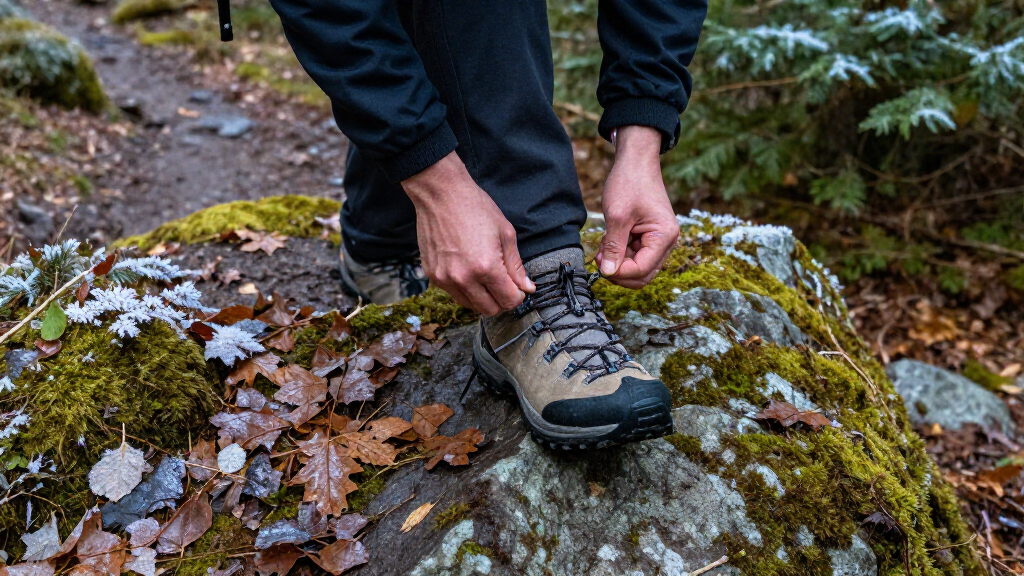

The best winterized hiking sneakers balance wet-weather protection, dependable grip, and enough warmth without feeling clumsy on the trail. My best overall pick is The North Face Clyffe Mid Insulated Waterproof Shoes, which stand out for pairing insulation with waterproof coverage; the adidas Terrex Skychaser AX5 Mid GORE-TEX CLIMAWARM+ is a compelling choice for hikers prioritizing cold-weather protection, while the Columbia Transverse Hike Waterproof is a more straightforward option for wet, chilly days. The main tradeoff is between warmth and agility: insulated mids suit cold outings, while lighter waterproof shoes can feel better on longer or milder hikes. Waterproofing also does not replace insulation or warm socks, and no shoe is a substitute for an ice-specific traction device on slick surfaces. Read on for the full breakdown and guidance on matching a shoe to your routes and winter conditions.

Get your wardrobe favorites delivered free with Prime
- Fast, free delivery on millions of items
- Prime Video, Amazon Music and more included
- Member-only deals all year
Key Takeaways
- The North Face Clyffe Mid Insulated Waterproof Shoes lead for cold-weather comfort: insulation gives them a clearer winter role than models built mainly around waterproofing.
- The adidas Terrex Skychaser AX5 Mid GORE-TEX CLIMAWARM+ emphasizes protection: it is a strong match for buyers who want a weather-focused mid-height shoe, though added protection may feel less nimble than a low-cut option.
- Waterproof does not mean warm: several Columbia and Merrell picks focus on wet-weather coverage, so sock choice and expected temperatures still matter.
- The Columbia Konos TRS OutDry Mid and low-cut versions serve different outings: the mid height offers more coverage, while the low shoe favors easier movement in milder conditions.
- Some picks are hiking boots rather than sneaker-like shoes: the Newton Ridge models and NORTIV 8 ankle boots may suit buyers seeking more traditional coverage, but can feel bulkier than trail-oriented options.
| Merrell Men’s Alpine 83 Sneaker Recraft Mid Waterproof |  | Best for Easy On-and-Off | Upper: Waterproof suede leather and mesh | Waterproof membrane: Yes | Collar: Neoprene stretch | VIEW LATEST PRICE | See Our Full Breakdown |
| The North Face Clyffe Mid Insulated Waterproof Shoes |  | Best for Cold, Wet Hikes | Upper: Suede and textile | Waterproofing: DRYVENT membrane | Insulation: 100g synthetic HEATSEEKER | VIEW LATEST PRICE | See Our Full Breakdown |
| adidas Women’s Terrex Anylander Leather Mid Climaproof Hiking Shoes – Black |  | Best for Breathable Waterproofing | Gender: Women’s | Upper: Leather | Waterproofing: Breathable waterproof membrane | VIEW LATEST PRICE | See Our Full Breakdown |
| Columbia Men’s Transverse Hike Waterproof |  | Best for Cushioned All-Day Hiking | Upper: Leather and mesh | Waterproofing: OMNI-TECH waterproof-breathable construction | Cushioning: TECHLITE | VIEW LATEST PRICE | See Our Full Breakdown |
| Columbia Women’s Konos TRS OutDry Mid Waterproof Shoe |  | Best for Wet-Terrain Security | Gender: Women’s | Waterproofing: OutDry waterproof-breathable membrane with bonded construction | Midsole: Techlite+ | VIEW LATEST PRICE | See Our Full Breakdown |
| Columbia Women’s Konos TRS OutDry Hiking Shoes |  | Best Lightweight Wet-Weather Sneaker | Waterproofing: OutDry waterproof-breathable membrane | Midsole: Techlite+ | Traction: Adapt Trax tread for wet or slippery terrain | VIEW LATEST PRICE | See Our Full Breakdown |
| Merrell Men’s Nova 4 Waterproof Trail Running Shoes |  | Best for Flexible Trail Comfort | Waterproofing: Waterproof membrane | Upper: Engineered mesh and TPU | Shaft height: Ankle | VIEW LATEST PRICE | See Our Full Breakdown |
| Columbia Women’s Newton Ridge Plus Waterproof Amped Hiking Boot |  | Best for Added Ankle Coverage | Style: Mid-cut | Construction: Seam-sealed | Outer material: Leather | VIEW LATEST PRICE | See Our Full Breakdown |
| Columbia Men’s Newton Ridge Plus II Suede Waterproof Hiking Boot |  | Best for Winter-Tread Traction | Construction: Seam-sealed | Outer material: Leather | Closure: Lace-up | VIEW LATEST PRICE | See Our Full Breakdown |
| adidas Women’s Terrex Anylander CLIMAWARM+ Mid-Top Hiking Shoes |  | Best Insulated Pick for Cold Trails | Insulation: CLIMAWARM+ and PrimaLoft | Lining: Brushed winter lining | Upper: Textile and synthetic | VIEW LATEST PRICE | See Our Full Breakdown |
| Columbia Men’s Fairbanks Mid Waterproof Hiking Boots |  | Best All-Around for Wet, Mild Winter Trails | Waterproofing: Omni-Tech seam-sealed construction | Cushioning: Techlite lightweight impact absorption | Traction: Omni-Grip multi-terrain outsole | VIEW LATEST PRICE | See Our Full Breakdown |
| NORTIV 8 Women’s Lightweight Ankle Hiking Boots |  | Best Lightweight Pick for Mild, Damp Walks | Weight: 12.3 oz per shoe | Water resistance: Up to four hours of static water resistance | Sole material: EVA and rubber | VIEW LATEST PRICE | See Our Full Breakdown |
| adidas Men’s Terrex Skychaser AX5 Mid GORE-TEX CLIMAWARM+ Hiking Shoes |  | Best for Cold-Weather Light Hikes | Fit: Regular | Upper: Synthetic and textile ripstop with overlays | Lining: Textile | VIEW LATEST PRICE | See Our Full Breakdown |
| winterized hiking sneaker | Sole material | Outsole | Origin | Upper |
|---|---|---|---|---|
| Merrell Men’s Alpine 83 Sneake | — | Rubber | Imported | Waterproof suede leather and mesh |
| The North Face Clyffe Mid Insu | — | Non-marking Vibram Megagrip rubber | — | Suede and textile |
| adidas Women’s Terrex Anylande | Rubber | Traxion lug pattern | — | Leather |
| Columbia Men’s Transverse Hike | Rubber | OMNI-GRIP | Imported | Leather and mesh |
| Columbia Women’s Konos TRS Out | Rubber | — | Imported | — |
| Columbia Women’s Konos TRS Out | Rubber | — | Imported | — |
| Merrell Men’s Nova 4 Waterproo | Rubber | Merrell Quantum Grip rubber | — | Engineered mesh and TPU |
| Columbia Women’s Newton Ridge | Rubber | Omni-GRIP non-marking traction rubber | — | — |
| Columbia Men’s Newton Ridge Pl | Rubber | — | Imported | — |
| adidas Women’s Terrex Anylande | Rubber | Traxion with multidirectional lugs | Imported | Textile and synthetic |
| Columbia Men’s Fairbanks Mid W | Rubber | — | Imported | — |
| NORTIV 8 Women’s Lightweight A | EVA and rubber | — | — | — |
| adidas Men’s Terrex Skychaser | — | Rubber | Imported | Synthetic and textile ripstop with overlays |
More Details on Our Top Picks
Merrell Men’s Alpine 83 Sneaker Recraft Mid Waterproof
The stretch neoprene collar gives this mid a practical advantage for quick changes: it flexes as you pull the shoe on, while the waterproof suede-and-mesh upper helps keep splashes and damp trail edges out. Its EVA midsole favors cushioned everyday comfort over a stiff, boot-like feel, making it a sensible choice for short hikes and winter errands. Compared with the The North Face Clyffe Mid, though, this Merrell has no listed insulation, so it is less suited to colder outings when warmth is a priority. The rubber outsole is described for light trail use, not demanding winter terrain. I’d choose it for convenience and casual hiking, but skip it for substantial snow, rough routes, or hikers seeking stronger ankle support.
Pros:- Waterproof suede-and-mesh upper helps block wet trail conditions.
- Neoprene stretch collar makes the shoe easier to put on and take off.
- Lightweight EVA foam midsole adds cushioning for everyday wear.
- Rubber outsole provides traction for light trail use.
Cons:- No insulation is listed, making it a weaker choice for prolonged exposure to cold.
- Ankle support is limited compared with taller winter boots.
- Waterproof construction may reduce breathability during higher-output hikes.
Best for: Hikers who want a waterproof mid for short, light trails and everyday winter wear, especially if easy on-and-off matters.
Not ideal for: Hikers facing deep snow, cold stationary outings, or rugged trails who need insulation, stronger ankle coverage, or more explicitly aggressive traction.
- Upper:Waterproof suede leather and mesh
- Waterproof membrane:Yes
- Collar:Neoprene stretch
- Midsole:Lightweight EVA foam
- Outsole:Rubber
- Shaft height:Ankle
- Shaft circumference:4 inches
- Origin:Imported
Our verdict“Choose the Merrell for convenient waterproof coverage on casual winter walks, but pick the insulated North Face Clyffe for colder outings.”
The North Face Clyffe Mid Insulated Waterproof Shoes
Among these five options, the 100g synthetic insulation gives the Clyffe Mid the clearest cold-weather purpose: it pairs warmth for active use with a DRYVENT waterproof membrane for damp conditions. Its Vibram Megagrip outsole and 3mm lugs also offer a more trail-focused grip specification than the light-use outsole listed for the Merrell Alpine 83. The molded EVA midsole adds cushioning without turning this into a tall, heavy winter boot. That balance has limits: the insulation is aimed at moving in cool conditions, not every preference for substantial warmth, and the mid-top shaft covers less of the ankle than a boot. I’d favor it for brisk, wet hikes; for less insulation and a leather-focused upper, the adidas Terrex Anylander Leather Mid is a different fit for the brief.
Pros:- 100g synthetic insulation adds warmth for active cold-weather use.
- DRYVENT membrane provides waterproof protection.
- Vibram Megagrip outsole with 3mm lugs is suited to varied surfaces.
- Rubber toe cap adds protection at the front of the shoe.
Cons:- Active-use insulation may not provide enough warmth for stationary or especially cold outings.
- Mid-top shaft offers less ankle coverage than a taller winter boot.
- Added insulation may feel too warm on milder hikes.
Best for: Hikers who stay active on cold, wet trails and want listed insulation alongside waterproofing and grippy tread.
Not ideal for: People who need tall snow-boot coverage, substantial warmth while standing still, or a less insulated shoe for mild winter weather.
- Upper:Suede and textile
- Waterproofing:DRYVENT membrane
- Insulation:100g synthetic HEATSEEKER
- Midsole:Single-density molded EVA
- Outsole:Non-marking Vibram Megagrip rubber
- Lug depth:3mm
- Shaft height:Mid-top
- Shaft circumference:6.38 inches
Our verdict“Pick the Clyffe Mid for active hikes in cold, wet weather when insulation and trail grip matter more than tall-boot coverage.”
adidas Women’s Terrex Anylander Leather Mid Climaproof Hiking Shoes – Black
The Terrex Anylander Leather Mid is the pick here for hikers who want a waterproof membrane designed to breathe, rather than added insulation. That distinction makes it a more flexible match for damp, active hikes where feet can get warm; by comparison, the North Face Clyffe Mid includes 100g insulation for colder conditions but may feel warmer during exertion. The leather upper is intended to resist trail wear, while a padded collar helps reduce rubbing around the ankle. Its Traxion lugs add grip across varied trail surfaces, though the available details do not specify lug depth or winter-ice performance. This is a mid-height hiking shoe, not a heavily insulated snow boot, and leather plus waterproofing can still feel warm in hot weather. I’d choose it for wet hikes that call for a more breathable approach.
Pros:- Breathable waterproof membrane helps manage moisture during active hikes.
- Leather upper is designed to resist trail wear.
- Padded collar helps reduce ankle chafing.
- Traxion lugged rubber outsole provides grip on varied trail surfaces.
Cons:- No insulation is listed for cold-weather warmth.
- Mid-height coverage may feel less flexible than a low-cut shoe.
- Leather and waterproof construction may feel warm in hot conditions.
Best for: Women seeking a leather mid-height hiking shoe for wet, active trails where waterproofing and breathability matter more than insulation.
Not ideal for: Hikers seeking insulated footwear for prolonged cold, tall coverage for deep snow, or a shoe specified for icy conditions.
- Gender:Women’s
- Upper:Leather
- Waterproofing:Breathable waterproof membrane
- Closure:Lace-up
- Cut:Mid-height
- Outsole:Traxion lug pattern
- Sole material:Rubber
- Color:Black
Our verdict“Choose the Anylander Leather Mid for wet hikes where breathable waterproofing is a better match than the Clyffe Mid’s added insulation.”
Columbia Men’s Transverse Hike Waterproof
The Transverse Hike is the strongest fit in this group for hikers who prioritize responsive cushioning across longer days on mixed surfaces. Its TECHLITE cushioning is described as providing energy return, while the OMNI-GRIP outsole is intended for rock, dirt, and gravel—useful range for routes that shift underfoot. The leather-and-mesh upper and OMNI-TECH waterproof-breathable construction make it a practical wet-weather choice without the listed insulation of the North Face Clyffe Mid. That omission matters for colder hikes: the Transverse is built around cushioning and weather protection, not added warmth. Its ankle-height design may also feel restrictive to some hikers, and the provided specifications do not give a lug depth or precise upper construction details beyond leather and mesh. I’d pick it for wet, varied trails where comfort outweighs insulation.
Pros:- TECHLITE cushioning is designed for responsive comfort on longer hikes.
- OMNI-TECH waterproof-breathable construction helps keep feet dry.
- OMNI-GRIP outsole is designed for rock, dirt, and gravel.
- Leather-and-mesh upper combines durable materials with a mesh component.
Cons:- No insulation is listed, so it may not suit colder winter hikes on its own.
- Ankle-height design may limit flexibility for some hikers.
- The provided specs give little detail about lug depth or fit.
Best for: Hikers who cover long distances over mixed wet or dry surfaces and prefer cushioning and traction over built-in insulation.
Not ideal for: Hikers who need insulated footwear for cold conditions, more flexible low-cut shoes, or detailed fit and lug specifications before choosing.
- Upper:Leather and mesh
- Waterproofing:OMNI-TECH waterproof-breathable construction
- Cushioning:TECHLITE
- Outsole:OMNI-GRIP
- Sole material:Rubber
- Shaft height:Ankle
- Shaft circumference:1 inch
- Origin:Imported
Our verdict“Choose the Transverse for cushioned hikes on varied wet or dry trails, but favor the insulated Clyffe Mid when cold-weather warmth is the priority.”
Columbia Women’s Konos TRS OutDry Mid Waterproof Shoe
The Konos TRS OutDry Mid is geared toward hikers who want a secure heel and midfoot fit for damp, uneven ground. Its lace system works alongside the mid-height design to hold the foot in place, while the bonded OutDry waterproof-breathable construction suits rain and snow. Techlite+ cushioning and Adapt Trax tread round out a setup aimed at comfort and grip rather than insulation. Compared with the Merrell Alpine 83, this Columbia has a more clearly specified traction system and bonded waterproofing, but neither product lists insulation; for colder outings, the North Face Clyffe Mid is the better match. The Konos may be more protection than needed on dry trails, and its listed shaft circumference is only 1 inch, a fit detail some buyers may want to verify. I’d reserve it for consistently wet conditions.
Pros:- Bonded OutDry waterproof-breathable construction is suited to rain and snow.
- Lace system is designed to secure the heel and midfoot.
- Techlite+ midsole cushions impact and supports comfort.
- Adapt Trax tread is designed for grip on wet terrain.
Cons:- Waterproof protection may be more than needed for mostly dry hikes.
- No insulation is listed for added warmth in cold weather.
- Listed shaft circumference is 1 inch, which may not suit every fit preference.
Best for: Women who hike on rainy or snowy, uneven trails and want a mid-height shoe with a secured heel and waterproof construction.
Not ideal for: Hikers mostly on dry trails, those seeking built-in insulation, or buyers who need a roomier or more clearly documented shaft fit.
- Gender:Women’s
- Waterproofing:OutDry waterproof-breathable membrane with bonded construction
- Midsole:Techlite+
- Traction system:Adapt Trax
- Sole material:Rubber
- Shaft height:Ankle
- Shaft circumference:1 inch
- Origin:Imported
Our verdict“Choose the Konos TRS OutDry Mid for wet, uneven hikes and a secure fit, but choose the insulated Clyffe Mid for colder conditions.”
Columbia Women’s Konos TRS OutDry Hiking Shoes
For a winterized hiking sneaker that stays relatively light on foot, I’d give the Konos TRS OutDry the wet-weather role. Its waterproof-breathable OutDry construction and Adapt Trax tread suit rainy paths, slushy sidewalks, and other slick conditions without the bulk of a mid-cut boot. The Techlite+ midsole adds cushioning for everyday walking as well as trail miles. Compared with the Columbia Women’s Newton Ridge Plus Waterproof Amped, this shoe is the more sneaker-like choice, but it gives up that boot’s higher coverage and leather-and-suede structure. The Navic Fit lace system is intended to help secure the heel, while the listed pull-on closure may leave less room for fit adjustments than a conventional lace-up. I’d skip it for warm, dry hikes or deep snow that calls for more coverage.
Pros:- OutDry waterproof-breathable membrane helps keep rain and snow out while allowing moisture to escape.
- Adapt Trax tread is designed for grip on wet or slippery terrain.
- Techlite+ midsole cushions impact for trail walks and everyday use.
- Lightweight build is less boot-like than the Columbia Women’s Newton Ridge Plus Waterproof Amped.
Cons:- Less ankle coverage than the mid-cut Newton Ridge Plus Waterproof Amped.
- Pull-on closure may provide less fit adjustment than a conventional lace-up.
- Waterproof protection can feel unnecessary in warm, dry conditions.
Best for: Women who want a lightweight, waterproof shoe for wet day hikes, slushy paths, and regular town wear.
Not ideal for: Hikers who need a high-cut boot for deeper snow or prefer conventional laces for precise fit adjustments.
- Waterproofing:OutDry waterproof-breathable membrane
- Midsole:Techlite+
- Traction:Adapt Trax tread for wet or slippery terrain
- Fit system:Navic Fit lace system
- Sole material:Rubber
- Outer material:Canvas
- Closure type:Pull-on
- Origin:Imported
Our verdict“Choose the Konos TRS OutDry if you want a lightweight, waterproof sneaker for wet trails and skip it if you need boot-height coverage.”
Merrell Men’s Nova 4 Waterproof Trail Running Shoes
The Nova 4 is the sneaker-style pick for hikers who want waterproofing without moving to a stiff mid-cut boot. Its waterproof membrane sits beneath a breathable engineered mesh and TPU upper, while FloatPro Foam and a removable EVA footbed support a softer, more flexible feel. The Quantum Grip rubber outsole adds trail-focused traction. Against the Columbia Men’s Newton Ridge Plus II Suede Waterproof Hiking Boot, the Nova 4 favors running-shoe comfort and a lower profile over the boot’s more protective construction and stated winter tread. Its ankle-height shaft also means less coverage in snow or muddy, waterlogged ground. I’d choose it for brisk hikes and mixed trail-to-town wear, but not for routes where deep slush or substantial ankle protection is part of the plan.
Pros:- Waterproof membrane helps block water while allowing moisture to escape.
- Engineered mesh and TPU upper balances ventilation with support.
- FloatPro Foam midsole and removable footbed support cushioned trail walking.
- Quantum Grip rubber outsole is designed for trail traction.
Cons:- Ankle-height shaft offers less coverage than a mid-cut boot.
- Less suited to deep snow than the Columbia Men’s Newton Ridge Plus II with its dual-zone winter tread.
- Flexible trail-shoe construction offers less structure than a traditional hiking boot.
Best for: Men who prefer a flexible, trail-running-shoe feel for wet hikes on established paths and everyday outdoor use.
Not ideal for: Hikers crossing deep snow or seeking the higher coverage and winter-specific tread described for the Columbia Men’s Newton Ridge Plus II.
- Waterproofing:Waterproof membrane
- Upper:Engineered mesh and TPU
- Shaft height:Ankle
- Midsole:FloatPro Foam
- Footbed:Removable EVA foam; 50% recycled
- Outsole:Merrell Quantum Grip rubber
- Sole material:Rubber
- Fabric:Textile and synthetic
Our verdict“Pick the Nova 4 for waterproof trail comfort and a flexible fit, but choose a higher-cut boot for snowy routes needing more coverage.”
Columbia Women’s Newton Ridge Plus Waterproof Amped Hiking Boot
Although it is a boot rather than a sneaker, the Newton Ridge Plus Amped earns a place for buyers whose winter walks call for more coverage than a low shoe provides. Its seam-sealed leather and suede upper is built to help keep out rain, mud, and muck, and the mid-cut design gives it a more protective feel than the Columbia Women’s Konos TRS OutDry. TECHLITE cushioning and an Omni-GRIP outsole make it a practical choice for varied trails, while reinforced toe and heel areas address common wear points. The tradeoff is less sneaker-like flexibility and potentially less comfort in warm weather; the product is described for three-season use, not as a dedicated insulated winter boot. I’d choose it for wet, muddy hikes, not deep cold or dry-weather walks where a lighter shoe makes more sense.
Pros:- Seam-sealed leather and suede upper helps protect against rain, mud, and muck.
- Mid-cut construction offers more coverage than the Columbia Women’s Konos TRS OutDry.
- TECHLITE midsole provides cushioning and impact absorption.
- Reinforced toe and heel help protect high-wear areas.
Cons:- Three-season positioning makes it less suitable for severe winter cold.
- Waterproof construction may feel less breathable in warm conditions.
- Higher-cut boot structure is less sneaker-like than the Konos TRS OutDry.
Best for: Women who hike muddy or rainy trails and want a mid-cut boot with more coverage than a lightweight sneaker.
Not ideal for: Hikers seeking an insulated boot for severe winter cold or a breathable, low-profile shoe for warm and dry conditions.
- Style:Mid-cut
- Construction:Seam-sealed
- Outer material:Leather
- Midsole:TECHLITE lightweight midsole
- Outsole:Omni-GRIP non-marking traction rubber
- Sole material:Rubber
- Shaft circumference:33 cm
- Fit:True to size
Our verdict“Choose this boot for wet, muddy hikes where extra coverage matters, but look elsewhere for insulation or lightweight sneaker flexibility.”
Columbia Men’s Newton Ridge Plus II Suede Waterproof Hiking Boot
For buyers prioritizing traction and an adjustable fit over sneaker-like lightness, I’d rank the Newton Ridge Plus II as the strongest winter-leaning boot in this group. Its Omni-Grip outsole with dual-zone winter tread is specifically described for varied terrain, including ice and snow, while the seam-sealed suede and leather upper helps keep out rain and puddles. A lace-up closure lets hikers tune the fit more directly than the pull-on Columbia Women’s Konos TRS OutDry. The cushioned midsole supports longer walks, though the leather and suede need care to maintain their condition. This is still a waterproof hiking boot rather than an insulated model, so it offers more weather protection and tread than a sneaker but not stated thermal lining. I’d favor it for wet, wintry trails and pass if low weight is the main priority.
Pros:- Dual-zone winter tread is designed for varied terrain, including ice and snow.
- Seam-sealed leather and suede upper helps protect against rain and puddles.
- Lace-up closure allows more fit adjustment than the pull-on Columbia Women’s Konos TRS OutDry.
- Cushioned midsole supports impact absorption on longer walks.
Cons:- No insulation is listed, so waterproofing alone may not provide enough warmth for severe cold.
- Leather and suede uppers need care to maintain their condition.
- Boot construction is less low-profile and sneaker-like than the Merrell Men’s Nova 4.
Best for: Men hiking on wet, uneven trails where snow-and-ice-oriented tread and an adjustable boot fit matter more than a low profile.
Not ideal for: Hikers who want a lightweight sneaker or built-in insulation for extended time in severe cold.
- Construction:Seam-sealed
- Outer material:Leather
- Closure:Lace-up
- Midsole:Lightweight cushioned midsole
- Traction:Omni-Grip multi-terrain outsole with dual-zone winter tread
- Sole material:Rubber
- Shaft circumference:3 inches
- Origin:Imported
Our verdict“Choose the Newton Ridge Plus II for waterproof boot coverage and winter-oriented tread, but not if you need insulation or a light sneaker feel.”
adidas Women’s Terrex Anylander CLIMAWARM+ Mid-Top Hiking Shoes
When warmth matters more than all-season versatility, the Terrex Anylander CLIMAWARM+ is the clearest cold-weather choice in this batch. Its CLIMAWARM+ and PrimaLoft insulation, backed by a brushed winter lining, offer a warmer setup than the waterproof but uninsulated Columbia Newton Ridge boots. A lightweight textile-and-synthetic upper keeps the feel more flexible than a stiffer boot, while multidirectional Traxion lugs are intended to grip rugged terrain. That flexibility is a plus for moving comfortably, but it also means less structure than the Newton Ridge Plus II. The product data does not list a waterproof membrane, so I wouldn’t treat its insulation as a substitute for rain or slush protection. It makes the most sense for cold, dry trails; in warm weather or persistent wet conditions, the Konos TRS OutDry is a more fitting option.
Pros:- CLIMAWARM+ and PrimaLoft insulation support warmth in cold conditions.
- Brushed winter lining adds a layer of warmth against the foot.
- Lightweight textile and synthetic upper offers flexibility.
- Multidirectional Traxion lugs are designed for grip on rugged terrain.
Cons:- No waterproof membrane is listed, unlike the Columbia Women’s Konos TRS OutDry.
- Textile and synthetic construction offers less structure than the Columbia Newton Ridge boots.
- Cold-weather insulation may feel excessive on warm hikes.
Best for: Women who hike cold, mostly dry trails and want built-in insulation in a flexible mid-top shoe.
Not ideal for: Hikers who regularly cross slush or rain and need a listed waterproof membrane, or who want a stiffer boot structure.
- Insulation:CLIMAWARM+ and PrimaLoft
- Lining:Brushed winter lining
- Upper:Textile and synthetic
- Closure:Lace-up
- Outsole:Traxion with multidirectional lugs
- Sole material:Rubber
- Outer material:Rubber
- Origin:Imported
Our verdict“Choose the Anylander CLIMAWARM+ for warmth on cold, dry trails, but opt for a waterproof model when slush and rain are likely.”
Columbia Men’s Fairbanks Mid Waterproof Hiking Boots
The Fairbanks Mid is my pick for hikers who want waterproofing and versatile traction without the emphasis on insulation. Its seam-sealed Omni-Tech construction is described for moderate rain and snow, while Techlite cushioning helps soften impact on walks that range from dirt trails to town sidewalks. The Omni-Grip outsole is designed for wet and dry rock, dirt, and gravel, giving it a broader surface-use case than the NORTIV 8 Women’s Lightweight Ankle Hiking Boots, whose water resistance is limited to static conditions. Compared with the insulated adidas Terrex Skychaser AX5 Mid, the Fairbanks is less focused on warmth, which may suit changeable, milder winter days but leaves less support for cold-weather hikes. Its protection is not specified for prolonged severe conditions, so I would choose a more winter-focused option for persistent snow or deep cold.
Pros:- Seam-sealed Omni-Tech construction is designed for moderate rain and snow.
- Techlite cushioning provides lightweight impact absorption and energy return.
- Omni-Grip outsole is designed for wet and dry rock, dirt, and gravel.
- Mid-height style works across trails and town wear.
Cons:- Water protection is described for moderate conditions, not prolonged severe exposure.
- No insulation or specific cold-weather warmth feature is listed.
Best for: Men seeking a waterproof mid-height boot for moderate winter weather, mixed trail surfaces, and everyday town use.
Not ideal for: Hikers facing prolonged severe wet weather, deep snow, or cold conditions who need specified insulation.
- Waterproofing:Omni-Tech seam-sealed construction
- Cushioning:Techlite lightweight impact absorption
- Traction:Omni-Grip multi-terrain outsole
- Sole material:Rubber
- Shaft height:Ankle
- Shaft circumference:1 inch
- Origin:Imported
Our verdict“Choose the Fairbanks Mid for moderate, wet winter outings where waterproof construction and mixed-terrain traction matter more than insulation.”
NORTIV 8 Women’s Lightweight Ankle Hiking Boots
The NORTIV 8 makes the most sense for buyers prioritizing low weight and cushioned everyday comfort over full winter protection. At 12.3 ounces per shoe, it is the lightest clearly specified option in this group, and its EVA insole plus breathable mesh favor active walking when conditions are cool rather than bitterly cold. The abrasion-resistant Oxford fabric and TPU reinforcement add durability, while the rubber outsole is described as slip-resistant. Compared with the waterproof Columbia Men’s Fairbanks Mid, though, this boot offers only water resistance—up to four hours in static conditions—so it is less suited to wet trails where water exposure is ongoing. Its debris-blocking tongue is useful on loose paths, but no insulation or warmth features are specified; I would skip it for snowy hikes that demand sustained warmth.
Pros:- Light 12.3-ounce-per-shoe weight supports easy movement.
- Cushioned EVA insoles soften everyday walking.
- Breathable mesh covering helps with airflow.
- Oxford fabric and TPU reinforcement are designed to resist abrasion and tearing.
Cons:- Water resistance is limited to static conditions rather than ongoing wet-trail exposure.
- No insulation or specific warmth features are listed.
- The water-resistance claim does not establish protection during active immersion or prolonged rain.
Best for: Women who want a lightweight, cushioned ankle boot for mild-weather hikes, dry trails, and occasional damp conditions.
Not ideal for: Winter hikers who regularly encounter snow, prolonged rain, or cold temperatures and need waterproofing or specified insulation.
- Weight:12.3 oz per shoe
- Water resistance:Up to four hours of static water resistance
- Sole material:EVA and rubber
- Shaft height:Ankle
- Outer material:Nylon and TPU
- Inner material:Fabric
- Design:Color-block
Our verdict“Pick the NORTIV 8 for lightweight walking on mild, mostly dry trails, but choose the Fairbanks Mid or an insulated model for harsher winter weather.”
adidas Men’s Terrex Skychaser AX5 Mid GORE-TEX CLIMAWARM+ Hiking Shoes
Among these three, the Skychaser AX5 Mid is the clearest choice when warmth is the priority: PrimaLoft insulation and CLIMAWARM+ are specified for cold conditions, while LIGHTMOTION cushioning supports movement without a heavy-feeling setup. Its ripstop upper with overlays is built for durability, and the rugged rubber outsole is intended for uneven surfaces. That makes it more winter-oriented than the Columbia Men’s Fairbanks Mid, whose listed strengths center on moderate-weather waterproofing and mixed-terrain traction rather than insulation. The tradeoff is scope: adidas describes this shoe for light hikes in snowy mountain terrain, not demanding routes, and the regular fit may not work for feet that need a notably narrow or wide shape. I would choose it for cold, lower-intensity outings, not as a substitute for a more technical winter boot.
Pros:- PrimaLoft insulation and CLIMAWARM+ are specified for cold-weather warmth.
- LIGHTMOTION cushioning supports lightweight movement.
- Rugged rubber outsole is designed for traction on varied terrain.
- Ripstop upper with overlays is designed for durability.
Cons:- Designed for light hikes rather than more demanding terrain.
- Regular fit may not suit hikers who need a narrower or wider fit.
- The supplied product details do not specify a waterproof membrane despite GORE-TEX in the product name.
Best for: Men who take light hikes in cold or snowy conditions and want specified insulation with lightweight cushioning.
Not ideal for: Hikers tackling demanding winter terrain or buyers who need a narrow or wide fit rather than a regular fit.
- Fit:Regular
- Upper:Synthetic and textile ripstop with overlays
- Lining:Textile
- Insulation:PrimaLoft
- Technology:CLIMAWARM+
- Cushioning:LIGHTMOTION
- Outsole:Rubber
- Closure:Lace-up
- Origin:Imported
Our verdict“Choose the Skychaser AX5 Mid for cold-weather light hikes where specified insulation matters more than support for demanding terrain.”
How We Picked
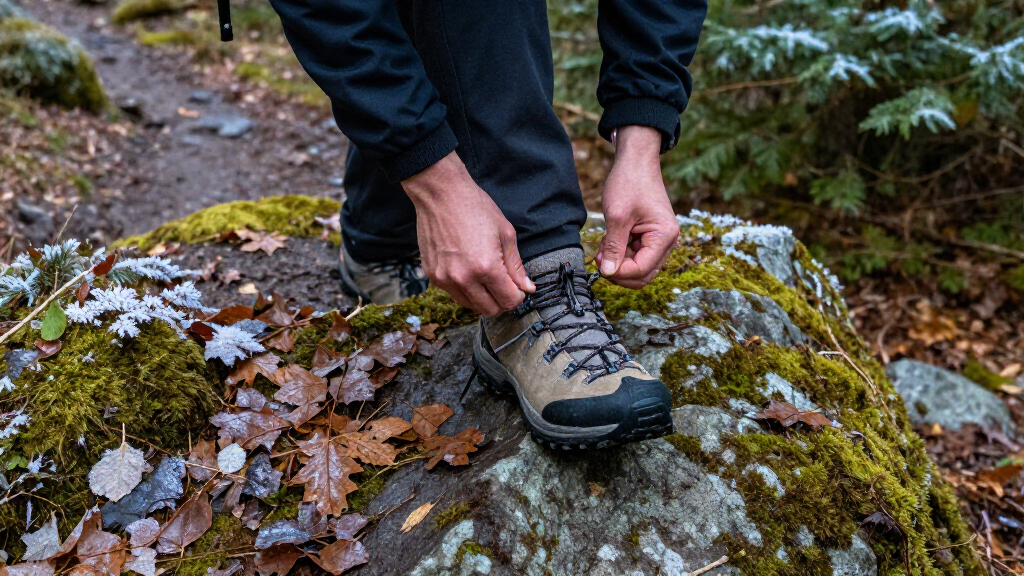
I ranked these 13 options by how well their stated designs address winter hiking needs: wet-weather protection, warmth where specified, outsole grip, coverage, and suitability for sustained walking. I also weighed usability factors such as shoe height, likely ease of pairing with winter socks, and whether a model leans toward a flexible trail-shoe feel or a more protective boot build. A waterproof membrane can help keep rain and slush out, but it is not the same as insulation, and product descriptions alone cannot establish performance on ice or in severe cold.
The order favors models with the clearest combination of winter-relevant features and hiking utility, rather than treating every waterproof shoe as equally winter-ready. Insulated designs rank well for cold outings; waterproof, non-insulated models remain useful for damp or milder conditions but are less suited to prolonged exposure to low temperatures. I also considered tradeoffs: mid-height protection can add coverage but reduce freedom of movement, while low-cut shoes feel less bulky but leave more of the ankle exposed. Traditional boots are included for buyers who value coverage over a sneaker-like feel.
| winterized hiking sneaker | Midsole | Shaft height | Sole material |
|---|---|---|---|
| Merrell Men’s Alpine 83 Sneake | Lightweight EVA foam | Ankle | — |
| The North Face Clyffe Mid Insu | Single-density molded EVA | Mid-top | — |
| adidas Women’s Terrex Anylande | — | — | Rubber |
| Columbia Men’s Transverse Hike | — | Ankle | Rubber |
| Columbia Women’s Konos TRS Out | Techlite+ | Ankle | Rubber |
| Columbia Women’s Konos TRS Out | Techlite+ | — | Rubber |
| Merrell Men’s Nova 4 Waterproo | FloatPro Foam | Ankle | Rubber |
| Columbia Women’s Newton Ridge | TECHLITE lightweight midsole | — | Rubber |
| Columbia Men’s Newton Ridge Pl | Lightweight cushioned midsole | — | Rubber |
| adidas Women’s Terrex Anylande | — | — | Rubber |
| Columbia Men’s Fairbanks Mid W | — | Ankle | Rubber |
| NORTIV 8 Women’s Lightweight A | — | Ankle | EVA and rubber |
| adidas Men’s Terrex Skychaser | — | — | — |
Factors to Consider When Choosing Best Winterized Hiking Sneakers
Choosing winter footwear is less about finding the warmest label and more about matching the shoe to the cold, moisture, terrain, and pace you expect. I would start with the conditions you hike in most often, then balance protection against weight and mobility.
Match insulation to the cold you actually face
Waterproofing and insulation solve different problems. A membrane can block outside moisture, but it does not automatically keep feet warm while standing in cold air or snow. For short hikes in damp, above-freezing weather, a waterproof shoe and suitable socks may be enough; colder, slower outings call for a shoe designed with insulation. Avoid choosing the warmest option by default if you hike briskly or tend to overheat, since dampness from sweat can make feet feel colder later. Think about both the temperature and how long you will be outdoors. If winter conditions vary widely, prioritize sock and layering flexibility rather than expecting one shoe to cover every season.
Choose shoe height around snow depth and comfort
Low-cut shoes favor freedom of movement, while mid-height designs cover more of the ankle and can help keep shallow snow and trail debris out. Height alone does not make footwear waterproof above its membrane line, so deeper snow may still enter over the collar. A taller shoe may also feel restrictive to hikers used to flexible trail footwear, especially on uneven ground. Try the fit with the socks you plan to wear, and check that the collar does not rub when your ankle bends. For frequently snowy trails, gaiters can add useful coverage without requiring an especially tall or stiff shoe. Do not confuse ankle coverage with ankle support; fit and construction matter too.
Treat traction claims cautiously on ice
Trail grip is not the same as ice grip. A lugged outsole can help on dirt, packed paths, and some snowy terrain, but hard ice may call for removable traction devices. Look at the routes you use: mixed forest trails put different demands on a sole than frozen pavement or steep, icy slopes. Deeper lugs can give purchase on soft ground, yet their shape and rubber compound also affect how they behave on hard surfaces. Do not assume that a waterproof membrane or winter-ready name guarantees secure footing in every condition. If your route routinely includes ice, plan for traction aids and practice fitting them before heading out.
Leave room for winter socks without losing control
A snug summer fit can become uncomfortable with thicker socks. At the same time, excessive extra room lets the foot slide, which can cause rubbing and reduce confidence on descents. Try shoes late in the day, when feet may be slightly larger, and wear the sock thickness you expect to use. Check toe room by standing and walking downhill, not just by judging the shoe while seated. Lacing should hold the heel steady without pressing hard across the top of the foot. If you use custom insoles, account for their space before sizing up. A size change is not a substitute for a shape that matches your foot.
Balance waterproofing with drying time and care
Waterproof footwear helps with slush and wet trails, but it can dry more slowly if water gets in over the collar or through a damaged area. After a wet hike, remove the insoles and let the shoes dry at room temperature; direct heat can harm materials and adhesives. A waterproof membrane also cannot keep feet dry from sweat, so ventilation and pacing matter on strenuous climbs. Leather and synthetic uppers may call for different cleaning or care, so follow the maker’s instructions rather than applying a treatment at random. If you often hike in warm, wet conditions, breathability may matter more than maximum weather protection. For cold and wet routes, keep a dry sock option available for longer outings.
Pay for the protection your routes demand
More winter features can mean more weight, stiffness, and cost. Insulation and weather-focused construction make the most sense for frequent cold outings, while a lighter waterproof shoe may be a better fit for occasional damp hikes. A more traditional boot can be worthwhile when you want extra coverage, but it may feel less nimble than a sneaker-like design. Beginners should favor predictable fit and comfort over feature lists they may not use. Before paying more, identify a specific need—such as insulation, a waterproof membrane, or added height—that the upgrade addresses. If your hikes are mostly mild and short, simpler footwear paired with good socks may serve better than an overbuilt winter shoe.
Frequently Asked Questions
Are waterproof hiking shoes warm enough for winter?
Not on their own. Waterproof construction helps block outside moisture, but warmth depends on insulation, socks, activity level, and how long you remain in the cold. A non-insulated waterproof shoe may work well for brisk hikes in cool, wet weather but feel cold during slow outings or extended stops. For regular low-temperature hikes, favor a model specifically described as insulated and pair it with socks that fit without squeezing your toes. If your feet get wet from sweat, even an insulated shoe can feel uncomfortable, so manage layers and pace.
Should I choose a low-cut shoe or a mid-height model for winter hiking?
Choose based on coverage needs and how freely you want to move. Low-cut shoes can feel lighter and less restrictive on maintained trails or in mild, wet weather, but they expose more of the ankle and offer less protection from shallow snow. Mid-height options add coverage and can help keep debris out, though snow can still enter over the collar and extra height may feel less flexible. For deeper snow, gaiters can be more useful than relying on shoe height alone. Try the collar with your usual socks and check for rubbing while walking uphill and downhill.
Can any of these hiking shoes replace ice cleats?
No shoe should be assumed safe on hard ice just because it has hiking lugs. Outsoles designed for trails may grip dirt or packed snow yet still slip on smooth ice. If your routes regularly include icy slopes, frozen paths, or hard-packed winter surfaces, carry compatible traction devices and learn how to fit them securely. Check that the device matches the shoe’s shape and intended use. On mixed terrain, remove traction aids when they are no longer appropriate, since they can feel awkward or damage surfaces indoors.
Is it better to buy a winter hiking shoe a size larger?
Not automatically. You need enough room for your winter socks and for your toes to move, but a shoe that is too large can let your heel slip and cause blisters. Try the shoe with the socks and insoles you plan to use, then walk on an incline if possible to check toe clearance. Your foot should feel secure around the heel and midfoot without pressure across the forefoot. Sizing varies by model, so use fit rather than a fixed rule about going up a size.
Which type is best if I hike in both mild rain and occasional snow?
A waterproof mid-height shoe is a practical middle ground when your outings range from wet trails to occasional shallow snow. It offers more coverage than a low-cut shoe without committing to a heavy boot, though it may not provide enough warmth for extended hikes in severe cold. If snow is occasional and temperatures stay moderate, pair it with appropriate socks and consider gaiters for extra coverage. If your snow hikes are frequent or involve long stops, an insulated option is a better match. Let your coldest regular outing guide the choice rather than the rarest conditions.
Conclusion
For most cold-weather hikers, I would start with The North Face Clyffe Mid Insulated Waterproof Shoes as the best overall choice because insulation and waterproof coverage give it a clear winter-focused role. For a value-minded pick, the Columbia Transverse Hike Waterproof is a straightforward choice for wet, chilly trails, though buyers should not mistake waterproofing for built-in warmth. My best premium-leaning option is the adidas Terrex Skychaser AX5 Mid GORE-TEX CLIMAWARM+ for hikers seeking a feature-focused, protective design. Beginners may find the Columbia Newton Ridge Plus models appealing if they prefer a traditional boot feel and added coverage over a low-cut sneaker. For lighter, milder outings, consider the Columbia Konos TRS OutDry Hiking Shoes; for buyers prioritizing ankle coverage, compare the insulated mids and traditional boots. Match the shoe to your usual temperatures and terrain, and add traction devices when ice is part of the route.