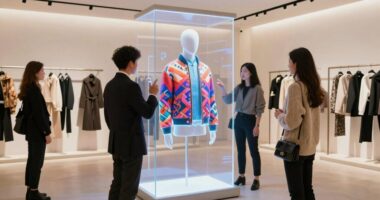

Fashion gimmicks are superficial trends aimed at grabbing your attention temporarily, like exaggerated logos or fleeting color-changing fabrics. Helpful innovation, on the other hand, adds real value by focusing on sustainability, durability, or functionality, such as eco-friendly fabrics or wearable tech. To tell the difference, consider whether a trend offers long-term benefits or just superficial appeal. If you’re curious about how to spot meaningful advancements over gimmicks, explore more to understand industry shifts better.

Get your wardrobe favorites delivered free with Prime
- Fast, free delivery on millions of items
- Prime Video, Amazon Music and more included
- Member-only deals all year
Key Takeaways
- Gimmicks are superficial trends aimed at short-term attention, while helpful innovations provide lasting value or sustainability.
- Genuine innovations focus on environmental impact, functionality, and long-term benefits; gimmicks prioritize fleeting style.
- Features like exaggerated logos or color-changing fabrics are gimmicks, whereas eco-friendly materials and wearable tech are innovations.
- Consumer awareness helps distinguish meaningful innovations from superficial trends, guiding responsible purchasing decisions.
- The purpose and impact behind a trend determine whether it fosters industry progress or is merely a passing gimmick.
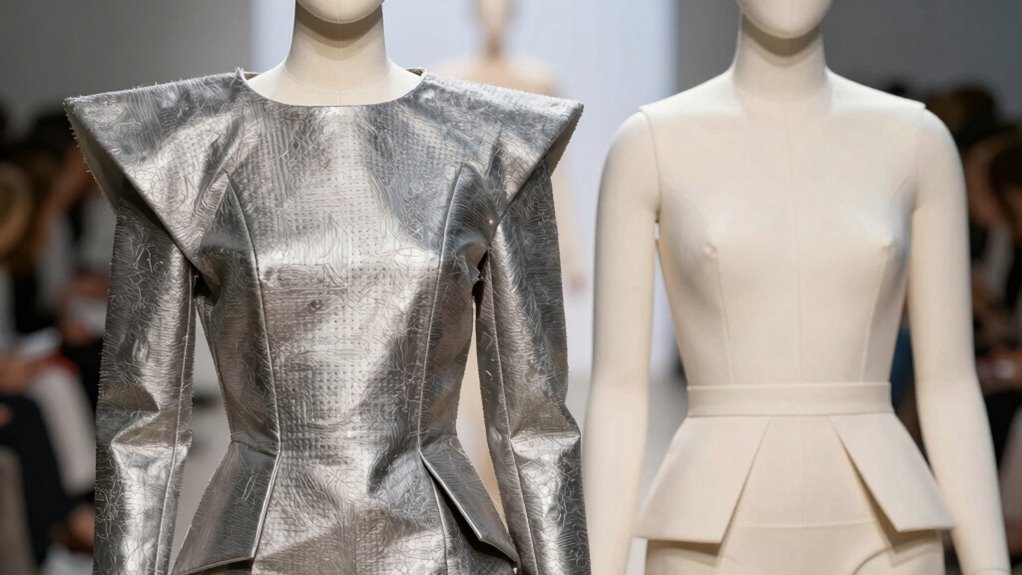
Have you ever wondered whether the latest fashion trends are truly innovative or just clever gimmicks designed to grab your attention? It’s a question many of us ask as we scroll through social media or browse store displays. On one hand, some trends seem to push boundaries, blending style with purpose. On the other, many are purely superficial, designed more to catch the eye than to serve any real function. The key difference often lies in whether a trend offers genuine value or simply appeals to fleeting whims.
Take sustainable fabrics, for example. When you see brands promoting clothing made from organic cotton, bamboo, or recycled materials, it’s a sign of thoughtful innovation. These fabrics aim to reduce environmental impact, making fashion more eco-friendly and sustainable in the long run. It’s about addressing serious concerns—climate change, waste management, resource depletion—rather than just creating a new look that’s trendy for a season. If a brand’s focus is on using sustainable fabrics, you’re witnessing helpful innovation that combines style with responsibility. Such efforts show a commitment to positive change, and they often lead to more durable, comfortable garments that stand the test of time.
Sustainable fabrics like organic cotton and recycled materials reflect thoughtful innovation that combines style with environmental responsibility.
Similarly, wearable technology exemplifies helpful innovation in fashion. When your clothing integrates smart features—like fitness trackers embedded into activewear or jackets with built-in heating elements—it’s clear that technology is working to enhance your everyday life. Wearable tech isn’t just about flashy gadgets; it’s about creating functional pieces that serve a purpose. These innovations help you stay healthier, more connected, or more comfortable without sacrificing style. Unlike superficial trends, wearable technology adds tangible benefits, making your wardrobe more versatile and aligned with modern needs. Paying attention to technological advancements in fashion can help consumers identify truly innovative products that serve a purpose beyond aesthetics.
In contrast, some fashion gimmicks rely on quick fixes or superficial aesthetics. Think of clothing with overly exaggerated logos, transient color-changing fabrics, or items that are designed to make a statement but lack practicality. These gimmicks often fade away fast and don’t contribute to sustainability or usability. They’re meant to attract attention temporarily, but they don’t create lasting value or push the industry forward. Recognizing the importance of sustainable practices can help consumers differentiate between meaningful innovation and fleeting trends. Additionally, understanding the long-term impact of a product can guide smarter purchasing decisions.
Ultimately, the difference between gimmicks and genuine innovation lies in intent and impact. If a trend helps protect the environment, enhances your daily life, or offers real durability, it’s moving beyond mere gimmickry. Being aware of industry standards and how they evolve can also help consumers make more informed choices. When you recognize these signs, you can make more informed choices, supporting fashion that’s both stylish and meaningful.
eco-friendly sustainable fabrics clothing
As an affiliate, we earn on qualifying purchases.
As an affiliate, we earn on qualifying purchases.
Frequently Asked Questions
How Can Consumers Differentiate Between Gimmicks and Innovations?
You can tell if something’s an innovation or gimmick by examining marketing strategies and your perceptions. If a product promises quick fixes or uses flashy marketing without real benefits, it’s likely a gimmick. Genuine innovations typically address real needs, backed by clear evidence, and have lasting value. Trust your instincts, research reviews, and compare features to make informed decisions and avoid falling for superficial trends.
What Are Some Examples of Long-Lasting Fashion Innovations?
You can spot long-lasting fashion innovations like sustainable fibers and smart textiles that truly enhance your wardrobe. Sustainable fibers, such as organic cotton or hemp, offer eco-friendly durability, while smart textiles incorporate technology for temperature regulation or health monitoring. These innovations stand the test of time because they solve real problems, improve comfort, and promote sustainability, unlike gimmicks that often fade quickly or lack practicality.
Do Fashion Brands Prefer Gimmicks Over Genuine Innovations?
Fashion brands often favor gimmicks over genuine innovations because gimmicks grab attention quickly and boost sales, even if they lack lasting value. However, many brands are increasingly prioritizing sustainable materials and ethical craftsmanship, which are genuine innovations. These sustainable and ethical practices build trust and loyalty among consumers, offering long-term benefits for the environment and society. So, while gimmicks may dominate momentarily, true innovation is gaining ground.
How Do Fashion Trends Influence Innovation Adoption?
Fashion trends heavily influence innovation adoption because they shape what consumers want. You’ll notice brands incorporate new ideas faster when trend forecasting highlights upcoming styles. In fashion marketing, staying ahead of trends encourages innovation that aligns with consumer desires, rather than gimmicks. This proactive approach helps brands introduce meaningful innovations that resonate, ensuring they stay relevant and competitive, instead of relying on fleeting gimmicks that lack lasting value.
What Role Does Technology Play in Fashion Innovation?
You’re really onto something when you see technology shaping fashion innovation. It’s a game-changer, especially with sustainable textiles that reduce environmental impact and wearable technology that enhances functionality. These innovations aren’t just passing fads; they’re transforming how you experience fashion. By embracing tech, you can enjoy stylish, eco-friendly pieces that serve real purposes, proving that fashion’s future lies in helpful, innovative solutions rather than fleeting gimmicks.
Conclusion
In the world of fashion, you must decide: will you fall for the quick, fleeting gimmicks that fade away or embrace the helpful innovations that truly enhance your style? Will you chase after trends that lack substance or seek designs that serve a purpose? Ultimately, your choices define your style—are you content with superficial thrills or committed to meaningful progress? Choose wisely, because your wardrobe reflects your values, your confidence, and your commitment to authentic fashion.
Halloween Picks
halloween
As an affiliate, we earn on qualifying purchases.