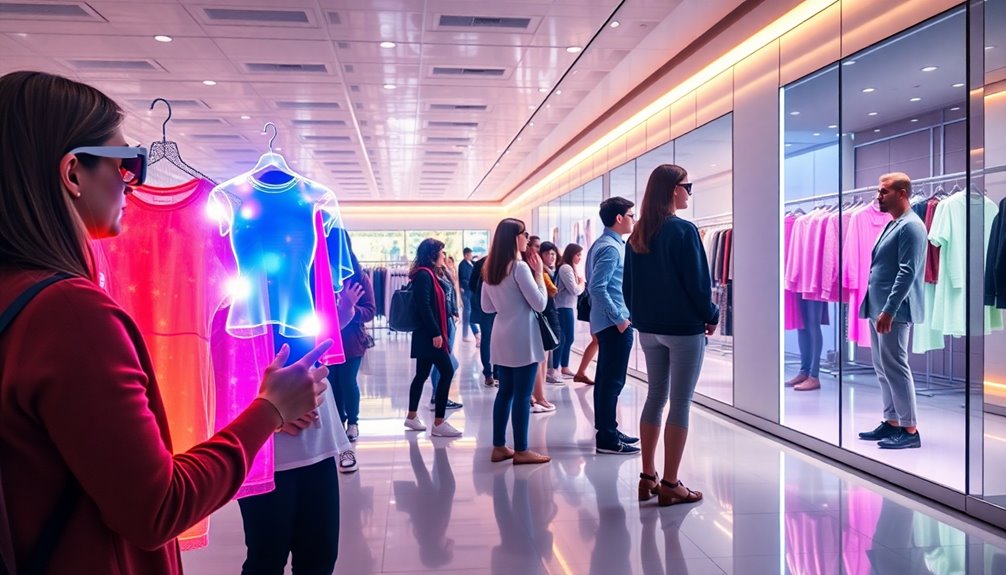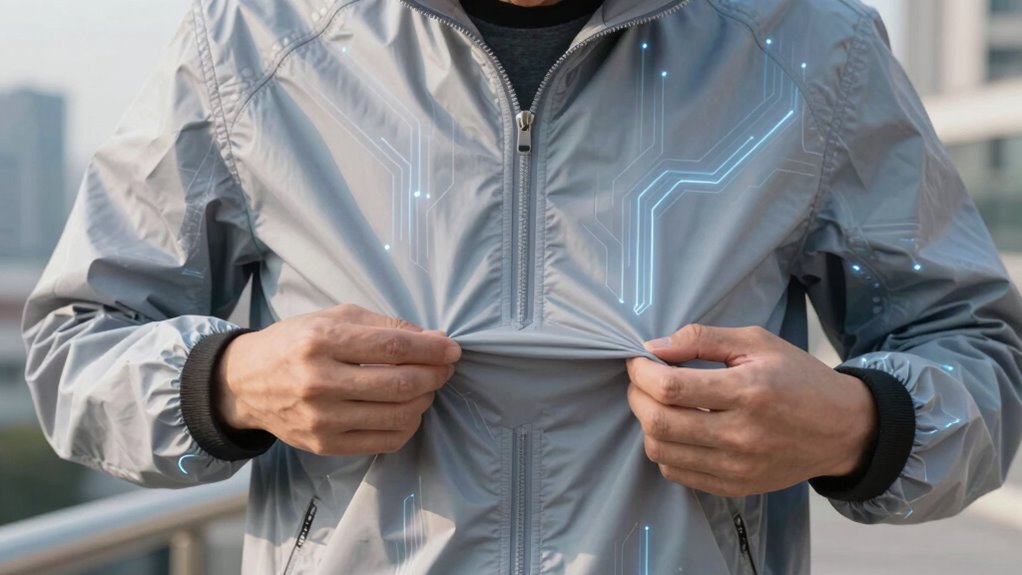

Smart fabric innovations will turn your everyday clothes into intelligent, versatile gear. Embedded sensors monitor your health, fitness, and safety, providing real-time alerts without bulky devices. These fabrics are eco-friendly, durable, and adaptable to weather, reducing waste and the need for extra layers. With energy-harvesting capabilities and sustainable materials, your wardrobe can become more environmentally conscious and personalized. If you keep exploring, you’ll discover how these advancements can truly transform your daily style and well-being.

Get your wardrobe favorites delivered free with Prime
- Fast, free delivery on millions of items
- Prime Video, Amazon Music and more included
- Member-only deals all year
Key Takeaways
- Enhances daily comfort by integrating adaptive temperature regulation and responsive maintenance features.
- Provides continuous health and activity monitoring without the need for separate devices.
- Promotes sustainability through eco-friendly materials and easy recyclability, reducing environmental impact.
- Improves safety with real-time alerts for health issues and environmental hazards.
- Offers versatile, stylish clothing that combines fashion, functionality, and durability.
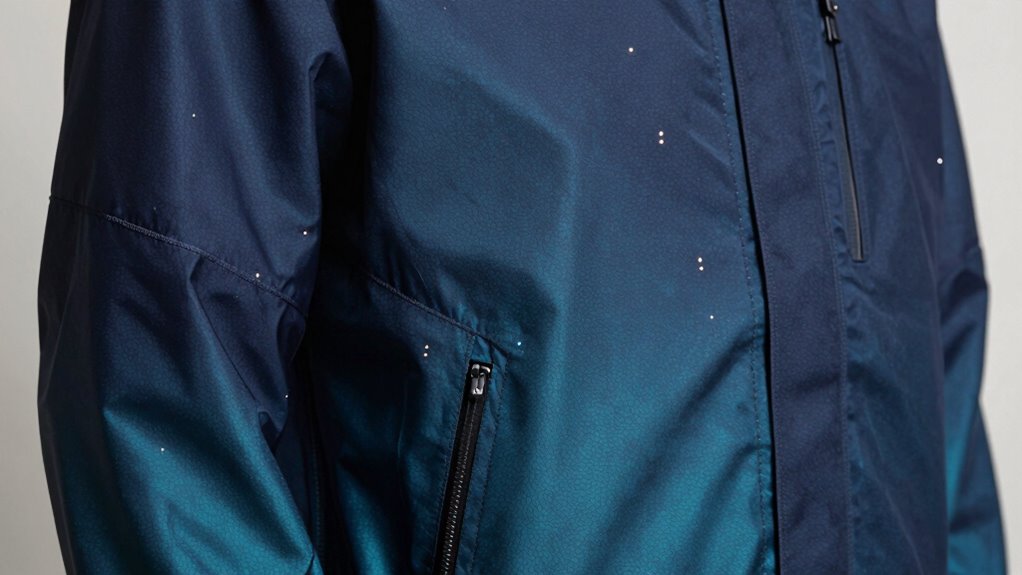
Have you ever wondered how your clothes could do more than just cover your body? With smart fabric innovation, your everyday wear could transform into a versatile tool that enhances your lifestyle. Imagine fabrics embedded with wearable technology that responds to your environment, monitors your health, or even adjusts to your comfort levels. These advancements aren’t just about convenience—they also promote textile sustainability, making your clothing choices more eco-friendly. You could be wearing garments that not only last longer but are produced with sustainable materials, reducing environmental impact.
Smart fabrics are designed to incorporate tiny sensors and electronic components directly into the textile. This means your shirt or jacket could track your heart rate, measure your activity levels, or alert you if you need to hydrate. These technologies seamlessly blend into your clothing, providing real-time data without bulky devices or uncomfortable attachments. As a result, your wardrobe becomes a personal health assistant, helping you stay aware of your wellbeing throughout the day. This integration of wearable technology into everyday apparel opens up new possibilities for health monitoring, fitness tracking, and even safety features, all without sacrificing style or comfort.
Smart fabrics embed sensors to monitor health, fitness, and safety seamlessly and comfortably throughout your day.
At the same time, textile sustainability is a core focus of smart fabric innovation. Manufacturers are increasingly turning to eco-friendly materials and processes to create these high-tech textiles. Imagine garments made from recycled fibers or biodegradable components, designed to reduce waste and pollution. When your clothes are engineered for durability and designed for easy recycling, you’re making a conscious choice for the environment. The combination of smart technology and sustainable textiles means your wardrobe can be both innovative and responsible. This shift encourages a circular economy where clothing is reused, repurposed, or recycled, lessening the strain on natural resources.
Moreover, these smart fabrics could revolutionize the way you care for your clothes. With embedded sensors, your garments might alert you when it’s time for a wash or even diagnose minor damages before they become major issues. This proactive approach to maintenance extends the lifespan of your clothing, further supporting textile sustainability by reducing waste. Additionally, smart fabrics can adapt to changing weather conditions—cooling you down or warming you up—eliminating the need for multiple layers or specialized outerwear. Advances in biodegradable components also ensure that these innovative textiles leave a smaller environmental footprint after disposal. Integrating sustainable materials into smart textiles is helping to reshape the future of fashion, making it more environmentally conscious. Furthermore, as the technology advances, the integration of energy-harvesting capabilities could allow garments to power small devices, adding another layer of functionality and sustainability.
In essence, smart fabric innovation promises a future where your everyday wear is smarter, more sustainable, and tailored to your needs. You’ll not only look good but also feel good knowing your clothing choices are contributing to a healthier planet and your own well-being.
smart fabric health monitoring shirts
As an affiliate, we earn on qualifying purchases.
As an affiliate, we earn on qualifying purchases.
Frequently Asked Questions
How Durable Are Smart Fabrics Over Time and Repeated Washing?
Smart fabrics are becoming increasingly durable with improved fabric longevity, but their washing resilience varies based on the technology used. You’ll find some smart textiles withstand repeated washing quite well, maintaining their features, while others may degrade faster. To extend their lifespan, follow manufacturer care instructions carefully. Proper washing methods help preserve the fabric’s smart capabilities, ensuring your wearable tech stays functional and looks good over time.
Are Smart Fabrics Safe for Individuals With Sensitive Skin?
Smart fabrics are generally safe for sensitive skin, but allergy concerns and skin irritation can arise depending on the materials used. You should check if the fabric contains nickel, latex, or other common allergens. Many manufacturers now use hypoallergenic options, making smart textiles suitable for sensitive individuals. However, it’s wise to test a small patch first to verify no adverse reactions occur before wearing the fabric regularly.
What Is the Cost Difference Between Smart Fabrics and Traditional Textiles?
The cost comparison shows smart fabrics are generally more expensive than traditional textiles, mainly due to advanced materials and embedded technology. You’ll find affordability analysis indicates higher initial costs, but they could save you money long-term through durability and added functionality. While prices vary, expect to pay a premium for smart fabrics, making them less accessible for everyday wear right now. However, as technology advances, costs are likely to decrease over time.
Can Smart Fabrics Be Customized for Specific Functions or Preferences?
Think of smart fabrics as a tailor-made suit for your needs—completely customizable. You can choose personalization options that suit your style or function, like temperature regulation or moisture-wicking. Thanks to fabric flexibility, these textiles mold effortlessly to your preferences, offering comfort and tech-savvy features simultaneously. Whether you want a jacket that adjusts to your body or workout gear that monitors your health, smart fabrics can be tailored just for you.
How Environmentally Friendly Are the Production and Disposal of Smart Fabrics?
Smart fabrics’ production and disposal can be eco-friendly if manufacturers prioritize sustainable practices. Using eco-friendly manufacturing processes reduces environmental impact, while sustainable disposal methods, like recycling or composting, help minimize waste. You can support brands that adopt green technologies and promote responsible end-of-life solutions for smart fabrics. As technology advances, expect more innovations focused on making these textiles more environmentally friendly, benefiting both the planet and your wardrobe.
Conclusion
Smart fabrics are transforming everyday wear, making it more functional and personalized. Imagine clothing that adapts to your body temperature or monitors your health continuously. Did you know that the smart textile market is projected to reach $5.55 billion by 2025? This growth highlights how integrated technology in fabrics will soon be a common part of your daily life, enhancing comfort, safety, and convenience in ways you never imagined.
Fall Picks
fall essentials
As an affiliate, we earn on qualifying purchases.