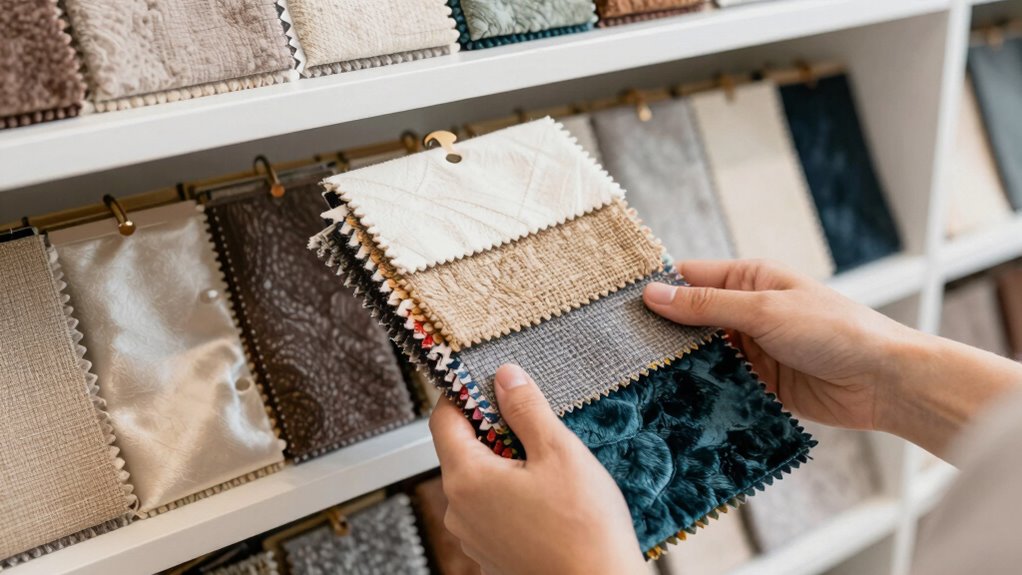

To shop for better materials without overcomplicating things, focus on simple, clear principles like choosing sustainable and durable options that suit your needs. Look for trusted labels or certifications to verify quality, and do some quick research on reputable brands beforehand. Keep your questions straightforward—Is it eco-friendly? Will it last? If you follow these easy guidelines, you’ll make smarter choices effortlessly. Want to learn more ways to simplify your material shopping? Keep going to discover even more tips.
Key Takeaways
- Focus on essential qualities like sustainability and durability, avoiding unnecessary technical details.
- Conduct quick research and read reviews to identify reputable, eco-friendly options.
- Use clear criteria: Is it sustainable? Will it last? Will it serve your purpose?
- Prioritize trusted brands with certifications (e.g., FSC, GOTS) for quality and ethics.
- Keep decisions simple to reduce stress and ensure practical, long-lasting material choices.
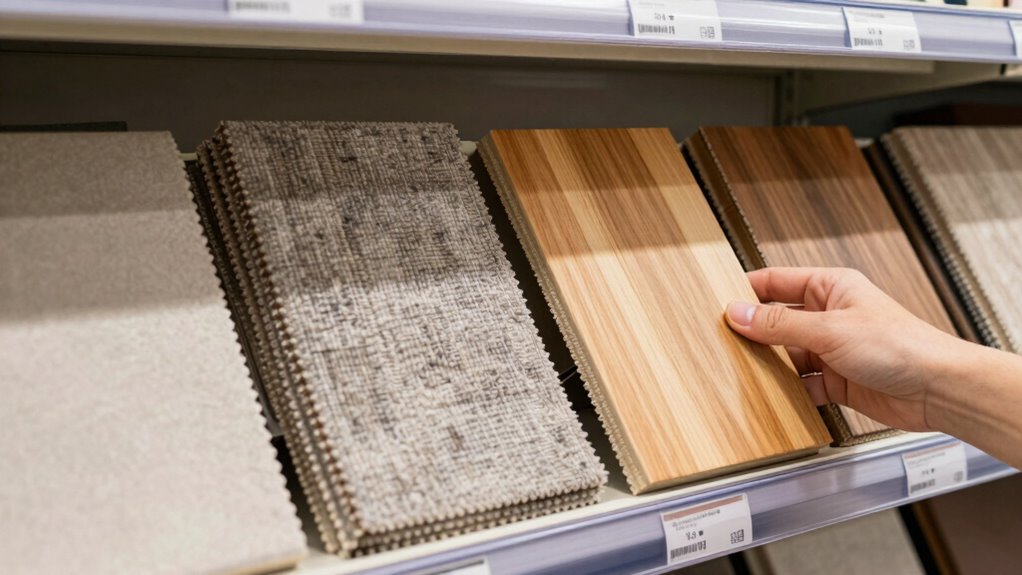
Are you tired of ending up with materials that don’t meet your expectations? It’s frustrating to invest time and money into supplies that fall short, but simplifying your approach to shopping can make a big difference. Start by focusing on sourcing sustainable materials whenever possible. This doesn’t mean you need to become an expert overnight; it simply means choosing options that are environmentally friendly and ethically produced. Look for labels or certifications that verify sustainability, like FSC for wood or GOTS for textiles. These markers help you quickly identify products that align with eco-conscious standards. By prioritizing sourcing sustainable materials, you not only support better environmental practices but often find that these products are of higher quality and better suited for long-term use.
Next, pay close attention to selecting durable materials. Durability is key to ensuring your projects stand the test of time, so avoid the temptation to choose the cheapest or most convenient options. Instead, ask yourself if the material can withstand regular wear and tear, environmental conditions, or the specific demands of your project. For example, if you’re working on outdoor furniture, opt for weather-resistant woods or metals rather than cheaper, fragile alternatives. When shopping, don’t hesitate to request detailed specifications or test samples if possible. This helps you gauge whether the material will stand up over time. Remember, investing in durable materials might cost a bit more upfront, but it pays off by reducing the need for replacements or repairs later.
Another way to simplify your shopping process is to do some quick research beforehand. Read reviews or seek advice from trusted sources to narrow down your options. Having a clear idea of what brands or products are reputable saves you from sifting through endless choices in-store or online. Keep a list of essential qualities you want—like eco-friendliness, durability, or ease of maintenance—and use that as your filter. This approach streamlines decision-making and keeps you focused on materials that truly meet your needs. Additionally, understanding family photoshoot fails and pet antics can help you avoid surprises during your project, ensuring your choices are practical and resilient.
Finally, don’t overcomplicate your choices with overly technical details if they aren’t relevant. Focus on the basics: Is it sustainable? Is it durable? Will it serve your purpose? When you keep your criteria straightforward, shopping becomes less overwhelming, and you’re more likely to end up with materials that satisfy your expectations. By making conscious decisions based on these simple principles, you’ll find that sourcing sustainable and selecting durable materials becomes a natural part of your process—less stressful, more satisfying, and ultimately more successful.

Kickleen 9 Pack Biodegradable Natural Dish Kitchen Sponges
- Natural, Biodegradable Materials: Made from cellulose and coconut fiber
- Eco-Friendly and Compostable: 100% plant-based kitchen sponge
- Long-lasting and Odor-resistant: Resists odors and stays fresh longer
As an affiliate, we earn on qualifying purchases.
As an affiliate, we earn on qualifying purchases.
Frequently Asked Questions
How Do I Identify High-Quality Materials Quickly?
To identify high-quality materials quickly, focus on material sourcing and check the supplier reputation. Look for reputable suppliers known for consistent quality, and ask for samples to inspect the material’s texture, color, and durability. Trust customer reviews and industry certifications to guarantee reliability. By prioritizing trusted sources and evaluating samples early, you save time and avoid overcomplicating your decision, ensuring you get the best materials efficiently.
What Mistakes Should I Avoid When Selecting Materials?
Imagine building a house on quicksand—choose the wrong materials, and your project could sink. Avoid rushing material sourcing, and don’t overlook supplier reliability. Don’t fall for shiny, low-quality options just because they seem appealing; instead, verify their durability and consistency. Also, steer clear of ignoring reviews or past experiences, as these reveal the true reliability of your suppliers, ensuring your project stays solid and on track.
Are There Cost-Effective Options for Premium Materials?
Yes, there are cost-effective options for premium materials. Focus on material sourcing by exploring local suppliers, which can reduce shipping costs. Compare prices and quality across vendors to find a balance that fits your budget considerations. Consider alternate materials that mimic premium features but are more affordable. Always ask for samples and reviews to guarantee you’re getting the best value without sacrificing quality, making your shopping more efficient and cost-effective.
How Can I Verify the Authenticity of Materials?
You can verify the authenticity of materials like a detective solving a mystery. Start with authenticity verification by examining labels, stamps, or serial numbers, and cross-check them with official sources. Request material certification from suppliers; reputable vendors will provide documentation proving their products meet industry standards. Trust your instincts and look for signs of authenticity—quality, consistency, and proper labeling—to guarantee you’re getting genuine materials without unnecessary hassle.
What Tools Can Simplify the Material Shopping Process?
You can simplify material shopping by leveraging digital tools like supplier relationship management software, which streamlines communication and order tracking. Use platforms that prioritize sustainable sourcing to easily identify eco-friendly options. Building strong relationships with trusted suppliers also reduces guesswork, making your process smoother. Additionally, check for certifications and reviews through these tools to verify quality quickly, saving you time and ensuring you get reliable, sustainable materials effortlessly.
Conclusion
Now that you know how to shop smarter for better materials, you’re equipped to navigate the process with confidence. Think of it as planting a garden—you’ll harvest quality results by choosing the right seeds and nurturing them carefully. Keep your eyes open, ask questions, and don’t rush. With patience and a keen eye, you’ll turn your projects into flourishing masterpieces, proving that good materials are the roots of great work.