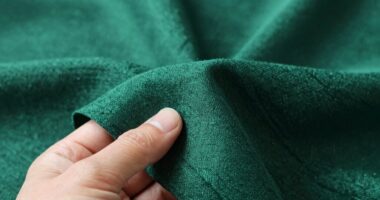
Building an eco-friendly wardrobe starts with a wardrobe audit. Check what you own and assess what’s usable or repairable. Choose sustainable materials like organic cotton and recycled textiles when shopping. Embrace second-hand options and invest in brands that prioritize ethical practices. Maintain your garments through mending and proper care to extend their life. By focusing on quality and timeless styles, you can create a sustainable closet that reflects your values. Discover more ideas and strategies for a greener wardrobe!

Get your wardrobe favorites delivered free with Prime
- Fast, free delivery on millions of items
- Prime Video, Amazon Music and more included
- Member-only deals all year
Key Takeaways
- Conduct a wardrobe audit to assess what you own and identify items for repair or recycling.
- Prioritize sustainable materials like organic cotton, hemp, and recycled fabrics when purchasing new clothing.
- Shop second-hand at thrift stores or consider renting clothing to minimize waste and reduce demand for fast fashion.
- Invest in high-quality, timeless pieces that will last longer and remain stylish over time.
- Practice mending and upcycling old garments to extend their life and reduce your overall fashion footprint.

Building an eco-friendly wardrobe is easier than you might think, especially when you focus on sustainable materials and ethical practices. Start by understanding what sustainable fashion means. It involves using materials that have a lower environmental impact, such as organic cotton, hemp, and linen, which require less water and fewer chemicals. You’ll also want to look for products made from recycled materials, like recycled polyester, which helps reduce plastic waste. Prioritizing brands that adhere to eco-friendly production methods, like minimizing water usage and chemical emissions, is essential in making better choices.
Next, it’s time for a wardrobe audit. Go through your existing clothes and assess what you have. Identify items that need repair or can be recycled. Organizing your clothing will help you understand what you already own and what you truly need, allowing you to maximize the use of your current wardrobe. Consider donating or recycling clothes that no longer serve you. Creating a strategy for gradually replacing fast fashion with sustainable options will set you on the path to a more ethical wardrobe.
When it comes to choosing sustainable materials, pay attention to the fibers you select. Stick to natural options like organic cotton, hemp, and linen, as these are more sustainable alternatives. Look for innovative textiles derived from waste, which can offer unique benefits. Avoid materials that shed microplastics during washing, and always check for certifications that guarantee sustainable sourcing and production.
Buying sustainable clothing doesn’t have to be a challenge. Explore second-hand shopping at thrift stores or consignment shops, which reduce the need for new production. Invest in sustainable brands that prioritize environmental responsibility and ethical practices. Renting clothing for special occasions is another great way to lower your impact. Focus on quality over quantity, opting for well-made pieces that stand the test of time, and choose timeless styles that won’t quickly go out of fashion.
Maintenance is key to extending the life of your garments. Practice mending clothes instead of discarding them, and follow care instructions to keep them in good shape. Upcycling and repurposing old fabrics can turn waste into useful items. Encourage a culture of repair and reuse, which helps combat the throwaway mentality.
Popular right now

De'Longhi Classic Signature Espresso Machine

TCL 85-Inch QM64L QD-Mini LED 4K Smart Fire TV

De’Longhi La Specialista Touch Semi-Automatic Espresso Machine with Grinder
As an affiliate, we earn on qualifying purchases.
Frequently Asked Questions
What Materials Are Considered Truly Eco-Friendly for Clothing?
When considering truly eco-friendly materials for clothing, look for organic and recycled cotton, hemp, and linen.
These fabrics minimize environmental impact by reducing chemicals and water usage.
Lyocell, made from wood pulp, is biodegradable and produced sustainably.
Also, be aware of production processes; Tencel’s closed-loop system is ideal.
Opt for natural fibers to reduce microplastic release and support organic farming for healthier soil.
Choosing these materials helps protect the planet.
How Do I Care for Eco-Friendly Fabrics?
Imagine you’ve just bought a beautiful hemp shirt.
To care for it, wash it in cold water with a biodegradable detergent to preserve its color and reduce energy use.
Avoid frequent washes; instead, air dry it to maintain its shape and longevity.
Inspect it regularly for damage, and mend any small tears.
These simple steps keep your eco-friendly fabrics looking great while minimizing your environmental impact.
Are Thrifted Clothes Considered Eco-Friendly?
Yes, thrifted clothes are considered eco-friendly!
When you buy second-hand, you’re reducing textile waste and keeping items out of landfills. You’re also lowering carbon emissions since less demand for new products means fewer resources are used in manufacturing.
Plus, thrifting promotes a circular economy, allowing clothes to have new lives. By choosing thrifted items, you’re supporting sustainable practices and making a positive impact on the environment.
Can I Recycle Old Clothes Responsibly?
You’ve got a pile of worn-out clothes, each piece telling a story, yet they’re destined for the landfill.
But wait—there’s hope! You can recycle them responsibly.
Sort your items; donate those in good condition, while recycling the rest at local facilities or through retailer programs.
By taking this action, you breathe new life into old fabrics, supporting a sustainable future and reducing waste.
Your choices make a difference, so let’s get started!
How Do I Identify Sustainable Brands?
To identify sustainable brands, check their use of eco-friendly materials like organic cotton or recycled fibers.
Look for certifications that guarantee ethical practices and fair labor conditions.
Research the brand’s transparency regarding its supply chain and production methods, ensuring they’re accountable for their environmental impact.
Finally, evaluate their commitment to reducing waste and carbon emissions.
Conclusion
Building an eco-friendly wardrobe isn’t just about clothes; it’s about making a statement for the planet. Remember, “What goes around comes around.” By choosing sustainable materials and supporting ethical brands, you’re not only enhancing your style but also contributing to a healthier Earth. It might take time, but each thoughtful choice you make helps create a brighter future. So, step forward with confidence and let your wardrobe reflect your commitment to sustainability!