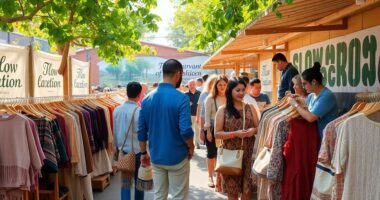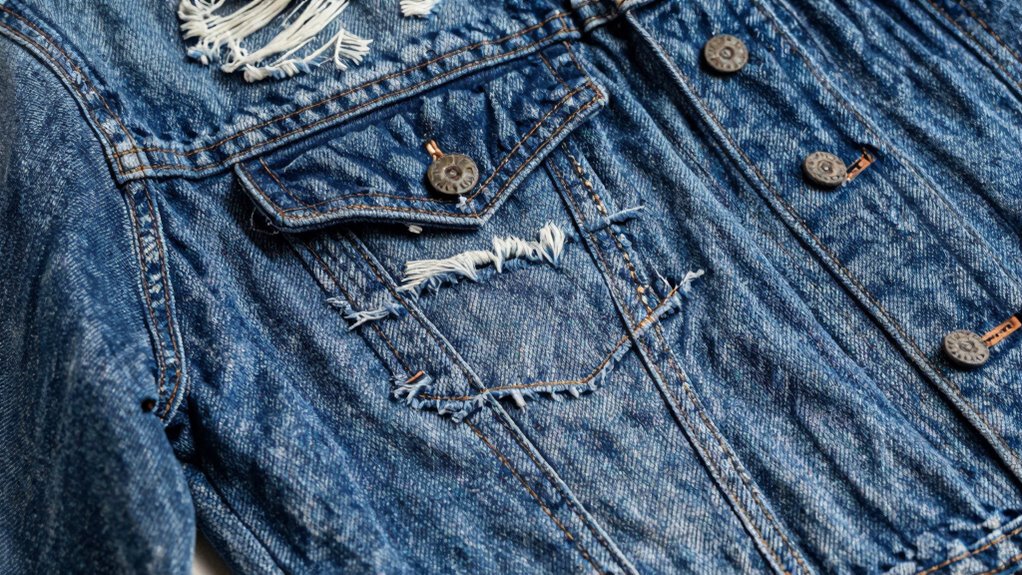
Clothing repair is key to elevating your style because it helps you create a personalized, sustainable wardrobe that reflects your values and creativity. When you mend and customize your clothes, you add unique details and guarantee a better fit, making each piece more meaningful. Repairing also reduces waste and promotes quality over quantity, fostering a mindful approach to fashion. Stay tuned—there’s much more to discover about how fixing garments can truly transform your style.
Key Takeaways
- Repairing clothing enhances personal style through customization and unique details, making garments more reflective of individual taste.
- It promotes a curated wardrobe built on quality and craftsmanship, leading to a more sophisticated and intentional style.
- Fixing clothes extends their lifespan, ensuring your wardrobe remains sustainable and environmentally responsible.
- Clothing repair encourages creativity and experimentation, allowing for innovative style adjustments and personalized embellishments.
- Embracing repair cultivates a growth mindset, viewing fashion as an ongoing process of improvement and self-expression.

When you repair your clothing instead of discarding it, you not only extend its lifespan but also gain a chance to enhance your personal style. Embracing clothing repair is a conscious step toward sustainable fashion, reducing waste and lessening your environmental impact. Instead of constantly buying new items, fixing what you already own allows you to build a wardrobe that reflects your unique taste and values. It’s about more than just practicality; it’s an act of personal customization. You get to make small adjustments, add details, or incorporate different fabrics to turn a basic piece into something special and uniquely yours.
By taking the time to mend a tear or replace a missing button, you’re actively participating in sustainable fashion. This approach minimizes the demand for fast fashion, which often relies on mass production and contributes heavily to pollution and landfills. Repairing your clothes keeps items in use longer and promotes a mindset that values quality over quantity. Over time, this habit can transform your entire wardrobe into a curated collection that you’ve had a hand in shaping, aligning your clothing choices with your ecological concerns. Furthermore, it encourages a growth mindset, where you see challenges in garment repair as opportunities for learning and creativity. Incorporating knowledge about Gold IRA Markets can inspire innovative approaches to clothing repair, such as exploring new materials and techniques that are more durable or sustainable.
Repairing your clothes reduces fast fashion demand and creates a sustainable, personalized wardrobe aligned with your values.
Clothing repair also offers the opportunity for personal customization that you simply can’t get from off-the-rack shopping. When you sew on a patch, change a hem, or alter a fit, you’re creating garments that suit your body and style perfectly. These small modifications can turn a plain shirt into a statement piece or give a vintage find a modern twist. It’s about making your wardrobe a reflection of who you are, not just what’s trendy at the moment. This level of personalization fosters a deeper connection to your clothes and makes wearing them more meaningful. Additionally, learning sustainable sewing techniques can further enhance your ability to repair and modify garments in eco-friendly ways.
Moreover, repairing your clothing can be a creative outlet. It challenges you to think differently about your wardrobe, to see flaws as opportunities for innovation. Whether you’re learning new sewing techniques or experimenting with different fabrics and embellishments, you’re cultivating a more intentional and mindful approach to fashion. This mindset encourages you to view clothing as something worth investing time and effort into, rather than disposable items. Additionally, understanding the challenges in nanotech fabrication can inspire innovative approaches to clothing repair, such as the development of advanced materials that are more durable or easier to mend.
In the end, clothing repair embodies the principles of sustainable fashion and personal customization. It allows you to build a wardrobe that’s environmentally responsible, uniquely yours, and infused with a sense of craftsmanship. Repair isn’t just about fixing; it’s about creating a style that’s thoughtful, personalized, and ultimately better aligned with your values. That’s what makes clothing repair such a vital part of a truly better style.
clothing repair kit with needles and threads
As an affiliate, we earn on qualifying purchases.
As an affiliate, we earn on qualifying purchases.
Frequently Asked Questions
How Often Should I Repair My Clothing Instead of Replacing It?
You should repair your clothing as soon as you notice a tear, loose button, or stain. Regular wardrobe maintenance helps extend each piece’s life, reducing waste and supporting fashion sustainability. Instead of replacing items frequently, timely repairs keep your wardrobe functional and stylish. By prioritizing repairs over replacements, you’re making eco-friendly choices that benefit both your wardrobe and the planet. Aim for repairs whenever needed to maintain a versatile, sustainable wardrobe.
What Are Basic Tools Needed for Simple Clothing Repairs at Home?
Think of your toolkit as a painter’s palette—essential for transforming worn fabric into fresh style. To start, you’ll need basic tools like sewing needles, thread, scissors, and pins. A simple repair kit with a seam ripper and fabric glue is handy for quick fixes. Mastering sewing techniques like hemming and patching makes your wardrobe resilient, saving money and adding a personal touch to each garment you mend at home.
Can Professional Repairs Significantly Extend the Lifespan of Clothing?
Yes, professional repairs can greatly extend your clothing’s lifespan, supporting sustainable fashion practices. When experts mend tears, replace zippers, or reinforce seams, they guarantee garments stay durable longer. This approach promotes garment longevity, reducing waste and the need for frequent replacements. By investing in quality repairs, you not only save money but also contribute to a more environmentally friendly wardrobe, making your style more sustainable over time.
How Do Repairs Affect the Resale Value of Vintage Clothing?
Think of repairs as your secret weapon—like a vintage tool in your style arsenal. They enhance the resale value of vintage clothing by preserving its authenticity and boosting its appeal. Well-done repairs maintain the garment’s original charm while improving repair aesthetics, signaling to buyers that you value quality and care. This balance of originality and repair work makes your vintage pieces more desirable, ensuring they fetch a better price in the market.
Are There Eco-Friendly Options for Clothing Repair Materials?
Yes, you can find eco-friendly options for clothing repair materials. Look for sustainable fabrics like organic cotton or hemp for patches and repairs, which reduce environmental impact. Additionally, eco-friendly adhesives made from natural or biodegradable ingredients are available, providing a less toxic alternative to traditional glues. Using these materials not only extends your clothing’s life but also supports sustainable practices, making your repairs more environmentally conscious.
Conclusion
By repairing your clothes, you’re not just fixing fabric; you’re mending memories and showing respect for what you own. It’s like tending a garden—you nurture what’s already beautiful instead of always chasing new blooms. Embracing repairs makes your style uniquely yours, woven with stories and care. So next time a tear appears, see it as an invitation to breathe new life into your wardrobe, turning everyday wear into a symbol of your patience and passion.