
TL;DR

Get your wardrobe favorites delivered free — and shop member deals
- Fast, free delivery on millions of items
- Access to Prime Big Deal Days deals on October 6–7
- Prime Video, Amazon Music and more included
Women’s fall fashion accessories work best when they balance warmth, weather readiness, and personal style. Start with comfortable footwear, a versatile bag, and a scarf or gloves suited to your climate, then use color and texture to make familiar outfits feel fresh.
The first cold morning of fall can catch you in a light jacket, summer shoes, and a bag that suddenly feels too small. A few well-chosen accessories can fix the mismatch: warm your hands, handle a drizzly commute, and make the clothes you already love feel ready for the season.
Women’s fall fashion accessories are most useful when they do more than look seasonal. The right scarf can soften a coat and double as a wrap; comfortable boots can handle a long walk as well as a dinner reservation. The goal isn’t to buy a complete new wardrobe, but to pick pieces that work with your real routines.
This guide walks you through the pieces worth reaching for, how to choose colors and textures, and what to check before you buy. You’ll also find practical advice for rain, cold, commuting, and personal style—because what matters most is whether an accessory makes your day easier and your outfit feel like yours.
Start with footwear, a useful bag, a scarf, and gloves suited to your routine and local weather.
Test an accessory against at least three outfits before buying to gauge how often you’ll use it.
Use color or texture to add interest; a leather bag and wool coat can create contrast without a bold print.
Check shoe comfort, traction, material care, and brand-specific sizing before you commit.
Spend according to expected wear: prioritize comfort and construction for everyday pieces, and keep trend experiments flexible.
Start with four accessories that earn their closet space
Women’s fall fashion accessories are easiest to choose when you start with four everyday jobs: keep your feet comfortable, carry what you need, add a warm layer, and protect your hands from the weather. A sturdy pair of boots, a useful bag, a scarf, and gloves cover many fall routines without asking you to buy a separate item for every outfit.
Think about a Tuesday with an early bus, a walk across a windy parking lot, and a quick grocery stop on the way home. An ankle boot with a grippy sole, a crossbody bag that leaves your hands free, and a soft scarf can serve you throughout the day. On a dry, mild afternoon, you may leave the gloves at home; on a colder commute, they become the difference between comfortable and distracted.
Each piece solves a slightly different problem, so the best choices depend on what your day asks of you. A roomy tote carries more, but can feel heavy on one shoulder; a crossbody distributes the load and keeps your hands free, but may not fit a laptop. Boots with deeper tread offer more confidence on wet leaves, though they may look bulkier than a sleek loafer. Thinking through these tradeoffs helps you choose for actual use instead of buying an item that looks right but frustrates you by midday.
Choose the pieces around your life, not a generic checklist. If you walk several miles, prioritize supportive footwear and a bag that sits comfortably on your shoulder. If you drive to work and spend most of the day indoors, a lighter scarf and polished tote may get more use than insulated accessories.
- Footwear: Check comfort, traction, and weather suitability.
- Bag: Match its size and carrying style to your daily essentials.
- Scarf: Choose a fabric and shape you can wear more than one way.
- Gloves: Look for warmth that fits your commute and phone habits.
These are starting points, not rules. A beanie, belt, hat, or sunglasses may become a more frequent favorite depending on your climate and routine. The point is to identify what you reach for repeatedly, then invest in the features that make those pieces comfortable and dependable.
women's fall leather crossbody bag
As an affiliate, we earn on qualifying purchases.
As an affiliate, we earn on qualifying purchases.
Choose colors and textures that make familiar outfits feel new
For an easy fall palette, combine one or two colors you already wear with a seasonal shade or a contrasting texture. Brown, burgundy, olive, navy, camel, deep red, black, and gray pair well with many wardrobes, but lighter neutrals and brighter colors can look just as at home in autumn.
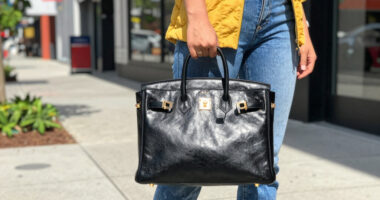
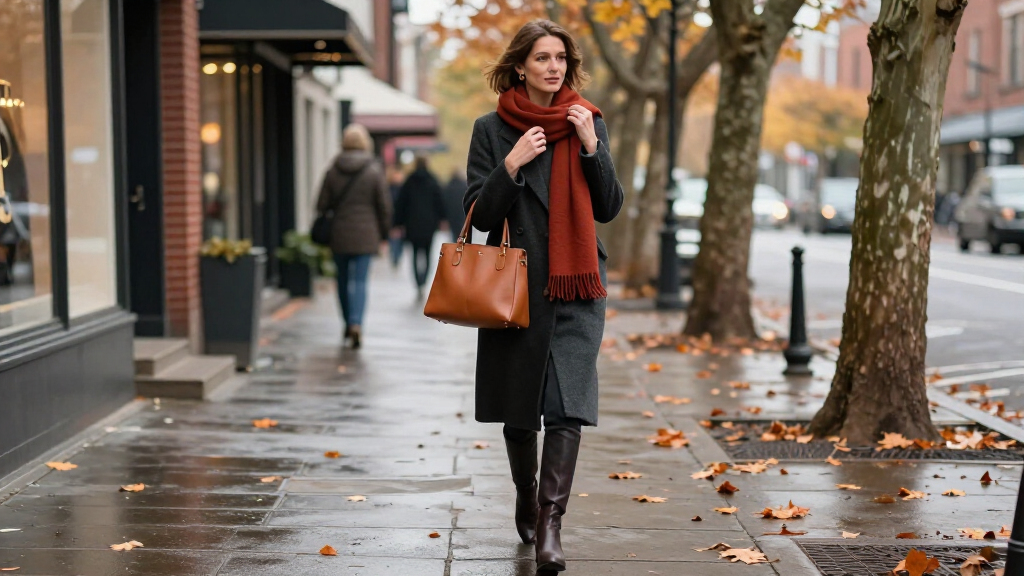
Picture a simple outfit: dark jeans, a gray sweater, and a black coat. A burgundy scarf adds a clear color note, while a smooth leather bag beside a wool coat creates interest through texture instead. The second option is quieter, but it still makes the outfit feel considered. Fall accessories combine most naturally when one piece supplies color and another adds texture, rather than every item competing for attention.
Color and texture are useful because they refresh clothes you already own without requiring a new outfit. A single accent can draw the eye, while a difference in surface—smooth against nubby, matte against slight shine—adds depth more subtly. The tradeoff is that a highly distinctive color or texture may be harder to repeat across outfits. That can be worthwhile if you love it, but a versatile neutral or tactile piece is often the easier everyday choice.
Use this quick approach before buying: lay the accessory beside three items you own. If a camel tote works with your navy coat, olive jacket, and cream sweater, it has a better chance of regular use than a bright bag that matches only one outfit. That doesn’t make the bright bag a bad choice; it just gives you a clearer sense of how often you’ll carry it.
- For a quiet look: Try tonal shades, such as camel with tan and cream.
- For contrast: Pair a deep neutral outfit with a brighter scarf or bag.
- For texture: Combine smooth leather, soft wool, brushed fabric, or chunky knit.
Seasonal colors are suggestions, not a dress code. A pale blue bag or a favorite summer-colored scarf can brighten a gray, rainy afternoon beautifully. If the piece feels like you and works with the layers you wear, it doesn’t need to match a conventional fall palette.
Pick a scarf that stays warm without bunching under your coat
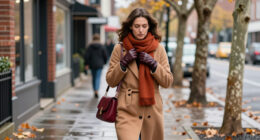
A scarf feels comfortable under a coat when its fabric, length, and knot suit the layers you’re wearing. Soft wool, cashmere, and warm blends can provide insulation, while a large wrap gives you another option: drape it over your shoulders indoors or on a cool evening.
Fabric weight affects more than warmth. A thick scarf traps more heat, but takes up space at the neckline and can feel restrictive beneath a fitted coat. A lighter scarf is easier to layer and carry, though it may not be enough on a windy commute. The right balance depends on whether you want one scarf for changing conditions or separate options for mild and cold days.
If a thick scarf keeps pressing against your chin, try a lighter fabric or a simple loop rather than wrapping it several times. For instance, wear a medium-weight scarf loose over an open coat on a mild day, then tuck the ends inside when wind picks up. With a high-neck sweater, a compact knot often feels less crowded than a bulky wrap. The point is comfort, not mastering a complicated tying trick.
Before you buy, check the scarf’s dimensions and care label. A generous wrap can be versatile, but it may feel cumbersome on a packed train; a narrower scarf can fit neatly beneath a tailored coat. If wool feels scratchy against your skin, look for a softer blend or try the fabric at your neck before committing. Also consider whether you’ll realistically hand-wash a delicate fabric: a scarf that needs special care may see less use if your routine calls for easy maintenance.
- Match the weight to your local temperatures and coat.
- Test the bulk by wearing it with the sweater or jacket you use most.
- Check care instructions so cleaning won’t turn into a chore.
- Try two wears: one loose for mild weather, one tucked for wind.
For example, a large olive wrap can warm your shoulders during an outdoor café visit, then fold into a tote when the sun comes out. That versatility often matters more than a dramatic pattern you wear once, especially if you want a small collection to cover several kinds of fall days.
Compare fall shoes by weather, comfort, and where you go
The best fall footwear depends on the surfaces you walk, the weather you face, and how long you stay on your feet. Ankle boots, knee-high boots, loafers, and weather-resistant shoes can all work well, but a sleek sole meant for dry sidewalks may feel slippery on wet leaves.
Imagine two mornings: one is crisp and dry, the other brings steady rain and a long walk from the train. Loafers may feel right on the first; on the second, boots with better traction and materials suited to wet conditions can make the commute more comfortable. Look at the sole, fit, and care instructions alongside the color and shape. A beautiful shoe you avoid because it rubs is not earning closet space.
There is no single shoe that performs equally well in every setting. A lighter, polished style may suit an office and stay comfortable indoors, but offer less protection outdoors; a weather-ready boot may handle a wet commute yet feel warm or heavy once you’re inside. If you regularly move between those conditions, consider whether one versatile pair is enough or whether a change of shoes would be more comfortable. That tradeoff can help you avoid demanding that one pair do everything.
| Footwear | Works well for | Check before buying |
|---|---|---|
| Ankle boots | Everyday outfits and changing temperatures | Fit around the ankle, sole grip, and rain care |
| Knee-high boots | Extra coverage with dresses, skirts, or slim trousers | Comfort when sitting and room for your preferred socks |
| Loafers | Dry days, offices, and polished casual outfits | Traction and whether they rub at the heel |
| Weather-resistant shoes | Rainy walks and practical commutes | Breathability, weight, and cleaning needs |
Try shoes later in the day if your feet tend to swell, and wear the socks you expect to use. If you’re shopping online, check the return policy and remember that sizing varies by brand; don’t assume your usual number will fit every label. A short try-on at home can also reveal pressure points that are easy to miss while standing briefly in a store.
Choose bags, belts, and jewelry for polish without fuss
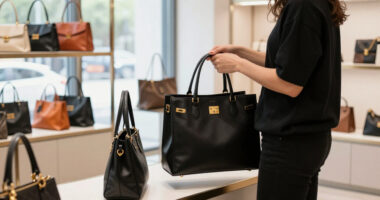
A bag, belt, or piece of jewelry can make a simple fall outfit feel finished without changing its basic shape. Choose a bag by how you carry your day: a roomy tote for a notebook and lunch, a structured shoulder bag for a more polished feel, or a hands-free crossbody for errands and travel.
The choice affects how an accessory feels after hours of use, not just how it looks in a mirror. A tote can keep work and personal items together, but its weight may pull on one shoulder; a crossbody spreads the load and frees your hands, but the strap can feel awkward over a bulky coat. A structured bag keeps its shape, while a softer bag may be easier to pack but less protective. Think about the items you carry and how you move through your day before choosing between them.
For example, a navy sweater dress and boots can go from a work meeting to dinner with a belt that defines the waist and small sculptural earrings that catch the light. If you prefer a relaxed silhouette, leave the dress loose and add a compact crossbody instead. Neither choice is more correct; the useful question is whether you feel comfortable and can move through your day without adjusting your outfit every few minutes.
Belts work over dresses, coats, and oversized knits, but width and placement affect how they feel. A wide belt can define a shape clearly, though it may limit movement or bunch a thick layer; a narrow belt adds a subtler line but may disappear over a heavy sweater. Try one over the actual layer you plan to wear, especially if the coat is thick. For jewelry, hoops, chains, and gold- or silver-tone pieces can add a small gleam against wool and chunky knits. You can also keep a lighter, delicate piece in the mix; autumn doesn’t require every accessory to look heavy.
When you want to style with practicality, pay attention to closures, strap comfort, and storage. A bag that holds your keys in an outside pocket may save you a daily rummage; a secure zipper is handy on a crowded commute. These tiny details matter after the first day, when the shine of a new accessory has worn off and you’re simply using it. They also influence whether you’ll keep carrying the item, so useful details are part of style rather than an afterthought.
Dress for rain, changing temperatures, and your own routine
Cooler weather calls for accessories that adapt, not just pieces that look warm in a photograph. Gloves, hats, sunglasses, and weather-ready bags each solve a different problem: gloves keep hands comfortable, a beanie or wool hat adds warmth, sunglasses help with low autumn sun, and a bag made for your conditions can protect what you carry.
Climate changes the shopping list. In a rainy city, a compact umbrella, shoes suited to wet pavement, and a bag that handles a damp commute may matter more than a thick wool hat. In a colder, drier region, insulated gloves and a warm scarf may get daily use. If you commute by bike, consider whether your gloves allow a secure grip; if you drive, touchscreen-compatible fingertips may be more convenient than taking them off to answer a message.
Practicality involves tradeoffs between protection, comfort, and care. A water-resistant finish may help with a light shower, but it doesn’t necessarily make a bag waterproof; a fully protective option can be heavier or less breathable. Insulated gloves retain warmth, yet can make small tasks less convenient. Decide which conditions you need to handle most often, rather than paying extra for features you rarely use or expecting a lightweight accessory to withstand severe weather.
Materials come with tradeoffs. Leather and suede have distinct textures, but their care needs differ; knit pieces can feel soft and pack easily, while a felt hat may need room in your bag to avoid getting crushed. Check care labels and product descriptions, especially when a brand uses terms such as recycled or lower-impact. Ask what portion of the item uses that material and whether the maker gives clear durability and care details.
Buy for the weather you actually meet. A beautifully colored suede bag is a poor everyday pick if your commute regularly involves heavy rain and you don’t want to maintain it.
That doesn’t mean you must avoid delicate materials. It means you can reserve them for dry days and choose a tougher everyday piece for rougher weather. Separating those jobs can help you enjoy the distinctive accessory without relying on it in conditions that shorten its useful life.
Spend where comfort and repeat wear matter most
Spend more attention—and, if your budget allows, more money—on accessories that affect comfort or see frequent use. Boots, daily bags, and winter gloves often benefit from a careful fit and construction check, while a colorful scarf or trend-led earring can be a lower-cost way to experiment.
Think of a commuter who wears the same boots four days a week from October through March. A comfortable fit, dependable sole, and repair options may matter more to her than a seasonal detail that will feel dated by January. Another shopper may work from home and wear boots only occasionally; she could put more of her budget toward a warm wrap or a bag she uses for errands and weekend trips. The right choice depends on wear, not a universal price rule.
Price alone doesn’t guarantee durability, and a low-cost item isn’t automatically poor value. The useful comparison is what you pay against how often you expect to use the piece, whether it performs its job, and what maintenance or repairs it may need. Paying more for a comfortable boot that lasts through frequent walks can make sense; paying extra for a delicate finish that doesn’t fit your weather or routine may not.
Before paying, inspect stitching, closures, lining, sole attachment, and the care label. Look for pieces that can be repaired or cleaned without special effort. Secondhand shops can be a good place to find leather bags, wool scarves, and distinctive jewelry, but check seams, zippers, odors, and signs of wear in person when possible.
- Invest first in comfort, useful construction, and weather suitability.
- Buy selectively when a piece only works with one outfit.
- Check secondhand items for repairs, stains, and working closures.
- Keep personal style in the mix; a practical piece should still feel like you.
For pieces that will see frequent use, versatility is a form of value. A well-chosen tote may serve office days, grocery trips, and train travel; a one-night statement bag may still be worth owning if you love it, but it fills a different job. Thinking in terms of cost per use can clarify the difference without treating every purchase as an investment calculation.
Frequently Asked Questions
What accessories are most useful for a fall wardrobe?
Start with comfortable shoes or boots, a bag that fits your daily essentials, a scarf, and gloves suited to your climate. A hat, belt, or jewelry can round things out if you already know you’ll wear it. Choose based on your routine rather than a fixed checklist.
Which fall accessory colors go with the most outfits?
Black, brown, navy, camel, gray, and olive often coordinate easily with everyday clothes, while burgundy or deep red can add a stronger seasonal accent. Your best neutral depends on the colors you already wear. Lay a bag or scarf beside three outfits before buying to see how often it fits.
How can I wear a scarf without adding too much bulk?
Choose a lighter or narrower scarf, then wear it loose or tuck the ends inside your coat instead of wrapping it several times. Try it with your usual sweater and jacket before deciding. A large wrap works well as a shoulder layer, but may feel cumbersome on a packed commute.
What shoes work best for rainy fall weather?
Look for shoes or boots with traction and materials suited to wet conditions, then check the care instructions. A smooth sole may be fine for dry office days but feel slippery on wet leaves. Fit matters too, and sizing varies by brand, so check the retailer’s guidance and return policy.
Can I wear light colors and summer accessories in fall?
Yes. A pale bag, bright scarf, or lighter neutral can bring welcome contrast to dark coats and cloudy days. Try pairing the color with a fall texture, such as a knit sweater or wool coat, so the outfit feels connected to the season without following a strict palette.
Conclusion
Choose fall accessories by starting with your real week: the walk to work, the rainy errand, the chilly evening, and the outfits already hanging in your closet. A comfortable pair of shoes, a useful bag, and one adaptable warm layer can do more than a pile of pieces that only match a single look.
Buy for use, then add personality. The best fall accessory is the one you reach for on a blustery morning without thinking—and still enjoy seeing in the mirror when the clouds part.
Halloween Picks
halloween
As an affiliate, we earn on qualifying purchases.