
TL;DR
Stylish fall handbags pair autumn colors and tactile materials with shapes that suit your routine, from roomy totes for workdays to hands-free crossbodies for commuting. Start with what you carry, check how a strap fits over a coat, and choose a material that can handle your weather; sizing varies by brand, so compare the bag’s measurements with your daily essentials.
The first cold morning can turn a simple errand into a juggling act: phone in one hand, gloves in the other, and a bag strap sliding off your coat. A good fall handbag gives those little necessities a home while adding a warm note of color, shape, or texture to the layers you already wear.

Get your wardrobe favorites delivered free with Prime
- Fast, free delivery on millions of items
- Prime Video, Amazon Music and more included
- Member-only deals all year
This guide helps you choose stylish fall handbags for your actual routine, whether that means a packed commute, school pickup, weekend market, or dinner out. You’ll see which shapes and materials suit different days, how to build outfits around a seasonal color, and what to check before buying so your new bag feels as useful as it looks.
Choose a shape around your daily carry: tote for extra capacity, crossbody for hands-free days, or a compact shoulder bag for lighter outings.
Test a new bag against three outfits you already wear, including your usual fall coat.
Compare listed dimensions with your phone, wallet, water bottle, and other regular essentials; sizing varies by brand.
Match the material to your weather and care preferences, especially if you’re choosing suede for rainy days.
Check bag weight, strap adjustment, closure, and care instructions before buying.
Choose a bag shape that fits the way your day unfolds
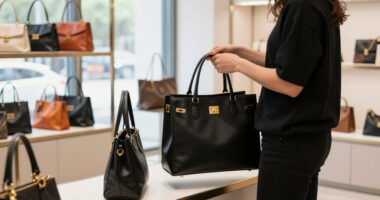
Stylish fall handbags work best when their shape matches the job you ask them to do: a tote carries more, a crossbody frees your hands, and a structured shoulder bag brings a polished finish. These choices affect how your day feels, not just how an outfit looks. Extra capacity can prevent the hassle of carrying a second bag, but it can also encourage you to pack unnecessary items and carry more weight. A smaller bag limits that weight, yet may force you to leave behind something you rely on. Choose based on what you need during the hours you’ll be out, rather than a universal idea of the right handbag size.
For a workday with a notebook, charger, and lunch, a roomy tote or east-west bag gives you space without requiring a second carryall. That space is most useful when it replaces another bag; if it merely invites extra things, the added weight can cancel out the convenience. A large open interior can also make small items harder to find, so pockets or a secure closure help turn capacity into usable organization. If you move between a train, a coffee stop, and a crowded sidewalk, an adjustable crossbody keeps your hands free and distributes the load across your body. Check that its strap sits comfortably over a coat and that the bag doesn’t swing into your side as you walk, since awkward movement can make a hands-free bag feel like another thing to manage. A medium top-handle bag can suit a day when you only need a wallet, phone, keys, and a small pouch, though carrying it by hand may be less comfortable when you also have gloves or shopping.
Use your things as a measuring guide. Put your wallet, phone, water bottle, and any tablet you carry on a table, then check the bag’s listed dimensions against them. Interior dimensions may be smaller than exterior measurements, and a rigid shape can make a bag harder to pack even when its measurements look ample. A bag that fits everything only when items are arranged precisely may become frustrating when you’re in a hurry. Try the strap over your thickest coat; winter layers change the available strap length and where the bag sits, and sizing varies by brand.
Imagine taking the same bag from an office desk to a grocery run. A satchel with a secure closure and an optional shoulder strap can handle both more comfortably than a tiny occasion bag, because it can hold work essentials and adapt when your hands are occupied. Still, a structured satchel may feel restrictive if you need to add bulky items during the day. Consider whether your routine is predictable or often changes: a little spare room can be useful for changing plans, while a more compact bag can keep a regular commute lighter. The right shape supports your actual day without making you carry avoidable weight or search through empty space.
Popular right now

Sony WH-1000XM6 Wireless Noise-Cancelling Headphones – Midnight Blue

Vitamix 5200 Professional-Grade Blender, 64 oz. Container, Black

Dyson V15 Detect Cordless Stick Vacuum
As an affiliate, we earn on qualifying purchases.
Use fall colors to make layers feel pulled together
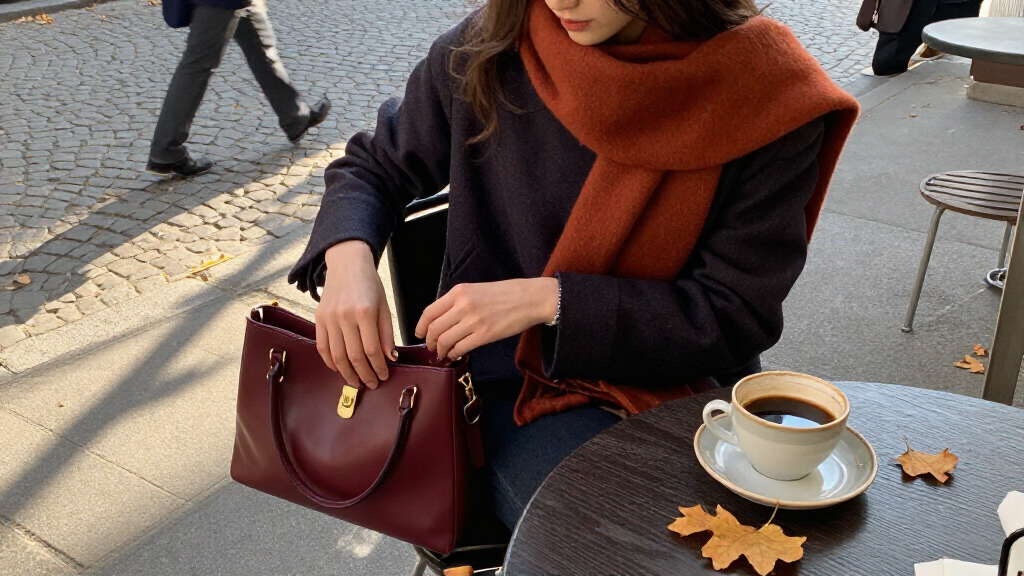
Fall handbags bring an outfit together most easily when their color relates to something you already wear: a coat, boots, scarf, or belt. Burgundy, chocolate brown, camel, olive, forest green, navy, and deep red all sit naturally beside autumn layers, while black and tan remain dependable year-round choices. A familiar neutral tends to work across more outfits, which makes it a practical choice if you want one everyday bag. A stronger seasonal shade can make simple layers feel more considered and add variety to a small wardrobe, though it may be less useful if it clashes with the coats you wear most. The choice is a balance between reach and impact.
Think of a bag as the punctuation at the end of an outfit. A camel satchel can warm up a navy coat and dark jeans; a burgundy shoulder bag can add a single rich note to a gray sweater and black trousers. If you prefer a brighter statement, let the bag lead and keep the rest of your outfit simple. Repeating a color elsewhere can make the look feel cohesive, but too many matching accents may make it feel overly coordinated; one echo, such as a scarf stripe, often gives the eye a connection without making the outfit feel planned around a set.
Before buying, try the wardrobe test: name three outfits you already wear that could work with the bag. For example, an olive crossbody might suit your cream knit, denim jacket, and brown boots, as well as your black raincoat. If you can picture it only with one special outfit, it may spend more time on a shelf than on your shoulder. This test makes the difference between liking a color in isolation and choosing one that earns regular use. It can also show whether a distinctive shade expands your existing outfits or creates pressure to buy more pieces to match it.
A summer bag can still work in fall. A light-colored bag can look crisp against a dark coat, provided its material and construction suit the weather. Color is a styling tool, not a seasonal rulebook; wear the shades that make you feel at home in your clothes. Looking at your existing wardrobe first helps you avoid a bag that seems versatile in a product photo but requires several new pieces before it feels wearable.
Pick materials that suit your weather and care habits
Fall handbag materials shape how a bag feels, looks, and handles your local weather. Suede has a soft, brushed surface that adds depth to knitwear and wool, while pebbled leather hides small scuffs more easily than a smooth finish. Treated leather and some easy-care alternatives may suit frequent rain better, though care instructions differ by product. These differences matter because a material you love visually may become a source of worry if your routine exposes it to conditions it handles poorly. The practical choice depends on how often you encounter wet weather and how much upkeep you’re willing to do: a delicate finish can be rewarding if you use it selectively, but frustrating if it needs constant protection.
Picture a walk across town on a drizzly Tuesday. A suede bag can pick up water spots, so you may want to save it for dry days or use a maker-approved protective product. A treated leather crossbody may be less fussy for the same trip, especially if you wipe away splashes promptly and let it dry away from direct heat. “Treated” does not necessarily mean waterproof, so check the product guidance before relying on it in heavy rain. If your commute regularly exposes your belongings to prolonged rain, a cover or a separate weather-ready bag may reduce the risk of damaging a finish you otherwise enjoy. That extra step only makes sense if you’ll actually carry it; choosing a material suited to your usual conditions may be easier than relying on protection every day.
Texture can make a familiar silhouette feel seasonal without a loud print. A quilted finish, woven surface, or subtle contrast stitching adds interest to a plain black coat. Those details also affect upkeep: a woven or quilted surface may collect dirt in creases that take more effort to clean, so the visual detail comes with a small maintenance tradeoff. Check the bag’s weight when empty, too. Hardware and thick materials can make a full bag feel heavy after a long commute, which means an attractive, durable finish may still be uncomfortable if the bag already starts heavy before you pack it.
Care claims deserve a close read. If a brand describes a bag as recycled or lower impact, look for specific details about its materials, construction, repair options, and resale. Those details help you judge what the claim means and whether the bag is likely to serve you for years; a broad label alone can’t tell you how long it will last or what care it needs. A well-loved secondhand bag can offer a distinctive finish and extend the use of an existing item, though its condition and care history may be uncertain. Inspect seams, handles, closures, and worn areas so you can weigh the lower price against likely repairs and decide whether the bag’s remaining life suits your needs.
Style one fall handbag from work to the weekend
Fall handbags are easier to style across a busy week when you build around one versatile shape and change the outfit around it. A medium shoulder bag or crossbody in a neutral shade can move from errands to dinner, while a brighter seasonal color can give familiar basics a new focal point. One bag can save time because you don’t have to transfer essentials between bags, but that convenience depends on whether its size and strap work in both settings. A bag practical for commuting may feel bulky at dinner, especially if you want somewhere easy to set it down. Think about where you’ll carry it, how it rests when seated, and whether hands-free carry matters in each part of your week.
Take a chocolate-brown shoulder bag with a short strap. On Monday, wear it with a charcoal coat, straight-leg trousers, and ankle boots; on Saturday, carry it with a denim jacket and a cream sweater. The same bag connects both outfits through its warm color without making them feel identical. If the short strap sits awkwardly over your coat or limits your hands, though, the color versatility won’t make it comfortable. Trying it with both layers helps establish whether its usefulness is real or only visual; a longer adjustable strap may make the same color easier to wear across the week.
For a statement bag, repeat one small detail elsewhere in your look. A deep red bag can echo a stripe in your scarf or the shade of your lipstick, but it doesn’t need a perfect match. Letting the bag stand on its own can feel just as natural, especially with a simple outfit in navy, gray, or denim. Keeping the rest of the outfit familiar makes a distinctive color easier to use, since it adds interest without requiring a completely new wardrobe or a precise set of matching accessories.
Use this quick styling process before you buy or pack for the week:
- Pick your most-used outer layer. Check the bag against the coat or jacket you reach for most.
- Try the strap over that layer. Make sure you can reach the closure and adjust the length comfortably.
- Test three outfits. Include a work look, a casual look, and one outfit for going out.
- Pack your essentials. Confirm your phone, keys, wallet, and any daily extras fit without forcing the closure.
This small routine catches the common mismatch: a beautiful bag that sits awkwardly over your coat or only goes with one outfit. It also shows whether the bag is genuinely adaptable or simply attractive in a single setting. That distinction matters if versatility is the reason you’re considering a higher-priced option: the extra cost only buys practical value if you’ll use those different settings regularly.
Balance capacity, comfort, and polish before you buy
Fall handbags balance capacity, comfort, and polish when you choose each feature around how you’ll carry the bag. A spacious tote can be useful for work, yet feel cumbersome on a crowded bus; a compact bag feels light, but may not have room for your water bottle or sunglasses case. There’s no single best size for every routine. The tradeoff is practical: extra capacity can reduce the need for a second bag, while choosing only the space you use can make a long day easier on your shoulder. Think about the weight of your packed bag and how often you’ll need the spare room, not just how roomy it looks when empty.
Compare what matters most for your usual day:
| Style | Works well for | Check before buying |
|---|---|---|
| Structured satchel | Workdays and polished outfits | Can it hold your notebook, and does the strap fit over a coat? |
| Roomy tote | Commuting, errands, and extra layers | How heavy is it when full, and does it close securely? |
| Crossbody | Travel and busy hands-free days | Can you reach the closure, and does the strap adjust? |
| Compact shoulder bag | Evenings and light daily carry | Do your everyday essentials fit without crowding? |
For example, if you walk several blocks from the train and carry a tablet, a lightweight tote with a secure top may make more sense than a decorative mini bag. The tote’s capacity is useful only if its weight stays manageable once packed, so include the tablet and water bottle when you test it. If your day means short trips and only a few essentials, the smaller shoulder bag may be more comfortable and easier to keep close in a crowd. The cost of choosing too small may be carrying a second bag; the cost of choosing too large may be extra weight and bulk every time you leave home. Compare listed measurements across brands and think about how the bag will feel after a full day, not just in a fitting room.
Comfort is personal. Strap width, bag weight, and where a bag rests against your body can all affect how it feels. A narrow strap may look delicate but press more on your shoulder under a heavy load; a wider strap may spread the weight but change the bag’s appearance. A bag that feels fine while empty can feel different once packed, so assess comfort with your usual load if possible. Choose the option that suits your needs and preferences, weighing how it feels when full alongside how it looks. Fashion should make getting dressed more enjoyable, not turn carrying your things into a chore.
Keep your bag ready for the next crisp morning
Simple care habits help a fall handbag stay ready for the next cold morning: follow its maker’s instructions, remove dirt promptly, and store it somewhere dry. The right routine depends on the material. Suede, smooth leather, fabric, and coated finishes can need different products, so check the care label before reaching for a cleaner. Using the wrong product can change a finish or leave marks, while waiting too long to treat a spill can make it harder to remove; checking first helps you avoid turning a small mess into a lasting problem. Care is easiest to maintain when it fits your normal habits, so a finish that needs frequent attention may not be the right choice for a busy routine.
After a day in light rain, empty the bag and blot moisture with a clean cloth if the maker allows it. Let it dry naturally away from a radiator or sunny windowsill, then return it to a clean, dry storage spot. Heat can damage some finishes, and stuffing a damp bag into a closet may trap moisture. Drying it fully before storage takes a little time, but can help prevent lingering dampness and keep the bag ready to use the next day. If you often need the bag again immediately, that drying time is another practical factor to consider when choosing a material.
A little organization can help the bag keep its shape and make your mornings easier. Store small items in a pouch, keep pens capped, and avoid leaving food wrappers or a leaky water bottle inside overnight. A pouch also makes it easier to move essentials if you change bags, though several organizers can take up space and add weight. Use only what solves a recurring problem: organization should make essentials easier to find without reducing the capacity you chose the bag for. If the bag came with a dust bag, use it; otherwise, a clean, breathable storage space works for many bags.
Say you carried a suede shoulder bag to a dry lunch and a leather tote to a rainy market. Treat each one according to its own care guidance rather than using a single spray on both. Different finishes respond differently to products, so applying the same treatment for convenience can create damage instead of protection. Good care isn’t complicated, but checking the material first can save you from an avoidable stain or finish change. It also helps you choose a bag whose upkeep fits your habits, rather than buying a beautiful finish that you rarely feel comfortable using.
Frequently Asked Questions
What handbag colors work well for fall?
Burgundy, chocolate brown, camel, olive, forest green, navy, and deep red pair naturally with fall layers. Black and tan also remain versatile across seasons. Choose a shade that works with several coats or outfits you already own.
Are suede handbags practical in fall?
Suede can be a lovely choice for dry days, but moisture and stains may need extra attention. Follow the maker’s care instructions and consider a protective product approved for that bag. If you often walk in rain, treated leather or an easy-care alternative may suit your routine better.
Which handbag style is most versatile?
A medium shoulder bag or adjustable crossbody in a neutral shade can work across many everyday outfits. The best option depends on what you carry and how you move through your day. Try it over a coat and check that your usual essentials fit.
How do I choose the right handbag size?
Compare the bag’s listed dimensions with items you carry regularly, such as your phone, wallet, water bottle, or tablet. Check the weight and strap fit over your usual outerwear, too. Sizing varies by brand, so use measurements instead of relying only on labels like “medium.”
Can I wear a summer handbag with fall outfits?
Yes. A lighter bag can add contrast to a darker coat or knitwear, as long as its material and construction suit the weather. Try it with three fall outfits you already wear to see whether it fits naturally into your week.
How do I make a statement-color bag easy to style?
Let the bag be the focal point by pairing it with simple pieces in shades like navy, gray, black, or denim. You can repeat a small color detail in a scarf or another accessory if you like, but an exact match isn’t necessary.
Conclusion
Choose your fall handbag by starting with the day you want it to handle: the commute, the weekend market, or the evening out. Then check its size against your essentials, try the strap over your coat, and pick a material you can care for in your local weather.
A bag should feel like a useful part of getting dressed, with a little autumn warmth in its color or texture. Find the one that lets you step into the morning with your hands free and your keys easy to reach.